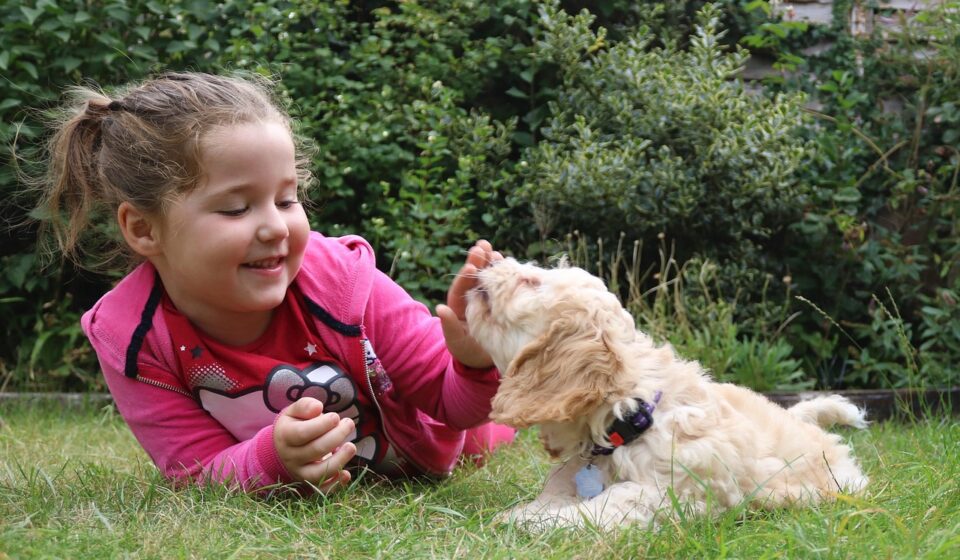
What Makes the Cockatoo So Popular?
As of July 2026, the cockatoo continues to hold a top spot in the hearts of dog lovers worldwide. This delightful crossbreed, a charming mix of the Cocker Spaniel and the Poodle, is renowned for its affectionate nature, intelligence, and often, its low-shedding coat. Often called a ‘designer dog’, the cockatoo was one of the earliest popular crossbreeds, developed in the United States during the 1960s with the aim of creating a friendly, intelligent, and adaptable companion animal.
Last updated: July 6, 2026
Their popularity isn’t just a fleeting trend; it’s rooted in their versatile personalities that can fit into a variety of households, from active families to individuals seeking a loyal companion. However, like any dog, they come with specific needs. Understanding these needs is the first step to ensuring your cockatoo thrives.
Key Takeaways
- Cockatoos are a cross between a Cocker Spaniel and a Poodle, known for their friendly and intelligent nature.
- Their grooming needs are significant, often requiring professional attention to manage their coat and prevent matting.
- Socialization and consistent positive reinforcement training are crucial for a well-adjusted cockatoo.
- They can be prone to certain health issues inherited from their parent breeds, such as eye conditions and hip dysplasia.
- Cockatoos typically adapt well to various living situations but need regular exercise and mental stimulation.
The Best of Both Worlds? Cockatoo Temperament
The cockatoo’s temperament is a fascinating blend, drawing traits from both parent breeds. Generally, they are known for being outgoing, affectionate, and eager to please. Their Cocker Spaniel heritage often contributes a merry, devoted disposition, while the Poodle influence brings a high level of intelligence and a playful spirit.
Most cockatoos are incredibly people-oriented and thrive on companionship. They tend to be good with children and other pets, especially if socialized from a young age. Their intelligence means they pick up commands quickly, making them highly trainable. However, this intelligence also means they can become bored or anxious if left alone for extended periods or not provided with enough mental stimulation. This can sometimes manifest as destructive behaviour or excessive barking.
A common query is about their suitability for families with young children. In my experience, cockatoos are generally excellent family pets due to their gentle nature and playful energy. However, like any dog breed, they require supervision around very young children to ensure interactions are positive for both parties. Early socialization with children and other animals is paramount.

The Coat Factor: Grooming Demands
One of the most significant considerations for potential cockatoo owners is grooming. Their coat can vary greatly depending on which parent breed’s genetics are more dominant. Some have a curlier coat, more like a Poodle, which is often low-shedding and considered more ‘hypoallergenic’. Others may have a straighter, featherier coat, more akin to a Cocker Spaniel, which might shed more but can still be manageable.
Regardless of coat type, regular grooming is essential. Daily brushing is often recommended to prevent matting, especially in longer or curlier coats. Matts can form quickly and become painful, even leading to skin infections if left untreated. Many owners opt for professional grooming appointments every 4–8 weeks to keep the coat trimmed and tidy. This usually involves clipping, bathing, and ear cleaning. According to the American Kennel Club (AKC) [as of 2026], while cockatoos are not a recognised breed, their parent breeds, the Cocker Spaniel and Poodle, both have significant grooming requirements that are passed on.
The wrinkle here is that the ‘hypoallergenic’ claim, while often true for Poodle-mixes due to lower shedding, isn’t a guarantee. Individual dogs vary, and even low-shedding coats can trigger allergies in sensitive individuals. It’s wise for allergy sufferers to spend time with a cockatoo before committing.
Training Your Intelligent Companion
Cockatoos are intelligent and eager to please, which makes them highly receptive to training. Positive reinforcement methods, such as using treats, praise, and play, work best. Consistency is key. Establishing a routine early on will help your cockatoo understand expectations.
Puppy socialization is critical. Exposing your cockatoo to a variety of sights, sounds, people, and other well-behaved dogs during their critical developmental period (typically between 3 and 16 weeks) will help them grow into a confident, well-adjusted adult dog. Enrolling in puppy socialization classes is highly recommended. These classes provide a safe environment for your puppy to interact with others and for you to learn basic training techniques.
A common mistake is underestimating the need for mental stimulation. A bored cockatoo can develop behavioural issues. Puzzle toys, scent games, and learning new tricks are excellent ways to keep their minds engaged. For instance, teaching your cockatoo to ‘find the treat’ by hiding it around the house or garden provides great mental exercise.

Health and Lifespan
Like all breeds, cockatoos can be prone to certain inherited health conditions. These often stem from their parent breeds, the Cocker Spaniel and the Poodle. Responsible breeders will screen their parent dogs for common issues to reduce the risk in puppies.
Common health concerns include:
- Eye Conditions: Progressive Retinal Atrophy (PRA) and cataracts are seen in both parent breeds and can affect cockatoos. Regular eye exams by a veterinary ophthalmologist are advisable.
- Hip Dysplasia: This is a genetic condition affecting the hip joint, common in many larger breeds and some spaniels. It can lead to arthritis and lameness.
- Ear Infections: Their floppy ears can trap moisture and debris, making them susceptible to infections. Regular cleaning is essential.
- Patellar Luxation: This is a condition where the kneecap slips out of place, common in smaller dogs.
- Allergies: Skin allergies can be common, leading to itching and discomfort.
According to the American Veterinary Medical Association (AVMA) [as of 2026], responsible breeding practices that include health screening of parent animals are the most effective way to mitigate the risk of inherited diseases.
The average lifespan of a cockatoo is typically between 10 to 15 years. Factors like genetics, diet, exercise, and overall healthcare play a significant role in how long your cockatoo will live.
What to Feed Your Cockatoo
Choosing the right food is fundamental to your cockatoo’s health. High-quality dog food formulated for their life stage (puppy, adult, senior) and size (miniature or standard) is recommended. Look for foods with a named meat source as the primary ingredient.
For puppies, a diet rich in proteins and essential nutrients supports growth and development. As they mature, a balanced adult food will maintain their energy levels and health. Some owners prefer to feed a raw diet or a fresh food diet, but it’s crucial to ensure these are nutritionally complete and balanced. Consulting with your veterinarian or a certified veterinary nutritionist can help you determine the best diet for your individual cockatoo. They may also advise on specific supplements if a deficiency is detected.
The key is to avoid overly processed foods with excessive fillers, artificial colours, or flavors. In real terms, a good quality food will support healthy skin, coat, digestion, and energy levels. Brands like Purina Pro Plan, Royal Canin, and Hill’s Science Diet are often recommended by vets for their consistent quality and research-backed formulations.
Keeping Your Cockatoo Active and Engaged
Cockatoos are energetic dogs that require regular exercise to stay happy and healthy. A moderate amount of daily activity is usually sufficient. This could include a couple of brisk walks each day, playtime in a securely fenced garden, or engaging in dog sports.
Their intelligence means they also need mental stimulation. This can be provided through training sessions, puzzle toys, and interactive games. A bored cockatoo can become anxious or destructive, so ensuring they have both physical and mental outlets is crucial. For example, a game of fetch or a training session focusing on new tricks can be as tiring for them as a long walk.
Keep in mind that the amount of exercise needed can vary. A miniature cockatoo might be content with shorter walks than a larger, standard cockatoo. Observe your dog’s energy levels and adjust their activity accordingly. Over-exercising a young puppy can be detrimental to their developing joints.

Cockatoo vs. Other Popular Poodle Mixes
The popularity of the cockatoo has paved the way for other Poodle crosses. While all share the intelligent Poodle parentage, their temperaments and needs can differ based on the other breed involved. For instance, the Goldendoodle (Golden Retriever x Poodle) is often larger and perhaps more laid-back than the typically more energetic cockatoo. The Labradorite (Labrador Retriever x Poodle) also shares similarities but can vary widely in size and temperament.
When comparing the cockatoo to, say, a Goldendoodle, you’re often looking at differences in grooming (Goldendoodles can have straighter, wavier, or curlier coats, with varying shedding levels) and energy levels. Goldendoodles might be slightly less prone to separation anxiety than some cockatoos due to their retriever heritage’s strong pack drive, though this is not universal. The cockatoo, being a smaller to medium-sized dog, might be more adaptable to apartment living than many Goldendoodles or Labradorites.
The key difference to consider is that cockatoos are a more established crossbreed, with decades of breeding history contributing to a somewhat predictable temperament and appearance. Newer crosses can be more variable. According to various breeder forums and owner testimonials as of 2026, the cockatoo’s combination of size, trainability, and generally friendly disposition makes it a consistent favourite.
Finding Your Cockatoo: Breeder or Rescue?
Deciding where to get your cockatoo is a significant step. Reputable breeders are committed to the health and well-being of their dogs. They will screen parent dogs for genetic health issues, provide health clearances, and allow you to meet the puppy’s parents. They should also be transparent about the breed’s characteristics and potential challenges.
On the other hand, many wonderful cockatoos end up in rescue organisations. Adopting a cockatoo from a shelter or breed-specific rescue can be incredibly rewarding. These dogs often come with a history, and rescue staff can provide insights into their personalities and needs. It’s important to research rescue organisations thoroughly to ensure they are reputable and care for their animals well.
As of July 2026, adoption rates remain high for popular crossbreeds. While you might find a cockatoo at a general animal shelter, breed-specific rescues often have a better understanding of the breed’s specific needs. For example, Poodle rescue groups or Cocker Spaniel rescue groups might occasionally have cockatoos available, or there may be dedicated crossbreed rescues.
Mistakes New Cockatoo Owners Make
One of the most common mistakes is underestimating grooming needs. Owners might be drawn to the low-shedding coat and not realise the commitment to daily brushing and regular professional trims. This can lead to painful mats and skin issues.
Another frequent error is insufficient socialization and training. Cockatoos are intelligent and need early exposure to the world and consistent guidance. Without it, they can become anxious, fearful, or develop behavioural problems like excessive barking or chewing. Expecting them to be perfectly behaved without consistent effort is unrealistic.
Finally, some owners forget that cockatoos, like their Poodle parents, can be prone to separation anxiety. If left alone too long or too often without proper acclimatization, they can become distressed. Providing plenty of attention, exercise, and mental stimulation, along with gradual introductions to alone time, is key to preventing this.
Expert Insights for Cockatoo Companionship
For those considering a cockatoo, remember they are a hybrid breed, meaning their traits can be less predictable than purebreds. Embrace the individuality of your dog. Don’t expect them to be identical to every other cockatoo you meet. This variability is part of their charm.
Consider the specific generation. An F1 cockatoo (Cocker Spaniel x Poodle) will have different coat types and shedding potential than an F1b (F1 Cockapoo x Poodle), which is bred for a more Poodle-like, often non-shedding coat. F2, F2b, and other generations offer further variations. Understanding these genetic mixes can help you choose a dog that better fits your lifestyle, especially if allergies are a concern.
Finally, remember that a cockatoo is a commitment for 10–15 years. Ensure you have the time, resources, and energy to dedicate to their care, training, and companionship. They are truly rewarding dogs when their needs are met.
Frequently Asked Questions
Are cockatoos a good dog breed for first-time owners?
Yes, cockatoos are often considered excellent for first-time owners due to their trainable nature and affectionate personalities. However, their grooming requirements and potential for separation anxiety mean new owners must be prepared for these specific commitments.
Do cockatoos shed a lot?
Cockatoos are known for being low-shedding, especially those with curlier Poodle-like coats. However, shedding levels can vary significantly. Some may shed minimally, while others might have a moderate amount of shedding, particularly if they inherit more of the Cocker Spaniel’s coat type.
How much exercise does a cockatoo need daily?
A cockatoo typically needs around 30–60 minutes of exercise per day. This should include brisk walks, playtime, and mental stimulation through training or puzzle toys to keep them happy and prevent boredom.
What is the average cost of a cockatoo puppy in 2026?
As of July 2026, the price for a cockatoo puppy from a reputable breeder can range from £1,000 to £2,500, depending on factors like the breeder’s reputation, the parents’ lineage, location, and coat type. Rescue adoption fees are significantly lower.
Are cockatoos prone to barking?
Cockatoos can be prone to barking if they are bored, anxious, or not adequately trained. Early socialization and consistent training, along with ensuring they have enough mental and physical stimulation, can help manage excessive barking.
How big do miniature cockatoos get?
Miniature cockatoos, typically bred from a Miniature Poodle and a Cocker Spaniel, usually stand between 12 to 15 inches tall at the shoulder and weigh between 13 to 25 pounds (approximately 6 to 11 kg).
Information current as of July 2026; pricing and product details may change.
Editorial Note: This article was researched and written by the Pet Magazine editorial team. We fact-check our content and update it regularly. For questions or corrections, contact us. Knowing how to address cockapoo early makes the rest of your plan easier to keep on track.