
Puppy dog breath typically refers to a sweet, milky scent. This scent is characteristic of young pups. Their diet and developing systems cause it. However, foul or unusual puppy breath can signal issues. For example, teething, poor oral hygiene, or more serious health problems can cause it. This warrants attention. You must maintain your puppy’s well-being.
This guide covers the common causes of puppy breath changes. It also highlights key signs that warrant a vet visit. In addition, it provides practical tips. These help you establish an effective dental care routine.
Source: Britannica
What is puppy dog breath and what does it normally smell like?
The term “puppy breath” describes a distinct aroma. This smell comes from a young dog’s mouth. Normal puppy breath often has a sweet scent. It can also smell milky or slightly yeasty. Their specialized diet causes this characteristic smell. They eat milk or puppy food. Also, their developing digestive system processes these nutrients uniquely. It is generally a mild, agreeable odor. This smell is characteristic of their young age.

How Long Does Puppy Breath Last?
The distinct sweet puppy breath usually lasts for the first few months. It typically fades as they transition from milk. They also transition from specialized puppy food to solid adult dog food. Their adult teeth also begin to emerge. This transition commonly occurs between 3 to 7 months of age. As these changes happen, the puppy’s breath gradually evolves. It becomes a more typical dog breath scent.
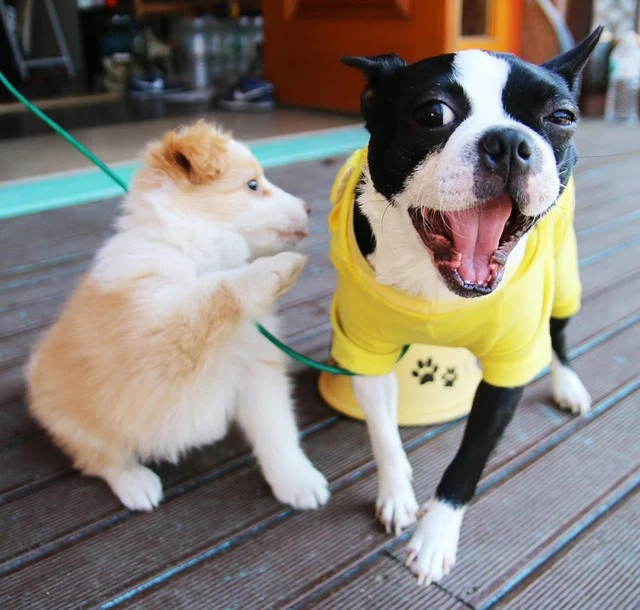
Why Does My Puppy’s Breath Stink? (Common Causes of Bad Breath)
A sweet, mild scent is normal. However, an unpleasant or foul odor from your puppy’s mouth is often a sign of a problem. Understanding the common causes can help you. You can determine the best course of action.
Teething
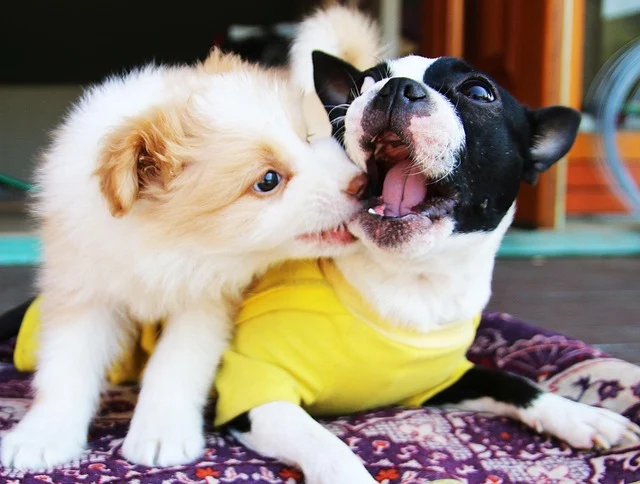
Teething puppies often experience temporary changes in breath odor. This is common. Puppies lose their baby teeth. Then adult teeth erupt. As a result, the gums can become inflamed and sore. This inflammation can lead to increased saliva production. It can also cause minor gum bleeding. Food particles or bacteria may accumulate in the irritated areas, contributing to what some might call “puppy dog breath”. Additionally, puppies chew more during teething. This can introduce bacteria from objects into their mouths. All these factors contribute to a less-than-fresh smell. This usually resolves once teething is complete.
Dietary Factors and Digestive Issues
Diet significantly affects a puppy’s breath. Poor food quality, sudden diet changes, or foods causing upset can lead to gas and odors. Some puppies have ingredient sensitivities. These cause gastrointestinal issues and bad breath. Ensure a balanced, digestible diet. It must be age and breed appropriate. This is important for fresh puppy dog breath.
Poor Oral Hygiene
Just like humans, puppies can develop bad breath due to poor oral hygiene. Food particles can get trapped between teeth or along the gum line, leading to bacterial growth and plaque formation. If not regularly removed, this can quickly lead to unpleasant puppy dog breath. While plaque buildup is more common in older dogs, it can start early if dental care isn’t initiated.
Swallowed Objects
Puppies are naturally curious and prone to chewing and swallowing non-food items. If a foreign object, such as a piece of a toy, string, or even grass, gets stuck in their mouth, throat, or digestive tract, it can cause irritation, infection, or blockages, leading to a foul odor. This can be a serious issue requiring immediate veterinary attention.
Underlying Health Issues
Persistent or unusually strong foul breath can point to more serious underlying health issues that require professional veterinary attention. These include:
- Dental Disease: Beyond simple plaque, puppies can develop gingivitis or early periodontal disease, which causes significant bad breath.
- Gastrointestinal Problems: Conditions like inflammatory bowel disease, parasites, or severe digestive upset can cause odors that travel up the esophagus.
- Kidney Disease: A metallic or ammonia-like smell can indicate kidney issues. Toxins build up in the bloodstream. Then they are exhaled.
- Diabetes: An unusually sweet or fruity breath odor can be a sign of diabetes. This is especially true if it comes with increased thirst and urination.
- Liver Disease: A very foul, musty, or “mousy” smell can be associated with liver problems.
- Oral Tumors or Infections: Growths or infections in the mouth can lead to localized bad breath. While less common, this can occur in puppies.
How to Make Puppy Breath Smell Better
Addressing bad puppy breath involves identifying the cause and implementing appropriate solutions. Here are practical steps you can take to improve your puppy’s oral health and breath.
Establish a Dental Care Routine Early
Starting dental care when your puppy is young is key to long-term oral health. This not only helps with current breath issues but also prevents future problems.
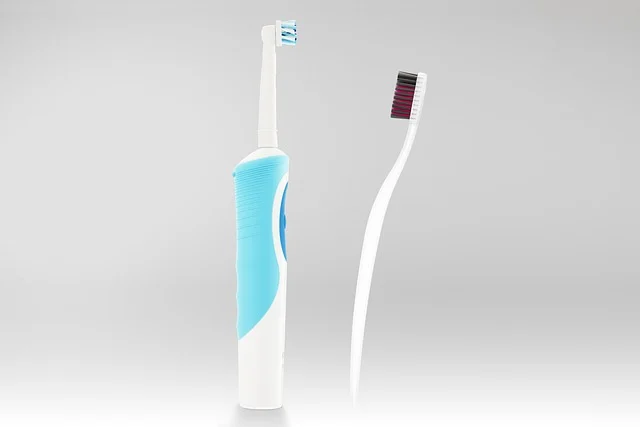
- Brushing: Begin brushing your puppy’s teeth daily with a veterinary-approved toothbrush and toothpaste specifically designed for dogs. Never use human toothpaste, as it contains ingredients toxic to pets. Start with short sessions, making it a positive experience with praise and treats. Aim to brush all tooth surfaces gently.
- Dental Chews and Toys: Provide appropriate dental chews and toys. They should be vet-approved. Also, they should help scrape away plaque and tartar. Ensure they are the correct size for your puppy. This prevents choking hazards. Always supervise your puppy with new chews.
- Water Additives and Rinses: Your vet may recommend specific dental water additives or oral rinses formulated for puppies. These can help reduce bacteria in the mouth but are not a substitute for brushing.
Evaluate and Adjust Diet
Ensure your puppy is on a high-quality, easily digestible puppy food appropriate for their age and breed size. If you’ve recently changed their food, consider if the new diet is causing digestive upset. Avoid sudden dietary changes; introduce new foods gradually over 7-10 days. If you suspect a food sensitivity, discuss potential dietary trials with your veterinarian.
Prevent Swallowing Inappropriate Objects
Puppy-proof your home to remove any small objects they might chew on or swallow. Provide a variety of safe, durable chew toys to satisfy their natural urge to chew. Regularly inspect toys for damage and replace them when necessary to prevent pieces from being ingested.
Regular Veterinary Check-ups
Routine vet visits are essential. Monitor your puppy’s overall health. This includes oral health. Your vet identifies early dental disease. They discuss dietary needs. They address other health concerns. These contribute to bad breath. They offer professional dental cleanings. This is less common for very young puppies, however. That sweet puppy dog breath will not last forever!
When to Take Your Puppy to the Vet for Bad Breath
While some minor breath changes during teething are normal, certain signs warrant immediate professional veterinary evaluation. You should consult your vet if:
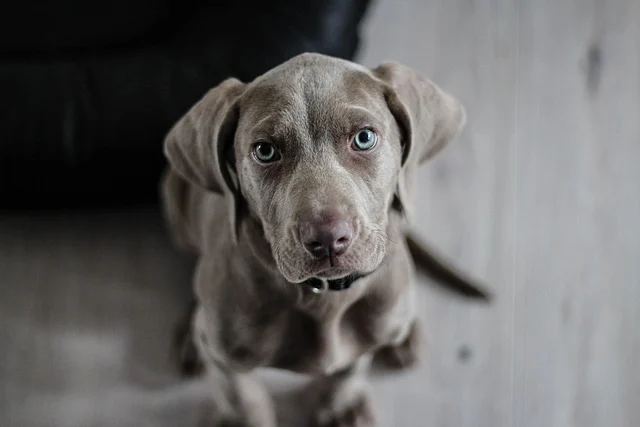
- Persistent, Unusually Strong Bad Breath: The foul odor may not improve with home care. It could also be significantly stronger than typical bad breath.
- Breath Smells Rotten, Metallic, or Excessively Sweet: These specific odors can indicate underlying organ disease. For example, kidney, liver, or diabetes can cause them. They can also signal a severe infection.
- Accompanied by Other Symptoms: Look for additional signs. These include vomiting, diarrhea, and lethargy. Also, watch for loss of appetite or changes in drinking habits. Pawing at the mouth, excessive drooling, red or bleeding gums are also signs. Visible tartar buildup or loose/missing teeth (beyond normal teething) can also occur.
- Reluctance to Eat or Pain While Chewing: This can indicate severe dental pain or an oral injury.
- Swollen Face or Gums: Suggests an infection or abscess.
Early detection and treatment of underlying issues are important for your puppy’s health and well-being.
Frequently Asked Questions
Why is my puppy dog breathing so fast?
Fast breathing in puppies usually relates to respiration rate. It does not relate to the smell of their breath. Puppies often breathe faster than adult dogs. This can happen due to excitement, play, or stress. It also occurs during deep sleep. However, fast breathing can be persistent or labored. It might also come with coughing, lethargy, or blue gums. If so, it could indicate a respiratory issue. It might also signal another serious health problem. You should contact your veterinarian immediately.
What can owners give their dog for breath?
Focus on regular tooth brushing for bad breath. Use veterinary-approved dog toothpaste. Dental chews also help. You might use vet-recommended water additives. Never use human mouthwash or toothpaste. These contain ingredients toxic to dogs. Addressing the underlying cause is the most effective long-term solution for puppy dog breath. This might be diet or an oral health issue.
Should I use mouthwash for my puppy?
Human mouthwash is toxic for dogs. Never use it. Dog dental rinses or water additives exist. These are not a substitute for regular tooth brushing. They do not replace professional veterinary dental care. Always consult your veterinarian. Do this before using oral hygiene products for puppy dog breath. This ensures safety and appropriateness.