nd backyard settings.
A Look Back: History and Origin of the Orpington
The story of the Orpington chicken begins with William Cook, a poultry breeder from Orpington, Kent, England. In the 1880s, Cook aimed to create a new breed that would be a superior table bird, capable of filling the growing demand for meat. He crossbred breeds such as the Minorca, Plymouth Rock, and Cochin to develop a large, heavy bird with a broad body and a unique, fluffy appearance. The breed was first exhibited in 1886, and its popularity rapidly grew due to its impressive size and docile nature. The original colour was Black, but other varieties, notably the Buff Orpington, soon followed and became the most recognised.
Last updated: July 26, 2026
Cook strategically marketed the breed’s development, who understood the appeal of a solid, dual-purpose fowl that also possessed aesthetic qualities. This foresight cemented the Orpington’s place in poultry history. According to the American Poultry Association (APA) Standard of Perfection, Orpingtons are classified as a heavy breed, known for their substantial weight and broad chests, characteristics that attest to their meat-producing heritage.
A Rainbow of Orpingtons: Exploring the Colour Varieties
While the Buff Orpington is undoubtedly the most famous and sought-after variety, the breed boasts an impressive array of colours, each with its own subtle charm. These variations are a testament to selective breeding over many decades. Each colour variety adheres to breed standards set by organisations like the APA, ensuring consistency in size and type.
The most common and popular colours include:
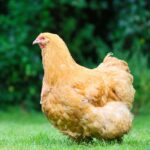
- Buff: A rich, golden-orange colour that’s warm and inviting. This is the classic Orpington look.
- Black: The original colour, with a glossy, iridescent sheen.
- White: A pure, clean white that highlights the bird’s fluffy physique.
- Blue: A rich, slate-blue colour that can range from dark to light, often with lighter lacing.
- Splash: A dilution of the blue gene, resulting in a white base with splashes of blue colour.
- Chocolate: A rarer variety, featuring a deep, rich brown hue.
- Others include Lavender, Cuckoo, and Red, though these are less commonly seen in backyard flocks.
When selecting a variety, consider that some colours might be slightly more prone to specific genetic issues or may have slightly different feathering textures, though overall temperament and egg-laying capabilities remain consistent across the breed.
The Gentle Giant’s Nature: Temperament and Personality
The Orpington’s defining characteristic is its exceptionally docile and placid temperament. Often referred to as ‘gentle giants,’ they are known for their calm, friendly, and curious nature. This makes them ideal for families with children or for owners who enjoy interacting closely with their flock.
In real terms, this means Orpingtons are unlikely to be aggressive or flighty. They tend to be content with their surroundings and are often happy to be handled, even by young children under supervision. Their calm disposition also makes them less prone to bullying within a flock, although introducing any new bird should always be done with care. According to the American Livestock Breeds Conservancy (ALBC) classification, breeds with such docile temperaments are highly valued for ease of management in diverse flock settings.
Worth noting is their tendency towards broodiness. Many Orpington hens make excellent mothers, diligently sitting on eggs and raising chicks. This instinct, while useful for natural reproduction, can temporarily halt egg production, as a broody hen will focus on hatching rather than laying.

From Layers to Table Birds: Orpington Productivity
Originally bred as a dual-purpose fowl, Orpingtons excel in both egg laying and meat production, though their primary appeal today often leans towards their egg-laying and companion qualities. They are considered good layers, especially for a large breed. A healthy Orpington hen can be expected to lay approximately 3 to 4 medium to large brown eggs per week. This translates to roughly 150 to 200 eggs per year, depending on factors like age, diet, daylight hours, and stress levels.
Their laying age typically begins between 6 to 8 months. While not record-breaking layers compared to specialised breeds like the Leghorn, their consistent production, combined with their larger egg size, makes them a valuable addition to most backyard flocks. The eggs are typically a light to medium brown, with some colour variation depending on the hen’s genetics and diet.
As a meat bird, the Orpington is substantial. Their large, well-fleshed bodies provide a good carcass yield. Historically, they were prized for their rich, flavorful meat. While not as fast-growing as modern broiler breeds, they are a suitable choice for a homesteader looking for a bird that provides both eggs and a decent amount of meat for the table. The average adult rooster can weigh around 10–12 pounds, with hens typically weighing 8–10 pounds, as per standard breed guidelines.
Physical Characteristics: Size and Appearance
Orpingtons are undeniably large chickens. They possess a distinctive deep, broad, and rectangular body shape, giving them a substantial and solid appearance. Their feathers are abundant and soft, contributing to their fluffy, rounded silhouette. This profuse feathering helps them withstand colder climates. They have a single, upright comb and wattles, which are typically bright red in healthy birds. Their legs and feet are clean (free of feathers), usually a pale pink or horn colour, which allows for easy identification of their breed standard.
A mature Orpington rooster can stand around 18–20 inches tall, with hens being slightly shorter. Their weight is equally impressive: roosters typically weigh between 9–11 pounds (4-5 kg), and hens between 7–9 pounds (3-4 kg). This significant size means they require more space than smaller breeds. For example, a general guideline from the American Poultry Association suggests at least 4 square feet of coop space per bird, with Orpingtons benefiting from even more, particularly if confined.
The overall impression is one of a calm, dignified, and imposing bird. Their gentle eyes, combined with their heavy build and soft plumage, contribute to their universally appealing, friendly look. This physical presence, coupled with their temperament, is why they are often dubbed ‘gentle giants’.

Caring for Your Orpington Flock
Caring for Orpingtons is relatively straightforward, largely due to their hardy nature and docile temperament. They adapt well to various climates, though protection from extreme heat and cold is always advisable.
Housing: Given their size, Orpingtons need ample space. A coop with adequate roosting bars and nesting boxes is essential. Aim for at least 4 square feet of floor space per bird inside the coop, and provide a generous outdoor run. Ensure the coop is well-ventilated but free from drafts, and predator-proofed, as their placid nature can make them vulnerable.
Diet: A balanced diet is crucial. For chicks, a high-quality starter feed (around 20-24% protein) is necessary for the first 6–8 weeks. As they grow, transition to a grower feed (16-18% protein). Adult Orpingtons thrive on a layer feed (16% protein) once they begin laying. Supplementing with greens, scratch grains (in moderation), and oyster shell for calcium is beneficial. According to veterinary recommendations, ensuring access to fresh water at all times is paramount for all poultry.
Health: Orpingtons are generally solid and healthy birds. However, like all breeds, they can be susceptible to common poultry ailments. Their dense feathering can make them prone to mites or lice, so regular checks and appropriate treatments are recommended. Their large size can sometimes lead to issues like bumblefoot (a bacterial infection of the foot), especially if kept in unclean or abrasive environments. Observing your flock daily for any changes in behaviour or appearance is key to early detection of health problems.
Chicks: Orpington chicks are fluffy and adorable but require a warm brooder (around 95°F for the first week, gradually decreasing by 5°F each week) and a starter feed. Their rapid growth means they will outgrow smaller brooders quickly, so plan accordingly.
Orpington Breeds: Weighing the Advantages and Disadvantages
Deciding if an Orpington breed is right for your flock involves considering their numerous benefits against a few potential drawbacks.
Pros
- Excellent Temperament: Exceptionally docile, friendly, and calm, making them ideal for families and beginners.
- Good Layers: Consistent producers of medium to large brown eggs, typically 3-4 per week.
- Hardy and Adaptable: Tolerate a range of climates well and are generally solid birds.
- Broody Hens: Often go broody and make excellent mothers, useful for natural chick rearing.
- Attractive Appearance: Their large size and fluffy plumage, especially in the Buff variety, make them visually striking.
- Dual-Purpose: Suitable for both egg production and as a meat bird.
Cons
- Large Size: Require more space in the coop and run compared to smaller breeds.
- Potential for Broodiness: While a pro for some, it halts egg production temporarily.
- Slower Maturation: They take longer to reach full size and laying maturity than some other breeds.
- Susceptibility to Heat: Despite being hardy, their dense feathering can make them prone to heat stress in very hot climates without adequate shade and ventilation.
- Pest Attraction: Their fluffy feathers can harbor mites and lice if not managed.
Frequently Asked Questions
Are Orpington chickens good for beginners?
Yes, Orpington chickens are excellent for beginners due to their incredibly docile and friendly temperament. They are easy to handle and generally not prone to aggression, making them forgiving of minor mistakes new keepers might make.
How many eggs do Orpington chickens lay?
Orpington hens typically lay between 3 to 4 medium to large brown eggs per week, averaging around 150 to 200 eggs per year. Their production can be consistent, though it may decrease during extreme weather or if they become broody.
What is the temperament of a Buff Orpington?
Buff Orpingtons are renowned for their exceptionally gentle and placid nature. They are curious, friendly, and enjoy human interaction, often becoming quite tame and enjoying cuddles, which earns them the ‘gentle giant’ nickname.
How large do Orpington chickens get?
Orpingtons are a large breed. Roosters typically weigh between 9–11 pounds (4-5 kg), and hens weigh between 7–9 pounds (3-4 kg). They have a deep, broad body and can stand about 18–20 inches tall.
Are Orpington chickens noisy?
Orpingtons are generally considered a quiet breed. They tend to vocalize less than many other chicken breeds, making them a good choice for suburban backyards or areas where noise might be a concern.
What is the lifespan of an Orpington chicken?
With proper care, Orpington chickens can live for 5 to 8 years, and sometimes even longer. Factors such as diet, health care, environment, and genetics play a role in their longevity.
Bringing Orpingtons Home
Orpington breeds embody the ideal backyard chicken for many: they are beautiful, productive, and incredibly amiable. Their gentle nature makes them a joy to have around, and their consistent egg-laying provides a steady supply of fresh eggs. Whether you are a seasoned poultry keeper or just starting, the Orpington offers a rewarding experience. Consider their space requirements and potential for broodiness, but for most enthusiasts, the Orpington chicken is an unparalleled choice for a friendly, hardy, and productive addition to the flock.
Information current as of July 2026; pricing and product details may change.
Source: Britannica.
Knowing how to address orpington breeds early makes the rest of your plan easier to keep on track.