Understanding the Pekin Bantam Chick: A 2026 Overview
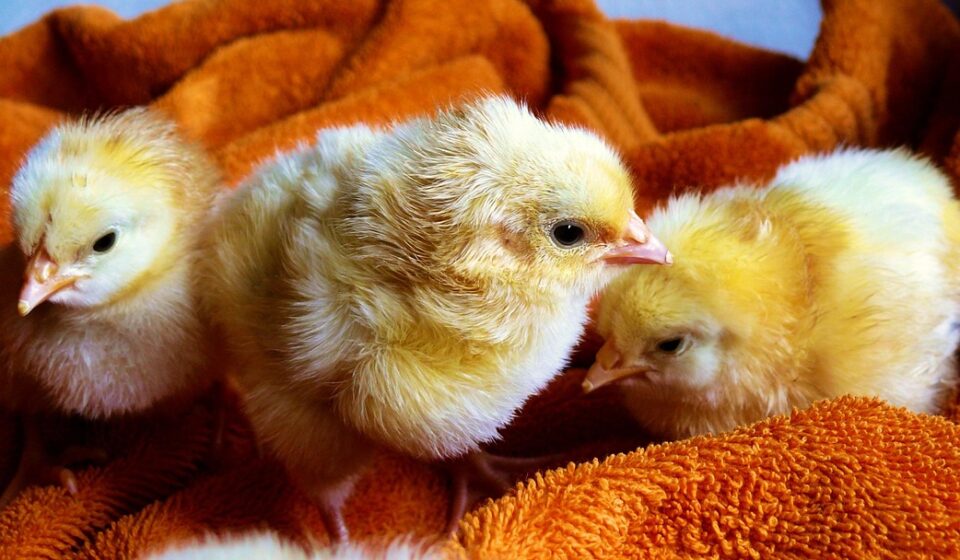
The Pekin bantam chick, with its undeniably fluffy appearance and generally amiable disposition, remains a popular choice for both novice and experienced poultry keepers in 2026. Often mistaken for miniature Cochins, Pekins are, in fact, a distinct true bantam breed, meaning they have no large fowl counterpart. Their appeal lies not only in their striking looks – particularly their abundant leg feathering – but also in their docile nature, making them an excellent choice for families and those seeking ornamental fowl. This guide delves into what makes the Pekin bantam chick so special, covering their origins, distinguishing characteristics, essential care requirements, and what to expect from them as they mature into beautiful adult birds. We’ll explore their temperament, dietary needs, housing, and common considerations for keeping these charming creatures.
- Pekin bantam chicks are true bantams originating from China, known for their fluffy appearance and heavily feathered legs.
- They are renowned for their gentle, docile temperament, making them excellent pets for families and beginners.
- Care involves providing a warm brooder, appropriate chick feed, safe housing, and protection from predators.
- Adult Pekins are ornamental rather than prolific egg-layers, typically producing a few small, tinted eggs per week.
- Their unique appearance, including abundant leg and foot feathering, requires special attention to keep clean and dry.
A Journey from the East: History of the Pekin Bantam
The Pekin bantam’s story begins in China, where these distinctive birds were highly prized. They were introduced to Europe in the mid-19th century, with many accounts suggesting they arrived in Britain around the 1860s. It’s believed that the birds were brought from Peking (now Beijing), which explains their name. Initially, there was some confusion with the Cochin breed, as both originated from China and shared a similar heavy, feathered appearance. However, the Pekin was established as a distinct true bantam variety. Their popularity surged as ornamental fowl, favored for their regal bearing and unique looks. The breed standard was refined over time, with specific characteristics like the abundant feathering on their legs and feet becoming defining traits. As of July 2026, the Pekin bantam is recognised internationally, though its historical ties and specific breed standards are most strongly associated with the UK and Europe.
Distinctive Features of the Pekin Bantam Chick
The most striking characteristic of a Pekin bantam chick, even at a young age, is their potential for abundant fluff. This fluffiness intensifies as they mature, especially on their legs and feet, giving them a distinctive, almost regal, appearance. They are true bantams, meaning they are naturally small birds. Adult hens typically weigh around 500–600 grams, and roosters around 600–700 grams. This compact size makes them suitable for smaller backyards where larger breeds might be less practical. Their colour varieties are extensive, ranging from the classic Partridge and Black to more exotic shades like Lavender, Cuckoo, and Porcelain. Each colour offers a unique visual appeal. The abundant feathering, while beautiful, is a key consideration for care, as it requires keeping their environment clean and dry to prevent issues like frostbite in colder climates or mud accumulation.
Temperament: The Gentle Nature of Pekin Bantam Chicks
One of the primary reasons for the Pekin bantam’s enduring popularity is their exceptionally gentle and docile temperament. Pekin bantam chicks are known for being curious, friendly, and tolerant. They tend to be less flighty than many other bantam breeds, making them ideal for households with children or individuals who enjoy interacting closely with their flock. They often become quite tame and can be handled regularly without stress. Adult Pekins are typically non-aggressive and tend to get along well with other poultry, though introducing new birds should always be done carefully. Their calm nature means they are less likely to cause disturbances or exhibit bullying behaviour within a mixed flock. This amiable disposition extends to their interactions with humans, where they often show affection and curiosity, sometimes even following their owners around the garden.
Caring for Pekin Bantam Chicks: From Hatching to Independence
Raising Pekin bantam chicks requires attention to detail, much like any other young fowl, but with a few specific considerations due to their breed characteristics. From day one, the primary need is warmth. A well-prepared brooder, equipped with a heat lamp or heat plate, is essential. The ideal temperature for the first week is around 32-35°C (90-95°F), gradually decreasing by about 3°C (5°F) each week until they can regulate their own body temperature, usually around 6–8 weeks of age. The brooder should be lined with appropriate bedding such as pine shavings or chick starter litter. Avoid cedar shavings, as the aromatic oils can be harmful. The chicks need constant access to fresh, clean water in a chick waterer that prevents them from drowning, and a high-quality chick starter feed, formulated for their specific nutritional needs. As Pekins are known for their leg feathering, keeping the brooder impeccably clean is crucial to prevent conditions like bumblefoot or other foot infections. For surface-material comparisons, see on brooder setups. In real terms, maintaining a dry and clean brooder environment is paramount for Pekin chicks. The humidity should also be kept moderate, as excessive dampness can exacerbate feather issues.
Feeding Your Growing Pekin Bantams
The dietary requirements of Pekin bantam chicks evolve as they grow. For the first 6–8 weeks, a specialised chick starter feed is non-negotiable. This feed typically contains around 20-24% protein, essential for rapid growth and development. It’s important to use a medicated or non-medicated version based on your flock’s health history and your veterinarian’s advice. For Pekins, a starter feed with a fine crumble consistency is ideal, as they have small beaks. Once they reach about 8–10 weeks of age, you can transition them to a grower feed, which has a slightly lower protein content (around 16-18%). This helps prevent premature laying in pullets. Adult Pekins, as ornamental birds, don’t require a high-protein diet for egg production. A good quality layer feed (around 16% protein) can be introduced when they start to lay, usually between 5–7 months of age. Supplementing their diet with small amounts of fresh greens, mealworms, or fruit can be a delightful treat, but should not form the bulk of their diet. According to the American Poultry Association’s guidelines, a balanced feed should always be the foundation of their nutrition.
Housing Pekin Bantams: Space and Safety
As Pekin bantam chicks grow, they will eventually need suitable adult housing. While they are small, they still require adequate space to move around, roost, and dust bathe. A general guideline for adult Pekin bantams is about 2-3 square feet of indoor coop space per bird, and 8-10 square feet of outdoor run space. Overcrowding can lead to stress, increased susceptibility to disease, and behavioural problems. The coop should be predator-proof, with secure walls, a sturdy roof, and fine mesh over any ventilation openings to keep out snakes, rodents, and larger predators. Roosting bars should be placed at an appropriate height; Pekins prefer to roost higher up, but ensure they can comfortably reach them. Nest boxes should be provided for laying hens, typically one box for every 3–4 hens. For Pekins, due to their feathering, it’s crucial that the coop and run are kept clean and dry. Muddy conditions can soil their leg feathers, leading to health issues. Providing a dedicated dust-bathing area with dry soil or sand is also beneficial for their hygiene and well-being.
Egg Laying Habits and Broodiness
Pekin bantams are not bred for prolific egg production; they are primarily ornamental birds. Hens typically lay small, tinted eggs, often in shades of cream or light brown. The frequency of laying can vary, but a hen might lay anywhere from 1–3 eggs per week, with production often slowing down or stopping during winter months or periods of extreme heat. Their egg-laying capabilities are more of a bonus for the owner rather than a primary reason for keeping the breed. However, Pekin hens are renowned for their strong maternal instincts and broodiness. They are excellent mothers, often successfully hatching and raising chicks, whether their own or those of other breeds. If you intend to hatch chicks, a broody Pekin hen can be an invaluable asset. This strong broodiness, however, means that hens may go ‘broody’ frequently, sitting on their nests for extended periods and refusing to lay. If egg production is your main goal, breeds like the Rhode Island Red or Leghorn might be more suitable.
Health and Wellness for Pekin Bantams
Pekin bantams are generally a solid breed, but their specific traits can make them susceptible to certain health issues. The most common concern is related to their abundant leg and foot feathering. In damp or muddy conditions, these feathers can become matted, leading to irritation, infection, or even frostbite in colder weather. Regular inspection of their legs and feet, especially after periods of wet weather, is recommended. Keeping their living environment clean and dry is the best preventative measure. Another potential issue is bumblefoot, a bacterial infection of the foot, which can occur due to injuries or unsanitary conditions. Their feathered feet can also make them more prone to mites if not managed properly. Regular dusting with a safe, poultry-specific mite powder or using a coop-friendly dust bath can help. As with all poultry, ensuring a balanced diet, clean water, and a stress-free environment are fundamental to their overall health and longevity. According to the Merck Veterinary Manual, prompt identification and treatment of foot ailments are critical for recovery in all fowl breeds.
Common Mistakes When Raising Pekin Bantam Chicks
New keepers often make a few common errors when raising Pekin bantam chicks. One of the most frequent mistakes is underestimating the importance of hygiene, particularly concerning their leg feathering. Allowing chicks to grow up in a damp, dirty brooder can lead to severe foot problems early on. Another common oversight is failing to provide adequate heat as they grow; chicks need a consistent temperature gradient, and removing heat too soon can stunt their growth or make them susceptible to chilling. Transitioning feed too abruptly is another pitfall. Sudden changes can upset their digestive systems. It’s best to gradually introduce new feed over several days. Finally, some keepers may over-supplement their diet with treats, leading to poor growth or nutritional imbalances. While treats are great for bonding, they should be given sparingly and in moderation, ensuring they don’t displace their primary balanced feed.
Expert Insights for Pekin Bantam Keepers
For those looking to add Pekin bantams to their flock, a few expert tips can make the experience even more rewarding. Firstly, embrace their ornamental nature. They aren’t production birds, but their beauty and gentle demeanour are their true value. Focus on providing a clean, dry environment, especially for their feathered feet. If you live in a wet climate, consider a more sheltered run or a raised coop to keep them out of mud. Secondly, use their broodiness to your advantage. A Pekin hen can be a fantastic incubator and mother for hatching other breeds’ eggs, or even for chicks you’ve purchased. This natural maternal instinct is a hallmark of the breed. When selecting chicks, look for well-defined feathering on the legs and feet, a clear indication of their breed lineage, and a generally alert, active demeanour. For show birds, precise colour standards and feather patterns are key, but for backyard companions, temperament and health are paramount.
Frequently Asked Questions
Are Pekin bantam chicks friendly?
Yes, Pekin bantam chicks are renowned for their gentle, curious, and friendly nature. They are known for being less flighty than other breeds, making them excellent pets, especially for families with children.
How much space do adult Pekin bantams need?
Adult Pekin bantams require approximately 2-3 square feet of indoor coop space and 8-10 square feet of outdoor run space per bird to thrive comfortably.
Do Pekin bantam chickens lay many eggs?
No, Pekin bantams are primarily ornamental birds and are not prolific egg-layers. Hens typically lay a few small, tinted eggs per week, with production often reduced in colder months.
What is the average lifespan of a Pekin bantam chicken?
With proper care, including adequate nutrition, housing, and protection from predators and disease, Pekin bantams can live for 5 to 8 years, sometimes longer.
Are Pekin bantams good with other chickens?
Generally, yes. Pekin bantams have a docile temperament and tend to get along well with other breeds. However, introductions should always be managed carefully to ensure harmony.
What are the main health concerns for Pekin bantams?
The most common health concerns relate to their abundant leg and foot feathering, which can lead to issues in damp conditions if not kept clean and dry, such as matting, irritation, or infection (e.g., bumblefoot). Information current as of July 2026; pricing and product details may change.