This hybrid aims to offer the best traits of both parent breeds, resulting in a companion dog that is typically affectionate, intelligent, and adaptable. However, as with any crossbreed, individual traits can vary significantly.
What Exactly Is a Bernedoodle?
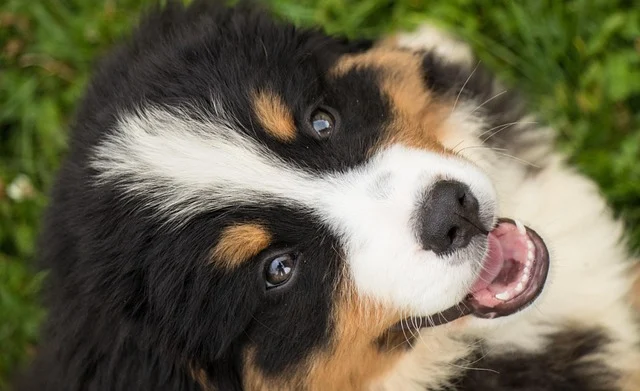
The Bernedoodle is a hybrid dog. It is specifically a cross between a Bernese Mountain Dog and a Poodle. Breeders deliberately chose this pairing to harness the desirable qualities of each parent breed. The Bernese Mountain Dog contributes a calm, loyal, and affectionate disposition. The Poodle offers high intelligence, trainability, and a coat type that is often low-shedding, appealing to those with allergy sensitivities.
Breeders originated the concept in Canada in 2003. They aimed to create a solid, healthy companion dog that combined the striking looks and temperament of the Bernese with the Poodle’s practical coat and longevity. Unlike purebreds, Bernedoodles do not have an officially recognized breed standard from major kennel clubs. These include the Kennel Club in the UK or the AKC in the US, as they are considered a crossbreed.

You will see the Bernedoodle as a blend of beauty and brains. The Bernese Mountain Dog’s stunning tricolor coat and gentle giant demeanour are incredibly attractive. But they are known for shedding and a shorter lifespan. Poodles, on the other hand, are highly intelligent. They come in various sizes and have those coveted low-shedding coats. However, their appearance isn’t always what everyone seeks. The Bernedoodle aims to bridge this gap. It offers a dog that often looks like a shaggy Bernese but with a more manageable coat and a potentially longer life.
Understanding Bernedoodle Sizes and Growth
Bernedoodles come in a range of sizes, primarily determined by the size of the Poodle parent used in the cross, as well as the specific genetic makeup of the individual dog.
Generally, there are three main size categories:
- Standard Bernedoodle: These are typically the largest, resulting from a Standard Poodle crossed with a Bernese Mountain Dog. They usually weigh between 50-115 lbs (23-52 kg) and stand 23–29 inches (58-74 cm) tall at the shoulder.
- Mini Bernedoodle: Bred from a Miniature Poodle and a Bernese Mountain Dog, Mini Bernedoodles are smaller, weighing 18–49 lbs (8-22 kg) and measuring 18–22 inches (46-56 cm) in height.
- Toy/Tiny/Micro Bernedoodle: The smallest variety, these result from crossing a Toy Poodle with a Bernese Mountain Dog (often through several generations to maintain size). They typically weigh under 25 lbs (11 kg) and are 12-17 inches (30-43 cm) tall.
Most Bernedoodles reach their full adult height by 12-18 months of age. Larger Standard Bernedoodles may continue to fill out and gain muscle mass until they are around two years old. Owners should be aware that even within these categories, considerable variation can occur. A reputable breeder can provide more accurate size estimates based on the specific parent dogs.
It’s important to remember that these are average ranges. Genetics can sometimes lead to an individual dog falling outside these typical measurements. When choosing a Bernedoodle puppy, we always recommend discussing the size of the parent dogs with the breeder. This gives you the best possible indication of how big your puppy might grow.
Bernedoodle Temperament: Why Are They So Popular?
Bernedoodles are highly sought after for their delightful temperament, which often combines the best traits of their parent breeds: the gentle, loyal nature of the Bernese Mountain Dog and the intelligence and playfulness of the Poodle.
They are generally known for being:
- Affectionate and Loyal: Bernedoodles typically form strong bonds with their families and thrive on companionship. They are often described as ‘velcro dogs’ who enjoy being close to their people.
- Intelligent and Trainable: Inheriting the Poodle’s intelligence, Bernedoodles are usually quick learners and respond well to positive reinforcement training. This makes them relatively easy to train for basic obedience and more complex tasks.
- Playful and Energetic: While they can be calm indoors, Bernedoodles, especially younger ones, have a playful side and require regular exercise and mental stimulation to prevent boredom and destructive behaviours. They are not always content to relax indoors all day, a common misconception.
- Good with Children and Other Pets: With proper socialisation from a young age, Bernedoodles tend to be patient and gentle with children and can get along well with other pets, making them excellent family dogs.
Their balanced temperament is a significant reason for their increasing popularity, with 2026 expected to be a peak year for demand. However, it is important for prospective owners to understand that early socialisation and consistent training are key to nurturing these positive traits. Without adequate stimulation, any intelligent dog can develop unwanted habits.
Grooming Needs and Coat Types
Bernedoodles have thick, wavy, and soft coats. These coats require regular grooming to keep them healthy and prevent matting. The specific grooming needs vary depending on the individual dog’s coat type, which their genetic generation influences.

Common coat types include:
- Wavy Coat: This is the most common type, often seen in F1 Bernedoodles (50% Bernese, 50% Poodle). It’s a balance between the Bernese’s straight coat and the Poodle’s curly coat. These coats shed moderately but still require weekly brushing to prevent mats.
- Curly Coat: More prevalent in F1b Bernedoodles (approximately 75% Poodle, 25% Bernese, bred from an F1 Bernedoodle and a Poodle), these coats are curlier and tend to shed less. However, they are more prone to matting and require daily brushing to maintain.
- Straight Coat: Less common, this coat type is closer to the Bernese Mountain Dog’s coat. It sheds more than wavy or curly coats and may not be ideal for those seeking a low-shedding dog.
Regardless of coat type, all Bernedoodles require professional clipping every 6-8 weeks to manage their coat length and prevent severe matting. Between professional grooming appointments, we recommend owners brush their Bernedoodle at least once a week. They should brush daily for curlier coats, using a slicker brush and a metal comb to get through to the skin. This diligent home care is critical for their skin health and comfort. Matted fur can be painful and lead to skin infections.
A common misconception is that Bernedoodles are truly ‘hypoallergenic’. They still produce dander and saliva, which are the primary triggers for allergies, so individuals with severe allergies should spend time with a Bernedoodle before committing.
The Cost of a Bernedoodle: Initial Investment and Ongoing Care
One of the first questions many prospective owners ask is, “Why are Bernedoodles so expensive?” and “How much do Bernedoodles cost?” The price reflects the significant investment reputable breeders make in health testing, ethical breeding practices, and the care of parent dogs and puppies.
In 2026, Bernedoodle puppies from reputable breeders typically cost between $2,200 and $4,500 in the US. However, this can range from $2,000 to $5,000, with smaller sizes (Mini, Toy) and rare coat colours sometimes commanding higher prices, potentially up to $8,000, according to sources like Bluegrass Bernedoodles and Utah Bernedoodle. These figures are generally indicative of the UK market as well, though specific sterling prices can fluctuate.
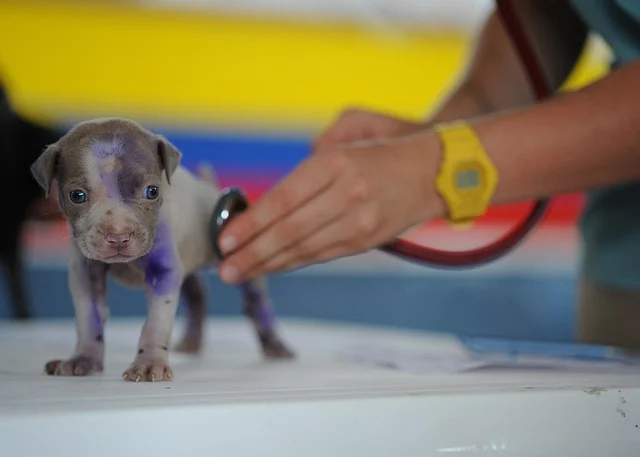
The initial purchase price is just the beginning. The total first-year investment for a Bernedoodle typically ranges from $7,500 to $16,000. This comprehensive figure includes the puppy’s purchase price, initial vet visits, vaccinations, neutering/spaying (if not already done), microchipping, quality food, essential supplies (crate, bed, lead, collar, bowls, toys), and initial training classes. People often underestimate these cumulative costs. They focus only on the puppy price.
After the first year, annual ownership costs are estimated at $2,800 to $5,500. This covers ongoing food, routine vet check-ups, flea and worming treatments, regular professional grooming, pet insurance, and replacement of supplies. These figures highlight that owning a Bernedoodle is a substantial financial commitment beyond the initial adoption fee.
When considering the cost, we advise looking beyond the lowest price. A cheaper puppy might indicate a breeder who has cut corners on health testing or puppy care, potentially leading to higher vet bills down the line. Investing in a healthy puppy from a responsible breeder is, in this opinion, a wiser long-term financial decision.
What is the Downside of Bernedoodles?
While Bernedoodles possess many desirable qualities, it’s important for potential owners to be aware of potential downsides and challenges associated with the breed:
- High Price and Ongoing Costs: As discussed, Bernedoodles are expensive to purchase and maintain, with significant annual costs for food, grooming, and veterinary care. This can be a barrier for many households.
- Grooming Demands: Their beautiful coats come with a high-maintenance requirement. Regular, often daily, brushing is essential to prevent painful matting, along with professional grooming every 6-8 weeks. Neglecting grooming can lead to discomfort for the dog and expensive de-matting at the groomer.
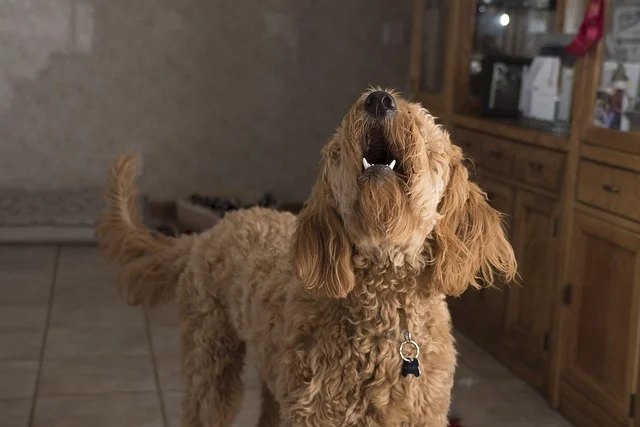
- Exercise and Mental Stimulation Needs: Despite their calm reputation, Bernedoodles are intelligent and can be energetic. They require consistent physical activity and mental challenges. If bored, they can develop destructive behaviours like excessive chewing or barking. They are not suited for owners who cannot commit to regular walks, playtime, and training.
- Potential for Separation Anxiety: Their strong bond with their families can sometimes manifest as separation anxiety if you leave them alone for long periods. This might not suit households where everyone works full-time outside the home.
- Health Concerns: As a crossbreed, Bernedoodles can inherit health issues common to both Bernese Mountain Dogs (such as hip and elbow dysplasia, certain cancers) and Poodles (like Addison’s disease, bloat, eye conditions). While reputable breeders screen for these conditions, there’s no guarantee against all health problems. Their life expectancy, while generally good at 12-18 years (with smaller sizes living longer), can be affected by these issues.
- Variability in Traits: Because they are a crossbreed, there is less predictability in terms of size, coat type, and temperament compared to purebred dogs. While breeders aim for consistency, individual puppies in the same litter can display different combinations of traits from their parent breeds.
Understanding these potential challenges upfront is important for responsible pet ownership. A Bernedoodle is a wonderful companion for the right family, but they are not a ‘set it and forget it’ pet. They require time, financial commitment, and consistent care.
Bernedoodle vs. Goldendoodle: Which is Calmer?
When comparing the calmness of a Bernedoodle to a Goldendoodle, it’s important to recognise that both breeds are crossbreeds. Individual temperaments can vary. However, you can observe general tendencies based on their parent breeds.
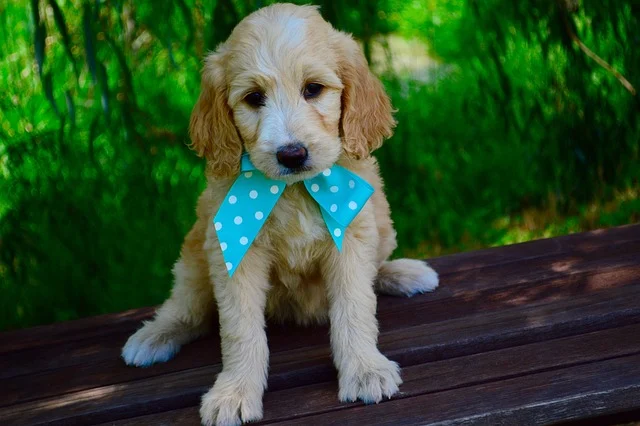
Bernedoodles (Bernese Mountain Dog x Poodle) often inherit a more laid-back and gentle disposition from the Bernese Mountain Dog. Bernese are known for their calm, affectionate, and somewhat ‘goofy’ nature once past puppyhood. This can translate into a Bernedoodle that is generally more relaxed and less frenetic indoors, especially as they mature. While they still require exercise and mental stimulation, many owners report that Bernedoodles are content to settle down with their family after their needs are met.
Goldendoodles (Golden Retriever x Poodle) often inherit the high energy and eagerness to please of the Golden Retriever. Golden Retrievers are renowned for their outgoing, perpetually happy, and active personalities. This often results in a Goldendoodle that is typically more energetic. It requires more sustained physical activity and can remain quite playful and bouncy well into adulthood. You might perceive them as having a higher baseline energy level compared to many Bernedoodles.
Therefore, if calmness is a primary concern, a Bernedoodle might generally be a calmer choice. This is particularly true for one from a lineage known for its more relaxed Bernese traits. However, we always advise potential owners to meet the parent dogs if possible and discuss temperament with the breeder. A well-bred, properly socialized, and adequately exercised Goldendoodle can certainly be calm indoors. A Bernedoodle lacking sufficient stimulation can also be boisterous.
Frequently asked questions
When do Bernedoodles stop growing?
Most Bernedoodles reach their full height between 12 and 18 months of age, with larger Standard Bernedoodles potentially continuing to fill out and gain muscle mass until they are about two years old.
Do Bernedoodles shed?
Yes, Bernedoodles do shed, but the amount varies significantly by their coat type. Curlier coats, often found in F1b generations with more Poodle genetics, tend to shed less, while straighter coats, closer to the Bernese Mountain Dog, will shed more.
Are Bernedoodles good family dogs?
Bernedoodles are generally considered excellent family dogs due to their affectionate, loyal, and intelligent nature. With proper socialisation and training, they tend to be patient with children and can get along well with other pets.