
Yes, can dogs have cottage cheese? They can eat plain, low-fat cottage cheese. Offer it in moderation as an occasional food topper or treat. The cheese-making process removes most liquid whey. This makes cottage cheese low in lactose. It is rich in protein and calcium. Most healthy dogs find it easier to digest than milk. Choose unseasoned, low-sodium varieties. Keep portions small to prevent digestive upset or weight gain.
Cottage cheese is a fresh curd cheese that differs significantly from aged, hard cheeses like cheddar or processed cheese slices. While hard cheeses are dense in saturated fat and sodium, unaged cottage cheese curds retain moisture while shedding excess lactose. This unique balance makes it a popular choice among pet owners seeking a soft, nutrient-dense addition to their dog’s diet.
Despite these nutritional benefits, cottage cheese is not suitable for every dog. Understanding its nutritional composition, portion boundaries, potential digestive risks, and specific medical contraindications helps ensure that adding this dairy treat supports your pet’s overall health without causing harm.
Is cottage cheese good for dogs?
Cottage cheese offers a concentration of bioavailable nutrients. These nutrients can support canine metabolic function, muscle integrity, and skeletal health when fed in moderation. Unlike high-fat snacks, plain low-fat cottage cheese provides quality protein alongside vital vitamins and minerals without delivering excessive calories. If you’re wondering “can dogs have cottage cheese”, the answer is generally yes, in moderation.

The primary protein component in cottage cheese is casein. Casein is a slow-digesting milk protein that supplies essential amino acids required for tissue repair, cellular regeneration, immune antibody production, and lean muscle maintenance. Because casein digests gradually, it provides a steady release of amino acids into your dog’s bloodstream rather than a rapid spike. If you’re wondering “can dogs have cottage cheese”, understanding its protein content is a good starting point.
Cottage cheese is also a reliable dietary source of bioavailable calcium and phosphorus. These minerals work together in a strict balance. They preserve bone density, maintain tooth structural integrity, and support nerve signal transmission and muscle contraction throughout the body.
Additionally, cottage cheese contains essential B-complex vitamins, including vitamin B12 (cobalamin) and riboflavin (vitamin B2). Vitamin B12 is essential for maintaining normal nervous system function, cellular DNA synthesis, and red blood cell formation in the bone marrow. Riboflavin plays a vital role in enzyme function, helping your dog’s body convert fats, carbohydrates, and proteins into usable cellular energy.
Some commercially available cottage cheese products are made with active bacterial cultures. These live cultured varieties contain beneficial bacteria. These can assist in maintaining a healthy balance of gut microflora, particularly after mild, non-pathogenic gastrointestinal upsets.
Potential health risks: sodium, fat, and lactose
While cottage cheese provides valuable nutrients, serving the wrong type or feeding excessive quantities can lead to serious health problems. Before adding cottage cheese to your dog’s routine, consider three major nutritional risks.
1. Sodium content and kidney strain
Commercial cottage cheese is processed with added salt to preserve freshness, enhance curd texture, and improve flavor. A standard 100-gram serving of regular creamed cottage cheese contains between 300 and 400 milligrams of sodium.
Healthy adult dogs process dietary sodium. However, excessive salt strains cardiovascular and renal systems. For small dog breeds, even two teaspoons of standard cottage cheese can exceed their safe daily sodium threshold. Also, high dietary sodium worsens kidney dysfunction. It raises blood pressure and leads to fluid retention. Therefore, selecting unsalted or low-sodium cottage cheese is essential for pet safety. This answers the question of whether can dogs have cottage cheese.
2. Fat levels and acute pancreatitis
Pancreatitis is severe and painful inflammation of the pancreas. High-fat foods overstimulate the organ. This causes digestive enzymes to activate prematurely inside pancreatic tissue. Some breeds have genetic predispositions to abnormal lipid metabolism. These include Miniature Schnauzers, Yorkshire Terriers, and English Springer Spaniels. They are very sensitive to fat intake. These breeds should never be fed full-fat dairy products. This is important to remember when considering “can dogs have cottage cheese”.
3. Lactose intolerance and digestive distress
When puppies are weaned off their mother’s milk, their intestinal tract produces significantly less lactase—the enzyme responsible for breaking down lactose into simple sugars for absorption. As a result, many adult dogs experience varying degrees of lactose intolerance.
Cottage cheese has about 2.7 grams of lactose per 100 grams. This is less than whole cow’s milk (5 grams per 100 grams). Liquid whey separates during curd production. This lower lactose helps answer the question of “can dogs have cottage cheese” more tolerably. Still, dogs with moderate to severe lactose intolerance can suffer. They may experience abdominal pain, flatulence, stomach gurgling, and loose stools. This happens even after small quantities.
How to choose the right cottage cheese for your dog
Not every tub of cottage cheese on supermarket shelves is safe for canine consumption. When buying cottage cheese for your dog, inspect the ingredient label carefully to avoid harmful additives.

- Fat percentage: Choose 0% fat-free or 1% low-fat cottage cheese varieties. Lower fat content minimizes the risk of digestive upset, weight gain, and acute pancreatic inflammation.
- Sodium content: Look for products clearly labeled “low sodium” or “no added salt.” Unsalted cottage cheese reduces unnecessary strain on your dog’s kidneys and circulatory system.
- Plain and unflavored: Always select unflavored cottage cheese. Avoid varieties made with added chives, garlic, onions, or savory herbs. All members of the Allium plant family contain compounds. These compounds cause oxidative damage to canine red blood cells, leading to Heinz body anemia.
- No artificial sweeteners: Check the ingredient deck to ensure the product contains no artificial sweeteners, particularly xylitol (sometimes listed as birch sugar or additive E967). Xylitol causes a rapid, massive release of insulin in dogs, leading to severe hypoglycemia, seizures, and acute liver failure.
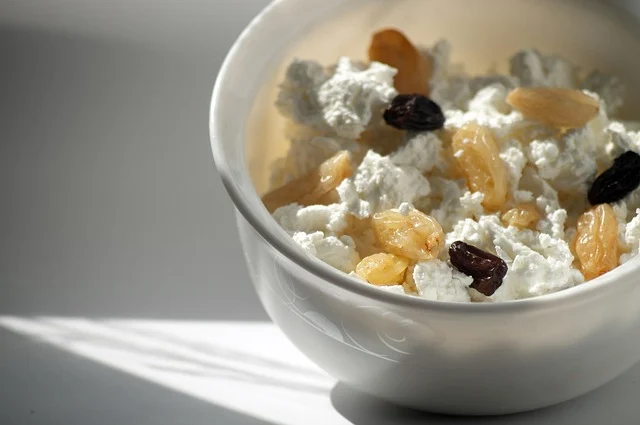
- Avoid sweet fruit preparations: Steer clear of cottage cheese tubs packaged with fruit toppings, jams, or honey. These products contain high amounts of added sugar, excess calories, and potentially toxic preservatives or fruit ingredients like raisins.
Daily portion sizes and feeding limits
Cottage cheese should be treated as an occasional supplement or food topper, not a dietary staple.
The table below outlines safe maximum daily portion limits based on dog body weight and average caloric requirements:
| Dog Size & Weight | Daily Caloric Intake (Approx.) | Maximum Cottage Cheese Portion |
|---|---|---|
| Toy / Small (under 10 kg) | 200 – 400 kcal | 1 teaspoon (approx. 5–10 g) |
| Medium (10 kg – 25 kg) | 400 – 900 kcal | 1 tablespoon (approx. 15–20 g) |
| Large (25 kg – 40 kg) | 900 – 1400 kcal | 2 tablespoons (approx. 30–40 g) |
| Extra Large (over 40 kg) | 1400+ kcal | 2 to 3 tablespoons (approx. 45–60 g) |
If you feed cottage cheese to your dog regularly, reduce their daily kibble or wet food allowance slightly. This accounts for the extra calories and prevents gradual weight gain.
Practical ways to feed cottage cheese
Cottage cheese is a versatile ingredient. Also, it can serve practical, functional roles in your dog’s daily care routine beyond being a standard treat.
Bland diet for mild stomach upset
When a dog has mild digestive upset or transient diarrhea, veterinarians often recommend a temporary bland diet. This helps rest the gastrointestinal tract. Boiled chicken breast and plain white rice are standard. Low-fat cottage cheese is an excellent alternative protein source for dogs with poultry allergies. This answers the question of whether can dogs have cottage cheese. Mix one part low-fat, low-sodium cottage cheese with two parts plain, boiled white rice. This provides a bland, highly digestible meal gentle on the stomach.
Pill and medication administration
Giving prescribed pills to a stubborn dog can be hard. Low-fat cottage cheese is soft and moldable. It easily coats a pill, hiding smell and texture. Dogs usually lap up soft cottage cheese fast. They do not chew thoroughly. Pills then slip down easily, undetected. Many wonder, “can dogs have cottage cheese for this purpose?” Yes, it works well.
Lick mats and mental enrichment
Licking releases endorphins in a dog’s brain. This calms nervous energy and reduces anxiety. Spread a tablespoon of low-fat cottage cheese on a textured silicone lick mat. You can also pack it inside a hollow rubber chew toy. This offers engaging mental enrichment. For a longer challenge, freeze the prepared mat or toy. Two hours of freezing works best. This answers the common question, “can dogs have cottage cheese?”
Food topper for picky eaters
If your dog occasionally loses interest in dry kibble, stirring in a small spoonful of low-fat cottage cheese can enhance flavor and moisture. Mixing it thoroughly with dry food coats the kibble pieces. This topic, “can dogs have cottage cheese,” encourages reluctant or senior dogs to complete their meals.
Which dogs should NOT have cottage cheese?
Despite its nutritional advantages, cottage cheese is unsafe for dogs with specific health conditions. Do not feed cottage cheese to dogs in the following categories:

- Dogs with chronic kidney disease (CKD): Cottage cheese contains significant levels of phosphorus and sodium. Impaired renal function prevents dogs from efficiently excreting excess phosphorus, which leads to secondary hyperparathyroidism and accelerated kidney damage.
- Dogs with a history of pancreatitis: Dogs that have experienced acute or chronic pancreatic inflammation require strict dietary fat restriction. Even low-fat dairy items can trigger a dangerous flare-up in high-risk individuals.
- Dogs with verified dairy protein allergies: True food allergies in dogs are triggered by immune reactions to specific proteins, such as casein and whey, rather than dairy sugars. Ingesting cottage cheese will trigger allergic responses such as skin inflammation, intense itching, chronic ear infections, or vomiting.
- Dogs on strict elimination diet trials: If your veterinarian has placed your dog on a strict hydrolyzed or novel protein elimination diet to identify food allergies, adding cottage cheese will compromise the diagnostic test results.
Comparing cottage cheese to other dairy options
If you are deciding which dairy topper best suits your dog’s daily routine, comparing cottage cheese against common alternatives helps clarify the trade-offs.

| Dairy Product | Lactose Level | Fat Level | Sodium Level | Primary Benefit |
|---|---|---|---|---|
| Low-Fat Cottage Cheese | Low (approx. 2.7g/100g) | Low (1% – 2%) | Moderate-High | High protein, gentle on lean blands |
| Plain Greek Yogurt | Very Low | Low-Moderate | Low | High active probiotics, bone calcium |
| Plain Unsweetened Kefir | Very Low | Low-Moderate | Low | Superior bacterial diversity for gut microbiome |
| Cheddar Cheese | Very Low | High (30%+) | High | High-value reward for training precision |
Plain Greek yogurt and unsweetened kefir are often preferable choices for daily gut health support. They contain higher concentrations of live probiotic cultures and less sodium. However, low-fat cottage cheese remains superior when you need a gentle, lean protein base for medication delivery or an allergy-safe bland diet component.
How to safely introduce cottage cheese to your dog
Whenever you introduce a new food into your dog’s diet, proceed carefully to prevent digestive disruption or detect potential intolerances early.
- Select the correct product: Choose plain, unseasoned, 0% or 1% low-fat cottage cheese with no added salt or artificial ingredients.
- Start with a micro-portion: Offer a small test amount—half a teaspoon for small dogs or one teaspoon for medium to large dogs.
- Monitor for 24 to 48 hours: Observe your dog closely for signs of gastrointestinal distress or allergic reaction. For example, watch for loose stools, vomiting, excessive gas, abdominal discomfort, skin redness, or sudden itching.
- Gradually increase to standard portions: If your dog shows no adverse symptoms after two days, you can slowly scale up to the recommended portion size for their weight class over the course of a week.
Related guides
- Can Chickens Have Grapes? Safety, Benefits & Risks
- Kefir Milk for Dogs: Benefits, Risks & Safe Use
- Can Dogs Have Apples? Safety Rules & Preparation Tips
Sources: List of cheeses
Frequently asked questions
Can cottage cheese help a dog with an upset stomach?
Yes, low-fat cottage cheese is a lean protein. It pairs well with plain boiled white rice for dogs. This helps with mild gastrointestinal upset. Ensure it is low-fat and unsalted. Consult your veterinarian if symptoms persist. This advice answers the question of whether can dogs have cottage cheese. Seek help if symptoms last beyond 24 hours.
Can puppies eat cottage cheese?
Weaned puppies can consume small quantities of low-fat, low-sodium cottage cheese as an occasional treat. However, because puppies require precise calcium-to-phosphorus ratios for healthy skeletal growth, cottage cheese should never replace any portion of a balanced puppy diet.
Is low-fat cottage cheese better for dogs than full-fat?
Yes, low-fat or fat-free cottage cheese is significantly safer for dogs than full-fat options. Lowering the fat content reduces the risk of acute pancreatitis, prevents excess calorie consumption, and is easier on the canine digestive system.
What happens if a dog eats too much cottage cheese?
If a dog consumes a large quantity of cottage cheese, they will likely experience temporary gastrointestinal distress, including acute diarrhea, excessive flatulence, abdominal pain, and potential vomiting. So, severe cases involving full-fat varieties may trigger pancreatitis, requiring veterinary intervention.