For instance, a cat that feels safe and comfortable will adopt a very different sitting position compared to one that is anxious or experiencing pain. An upright sitting position often indicates a cat’s alertness and engagement with its surroundings. This article details common postures like the ‘loaf’ or ‘sphinx’ and what they typically signify, including when a specific position might indicate a health problem.
Decoding Your Cat’s Sitting Positions
Understanding a cat’s sitting positions is important for deciphering their emotional state, comfort level, and even potential health issues. These postures are a primary form of feline communication, subtly indicating what your cat is feeling at any given moment.
As a pet owner, paying close attention to these signals can significantly strengthen the bond you share with your cat. You can respond appropriately to their needs and ensure their well-being. A cat’s body language, including how they choose to sit, provides a continuous stream of information about their inner world.
Why Understanding Cat Sitting Positions Matters
You must understand cat sitting positions. They serve as a direct window into your cat’s current mental and physical state. Cats use body language, including how they sit, as a key part of feline communication. They subtly indicate what they are feeling, according to current feline behaviour insights.
Unlike dogs, cats often communicate through nuanced physical cues rather than overt vocalization. You must recognize a relaxed posture versus one indicating stress or discomfort. This can be vital for their care. For instance, a cat that feels safe and comfortable will adopt a very different sitting position compared to one that is anxious or experiencing pain. You can interpret these signals. You can identify when your cat is content, wants to play, needs space, or requires veterinary attention. This prevents misunderstandings and fosters a more harmonious environment.
Common Cat Sitting Positions and Their Meanings
Cats exhibit a range of sitting positions. Each conveys a specific message about their mood and comfort. Here, we will detail the most common postures and what they typically signify. This helps an owner to interpret their feline friend’s unspoken language.
The Loaf Position: Contentment and Moderate Relaxation
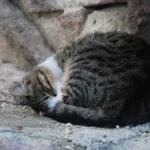
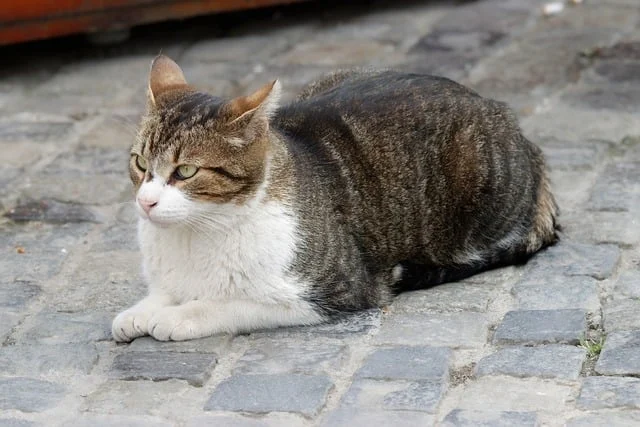
The “loaf” position, where a cat tucks all four paws neatly underneath its body, generally signifies contentment, moderate relaxation, and feeling safe and comfortable in its environment. When a cat is in a loaf, it is relaxed but still able to move quickly if a threat arises. They usually do not enter deep sleep. This position suggests a sense of security without complete vulnerability. It indicates they are comfortable enough to rest but remain somewhat aware of their surroundings. You often observe this position when a cat is settled on a favourite chair or sunny spot, observing the room around them.
Upright or Standard Sitting: Alertness and Confidence
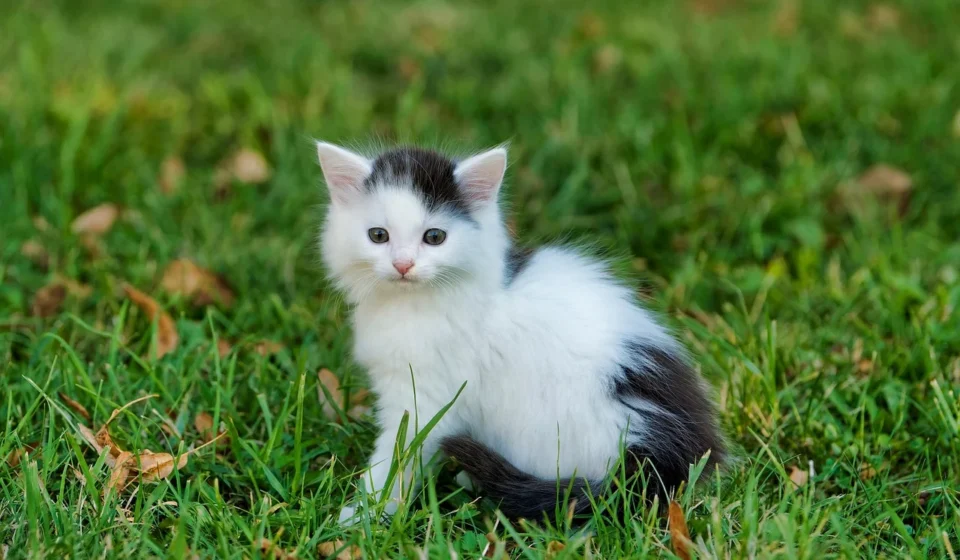
When a cat sits upright with its front legs outstretched, this standard sitting posture can suggest a curious and confident nature, alertness, or engagement with its environment. It also shows a deep relaxation without the need for a defensive posture. In this position, the cat has a good view of its surroundings. It can easily react to stimuli, whether it’s a passing bird or an approaching owner. If their ears are pointed forward and eyes are open, it indicates active observation and interest. You observe this common position when cats are watching something intently, like birds outside a window or a toy being dangled.
Sitting Like a Human: Deep Trust and Vulnerability
A cat sitting like a human, with an upright posture and legs stretched out, is often a sign of deep relaxation, solid trust, or comfort. This position is particularly telling because it exposes their stomach. This is one of their most vulnerable areas, making quick action difficult. Therefore, a cat adopting this posture may feel safe. [catster.com] It trusts its environment completely, with no perceived threat. It’s a clear signal that they are at ease in an owner’s presence and their surroundings. This is considered one of the highest compliments a cat can pay, demonstrating their absolute security and comfort.
The Tail-Wrapped Sit: Composure or Alertness
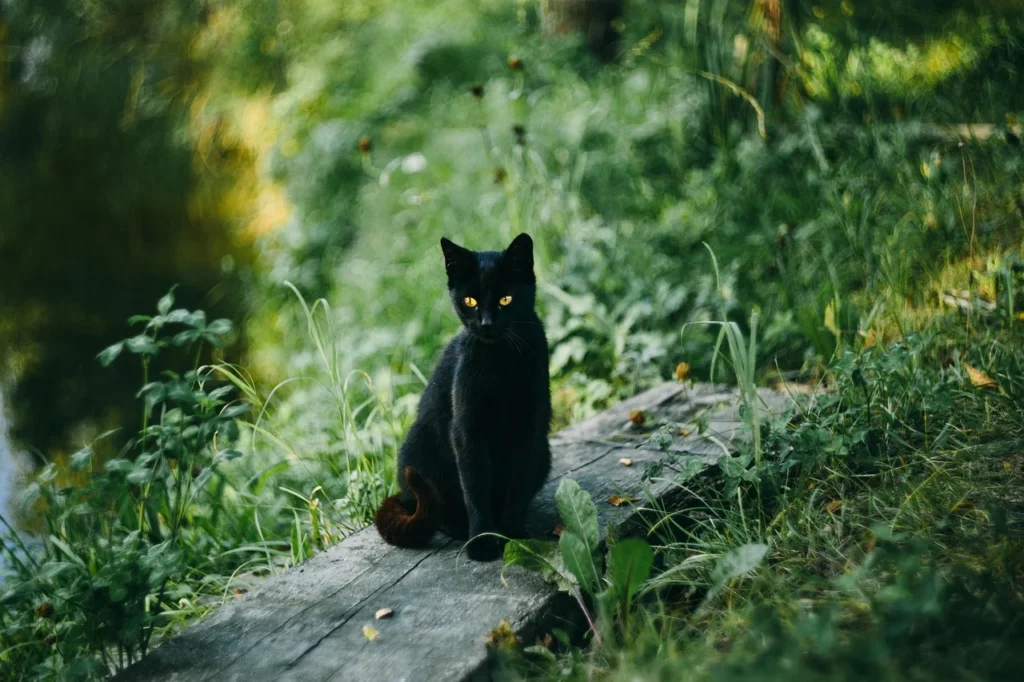
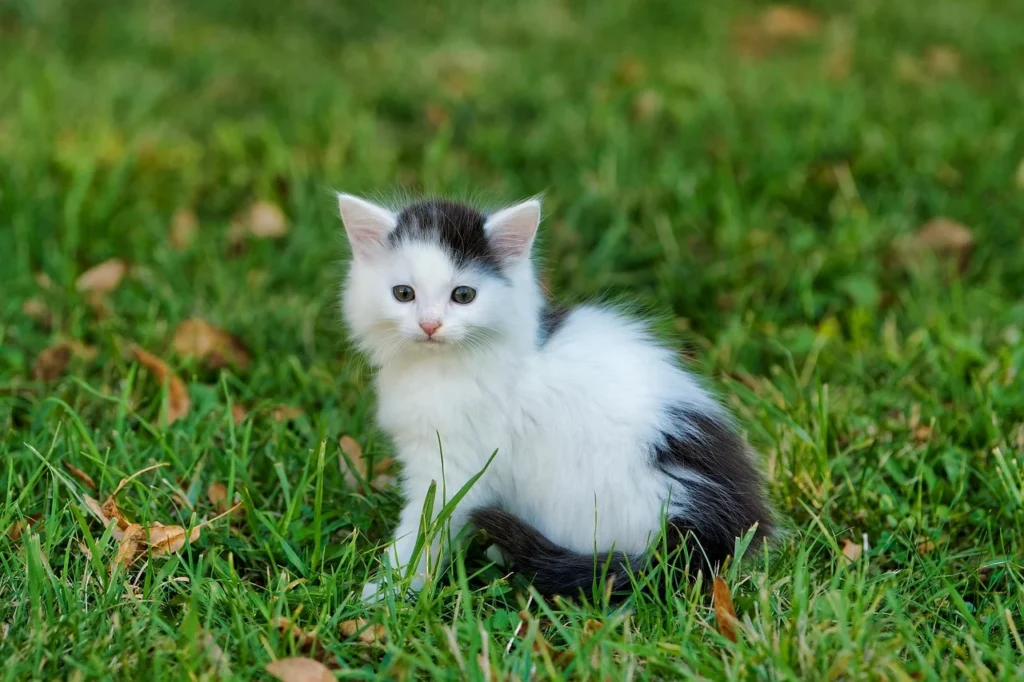
A “tail-wrapped sit,” where the cat sits upright with its tail neatly wrapped around its front paws, indicates contentment and composure. This position can also be a way for them to regulate temperature, keeping themselves warm. However, it can also signify alertness or slight irritation, depending on the context and other body language cues. If the tail is held tightly and close to the body, it might suggest a more reserved or observant mood. If it’s looser, it’s more likely relaxed contentment. You pay attention to the overall tension in their body to distinguish between these nuances.
The Sphinx Position: Ready for Action
Similar to a dog lying down with front legs stretched out, the “Sphinx” position suggests a slight sense of alertness. It allows for easier movement compared to the loaf pose. In this posture, a cat is resting but remains poised. It is ready to spring into action if needed. Their front paws are often extended, making it easy to push off and move quickly. This is a common resting position when a cat is not in a deep sleep. It is still monitoring its environment, perhaps napping lightly while keeping an ‘ear out’ for sounds.
Exposing the Belly: Ultimate Trust, Not Always an Invitation
When a cat exposes its belly by stretching out fully or lying belly-up, it may feel safe. [petmd.com] It trusts its environment completely, with no perceived threat. This is a highly vulnerable position, showcasing extreme confidence and relaxation. However, a common misconception is that a cat exposing its belly is an invitation for a belly rub. While it is primarily an emotional signal of trust, most cats may react defensively if their belly is touched. We always advise caution. Admire the trust, but respect their boundaries unless you know your cat specifically enjoys belly rubs. It’s an honor, not an open invitation.
Crouching or Hunch: Anxiety, Fear, or Pain
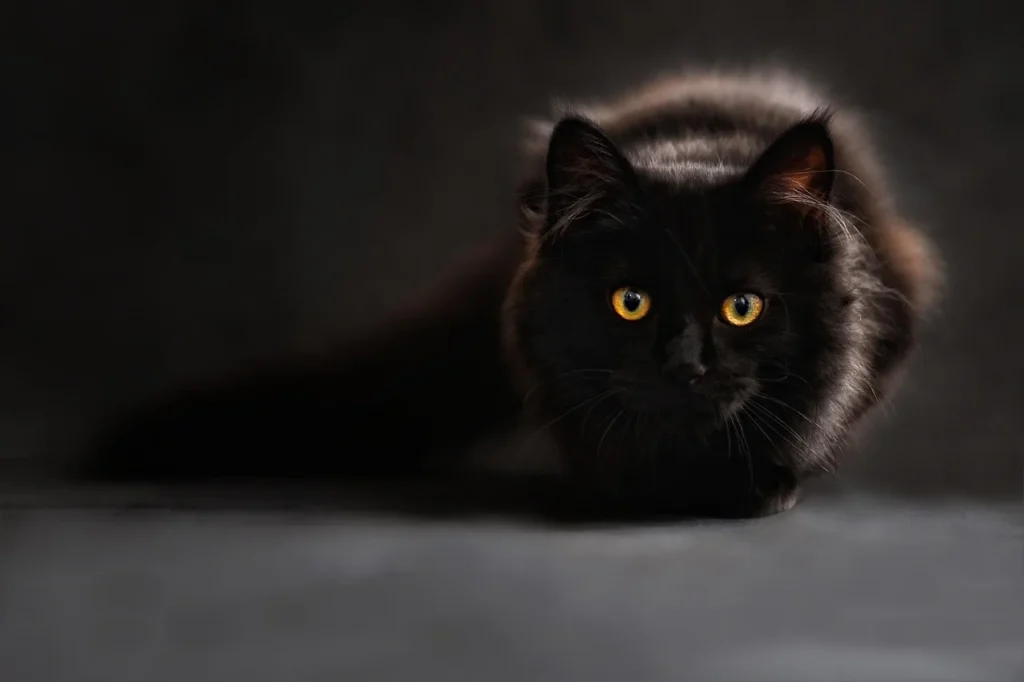
A crouching stance or “hunch,” where a cat stays low to the ground with its belly hidden, often indicates defensiveness, anxiety, fear, or pain. A sustained hunched posture is a primary visual indicator of physical discomfort or pain. In this position, the cat attempts to make itself appear smaller. It protects its vital organs, ready to bolt or defend itself. If you observe your cat in a prolonged hunch, especially if accompanied by other signs like dilated pupils, flattened ears, or withdrawal, we strongly recommend assessing their environment for stressors. You should consult a vet for potential health issues.
Do Cat Sitting Positions Differ by Gender?
The meanings behind cat sitting positions typically do not differ significantly between male and female cats. The core interpretations of comfort, alertness, trust, or distress remain consistent regardless of gender. What influences a cat’s preferred sitting positions more are individual personality, comfort level, health status, and the specific environment.
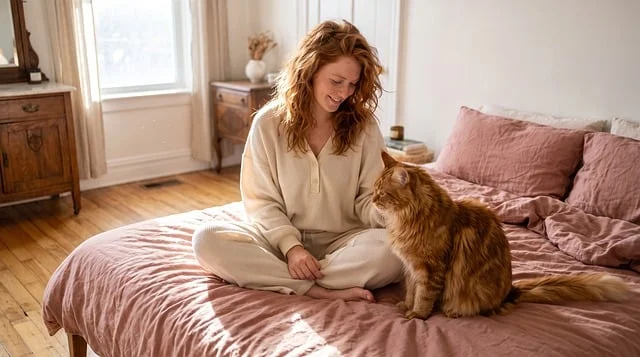
While some owners might observe their male or female cats having favourite postures, these are generally attributable to individual quirks rather than gender-specific communication. For example, a particularly trusting cat, male or female, is more likely to expose its belly. Similarly, a shy or anxious cat, regardless of gender, might adopt more defensive postures like a crouch. Therefore, when you interpret a cat’s posture, focus on the universal feline behavioral cues. Do not look for gender-specific differences.
When Sitting Positions May Indicate Health Problems
A cat’s sitting position can be a critical indicator of underlying health problems. This is especially true if there’s a sudden or unusual change in their posture. If a cat’s posture looks strange, has suddenly changed, or they are hesitant to sit in their usual ways, you must seek prompt veterinary input.
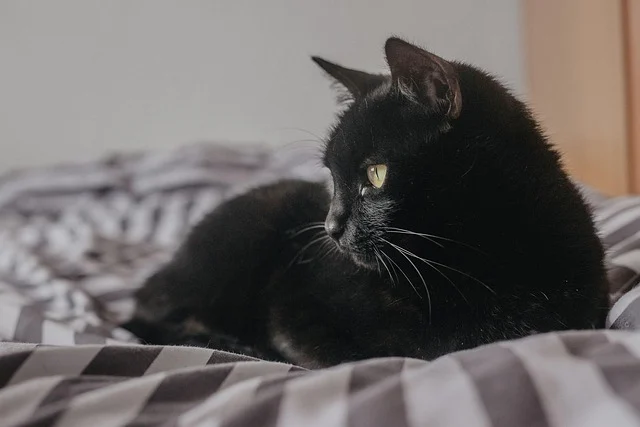
For instance, a sustained hunched posture is a primary visual indicator of physical discomfort or pain. Cats are experts at hiding illness, so you should take any deviation from their typical relaxed positions seriously. Conditions like arthritis, injuries, abdominal pain, or even systemic illnesses such as diabetes can manifest through changes in how a cat sits or moves. Observing a reluctance to lie down, an inability to get comfortable, or a persistent tucked-in position (beyond a relaxed loaf) warrants professional attention. We always advise owners to trust their instincts. If something seems ‘off’ with your cat’s posture, a vet check is the safest course of action.
Frequently asked questions
What does a cat’s sitting position mean?
A cat’s sitting position is a form of non-verbal communication. It conveys its current emotional state, comfort level, and physical well-being. Different postures, such as the ‘loaf,’ upright sit, or a belly-up display, indicate varying degrees of relaxation, alertness, trust, or potential distress.
What does it mean if a cat just sits and stares at you?
If a cat just sits and stares at an owner, it typically indicates alertness and engagement. They might be observing. They might be trying to communicate a desire (like for food or attention). Or they might simply be feeling curious and secure enough to maintain eye contact. We interpret this as a sign of their awareness and interest in an owner’s presence.
What does it mean if a cat is sitting hunched over?
A cat sitting hunched over, low to the ground with its belly hidden, often indicates feelings of defensiveness, anxiety, fear, or pain. This posture is a protective mechanism, and if sustained, it is a primary visual indicator of physical discomfort or a need for security, warranting careful observation or veterinary consultation.
Sources