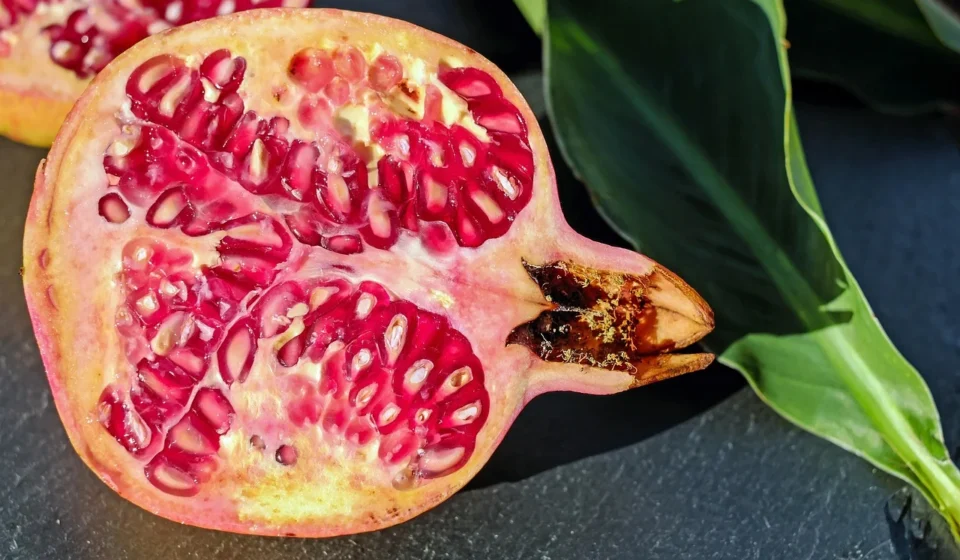
The main concerns with fresh pomegranate include vomiting, diarrhoea, and the risk of choking or intestinal blockage. This is especially true from the seeds, rind, or stem. However, commercially available dog products containing pomegranate extract safely provide the fruit’s beneficial nutrients, such as antioxidants, vitamin C, fibre, and potassium.
This article explains why fresh pomegranate is risky for dogs, what to do if your dog eats it, and how to safely offer the fruit’s benefits through specially formulated products.
Can Dogs Eat Pomegranate? The Verdict
While pomegranates are not inherently toxic to dogs, offering the fresh fruit can lead to significant digestive upset. It can also cause potential intestinal obstruction due to its tough seeds and rind. For these reasons, we generally advise against feeding fresh pomegranate to your dog. Instead, consider commercially available dog products that contain pomegranate extract. These products are formulated to provide the fruit’s beneficial nutrients safely.
Are Pomegranates Toxic to Dogs?
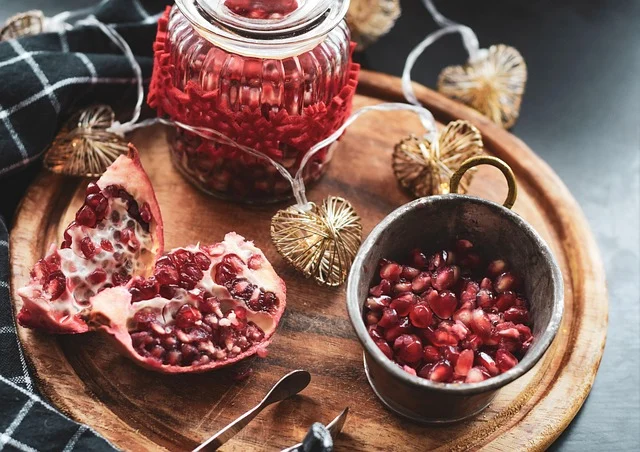
No, pomegranates themselves are not toxic to dogs, which is an important distinction to make. The fruit, scientifically known as Punica gradatim, does not contain compounds that are poisonous to canines in the way that, for example, grapes or chocolate are. This means that if your dog accidentally eats a small amount of the edible arils, it is unlikely to be a life-threatening emergency from a toxicity standpoint.
However, the lack of toxicity does not equate to safety for consumption. The primary concerns with fresh pomegranate lie in its physical characteristics and potential for causing gastrointestinal distress. These issues, while not directly toxic, can still lead to serious health problems for your pet.
Why Can’t Dogs Eat Pomegranate Without Risk?
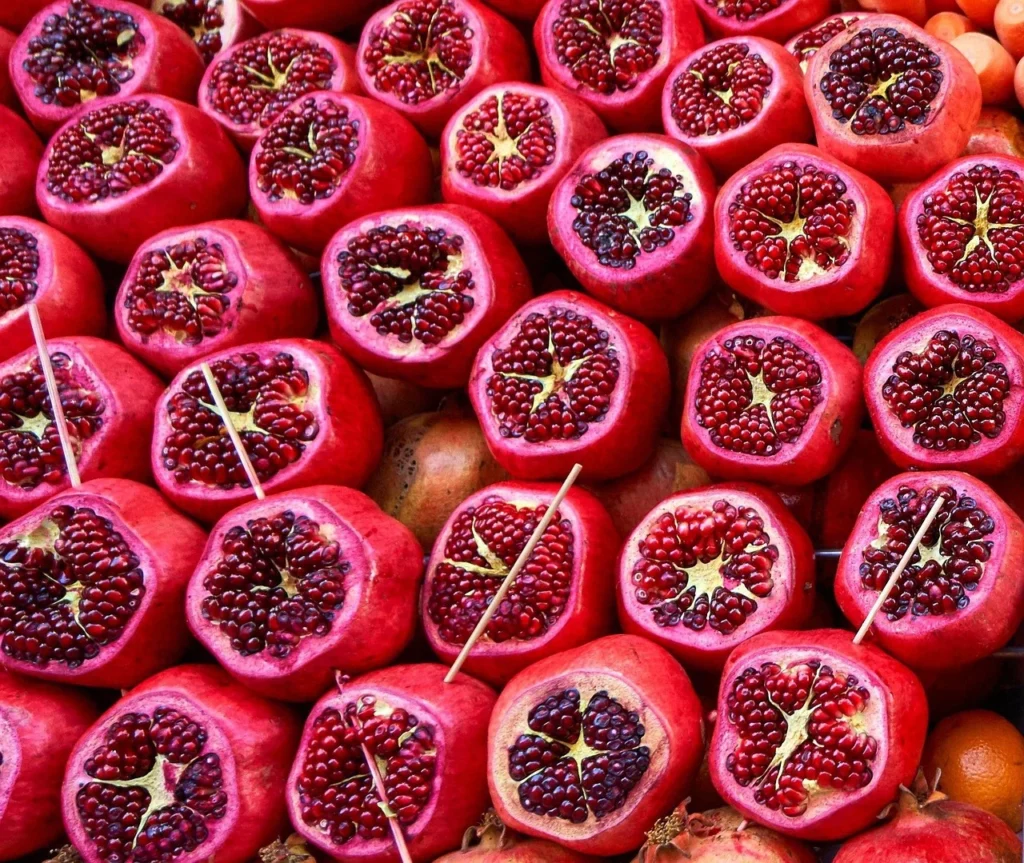
The main reasons we advise against feeding fresh pomegranate to dogs stem from the fruit’s structure, which presents both digestive challenges and potential physical hazards. These issues can range from mild discomfort to more severe medical emergencies, making it a risky choice for a treat.
Digestive Upset from Fresh Pomegranate
The most common problem dogs face after eating fresh pomegranate is digestive upset, which can manifest as vomiting and diarrhoea. This is largely due to the fruit’s fibrous nature and the presence of certain compounds that can irritate a dog’s digestive system. The tough rind, the white pithy membrane, and even the seeds themselves are difficult for a dog’s stomach to break down efficiently. Unlike humans, dogs do not typically chew their food as thoroughly, often swallowing pieces whole, which exacerbates these issues.
Can Dogs Eat Pomegranate Seeds? The Obstruction Risk
The seeds, or arils, within a pomegranate are a particular concern. While they contain the juicy red pulp, the small, hard seeds can be problematic for a dog’s digestive tract. If a dog consumes many seeds, they can be difficult to break down and may lead to gastrointestinal problems. In rarer, more severe cases, especially in smaller dogs, a significant quantity of seeds could potentially cause an intestinal obstruction, requiring veterinary intervention. This is why you will often see advice specifically warning against pomegranate seeds.
The Dangers of Pomegranate Rind and Stem
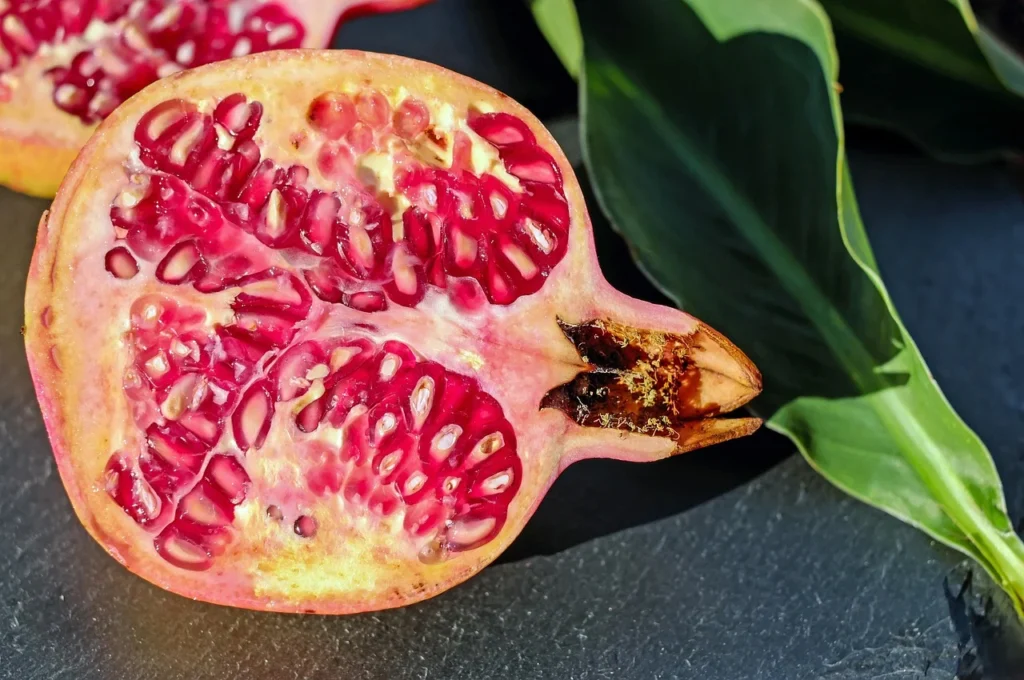
The rind (peel) and stem of a pomegranate are an absolute “no-go” for dogs. These parts are exceptionally tough, fibrous, and indigestible. If your dog ingests them, they are highly likely to cause severe digestive upset, including vomiting and diarrhoea. They also pose a significant risk of intestinal obstruction. The rough texture and hard nature of the rind mean it can also be a choking hazard, particularly for smaller breeds or dogs that tend to gulp their food. We strongly advise ensuring your dog never has access to these parts of the fruit.
Choking Hazard for All Dogs
Beyond digestive issues and obstruction, any part of the pomegranate can pose a choking hazard for dogs. This is particularly true for the seeds or pieces of rind. This risk is amplified in smaller breeds, puppies, or dogs that eat quickly without proper chewing. Even the edible arils, if given in a large clump, could be problematic. This is a important safety consideration. People often overlook it when discussing the fruit’s non-toxicity.
What to Do if Your Dog Eats Pomegranate
If your dog has eaten fresh pomegranate, especially the rind, stem, or a large quantity of seeds, we recommend monitoring them closely for any signs of distress. While it’s not a toxic emergency, being prepared to act is important.
-
- Assess the Amount and Part Eaten: Try to determine how much pomegranate your dog consumed and which parts (arils, seeds, rind, stem). A few arils are less concerning than a significant portion of the rind.
- Observe for Symptoms: Watch for signs of digestive upset such as vomiting, diarrhoea, lethargy, abdominal pain (e.g., hunched posture, sensitivity to touch), or a decrease in appetite. These symptoms typically appear within a few hours.
- Contact Your Veterinarian: If your dog has eaten a large amount of pomegranate, particularly the rind or many seeds, or if you observe any concerning symptoms, contact your vet immediately. They can provide specific advice based on your dog’s size, breed, and the amount consumed. Do not induce vomiting unless specifically instructed by a vet, as it can sometimes cause more harm.
- Provide Fresh Water: Ensure your dog has access to plenty of fresh water to prevent dehydration, especially if they are experiencing vomiting or diarrhoea.
Early intervention can prevent more serious complications, so never hesitate to seek professional veterinary advice if you are concerned.

Are There Any Benefits of Pomegranate for Dogs?
Despite the risks associated with feeding fresh pomegranate, the fruit’s edible arils do contain beneficial nutrients, including antioxidants, vitamin C, fibre, and potassium. These components are valuable for overall health. They support immunity, digestion, and cellular function in dogs, just as they do in humans.
However, the key is how you deliver these benefits. The risks of digestive upset and obstruction from fresh fruit outweigh the direct benefits for most dogs. This is where commercially available dog treats or foods come into play.
The Role of Pomegranate Extracts in Dog Food
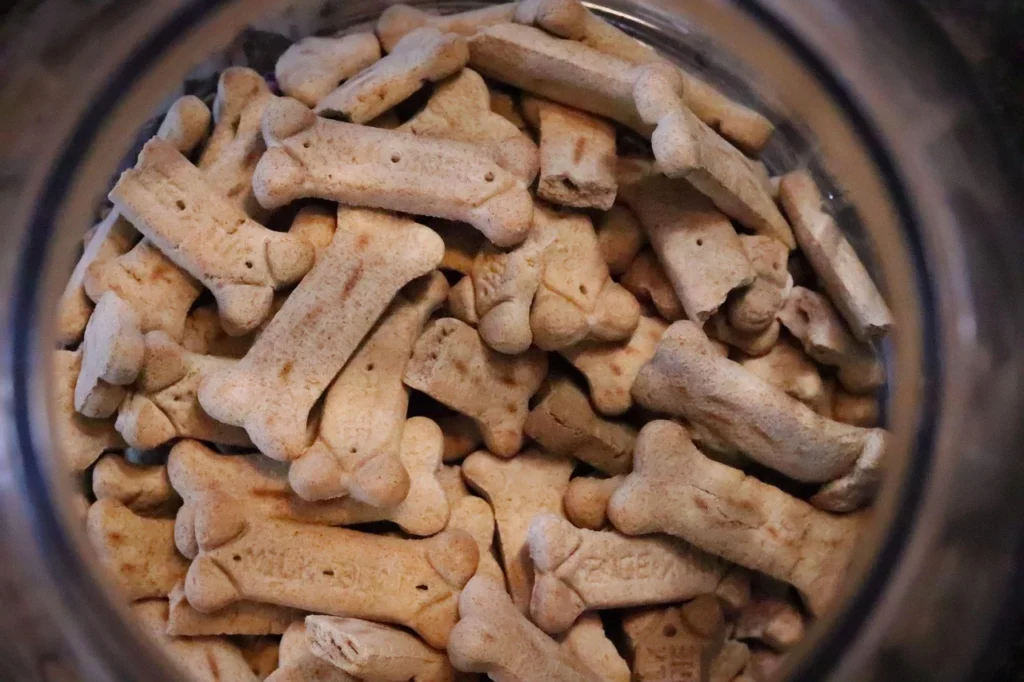
Many reputable pet food manufacturers incorporate pomegranate extract into their formulations. These products provide the nutritional benefits of pomegranate without the associated risks of the fresh fruit. Manufacturers process the extracts to remove problematic components like tough seeds and rind. They concentrate the beneficial antioxidants and vitamins into a safe, digestible form. When considering the best way for a dog to benefit from pomegranate, we always recommend these specially formulated products.
Can Dogs Have Pomegranate Juice?
We strongly advise against giving pomegranate juice to your dog. While it might seem like a way to offer the fruit’s benefits without the seeds or rind, pomegranate juice typically comes with its own set of significant risks that make it unsuitable for canine consumption.

Firstly, pomegranate juice is often very high in sugar. Dogs do not need the added sugar in their diet. Excessive sugar intake can lead to weight gain, dental problems, and contribute to conditions like diabetes. Secondly, many commercially prepared juices contain added ingredients, some of which can be highly toxic to dogs. Xylitol, an artificial sweetener commonly found in sugar-free products, is extremely dangerous for dogs, even in small amounts. It causes a rapid drop in blood sugar and potential liver failure.
What About Other Pomegranate Products for Dogs?
Beyond fresh fruit and juice, you might encounter other pomegranate-containing products. It’s important to exercise caution and read labels carefully before offering any to your dog.
Pomegranate Popsicles, Yogurt, and Human Snacks
Human-grade foods like pomegranate popsicles, yogurts, or other snacks are generally not suitable for dogs. These products often contain high levels of sugar, artificial sweeteners (like xylitol), artificial colours, and other ingredients that can be harmful or simply unhealthy for your pet. For instance, pomegranate yogurt might contain dairy, which can cause digestive upset in lactose-intolerant dogs, alongside the sugar and potential artificial additives. We always recommend sticking to dog-specific treats and foods.
How Much Pomegranate Can I Give My Dog?
Given the risks, you should avoid fresh pomegranate entirely. However, if owners are absolutely determined to offer a tiny amount of the edible arils, they must do it with extreme caution and moderation. Owners should limit this to no more than a few individual arils (2-3) for a medium to large dog. Give even fewer, or none at all, to smaller breeds. Offer this only as an occasional, rare treat. You must completely remove the rind, white membrane, and any broken seed pieces.

Even with this minimal amount, you should observe your dog closely for any adverse reactions. If your dog shows any signs of discomfort, stop immediately. The safest approach remains to choose dog-specific products with pomegranate extract. Manufacturers formulate these for canine consumption without the associated hazards.
Safer Fruit Alternatives for Your Dog
If you’re looking to share fruit with your dog, there are many safer and equally beneficial alternatives that don’t carry the same risks as pomegranate. You can offer these fruits in moderation as healthy treats:
-
-
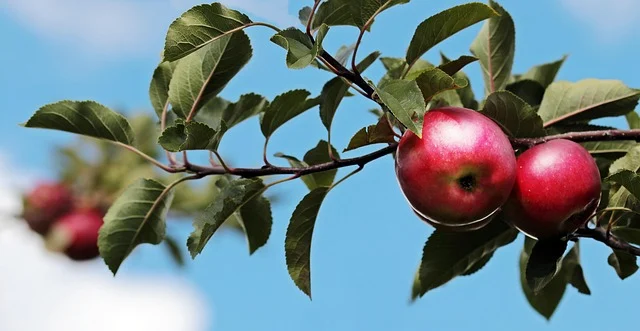
- Apples: Remove the core and seeds (which contain cyanide) and slice them into small pieces. Apples are a good source of fibre and vitamins.
- Blueberries: These small berries are packed with antioxidants and are a great treat for dogs.
- Bananas: Offer in small, peeled pieces. They are high in potassium but also sugar, so moderation is key.
- Watermelon: Ensure you remove all seeds and rind. Watermelon is hydrating and refreshing, especially in hot weather.
- Strawberries: These are a good source of vitamin C and fibre. Cut them into small pieces.
- Cantaloupe: Remove the rind and seeds. It’s a good source of vitamins A and C.
-
Always introduce new fruits slowly and in small quantities to see how your dog reacts. Ensure you prepare them safely by removing any pits, seeds, or tough rinds.
Final Thoughts on Pomegranate and Dogs
While fresh pomegranate isn’t toxic to dogs, the potential for digestive upset, choking, and intestinal obstruction from the seeds and rind makes it an unsuitable treat. The recommendation is to err on the side of caution and avoid offering fresh pomegranate to canine companions. If owners wish for their dog to benefit from the antioxidants found in pomegranate, commercially prepared dog foods and treats that contain pomegranate extract are a much safer and more responsible choice. Always prioritize a dog’s safety and consult a veterinarian if there are any concerns about their diet.
Frequently asked questions
Are pomegranate seeds ok for dogs to eat?
Do not give pomegranate seeds to dogs. While they are not toxic, dogs find them difficult to digest. They can cause gastrointestinal upset or, in rare cases, lead to an intestinal obstruction, especially if your dog consumes large quantities.
What animals can’t eat pomegranates?
While pomegranates are not toxic to many animals, their fibrous rind and hard seeds can cause digestive issues or choking hazards for pets like dogs and some small mammals. Cats generally show little interest, but the same digestive concerns apply if they were to eat it.
What fruit can dogs not eat?
Dogs should not eat grapes or raisins, as these are highly toxic and can cause kidney failure. Other fruits to avoid include cherries (pits contain cyanide), avocado (persin can be toxic to some animals), and citrus fruits in large quantities due to their acidity.