
ly different housing and predator protection.
What Exactly Are Miniature Chickens?
The term “miniature chicken” most commonly refers to bantam breeds. These chickens are significantly smaller than standard breeds, typically weighing less than 2 pounds (approximately 0.9 kg) for females and slightly more for males, though this varies by specific breed. They are not genetically engineered dwarfs but rather naturally occurring smaller varieties. Some bantams are simply miniature versions of larger, well-known breeds, such as the Cochin Bantam or the Wyandotte Bantam. These are known as “derivative bantams.” However, there are also “true bantams” – breeds that have no standard-sized counterpart. Sebrights and Japanese Bantams are prime examples of true bantams. Their existence is a testament to centuries of selective breeding by poultry enthusiasts. Understanding this distinction is key when selecting a breed, as it can influence their temperament and specific needs.

Why Choose Miniature Chickens for Your Flock?
The appeal of miniature chickens is complex. For those with limited space, such as in urban or suburban settings, bantams are a perfect fit. Their smaller size means they require less coop space and a smaller run area compared to standard breeds. This reduced footprint doesn’t just save space; it also means lower feed costs. A smaller chicken naturally eats less, making them a more economical choice for backyard keepers as of 2026. Beyond practicality, bantams often possess endearing personalities. Many are known to be quite docile and can become very friendly and tame with regular handling, making them excellent pets, especially for families. Their ornamental value is also significant; many bantam breeds are stunningly beautiful with intricate feather patterns and vibrant colours, adding a decorative element to any garden or backyard setup. They can also be excellent broody hens, eager to sit on eggs and raise chicks, which can be a rewarding aspect for breeders.
Popular Miniature Chicken Breeds to consider
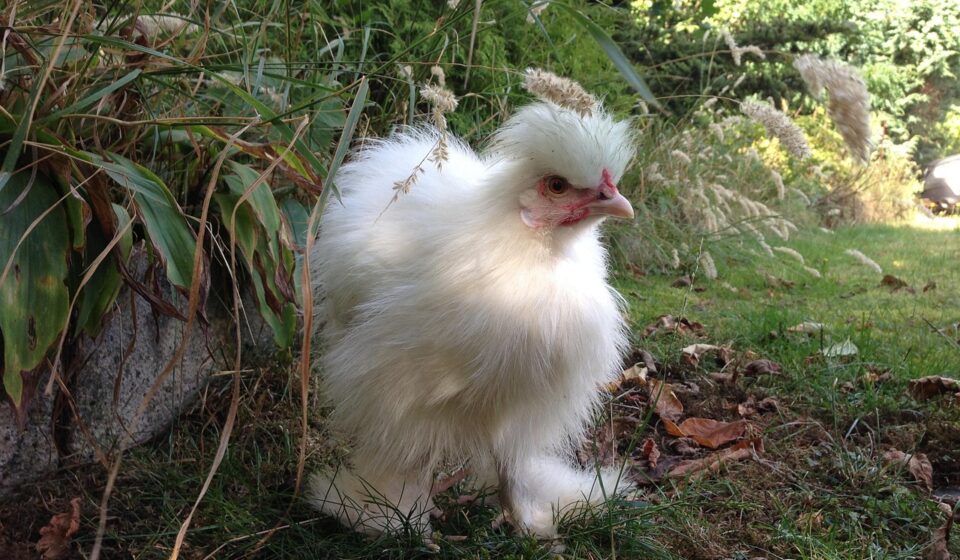
The world of bantams is rich and diverse. When selecting your miniature flock, consider breeds known for their specific traits. The Silkie Bantam is perhaps one of the most recognizable, famed for its fluffy, hair-like plumage and gentle disposition, making them exceptionally popular as pets. Their calm nature means they generally get along well with other birds. Sebright Bantams are another striking true bantam breed, known for their delicate, laced feather patterns and active, curious personalities.
Belgian d’Anvers (also known as Belgian Bantams) are true bantams with distinctive bearded and muffed faces, known for being quite hardy and good-natured. Cochin Bantams, miniature versions of the large Cochin fowl, are also true bantams and are renowned for their profuse feathering, including heavily feathered legs and feet, and their calm, docile temperaments. For those interested in egg production, while bantams typically lay smaller eggs than standard hens, some breeds are more prolific than others. However, it’s important to manage expectations; a bantam’s primary appeal is often not egg quantity but rather their charm, ornamental qualities, and suitability for smaller spaces.
Caring for Your Miniature Chickens: Housing and Feeding
Caring for miniature chickens involves many of the same principles as caring for standard breeds, but with adaptations for their size. Housing is crucial. While they need less overall space, a secure coop is essential to protect them from predators. Foxes, raccoons, and even birds of prey can pose a significant threat to smaller birds. Ensure the coop is sturdy, with no gaps large enough for predators to enter. Wire mesh with openings no larger than 1/2 inch is recommended. When it comes to feeding, bantams require a good quality chicken feed. Chicks need a starter feed with a higher protein content (around 20-24%) specifically formulated for game bantams, if available. Adult bantams can be fed a layer feed with approximately 16-18% protein. As they eat less, ensure their feeders are appropriate for their size to prevent waste. Supplementing their diet with treats like greens, insects, and safe kitchen scraps can be beneficial, but should not exceed 10% of their total diet. Fresh, clean water must always be available.

Health Considerations and Common Issues
Miniature chickens are generally hardy birds, but like all poultry, they are susceptible to certain health issues. Their smaller size can sometimes make them more vulnerable to parasites like mites and lice. Regular checks of their feathers and skin, particularly around the vent and under the wings, are recommended. Dust baths can help them manage external parasites naturally. Ensure their coop and run are kept clean to minimise the risk of internal parasites and diseases. One common issue with heavily feathered bantams, such as Silkies or Cochins, is frostbite on their combs and wattles during cold weather, or overheating in hot weather due to their dense plumage. While they are small, they are still subject to the same diseases as larger chickens. Providing a clean environment, a balanced diet, and access to fresh water are the best preventative measures. For any persistent health concerns, consulting with a veterinarian experienced with poultry is always advised.
Miniature Chickens as Pets and Ornamental Fowl
The decision to keep miniature chickens often stems from their appeal as pets and ornamental birds. Their smaller stature makes them less intimidating for children, and with gentle handling from a young age, many bantam breeds become remarkably tame and affectionate. They can be trained to perch on an arm or shoulder, or even to come when called. This level of interaction makes them a rewarding addition to a household, blurring the lines between livestock and companion animal. Their aesthetic appeal is undeniable. Breeds like the Polish Bantam, with its distinctive crest, or the Yokohama, with its elegant tail feathers, are often kept purely for their visual beauty. They can be showcased in pens or aviaries, adding a touch of exotic charm to a property. As of 2026, the trend towards keeping unique and aesthetically pleasing animals in domestic settings continues to drive the popularity of these charming fowl.
Where to Find Your Miniature Chickens
Acquiring miniature chickens requires a bit of research. Reputable hatcheries are a common source for day-old chicks. Companies like Cackle Hatchery and Murray McMurray Hatchery often have a selection of bantam breeds available for shipping. It’s important to order chicks during the appropriate season, typically spring, as hatcheries have specific shipping windows. Ordering directly from a hatchery ensures you receive chicks from healthy parent stock, though they will require brooding care until they are old enough for an outdoor coop. Alternatively, local breeders or poultry clubs can be excellent resources. Connecting with other poultry enthusiasts in your area can provide access to specific breeds or even adult birds. These connections also offer invaluable advice tailored to your local climate and conditions. When purchasing adult birds, always inspect them for signs of good health: clear eyes, active behaviour, clean vents, and smooth feathering. Purchasing from established breeders or reputable rescues can also provide peace of mind regarding the birds’ lineage and health history.
Miniature vs. Standard Chickens: A Comparative Looks
The most obvious difference is size. Standard chickens typically weigh between 4–8 pounds (1.8-3.6 kg), while bantams rarely exceed 2 pounds (0.9 kg). This size difference impacts everything from coop requirements to feed consumption and egg production. Standard breeds are generally kept for larger eggs and meat production, whereas bantams excel in ornamental qualities, companionability, and suitability for confined spaces.
| Feature | Miniature Chickens (Bantams) | Standard Chickens |
|---|---|---|
| Average Weight | Under 2 lbs (0.9 kg) | 4–8 lbs (1.8-3.6 kg) |
| Space Needs | Lower | Higher |
| Feed Consumption | Lower | Higher |
| Egg Size & Quantity | Smaller, less frequent | Larger, more frequent |
| Temperament (General) | Often docile, can be very friendly | Varies widely by breed, can be more solid |
| Broodiness | Often higher | Varies, some breeds are very broody |
| Ornamental Value | High | Moderate to High |
Frequently Asked Questions
Are miniature chickens noisy?
While bantams are generally smaller and their vocalizations may be less intense than larger breeds, they can still be quite vocal. Roosters, in particular, will crow. The pitch and volume vary by breed, but they are not necessarily silent.
Do miniature chickens lay eggs?
Yes, miniature chickens do lay eggs. However, their eggs are significantly smaller than those from standard breeds, often referred to as “bantam eggs.” The frequency of laying also tends to be less than with prolific egg-laying standard breeds.
Can miniature chickens live with standard chickens?
Yes, it’s often possible for miniature chickens and standard chickens to coexist, but careful introduction is necessary. Ensure there’s ample space, and that the bantams have safe places to retreat if they are being bullied. Their smaller size can make them targets for more dominant standard breeds.
What is the average lifespan of a miniature chicken?
With good care, miniature chickens can live for 6 to 10 years, and some may even live longer. Factors such as breed, diet, environment, and predator protection all contribute to their longevity.
Are miniature chickens good for beginners?
Many bantam breeds are excellent for beginners due to their smaller size, manageable feed requirements, and often docile temperaments. However, beginners should be aware of their specific needs regarding predator protection and appropriate housing.
What is the smallest miniature chicken breed?
The Japanese Bantam is often considered one of the smallest breeds, known for its extremely short legs and upright carriage. Other very small breeds include the Sebright and Belgian d’Anvers.
Conclusion: Embracing the Joy of Tiny Flocks
Miniature chickens, or bantams, offer a unique and rewarding experience for poultry keepers. Their compact size, charming personalities, and striking appearances make them ideal for a wide range of settings, from spacious farms to small urban backyards. As of July 2026, the demand for these little wonders continues to grow, reflecting their adaptability and appeal. By understanding their specific needs regarding housing, feeding, and protection, you can successfully integrate these delightful birds into your life and enjoy the many joys they bring. Information current as of July 2026; pricing and product details may change.


