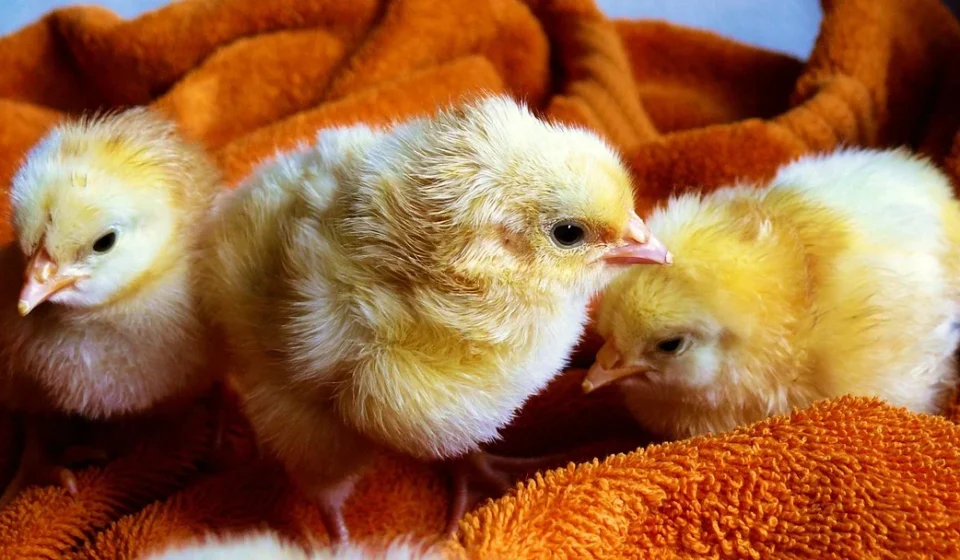
A Pekin bantam chick is a gentle, miniature true bantam chicken known for its round, fluffy body, heavily feathered feet, and calm, friendly temperament. Raising one requires a warm brooder starting at 32–35°C (90–95°F), fine-crumble starter feed, and a dry, clean environment to protect its foot feathers from mud and infections.
With their soft plumage, low-slung spherical shape, and outgoing personality, Pekin bantam chicks grow into delightful backyard companions. However, their heavily feathered legs demand specific husbandry practices compared to standard, clean-legged chicken breeds.
What makes a Pekin bantam chick unique?
The Pekin bantam originates from China, where prized small chickens were cultivated for centuries before being imported to Britain and wider Europe in the mid-19th century. Although often confused with standard Cochins due to their shared ball-like body and heavily feathered feet, the Pekin, even as a tiny pekin bantam chick, is recognized as a distinct true bantam breed. A true bantam has no large fowl equivalent; it exists naturally only in a miniature format.
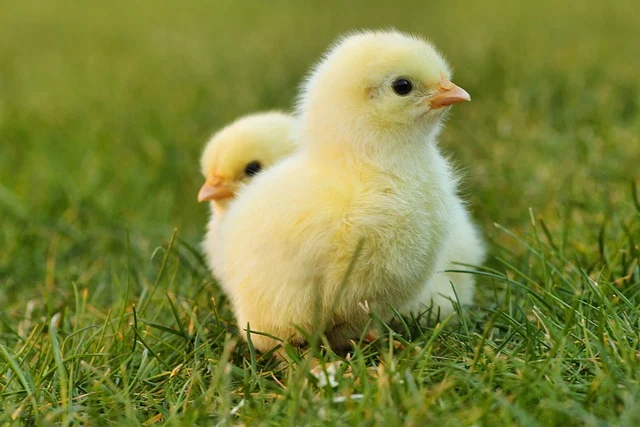
Adult Pekin hens weigh between 500 and 600 grams, while roosters reach 600 to 700 grams. Their physique features a forward-tilted carriage, a broad chest, a cushion tail, and dense feathers. These feathers extend all the way down their shanks and middle and outer toes. Pekins come in a wide range of standard plumage colors, including Black, White, Lavender, Buff, Partridge, Cuckoo, Silver Laced, Mottled, and Porcelain.
In terms of personality, Pekin bantam chicks are notably docile, trusting, and easy to hand-tame. They rarely show aggression and are less flighty than lean bantam breeds like Old English Game bantams. This makes them well-suited for families with young children or small residential gardens. However, they are not suited for muddy or unpaved runs, wet climates without covered housing, or keepers whose primary goal is a high daily output of large eggs.
How do you prepare a brooder for Pekin bantam chicks?
Because Pekin bantam chicks are small and lightweight, they lose body heat quickly. Preparing a clean, draft-free brooder before your chicks arrive is vital for their survival during the first six weeks.
Maintain a strict temperature reduction schedule in the brooder:
- Week 1: 32–35°C (90–95°F) directly under the heat source.
- Week 2: 29–32°C (85–90°F).
- Week 3: 26–29°C (80–85°F).
- Week 4: 23–26°C (75–80°F).
- Week 5: 20–23°C (70–75°F).
- Week 6 onwards: Ambient room temperature, provided the chicks are fully feathered.
Radiant heat plates are generally safer and more energy-efficient than traditional heat lamps. They also help chicks establish natural day and night sleep patterns. Position the heat source at one end of the brooder container. This way, chicks can move to a cooler area if they get warm.
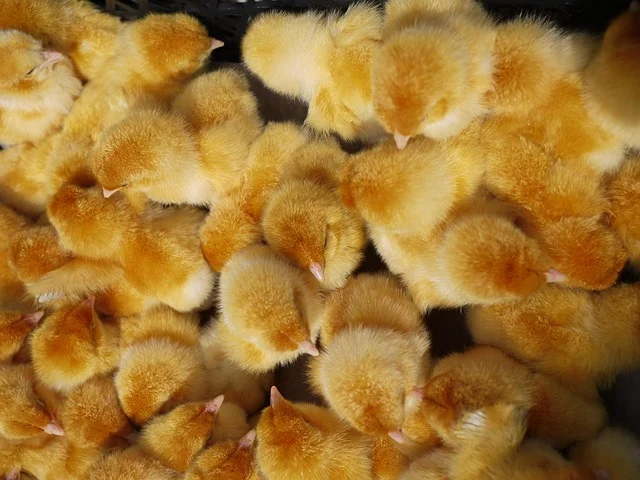
For bedding, line the brooder floor with absorbent pine shavings or textured paper towels for the first three days. Avoid cedar shavings completely, as the volatile oils in cedar cause respiratory damage in birds. Clean the brooder daily. Pekin bantam chicks develop foot feathers early. Allowing them to stand on damp or manure-soiled bedding leads to early foot rot and clogged feather shafts. For surface-material comparisons, see What Did Your Turtle Eat? A Guide to Safe Feeding on brooder setups.
What should you feed a Pekin bantam chick?
Proper nutrition ensures steady bone growth and dense feather development without forcing rapid weight gain on small frame bones.
Feed your Pekins according to three developmental phases:
- Chick Starter (Weeks 0–6): Provide an 18–20% crude protein chick starter. Choose a fine crumble rather than pellets. Standard commercial crumbles are sometimes too large for miniature Pekin beaks. Grinding the crumble slightly smaller during week one helps chicks eat comfortably.
- Chick Grower (Weeks 6–18): Transition to a 15–16% protein grower mash or small crumble. This balanced diet supports gradual organ and feather development without pushing young pullets into laying too early.
- Layer Ration (Week 18+): Switch to a 16% protein layer feed containing 3.5–4.0% calcium once laying begins. Never offer layer feed to young chicks, as excessive calcium causes kidney damage in growing birds.
Pekin chicks require access to clean, shallow water continuously. Use a dedicated chick drinker with a narrow water channel. Alternatively, place clean glass marbles in the saucer ring to stop tiny chicks from falling in and drowning. Medicated starter feed containing amprolium can be used if your chicks are exposed to soil or housing where coccidiosis parasites are present.
Always provide insoluble chick grit in a small separate dish whenever offering anything other than commercial starter feed. This allows the chicks to grind down solid food in their gizzards.
What coops and runs do adult Pekin bantams require?
Adult Pekin bantams need housing that accounts for their small body size, limited flying ability, and heavily feathered feet.
Allow a minimum of 2–3 square feet of indoor coop space per bird and 8–10 square feet per bird in an outdoor run. Because Pekins cannot fly high due to their round build and short wings, their coop layout requires specific adjustments:
- Low Roosting Bars: Install perches 12–18 inches (30–45 cm) off the ground with a wide, low ramp. High perches cause leg impact injuries and bumblefoot when heavy, low-slung birds land on hard flooring.
- Dry Run Surfaces: Feathered shanks act like sponges on wet ground. Cover outdoor runs with a transparent roof. Use well-draining substrates such as coarse sand, untreated wood chips, or pea gravel over dry soil. Avoid sticky clay or mud.
- Low Nest Boxes: Mount nesting boxes directly on the coop floor or elevated by only a few inches. Provide one 10×10 inch nest box for every 3–4 hens lined with dry wood shavings.
- Dust Bathing Areas: Pekins love dust baths to groom their dense plumage. Provide a shallow covered box filled with a mix of dry soil, coarse sand, and untreated wood ash.
Because Pekin bantams are small, they are extremely vulnerable to predators. Secure all run perimeters with 1/2-inch galvanized hardware cloth. Bury it 12 inches into the ground, rather than standard chicken wire, to block rats, stoats, weasels, foxes, and neighborhood cats.
What egg production and broodiness should you expect?
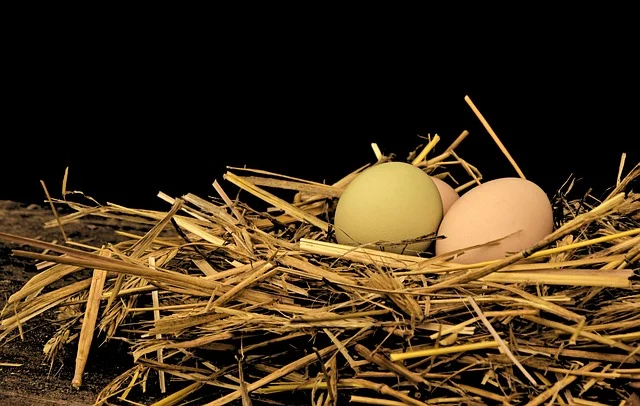
Pekin bantams are kept primarily for show, pest control, and pet companions rather than heavy egg production. A healthy Pekin hen lays between 80 and 120 small, cream or light-tinted eggs per year. This is roughly 1 to 3 eggs per week during peak spring and summer months.
Where Pekin hens excel is in their strong maternal instincts and broodiness. Pekin hens frequently sit on nest boxes and refuse to leave, regardless of whether eggs are fertilized. When allowed to sit, they make exceptional surrogate mothers for hatching their own eggs as well as quail, pheasant, or larger chicken eggs.
However, frequent broodiness presents trade-offs:
- Pros: Reliable, gentle incubators and attentive mothers that raise chicks naturally without electric heat plates.
- Cons: Regular pauses in egg laying, temporary loss of body condition as sitting hens eat less food, and the need to break broodiness in nest boxes using elevated wire cages if you do not want new chicks.
What health problems affect Pekin bantam chicks and how do you prevent them?
While Pekins are generally hardy birds, their foot structure creates specific vulnerabilities that require regular monitoring.
Mud Balls on Foot Feathers
When soft foot feathers touch damp dirt or wet bedding, dirt sticks to the shaft. It hardens into solid mud balls around toes and claws. These hard balls restrict blood circulation, deform toes, and snap off nails. Inspect your chicks’ feet weekly. If mud balls form, soak the feet in warm water for five minutes to dissolve the dirt. Then, gently peel it away and dry the feathers thoroughly.
Scaly Leg Mites (Knemidokoptes mutans)
Scaly leg mites burrow beneath leg scales and feather follicles, causing crusty, raised scales, swelling, and severe lameness. Because long foot feathers hide early symptoms, check leg shanks routinely. Treat affected legs by coating them thoroughly with petroleum jelly or mineral oil once a week to suffocate mites, while deep-cleaning the coop flooring.
Bumblefoot (Ulcerative Pododermatitis)
Bumblefoot is a bacterial infection of the footpad, visible as a hard black scab on the sole. It occurs when birds land heavily on rough perches or walk on wet, manure-covered bedding. Prevent it by keeping perches smooth and low, maintaining dry bedding, and treating any minor foot scratches promptly.
Frostbite on Damp Legs
In winter climates, wet foot feathers freeze when exposed to sub-zero temperatures. This leads to blackened tissue, lost toes, and severe shock. Keep winter runs dry, shield coops from cold drafts, and prune heavily matted foot feathers if wet weather persists during freeze events.
How do Pekin bantams compare to other breeds?
Comparing key traits helps you determine if the Pekin bantam fits your setup better than other popular bantam or large fowl breeds:
| Breed | Size / Mature Weight | Annual Egg Production | Foot Feathering | Primary Strengths | Main Limitations |
|---|---|---|---|---|---|
What common mistakes should you avoid when raising Pekins?
Avoiding these frequent mistakes ensures your Pekin bantam chicks grow into healthy adults:
- Keeping Chicks on Muddy Ground: Allowing Pekins into unpaved outdoor runs during rainy weather ruins foot plumage and leads to chronic foot rot. Keep runs roofed and bedded with sand or shavings.
- Feeding Large Pellets: Adult Pekins struggle to break down standard large-fowl layer pellets. Supply small crumble feeds or micro-pellets designed for bantams.
- High Perch Heights: Placing roosts higher than 18 inches leads to repeated landing trauma, footpad abrasions, and joint damage.
- Mixing with Aggressive Large Breeds: Housing gentle Pekin bantams with assertive, fast-moving large fowl (like Rhode Island Reds or Hybrid layers) leads to food competition, feather pecking, and injury. Keep Pekins with other docile, small breeds.
- Removing Heat Too Early: Removing brooder heat lamps before chicks are fully feathered at six weeks causes severe chilling, stunted growth, and respiratory failure.
Related guides
- White Boxer: Common Mistakes and How to Avoid Them
- The Pekin Duck: Care, Characteristics, and Considerations
- Patagonian Cavy: Your Guide to These Unique Rodents
Sources: Pekin Bantam
Frequently asked questions
Are Pekin bantam chicks friendly?
Yes, Pekin bantam chicks are naturally gentle, quiet, and friendly birds. They tame easily with gentle hand-feeding and are widely considered one of the best chicken breeds for children and small backyards.
How much space do adult Pekin bantams need?
Adult Pekins require 2–3 square feet of indoor coop space and 8–10 square feet of covered outdoor run space per bird. Keeping their run clean and dry is far more important than giving them vast open muddy space.
Do Pekin bantam chickens lay many eggs?
No, Pekin bantams are an ornamental true bantam breed, laying roughly 80 to 120 small, cream-colored eggs per year. Their laying slows down significantly when they go broody or moult.
What is the average lifespan of a Pekin bantam chicken?
With clean, dry housing, correct nutrition, and solid protection from predators, Pekin bantams routinely live for 5 to 8 years, with some healthy individuals reaching up to 10 years.