

Understanding Saddle Feathers: More Than Just Pretty Plumage Most chicken keepers, whether they’re raising backyard flocks for eggs, or show birds, encounter the term “saddle feathers.” But what exactly are these distinctive feathers, and why do they matter? Understanding saddle feathers is crucial for accurately identifying your birds’ sex, monitoring their health, and even appreciating their role in avian biology. =”what-are-saddle-feathers-exactly” class=”saap-section”>What Are Saddle Feathers Exactly? Saddle feathers are a specific type of contour feather found on poultry.
They are located on the bird’s back, running along the ‘saddle’ area just behind the neck (or hackle region) and extending towards the tail, above the wings. Unlike the broader, softer feathers found elsewhere on the body, saddle feathers are typically shorter, stiffer, and more pointed. Their structure allows them to lie flat against the body, providing insulation and streamlining the bird’s shape. In roosters, these feathers are often more elongated and possess a vibrant, often metallic sheen, contributing to their striking appearance. Hens, on the other hand, usually have shorter, blunter saddle feathers that blend more seamlessly with their overall plumage.

Where to Find Saddle Feathers on Your Chicken Locating saddle feathers is straightforward once you know where to look. Gently spread the feathers on a chicken’s back, just behind the neck ruff (hackle) and before the wings begin. You’ll find rows of these distinct feathers lying flat. The area is often referred to as the ‘saddle’ area, hence the name. For roosters, this area is often particularly dense with long, flowing feathers.
For hens, the feathers are usually much shorter and broader, providing a smooth transition to the back. The coloration can also be a key identifier, with roosters often displaying brighter, more variedcolorrs in their saddle feathers compared to the more muted tones of hens. The Big Difference: Rooster vs. Hen Saddle Feathers The most significant difference between saddle feathers on roosters and hens lies in their shape, size, and coloration.
Roosters generally develop more pronounced saddle feathers that are longer, narrower, and more pointed. These feathers often have a glossy appearance and can display striking colours, sometimes with iridescent or metallic sheens, especially in breeds like the Leghorn or Wyandotte. Hen saddle feathers are typically shorter, broader, and have a more rounded tip. Their primary function is insulation and protection, and they usually match the hen’s overall plumage coloration in a more subdued manner.
This difference becomes more apparent as the birds mature, making saddle feather observation a reliable method for sexing young birds around 8–12 weeks of age. When Do Saddle Feathers Develop? Saddle feathers begin to develop as chicks grow and start to acquire their adult plumage. While day-old chicks have downy fuzz, they will start to sprout their first true feathers, including proto-saddle feathers, within a few weeks. These early feathers will be quite small and indistinct.
The characteristic differences in saddle feathers, particularly between sexes, become most noticeable when birds reach sexual maturity, typically between 4 to 6 months of age, though this can vary by breed. As a rooster enters his prime, his saddle feathers will grow longer and more defined, often becoming more colorful. Hens’ saddle feathers will also mature but will remain shorter and blunter. This developmental timeline is why checking these feathers is a favored method for sexing chickens as they grow.
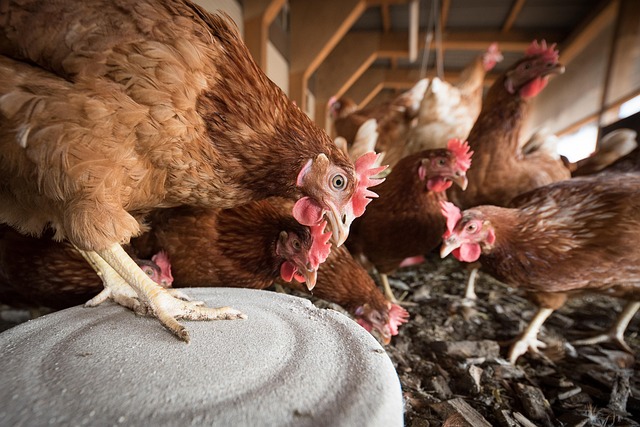
Why Saddle Feathers Matter to Chicken Keepers For chicken keepers, saddle feathers are a valuable diagnostic tool. Their appearance provides clues about the bird’s sex, age, and health. If a bird is losing its saddle feathers rapidly or they appear damaged, it could indicate illness, stress, or a natural molting cycle. Understanding these changes helps in managing flock health proactively. The distinct characteristics of rooster saddle feathers are sometimes used in breed standard evaluations, where certain feather types and colours are desired.
For those involved in breeding or showing, the quality and appearance of saddle feathers can be an important consideration. Keep in mind that some breeds exhibit less pronounced sexual dimorphism in their saddle feathers, requiring keepers to look for other indicators. Saddle Feathers: A Prized Commodity for Fly Fishing Beyond their biological significance, saddle feathers, particularly those from roosters, have found a niche and lucrative use in the world of fly fishing.
The long, stiff, and uniformly barbed hackle feathers from a rooster’s saddle are ideal for tying artificial flies that mimic insects. These feathers are known as saddle hackles and are indispensable for creating realistic lures. Whiting Farms and Metz are two prominent names in the industry, known for breeding chickens specifically for superior saddle and neck hackle feathers. These feathers are graded and sold to fly tiers, with high-quality saddle hackles fetching significant prices.
As of July 2026, a single high-grade rooster saddle cape can range from £50 to over £200, depending on the quality, colour, and rarity of the feathers. This specialised market highlights the complex value of these avian appendages. Practical Tips for Checking Saddle Feathers When examining your chicken’s saddle feathers, consider a few practical points. First, choose a calm bird and handle it gently to avoid causing stress. Observe the length, stiffness, and tip shape of the feathers in the saddle area.
Compare them to other birds in the flock if possible, especially if you suspect a difference in sex. Note any signs of damage, discoloration, or unusual feather loss. It’s also important to remember that feather development is cyclical. Chickens will naturally molt and regrow their feathers, typically once a year. During a molt, you might notice sparse feathering or broken feathers in the saddle area. This is a normal process, usually occurring in late summer or autumn, and their new feathers will grow in healthy and full over several weeks. According to the American Poultry Association’s standards, consistent feather quality is a sign of good health and proper nutrition.

Common Mistakes and Misconceptions About Saddle Feathers One common mistake is assuming all birds of a certain breed will look identical. Individual variation exists, and some hens might develop slightly longer saddle feathers, or some roosters might have shorter ones. Relying solely on saddle feather appearance without considering other secondary sex characteristics can sometimes lead to misidentification, especially in younger birds or certain breeds with less pronounced differences. Another misconception is that saddle feathers are solely for display.
While they are aesthetically prominent, especially in roosters, their primary biological role is protection and insulation. Confusing saddle feathers with hackle feathers (which are around the neck) or tail feathers (sickles) is another frequent error. While all are contour feathers, their location and specific function differ. Expert Insights and Best Practices From a flock management perspective, understanding saddle feathers aids in early sex determination. This is vital for hobbyists who may only have space for hens, or for commercial operations that need to separate males and females to prevent unwanted breeding or manage aggression.
For example, in many urban and suburban areas, roosters are prohibited by local ordinances due to noise complaints, as noted by the Humane Society of the United States. For those interested in fly tying, sourcing high-quality saddle feathers is key. Look for feathers that are stiff, have a consistent barb density, and are free from damage. The colour saturation and length are also critical factors. When purchasing, check the reputation of the supplier; brands like Whiting Farms are widely respected for their consistency and quality in providing premium saddle hackles for anglers worldwide. Frequently Asked Questions
What is the main difference between rooster and hen saddle feathers?
Roosters typically have longer, pointier, and more vibrantly coloured saddle feathers, often with a glossy sheen, while hens’ saddle feathers are shorter, blunter, and less colorful, blending more with their overall plumage.
When do chickens start developing distinct saddle feathers?
Distinctive saddle feathers begin to develop as young chickens grow into their adult plumage, with differences between sexes becoming most apparent around 4 to 6 months of age, coinciding with sexual maturity.
Are saddle feathers important for a chicken’s health?
Yes, observing the condition of saddle feathers can offer clues about a chicken’s health. Significant changes like unusual loss, damage, or discoloration might indicate illness, stress, or a molting cycle, prompting further investigation.
Can saddle feathers be used for anything other than identifying sex?
Absolutely. Rooster saddle feathers are highly valued in fly fishing for creating artificial lures due to their unique structure and coloration. They are also considered in breed standard evaluations for show birds.
Do all chicken breeds have obvious saddle feather differences?
Not entirely. While most breeds show clear differences, some breeds exhibit less pronounced sexual dimorphism in their saddle feathers, making it necessary to consider other secondary sex characteristics for accurate identification.
What is a saddle hackle feather?
A saddle hackle feather refers specifically to the long, stiff, and uniformly barbed feathers found on the saddle area of a rooster, which are particularly prized for fly tying.
How often do chickens molt their saddle feathers?
Chickens typically undergo a full body molt once a year, usually in the late summer or autumn, which includes replacing their saddle feathers. This process allows for the growth of new, healthy plumage. Conclusion: The Enduring Value of Saddle Feathers Saddle feathers are more than just a decorative element of a chicken’s anatomy. They serve as vital indicators for sex identification, age, health monitoring, and are even a valuable resource for crafting and sport. By understanding their characteristics and development, chicken keepers can gain deeper insights into their flock’s well-being and needs. Whether you’re a seasoned poultry farmer, a budding backyard enthusiast, or a fly fisherman seeking premium materials, the humble saddle feather holds significant and diverse value. Paying attention to these specific feathers can enrich your understanding and practice, proving that even the smallest details in nature often carry the most meaning.


