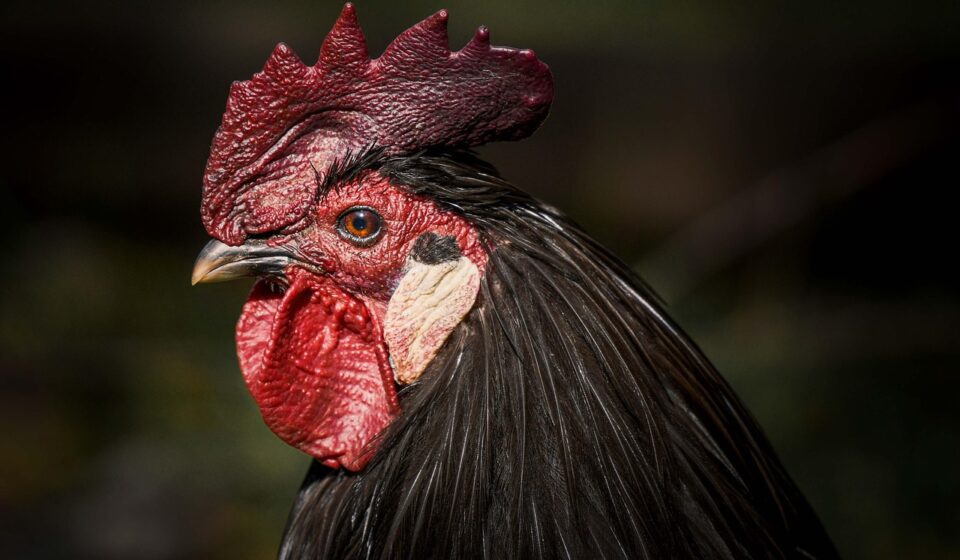
A Chicken’s Eye on the World: Understanding Flock Vision and Health
A chicken’s eye is more than just a window to its world; it’s a critical tool for survival, foraging, and, social interaction. As of July 2026, understanding the nuances of chicken eye health remains paramount for any flock owner. Issues ranging from minor irritations to serious infections can significantly impact a bird’s quality of life and overall flock productivity. This guide delves into the intricacies of chicken vision, common ailments, and practical strategies for maintaining optimal eye health in your birds. Most flock owners assume eye problems are rare, but surprisingly, even minor irritations can escalate quickly without proper attention. Recognising early symptoms and understanding potential causes is key to preventing widespread issues within your flock.
- Chicken eyes are highly sensitive, with unique vision capabilities essential for their daily activities.
- Common chicken eye problems include infections, injuries, allergies, and nutritional deficiencies.
- Early detection of symptoms like discharge, swelling, redness, or cloudiness is crucial for effective treatment.
- Prevention strategies involve maintaining a clean environment, providing a balanced diet, and managing flock stress.
- Consulting a veterinarian or poultry expert is recommended for persistent or severe eye conditions.
The Avian Eye: A Unique Perspective Chickens possess remarkable vision, adapted for their needs as prey animals and foragers. Unlike humans, their eyes are positioned on the sides of their heads, granting them an almost 360-degree field of vision, crucial for spotting predators. Each eye can operate independently, allowing one to scan for danger while the other searches for food. This panoramic view means they don’t have a strong blind spot directly in front of them, which aids in detailed examination of their immediate surroundings. Their colour vision is also superior to humans, with the ability to see ultraviolet light. This capability helps them identify ripe berries, locate insects, and assess the health of potential mates. The average chicken eye is relatively large for its head size, occupying about 10% of its head mass. They have a nictitating membrane, a transparent third eyelid, that sweeps across the eye to moisten and protect it without obstructing vision, much like a built-in wiper blade.

Common Chicken Eye Conditions and Their Causes Several conditions can affect a chicken’s eyes, ranging in severity and cause. Understanding these is the first step in diagnosis and treatment.
Infections and Inflammation
Bacterial and viral infections are frequent culprits. Mycoplasma gallisepticum (MG) is a common bacterial pathogen that can cause respiratory symptoms and significant eye discharge, often leading to swollen, closed eyes. Infectious bronchitis and Newcastle disease can also manifest with ocular symptoms, including conjunctivitis and discharge. Fowl pox can cause lesions around the eyes and on the combs and wattles.
Injuries and Trauma
Chickens are prone to eye injuries due to their social dynamics, particularly feather pecking and bullying within the flock. A sharp object in the environment, a fight with another bird, or even an accidental bump can cause corneal abrasions, scratches, or more severe trauma. These injuries can lead to pain, vision loss, and secondary infections if not treated promptly.
Allergies and Irritants
Environmental factors can also play a role. Dust, ammonia fumes from soiled bedding, mold spores, or even certain feed additives can irritate a chicken’s sensitive eyes, leading to redness, watering, and swelling. While not typically contagious, these irritants can make the eye more susceptible to infection. According to the Poultry Science Association (2025), elevated ammonia levels in coop environments are directly linked to increased respiratory and ocular issues in poultry.
Nutritional Deficiencies
A balanced diet is crucial for overall health, including eye health. Deficiencies in certain vitamins, particularly Vitamin A, can lead to xerophthalmia, a condition characterized by dry, dull eyes and potential blindness. Vitamin A is vital for the health of epithelial tissues, including those lining the eye. Ensuring your flock receives a complete feed formulated for their life stage is essential to prevent such deficiencies.
Recognising the Symptoms: What to Look
For Early detection is critical for successful treatment. Keep a close eye on your flock for any of the following signs:
Discharge and Crusting
Discharge can vary from clear and watery to thick, yellow, or white and pus-like. Crusting or matting of feathers around the eye is a strong indicator of ongoing irritation or infection. Foamy or bubbly discharge, often seen with respiratory infections like Mycoplasma, is a particularly concerning sign that requires immediate attention.
Swelling and Redness
Inflammation of the tissues around the eye (conjunctivitis) will cause noticeable swelling and redness. The eye might appear puffy, and the chicken may have difficulty opening it. This can be a symptom of infection, injury, or severe irritation.
Cloudy or Opaque Eyes
A healthy chicken eye should be clear and bright. If the cornea appears cloudy, milky, or opaque, it could indicate a corneal ulcer, injury, or advanced infection. This can lead to vision impairment or permanent blindness if left untreated.
Behavioural Changes
Chickens with eye problems may show behavioural changes. They might rub their eye against objects, appear lethargic, have a reduced appetite, or become isolated from the flock. Impaired vision can make foraging difficult, leading to weight loss and weakness. Treatment and Management Strategies Once you’ve identified an eye issue, prompt action is necessary. Treatment depends on the cause.
Veterinary Consultation
For severe symptoms, persistent issues, or if you suspect a contagious disease, consulting a veterinarian experienced in avian health is highly recommended. They can accurately diagnose the condition and prescribe appropriate medication. For instance, a vet might prescribe antibiotic eye drops or ointments for bacterial infections, such as tobramycin or chlortetracycline, which are commonly used in poultry care. The Merck Veterinary Manual (2025) notes that prompt antibiotic treatment can significantly improve outcomes for Mycoplasma-related eye infections.
Cleaning and Supportive Care
For minor irritations or as an adjunct to veterinary treatment, gentle cleaning can help. Use a sterile saline solution or a warm, damp cloth to carefully wipe away discharge and debris from the eye area. Avoid using cotton swabs directly on the eyeball. Ensure the affected bird is in a clean, separate space to prevent the spread of infection and reduce stress. Provide easy access to food and water.
Environmental Adjustments
If irritants are suspected, address the environmental factors. Improve coop ventilation to reduce ammonia levels. Clean bedding regularly to minimise dust and mold. If a specific feed ingredient is suspected, consider switching to a different feed formulation after consulting with a poultry nutritionist.
Medication Administration
Administering eye drops or ointments to a chicken can be challenging. Gently hold the bird, tilting its head slightly so the affected eye is accessible. Apply the medication as directed by your veterinarian. For systemic infections, oral or injectable antibiotics may be necessary, requiring professional administration. The cost of veterinary consultation and medication can vary, but as of July 2026, a course of treatment for common infections might range from £15 to £50, depending on the medication and the severity of the condition.

Prevention is Key: Keeping Flock Eyes Healthy The best approach to chicken eye health is proactive prevention.
Maintain a Clean Coop Environment
Regular cleaning and adequate ventilation are non-negotiable. Ammonia buildup from droppings is a significant irritant. Aim for a deep clean of the coop at least monthly, with frequent spot-cleaning of soiled bedding. Good airflow prevents moisture build-up, which can foster mold and bacteria.
Provide Balanced Nutrition
Feed your flock a high-quality commercial feed appropriate for their age and type (e.g., starter, grower, layer). Supplement with fresh greens and occasional treats, but ensure the primary diet is complete and balanced. Avoid over-reliance on treats, which can lead to nutritional imbalances.
Manage Flock Dynamics
Aggressive pecking can lead to injuries. If feather pecking is a problem, consider installing chicken eyeglasses (also known as chicken specs or pick guards). These small devices clip onto the chicken’s beak or nostrils and are designed to hinder its ability to peck effectively, especially at other birds’ feathers. Historically, these have been used since the early 20th century in the US to curb cannibalistic behaviours.
Isolate and Monitor New Birds
When introducing new birds to your flock, quarantine them for at least 30 days. Chicken eye allows you to monitor them for any signs of illness, including eye conditions, before they can spread to your established flock. Frequently Asked Questions
What should healthy chicken eyes look like?
Healthy chicken eyes are bright, clear, and alert. They should be free from discharge, redness, or swelling. The pupils should be round and reactive to light, and the nictitating membrane should be clear when it sweeps across the eye.
Why is my chicken’s eye swollen shut?
A swollen, closed eye is often a sign of infection, such as Mycoplasma or a viral disease, or it could be due to a significant injury. It indicates inflammation and irritation that’s preventing the chicken from opening its eye comfortably.
How do I treat a foamy eye in chickens?
Foamy eye typically indicates a respiratory infection. Treatment requires veterinary diagnosis and may involve antibiotics. Cleaning the eye gently with saline can provide temporary relief, but addressing the underlying infection is crucial.
Can chickens survive blindness in one or both eyes?
Yes, chickens can often adapt to blindness in one or even both eyes, especially if the loss is gradual. However, blind birds are more vulnerable to predators and may struggle with foraging and social interactions within the flock.
What causes cloudy eyes in chickens?
Cloudy eyes can result from corneal injuries, ulcers, or advanced infections. It may also be a symptom of nutritional deficiencies like Vitamin A deficiency, leading to damage to the cornea or internal eye structures.
Can I use human eye drops on my chicken?
it’s strongly advised not to use human eye drops unless specifically directed by an avian veterinarian. Human medications can be too strong or contain ingredients harmful to chickens, potentially worsening the condition or causing toxicity. Conclusion: Protecting Your Flock’s Vision Maintaining your chickens’ eye health is a fundamental aspect of responsible flock management. By understanding their unique vision, recognising the signs of common eye conditions, implementing effective prevention strategies, and seeking prompt veterinary care when needed, you can ensure your birds lead healthy, productive lives. Vigilance and consistent care are the cornerstones of a thriving flock, allowing them to see and enjoy their world clearly.