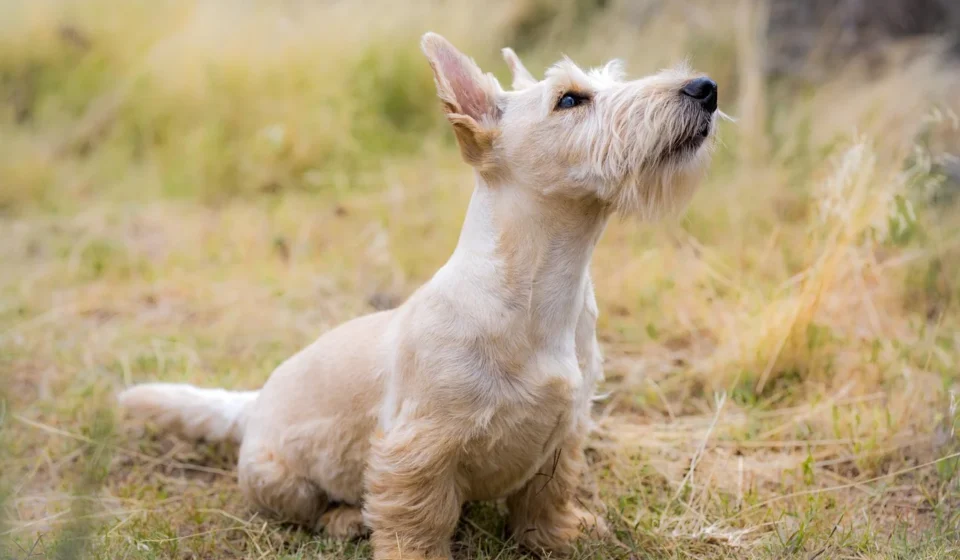
Nighttime restlessness often shows up as persistent pacing. Your dog might pant heavily or change positions frequently. Also, they may scratch carpets, whine, or bark in the dark. An occasional restless night is normal. However, nightly restlessness points to an underlying problem. This could be physical, emotional, or environmental. As a result, it requires systematic troubleshooting. Understanding the root cause is the first step. It helps both you and your dog get a full night of sleep.
What Makes Dogs Restless at Night? (Common Causes)
When your dog suddenly cannot sleep at night, investigate medical discomfort first. Your dog might begin waking repeatedly. Dogs naturally mask pain during active daytime hours. But once the house quiets down, physical discomfort becomes overwhelming. So, if a veterinarian rules out medical issues, you must address behavioral and environmental causes. This becomes the priority.
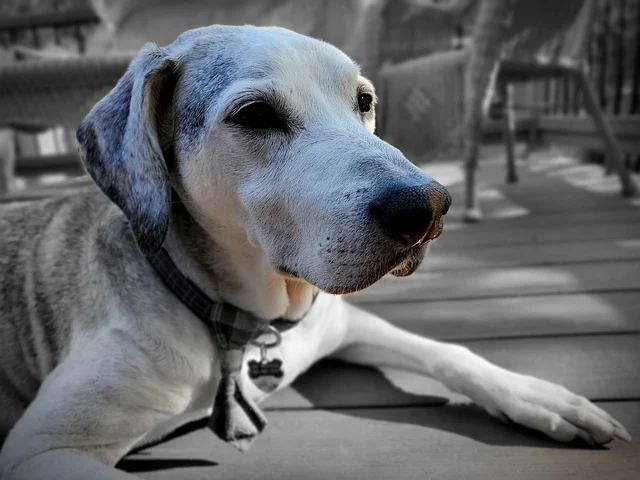
Medical Reasons Your Dog Might Be Restless and Pacing at Night
Physical pain or illness often drives nocturnal restlessness. Unlike humans, dogs hide discomfort during the day. As a result, symptoms become more apparent when they try to settle down at night.
Joint pain and musculoskeletal discomfort
Conditions like arthritis, hip dysplasia, and spinal issues cause nocturnal distress. When your dog lies still, joint fluid thickens. Also, pressure builds on inflamed tissues. This causes them to wake up stiff. They struggle to find a comfortable angle. They may pace and then lie down again repeatedly. If your dog pants while pacing, or frequently licks their leg joints at night, joint stiffness is highly probable. You may also notice an arched back. This discomfort worsens with age. It can cause a dog to be restless at night and not sleep.
Gastrointestinal issues, acid reflux, and diarrhea
Gastrointestinal distress often spikes at night. This includes indigestion, excess gas, and canine acid reflux. Lying flat allows stomach acid to creep up the esophagus. This causes burning pain. It forces your dog to stand, swallow hard, lip-lick, or eat carpet fibers. Gastrointestinal upset is a common reason for acute, sudden onset restlessness in dogs. If your dog is restless at night and licking lips, this strongly indicates nausea or reflux. Rapid abdominal distension paired with unproductive retching, pacing, and severe distress indicates gastric dilation-volvulus (bloat). This is a life-threatening veterinary emergency. Diarrhea will also cause extreme restlessness due to discomfort and urgency.
Canine Cognitive Dysfunction (CCD) in senior dogs
Older dogs may experience Canine Cognitive Dysfunction. They might wander aimlessly or stare into corners. Also, they can get trapped behind furniture. Sometimes, they vocalize in the middle of the night. This condition is similar to human dementia. It disrupts the brain’s circadian rhythm. As a result, it causes “sundowning.” This means confusion and anxiety intensify when daylight fades. A senior dog with cognitive decline may sleep soundly during a noisy afternoon. However, once darkness falls, they become disoriented and restless. This is a common reason for an older dog to be restless at night.
Urinary tract issues and endocrine disorders
Conditions that increase urination or nighttime urgency interrupt healthy sleep cycles. Urinary tract infections, kidney disease, diabetes, and Cushing’s disease put constant pressure on the bladder. A house-trained dog will pace. They may also scratch at doors or whine to communicate urgency. In addition, Cushing’s disease causes elevated cortisol levels. This leads to excessive thirst, panting, and physical restlessness throughout the night. It often causes a dog to be restless at night, pant, and need to go out more frequently.
Allergies and nocturnal itching
Environmental allergies often peak at night. This includes dust mites in dog bedding or flea allergy dermatitis. Dust mites thrive in warm bedding fabrics. Because of this, your dog experiences intense itching upon lying down. Continuous scratching, biting at paws, and head shaking prevent your dog from entering deep sleep stages. This can suddenly make your dog restless at night. For example, this can happen if they have new exposure or a flea infestation begins.
Pain after surgery or injury
If your dog is restless at night after surgery, consider pain, discomfort from stitches, or medication side effects. Even with pain relief, residual pain or anxiety can make it difficult for them to settle. Ensure they have a comfortable, easily accessible sleeping spot and follow your vet’s post-operative instructions. Adjusting pain medication timing can make a difference.
Hormonal changes (e.g., dog in heat)
Female dogs in heat can become very restless at night. This is due to hormonal fluctuations, physical discomfort, and an increased drive to find a mate. They may whine, pace, pant, or try to escape. This is a temporary but intense period.
Behavioral and Psychological Reasons Dogs Stay Awake
If you rule out medical issues, addressing behavioral causes becomes the priority. Emotional states directly influence a dog’s nervous system. They keep their heart rate elevated and their brain hypervigilant.
Separation anxiety and sleeping arrangements
Dogs are pack animals. Therefore, a dog with separation anxiety may struggle. This happens if you force them to sleep far from family members. Physical isolation triggers cortisol release. As a result, your dog may pace, whine, or claw at closed doors. They may also become hypervigilant. Even dogs without full separation anxiety can feel vulnerable in total darkness. They need proximity to their human handlers. This leads to a dog restless at night not sleeping.
Boredom and insufficient physical or mental stimulation
High-energy breeds require substantial physical exertion and cognitive challenges daily. A dog that spends the day resting without physical exercise or scent work stores up physical energy. Come bedtime, their nervous system remains fully primed for action. Without mental stimulation—such as nose work, trick training, or puzzle feeding—a dog’s brain remains unexhausted, making them restless.
Noise phobias and environmental reactivity
Dogs possess far sharper hearing than humans, detecting high-frequency hums or distant traffic. Dogs with noise sensitivities or fear of thunderstorms and fireworks enter a fight-or-flight state overnight. They may pant heavily, tremble, pace, or attempt to squeeze into tiny enclosed spaces. This is a common cause for a dog restless at night all of a sudden.
Accidental reinforcement of restless behavior
Human responses can unintentionally perpetuate nighttime restlessness. For example, your dog may whine or pace at 2:00 AM. If you immediately get up, talk softly, or offer treats, your dog learns something. They learn that nocturnal vocalization unlocks reward and attention. Even scolding provides social attention to an isolated dog. This reinforces the cycle.
Environmental Triggers in the Home for Canine Restlessness
Small environmental factors that humans overlook can completely disrupt a dog’s sleep.
Suboptimal room temperature, especially in hot weather
Dogs regulate body heat primarily through panting. They also radiate warmth from their footpads. Rooms that are too warm, above 21°C, cause thermal discomfort. This forces your dog to shift positions constantly. Your dog seeks cool surfaces. You will notice this if your dog is restless at night in hot weather. Conversely, smooth-coated breeds and senior dogs can become uncomfortably cold. This happens in breezy or under-heated rooms, below 15°C. As a result, they shiver and become restless.
Inadequate bedding, surface comfort, and accessibility
An inadequate sleeping surface can prevent proper rest. Flat, unsupportive cushions do not protect arthritic joints from hard floor contact. Beds that are too small prevent full lateral extension, essential for deep REM sleep. Also, high-sided beds can be difficult for mobility-impaired dogs to climb into safely, leaving them stranded on the floor. For senior dogs, easy access is important.
Light pollution and artificial light
Streetlights can shine directly through uncurtained windows. Also, blue light can come from household electronics. Both can suppress melatonin production in dogs. This throws off their natural biological clock. Darker sleeping environments promote higher quality sleep. They also lead to uninterrupted sleep cycles.
How to Help a Restless Dog at Night: Management Options
Different causes require targeted interventions. The table below compares common management approaches to help you decide which strategy fits your dog’s specific situation.
| Management Option | Best For | Key Benefits | Limitations and Trade-offs |
|---|---|---|---|
| Orthopaedic Memory Foam Bed | Senior dogs, breeds prone to dysplasia, dogs with arthritis | Relieves joint pressure points; keeps spine aligned; retains comfortable warmth | Higher initial cost; requires waterproof cover if incontinence is present; not suitable for dogs who chew beds |
| Crate Training with Den Cover | Puppies, dogs with mild separation anxiety, dogs easily startled by movement | Creates a secure, den-like cave; limits destructive nighttime wandering; aids in potty training | Not suitable for dogs with severe claustrophobia or severe separation panic; requires positive introduction and training |
| Synthetic Pheromone Diffusers | Generalised nighttime anxiety, moving to a new home, noise phobias | Releases appeasing signals; non-sedative; continuously active in room | Takes 2–4 weeks to build full effect; ineffective for primary medical pain; diffusers need regular refills |
| Evening Brain Games & Snuffle Mats | Young, high-energy breeds, bored adult dogs, working breeds | Tires out the brain via olfactory work; promotes calm lick/sniff neurochemicals; prevents boredom-related restlessness | Does not replace physical movement; requires supervision with chewable items; some dogs might get over-stimulated initially |
| White Noise / Sound Conditioning | Dogs reactive to outside noises, urban environments, nocturnal wildlife | Masks sudden ambient noises; provides predictable background acoustic floor; promotes consistent sleep environment | Must be kept at moderate volume; does not resolve pain-based waking; may not block very loud, sudden noises |
How to Get Your Dog to Sleep Through the Night: An Evening Routine
Establishing a structured evening wind-down routine signals to your dog’s nervous system that sleep is approaching. Follow these concrete steps every night to help your dog settle and sleep soundly.
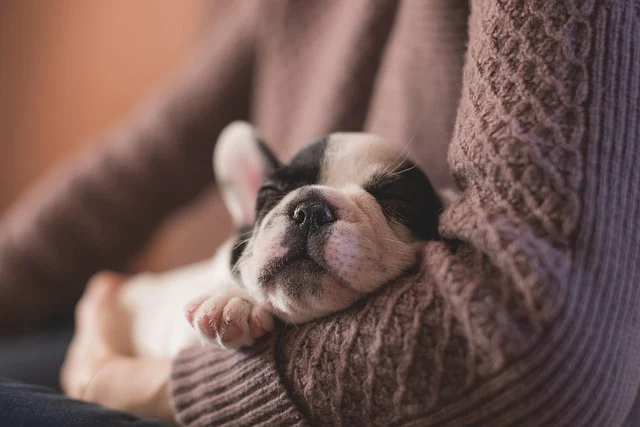
Step 1: Time your dog’s main exercise session correctly
Schedule primary physical exercise for late afternoon or early evening—ideally 3 to 4 hours before bedtime. Intense, high-arousal games right before sleep spike adrenaline and cortisol, making it difficult to settle. Follow physical exercise with a calm 15-minute sniff-focused walk. This combination of physical exertion and mental decompression is key.
Step 2: Adjust meal timing and hydration
Feed your dog’s final meal 3 hours before lights out. Eating too late forces their digestive system to work during peak rest hours. This increases the likelihood of acid reflux, gas, and middle-of-the-night potty emergencies. However, for dogs prone to hunger-induced morning bile vomiting, you can give a tiny tablespoon of plain canned pumpkin. A single plain biscuit right at bedtime also keeps gastric juices settled. Ensure clean water is available. But restrict large volume gulping right before bed. This minimizes late-night bladder pressure.
Step 3: Introduce calming mental enrichment
In the final hour before bed, transition your dog to low-arousal mental activities. Licking and sniffing release endorphins and serotonin, promoting natural relaxation.
- Give your dog a lick mat spread with plain Greek yoghurt, wet dog food, or xylitol-free peanut butter.
- Offer a snuffle mat loaded with low-calorie kibble or small treats.
- Provide a long-lasting chew like a rubber toy stuffed with frozen canned food or a dental chew.
These activities help to mentally tire your dog without over-stimulating them physically.
Step 4: Prepare a quiet, temperature-controlled sleep sanctuary
Set up your dog’s sleeping zone in a draught-free area. Keep the temperature between 16°C and 19°C. This range is comfortable for most dogs. It also prevents a dog restless at night from panting due to heat. Ensure you pull blackout curtains to block passing headlights. Turn on a white noise machine or a low fan. This creates a continuous acoustic shield against sudden outside sounds. It helps dogs with noise sensitivities.
Step 5: Conduct a final, thorough toilet break
Just before you turn off the lights, take your dog outside. Use a lead for a final opportunity to empty their bladder and bowels. Keep this trip strictly business. For example, keep lights dim. Speak in quiet monotone tones. Avoid play. Walk them directly back to their bed once they finish. This minimizes excitement. It also ensures they have the best chance of holding it until morning.
Age-Specific Considerations for Nocturnal Restlessness
A dog’s age heavily determines why they stay awake. It also determines how you should respond. This addresses common searches. For example, you might search “my dog is restless and pacing at night” based on age.
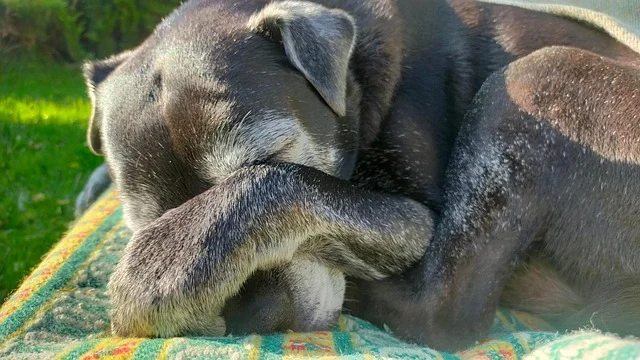
Puppies (Under 1 year)
Puppies naturally lack full bladder capacity. They need nighttime bathroom trips until about 16 to 20 weeks old. Their restlessness often stems from crate acclimatization. It can also come from teething discomfort. Sometimes, they miss the physical warmth of their mother and littermates. Or, they simply do not understand the routine. If a puppy is restless at night, it is often a phase of adjustment.
- Fix: Place the puppy’s crate next to your bed during early weeks. This way, they can smell and hear you. Use a snuggly toy with a warm pack. You can also use a heartbeat simulator. This will ease the transition. Stick to a very consistent bedtime routine. Take them out for a final potty break right before you go to bed. Also, take them out again when you wake up.
Adult dogs (1 to 7 years)
In healthy adult dogs, nighttime restlessness usually boils down to unmet physical energy demands, schedule disruptions, or environmental stressors. This is often the case for a dog restless at night all of a sudden.
- Fix: Increase daytime mental stimulation and review recent changes in work schedules or household dynamics. If your dog sleeps elsewhere, consider bringing their bed into your bedroom to alleviate mild separation anxiety. Ensure they have adequate exercise tailored to their breed’s needs. For broader habit advice, see A Practical Puppy Vaccine Schedule for New Owners, as many foundational habits apply to all ages.
Senior dogs (8+ years)
Senior dogs face a convergence of physical decline, cognitive changes, reduced vision or hearing, and decreased kidney function. This makes them particularly susceptible to being a dog restless at night not sleeping.
- Fix: Schedule a full senior wellness screening including blood pressure, kidney values, and joint evaluations to rule out or manage underlying medical conditions. Use nightlights in hallways to help impaired eyes find water bowls and doorways. Upgrade to thick orthopaedic memory foam beds with low side rims for easy access, which can significantly relieve joint pain. If joint issues affect their movement, see Can Dogs Have Apples? Safety Rules & Preparation Tips for tips on mobility support and dietary considerations. Consider a raised food and water bowl to ease neck strain.
What to Do in the Moment When Your Dog Whines or Paces
When your dog wakes you up at 3:00 AM, react calmly and methodically to avoid reinforcing bad habits while ensuring their physical safety. This directly addresses “how to calm a restless dog at night” in the moment.
- Perform a silent health check: Observe your dog without immediately making excited verbal contact. Look for signs of physical illness: heavy panting, drooling, distended belly, rigid posture, an arched back, or clear distress. If you suspect an emergency (like bloat), proceed to veterinary care immediately.
- Provide a quiet toilet opportunity: If no immediate health emergency, put your dog on a short lead and lead them outside without talking or playing. Keep lights dim and avoid eye contact. Give them two minutes to eliminate. If they go, give brief, quiet praise (“good potty”), bring them straight inside, and place them back on their bed.
- Do not engage in play or offer meals: If your dog simply wants attention or play after the toilet break, engaging with them reinforces the behavior. Return them to their sleeping area calmly, give a firm, quiet “settle” command, and return to bed. Avoid prolonged soothing or treats for attention-seeking.
- Use a soothing touch without fuss: For anxious or senior dogs, placing a firm, steady hand on their side for two minutes can lower their heart rate without overstimulating them. This is a quiet, reassuring presence, not an invitation for interaction.
When to Seek Professional Veterinary Help for a Restless Dog
While many cases respond well to routine adjustments, certain red flags demand prompt medical evaluation. Contact your veterinarian immediately if nighttime restlessness is accompanied by:
- Unproductive retching, a swollen stomach, or extreme pacing (signs of gastric dilation-volvulus, a life-threatening emergency).
- Sudden onset of severe disorientation, head pressing, or aimless pacing in a previously normal dog.
- Visible signs of acute pain: vocalising when changing positions, limping, an arched back, or panting without heat (especially if your dog is restless at night panting).
- Inability to urinate or straining repeatedly during late-night potty breaks.
- Persistent restlessness lasting more than three consecutive nights despite routine optimization.
- Changes in appetite, increased thirst, or sudden weight loss.
- If your dog is restless at night after surgery and pain seems uncontrolled, or if they are in heat and show extreme distress beyond typical hormonal changes.
Your vet can conduct diagnostic blood panels. They can also perform urinalysis or radiographic imaging. Furthermore, they may do neurological evaluations to identify internal issues. If medical conditions are cleared, but severe anxiety remains, consult a certified veterinary behaviorist. They can provide a desensitization plan or temporary calming medication. They will offer tailored strategies for your dog’s specific behavioral needs.
Sources: Restless (2022 film)
Frequently asked questions
Why is my dog restless at night but fine during the day?
Daytime distractions, movement, and human presence often mask mild joint pain or mild anxiety. At night, sensory inputs drop, making stiff joints, gastrointestinal reflux, or isolation stress far more apparent to the dog, leading to restlessness and pacing.
What can I give my dog to sleep at night?
Never give your dog human sleep aids. Instead, focus on vet-approved solutions like joint supplements, anti-anxiety medications (prescribed by a vet), or calming pheromone diffusers. A vet can diagnose underlying issues and recommend safe, appropriate treatments.
Should I ignore my dog when they wake me up at night?
You should never ignore a dog completely until you rule out physical illness or urgent bladder needs. Perform a brief, silent, business-like toilet trip; if they do not eliminate and show no physical pain, calmly direct them back to bed without further attention to avoid reinforcing attention-seeking behavior.
Is nighttime restlessness always a sign of dementia in older dogs?
No, Canine Cognitive Dysfunction is common in seniors. However, nighttime waking in older dogs often has manageable causes. For example, arthritis pain, kidney disease, or urinary tract infections can be reasons. Also, your dog might just need more frequent bathroom breaks. Therefore, a vet check is essential.
My dog is restless at night and panting – what does this mean?
Nighttime panting can indicate several issues, including pain (especially joint pain), overheating (check room temperature), anxiety, or underlying medical conditions like Cushing’s disease or heart issues. If persistent, particularly without heat, it warrants a veterinary examination.