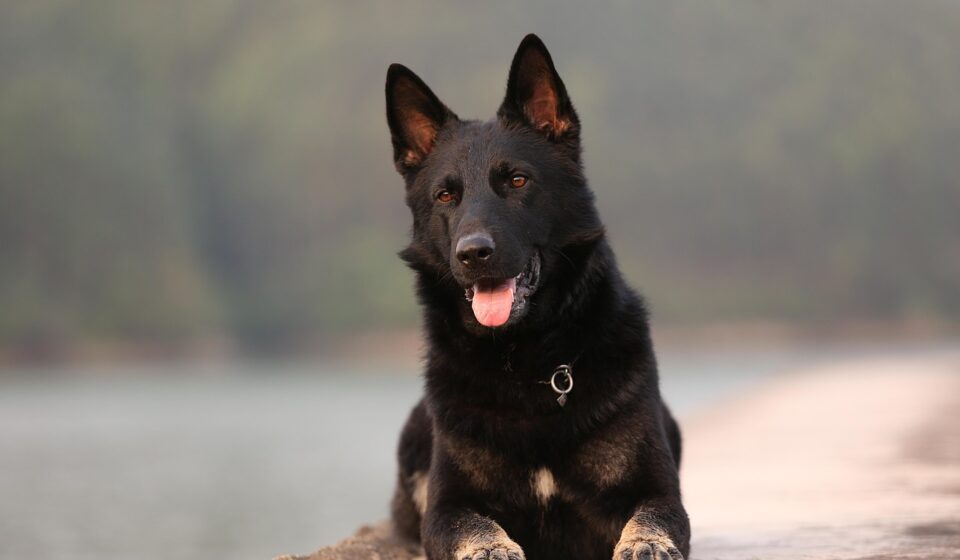
The Majestic Shepherd Duo: King Shepherd vs. German Shepherd
When considering a loyal, intelligent, and capable canine companion, two majestic breeds often come to the forefront: the King Shepherd and the German Shepherd. While both share a common ancestry and excel as working dogs, they are distinct breeds with unique characteristics. Understanding these differences is crucial for prospective owners to make an informed decision about which breed best fits their lifestyle and needs. Many potential owners are drawn to the imposing presence and protective nature of these shepherd breeds, but the nuances between them can be significant. The King Shepherd, a newer breed, was developed to retain the admirable qualities of the German Shepherd while aiming for a larger, more imposing physical stature and a potentially gentler disposition. This article delves into the core distinctions, covering their origins, physical attributes, temperaments, health considerations, and care requirements, to help you Handle the choice between these two noble canines.
Key Takeaways
- The King Shepherd is a larger, more solid descendant of the German Shepherd, often bred for a gentler temperament.
- German Shepherds are more widely recognised and established, known for their versatility in roles like police work and service.
- King Shepherds typically possess a heavier bone structure and can be significantly larger than German Shepherds.
- While both breeds are intelligent and trainable, their specific temperaments can vary, with King Shepherds sometimes noted for being less intense.
- Both breeds require consistent training, socialization, and physical/mental stimulation to thrive.
The German Shepherd Dog (GSD) has a rich and well-documented history, originating in Germany in the late 19th century. Captain Max von Stephanitz is credited with developing the breed from various herding dogs, aiming for a superior working canine with intelligence, strength, and trainability. Their versatility quickly established them as indispensable in roles from herding livestock to police and military service, earning them global recognition. The King Shepherd, conversely, is a more recent development, emerging in the United States. It was intentionally bred from German Shepherd stock, with the goal of creating a dog that retained the GSD’s intelligence and working drive but possessed a larger frame, a more substantial bone structure, and often a calmer, more gentle disposition. This breed was developed by De Laverne in the late 20th century, with specific attention paid to enhancing size and maintaining a stable temperament, distinguishing it from some of the more intense lines of German Shepherds.

A Tale of Two Shepherds: Size and Structure
The most striking difference between the King Shepherd and the German Shepherd lies in their physical dimensions. King Shepherds are bred to be considerably larger and more solid. They typically exhibit a heavier bone structure, a broader chest, and a more imposing overall presence. Males can stand between 26 to 30 inches at the shoulder and weigh anywhere from 90 to 150 pounds, with females being slightly smaller but still substantial. German Shepherds, while a large breed, are generally more streamlined. Males usually stand 24 to 26 inches tall and weigh between 65 to 90 pounds, with females ranging from 22 to 24 inches and 50 to 70 pounds. The King Shepherd’s head is often broader, and their overall build is more powerful and stocky compared to the GSD’s more athletic and agile frame. This difference in build influences their capabilities and suitability for certain roles.
Coat and Colour Variations
Both breeds share similar coat types: a double coat that consists of a dense, coarse outer coat and a softer undercoat, providing insulation against various weather conditions. Common colours for German Shepherds include black and tan, sable, all black, and sometimes white (though white is often disqualified in breed standards for show). The King Shepherd can also be found in these colours, but breeders may also favour other variations, sometimes including lighter shades or more distinct patterns, depending on their specific breeding goals.
Temperament: Intelligence, Loyalty, and Intensity
Both the King Shepherd and the German Shepherd are renowned for their intelligence, loyalty, and strong protective instincts. They are highly trainable breeds that thrive on having a job to do, whether it’s guarding their family, participating in dog sports, or serving as assistance animals. Early socialization and consistent, positive reinforcement training are paramount for both breeds to ensure they develop into well-adjusted adults. However, there are subtle differences in their typical temperaments. German Shepherds are often described as more intense and driven, with a high energy level and a strong work ethic that can translate into demanding exercise needs. They can be reserved with strangers and require careful introduction. King Shepherds, while equally intelligent and loyal, are often bred for a slightly gentler, more laid-back disposition. They may be less prone to the high-strung intensity sometimes seen in certain German Shepherd lines, making them potentially better suited for families with very young children or less experienced dog owners, provided they still receive adequate training and socialization. The King Shepherd’s larger size can also influence their behaviour; they may be perceived as more stoic and less prone to nervous reactions than some German Shepherds. However, it’s crucial to remember that individual temperament varies greatly within any breed, and responsible breeding practices play a significant role in the outcome.
Health and Lifespan: What Owners Should Expect
Both breeds are susceptible to certain genetic health conditions common in large and giant breeds. Hip and elbow dysplasia are significant concerns for both the German Shepherd and the King Shepherd. Responsible breeders will screen their breeding stock for these conditions to minimise the risk in puppies. According to the American Kennel Club (AKC), German Shepherds can also be prone to degenerative myelopathy, bloat, and certain cardiac issues. King Shepherds, due to their larger size and more recent development, may also have specific health considerations. While often bred with a focus on a solid constitution, potential owners should still be aware of conditions such as bloat (gastric dilatation-volvulus), which affects many deep-chested breeds, and genetic predispositions that may not yet be as widely documented as in the established German Shepherd breed. Regular veterinary check-ups, a balanced diet, and appropriate exercise are vital for maintaining the health of both breeds. Regarding lifespan, German Shepherds typically live between 9 to 13 years. The King Shepherd, being a larger breed, often has a slightly shorter life expectancy, generally ranging from 8 to 11 years. This is a common trend where larger dog breeds tend to have shorter lifespans than their smaller counterparts.
Training and Socialization: A Foundation for Success
Whether you choose a King Shepherd or a German Shepherd, a strong foundation in training and socialization is non-negotiable. Both breeds are highly intelligent and eager to please, making them receptive to training. Early and consistent exposure to various sights, sounds, people, and other animals from a young age is critical. This helps them grow into confident, well-adjusted dogs who can navigate different social situations without fear or aggression. For German Shepherds, professional training classes are highly recommended, especially for first-time owners, to channel their energy and intelligence productively. King Shepherds also benefit immensely from structured training. Their larger size means that obedience is not just desirable but essential for safety and control. Training methods should always be positive and reward-based, focusing on building a strong bond between dog and owner. In real terms, this means enrolling in puppy classes and continuing with advanced obedience or engaging activities like agility or scent work.

Fueling the Fire: Exercise and Mental Stimulation
Both King Shepherds and German Shepherds are active working breeds that require significant daily exercise. A German Shepherd needs at least 60–90 minutes of vigorous activity per day. This can include long walks, runs, games of fetch, or training sessions. Without sufficient physical and mental outlet, they can develop behavioural problems such as excessive barking, destructiveness, or anxiety. King Shepherds, while sometimes perceived as calmer, still require substantial exercise, generally in the range of 45–75 minutes daily. Their larger size means they need ample space to move. Beyond physical exertion, mental stimulation is equally crucial for both breeds. Puzzle toys, scent games, obedience drills, and learning new tricks help keep their sharp minds engaged and prevent boredom. A bored King Shepherd or German Shepherd can quickly become a destructive one.
Making the Choice: Which Shepherd is for You?
The decision between a King Shepherd and a German Shepherd hinges on your lifestyle, experience with dogs, and what you seek in a canine companion. If you are looking for an imposing, highly versatile, and globally recognised working dog with a proven track record in various roles, the German Shepherd might be your choice. They excel in protective services, as assistance dogs, and in active family homes that can provide extensive training and stimulation. If you desire a similarly intelligent and loyal dog but prefer a larger physical presence and potentially a more mellow, less intense temperament, the King Shepherd could be a better fit. They can be excellent family pets when properly socialized and trained, offering devoted companionship. However, their size demands adequate space and a confident owner capable of managing a large dog. It’s also worth noting that the King Shepherd is a less established breed, meaning finding reputable breeders and complete breed information might require more diligent research. Regardless of your choice, both breeds are incredibly rewarding. They offer unwavering loyalty, deep affection, and a strong sense of purpose. Researching reputable breeders who prioritise health and temperament testing is paramount for either breed. According to the Veterinary Companion Animal Society, responsible breeding practices are the first line of defense against hereditary health issues in any breed.
Pros and Cons
King Shepherd Pros
- Larger, more imposing physical presence.
- Often bred for a calmer, gentler temperament.
- Highly loyal and devoted to family.
- Intelligent and trainable.
- Can be excellent family companions with proper socialization.
King Shepherd Cons
- Less established breed, fewer resources available.
- Potentially shorter lifespan than German Shepherds.
- Requires significant space and training due to size.
- Susceptible to large-breed health issues like hip/elbow dysplasia and bloat.
- Can be reserved with strangers.
German Shepherd Pros
- Highly versatile and excels in many roles (police, service, family).
- Extremely intelligent and eager to please.
- Well-established breed with extensive information and breeder networks.
- Strong protective instincts.
- Generally longer lifespan than King Shepherds.
German Shepherd Cons
- Can be intense and high-energy, requiring significant exercise.
- May be more prone to nervousness or reactivity if not properly socialized.
- Susceptible to specific genetic health issues like degenerative myelopathy and bloat.
- Can be reserved or wary of strangers.
- Requires consistent and firm training.
Frequently Asked Questions
What is the main difference between a King Shepherd and a German Shepherd?
The primary difference lies in size and physical build, with King Shepherds being significantly larger and more heavily boned. King Shepherds were also developed to potentially have a gentler disposition compared to some German Shepherd lines.
Are King Shepherds good family dogs?
Yes, King Shepherds can be excellent family dogs when properly socialized and trained from a young age. Their loyalty and potentially calmer temperament make them devoted companions, though their large size requires responsible ownership.
Which breed is healthier, King Shepherd or German Shepherd?
Both breeds are prone to large-breed health issues like hip and elbow dysplasia. German Shepherds have a more documented history of specific conditions like degenerative myelopathy. Responsible breeding practices are crucial for both to minimise genetic health risks.
How much exercise does a King Shepherd need compared to a German Shepherd?
German Shepherds generally require more vigorous exercise, around 60–90 minutes daily. King Shepherds need substantial exercise too, typically 45–75 minutes per day, with emphasis on ample space for movement due to their size.
Can a King Shepherd be trained as effectively as a German Shepherd?
Both breeds are highly intelligent and trainable. While German Shepherds are renowned for their adaptability in various working roles, King Shepherds also respond very well to consistent, positive training methods, excelling in obedience and companionship.
What is the average cost of a King Shepherd puppy?
The cost of King Shepherd puppies can vary widely, often ranging from $1,250 to $3,500 or more, depending on the breeder’s reputation, lineage, and location. German Shepherd puppies from reputable breeders typically fall within a similar range.
Conclusion: Choosing Your Canine Partner
Both the King Shepherd and the German Shepherd are magnificent breeds offering unparalleled loyalty and companionship. The King Shepherd stands out for its impressive size and potentially gentler nature, stemming from its development as a larger variant of the German Shepherd. The German Shepherd, a globally recognised and versatile breed, is a powerhouse of intelligence and capability. Your choice should align with your ability to provide the necessary space, training, socialization, and exercise each breed demands. Thoroughly researching reputable breeders and understanding the specific needs of each breed will ensure you welcome the perfect, devoted companion into your home. Information current as of July 2026; pricing and product details may change.