Adult cats should not have cow’s milk. Most lose the enzyme needed to digest lactose after weaning. This leads to diarrhea, vomiting, and severe stomach cramps. While kittens rely on their mother’s milk, cow’s milk lacks the necessary nutritional balance for young felines. It causes digestive distress across all age groups.
The image of a cat happily lapping up a saucer of cream is an enduring cultural myth. Vintage cartoons and historic farm habits popularized it. On traditional farms, cats often drank unpasteurized raw cream. This contained higher fat levels and slightly lower lactose per volume than modern processed milk. However, modern commercial cow’s milk is packed with lactose. An adult cat’s digestive tract simply cannot process this efficiently.
Offering milk to your cat is not a helpful treat or a substitute for water. Understanding why dairy causes gastrointestinal problems will keep your pet healthy and comfortable. You should also know how to spot early symptoms of upset and what safe liquids you can provide instead. This addresses the common question: can cats have milk?
Why are most adult cats lactose intolerant?
Lactose intolerance in cats is a natural biological process rather than an illness. Nursing kittens produce high levels of lactase, an enzyme secreted in the small intestine that breaks down lactose—the primary sugar in mammal milk—into glucose and galactose for energy. As kittens transition to solid carnivorous food between four and eight weeks of age, lactase production rapidly declines. This biological shift is why many people ask, “can cats have milk?”
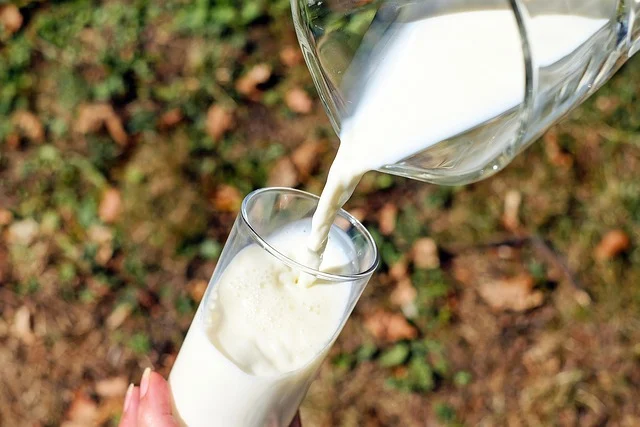
Adult cats produce little lactase. When a lactose-intolerant cat drinks milk, undigested sugar enters the colon. This unabsorbed sugar causes two reactions, which is why many ask, “Can cats have milk?”
- Osmotic balance shift: Undigested lactose pulls water from the bloodstream into the intestinal lumen. As a result, this causes loose, watery stool and rapid dehydration.
- Bacterial fermentation: Naturally occurring gut bacteria ferment the trapped sugars. They produce excess carbon dioxide, methane, and volatile fatty acids that cause painful gas and abdominal distension.
Adult cats rarely tolerate milk. Some adult cats may have enough lactase for a few sips without sickness. However, dairy gives no nutrition to an adult feline on a balanced, meat-based diet. High fat content in whole milk and cream can cause pancreatitis. It can also lead to unhealthy weight gain. So, can cats have milk? It is best to avoid it.
What symptoms occur if a cat drinks milk?
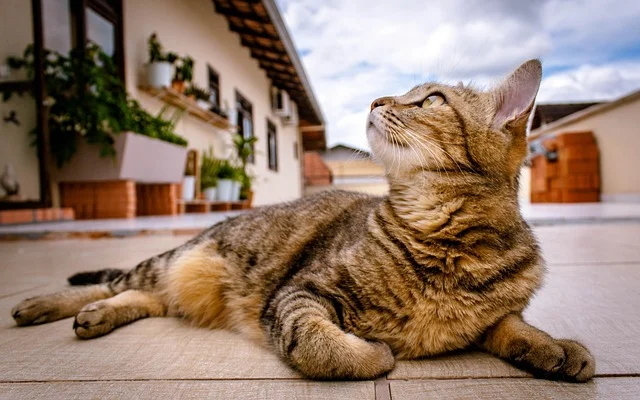
Symptoms of lactose intolerance in cats appear two to twelve hours after a cat drinks milk. This depends on a cat’s sensitivity and the volume consumed. You can easily overlook mild signs if your cat spends time outdoors. However, indoor cats make the digestive disturbance obvious quickly. This topic of whether can cats have milk is important for cat owners.
Watch for these primary indicators of dairy-induced upset:
- Diarrhea and loose stools: This is the most frequent symptom. It ranges from soft stools to severe liquid diarrhea that can cause litter box accidents.
- Vomiting: Cats may throw up fluid or undigested food shortly after drinking milk as their stomach reacts to the heavy fats and sugars.
- Abdominal bloating and cramping: Gas accumulation makes the abdomen feel tight and tender to the touch.
- Loud bowel sounds (borborygmi): Audible gurgling or rumbling coming from the cat’s abdomen.
- Flatulence: Excess gas produced by intestinal bacterial fermentation.
- Lethargy and hunching: Painful abdominal cramps cause cats to sit in a hunched position, withdraw from interaction, or refuse food.
If your cat shows mild gas or a single soft stool, stop all dairy. Offer fresh water. This usually resolves the issue within 24 hours. However, persistent vomiting or diarrhea lasting longer than a day means veterinary care. This prevents severe dehydration. This is true for the question of whether can cats have milk.
Can kittens drink cow’s milk?
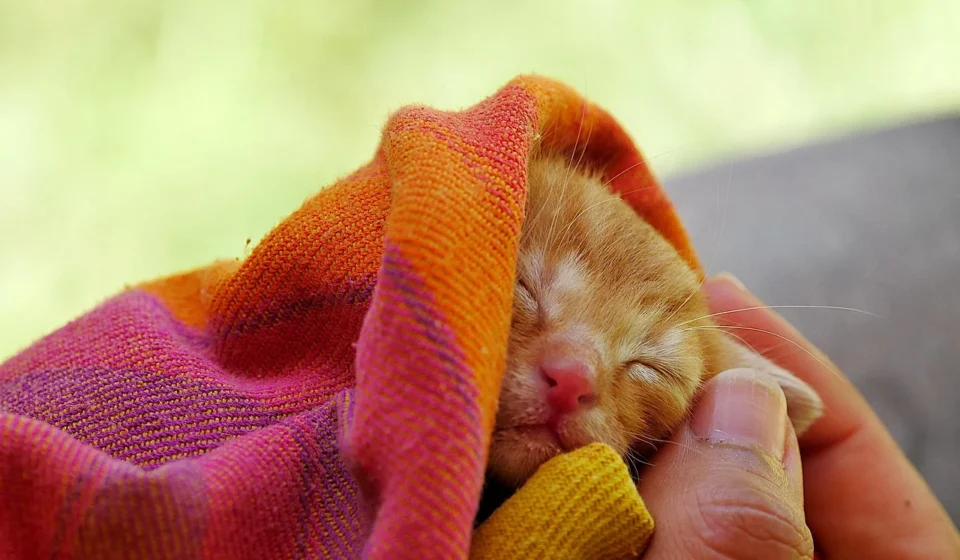
Never feed cow’s milk to kittens. Newborn kittens need milk. Cow’s milk differs from queen’s (mother cat’s) milk. Mother cat’s milk has specific proteins and essential fats. It is also low in lactose. Cow’s milk contains high lactose. It has insufficient fat and protein for growing felines. This addresses the topic of whether can cats have milk for young felines.
Feeding cow’s milk to orphaned or weaning kittens causes severe osmotic diarrhea, which can quickly prove fatal in young animals due to rapid fluid loss and hypothermia. Cow’s milk also fails to provide the high caloric density required for proper bone and muscle development.
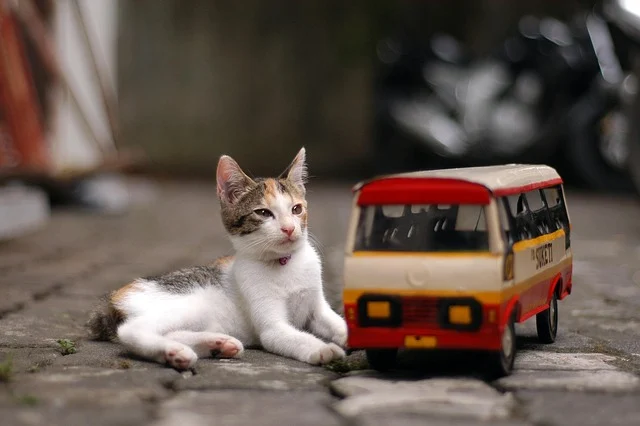
According to the ASPCA, orphaned kittens must be fed a commercially formulated Kitten Milk Replacer (KMR). These powdered or liquid formulas closely replicate queen’s milk to support digestive health and growth. When hand-feeding orphaned kittens, follow these guidelines:
- Warm the formula: Heat the prepared KMR to roughly 100°F (38°C). Always test the warmth on your wrist before feeding.
- Position the kitten correctly: Keep the kitten lying flat on its stomach with its head raised, imitating its natural nursing posture. Never feed a kitten lying on its back, as formula can enter its lungs and cause fatal aspiration pneumonia.
- Use dedicated nursing bottles or syringes: Allow the kitten to suckle at its own pace rather than forcing liquid into its mouth.
- Maintain a strict schedule: Newborn kittens need feeding every two to three hours. By four weeks old, you can space out feedings to every five or six hours as you begin introducing wet kitten food mixed with formula.
Can cats have milk: comparing types of dairy
Pet owners frequently ask if alternative dairy options or plant-based milks are safer than standard cow’s milk. The table below compares common milks and dairy products regarding lactose content, risks, and feline suitability.
| Milk / Dairy Option | Lactose Level | Primary Health Risks | Feline Suitability |
|---|---|---|---|
| Whole Cow’s Milk | High (~4.7%) | Diarrhea, stomach cramps, vomiting, weight gain | Unsuitable |
| Goat’s Milk | Moderate (~4.2%) | Diarrhea, gas, unnecessary calories | Not recommended |
| Lactose-Free Cow’s Milk | Zero | High fat, excessive calories, potential additives | Acceptable only in tiny amounts |
| Commercial Cat Milk | Zero / Negligible | Caloric excess if overfed | Safe as an occasional treat |
| Kitten Milk Replacer | Formulated for kittens | Nutritional imbalance if fed to adults long-term | Essential for non-weaned kittens |
| Plant Milks (Almond, Soy, Oat) | Zero | Digestive distress, thickeners, toxic oils/sweeteners | Unsuitable |
| Hard Cheese & Butter | Low to Moderate | High sodium, saturated fat, risk of pancreatitis | Unsuitable (tiny taste max) |
Goat’s milk
A common misconception is that goat’s milk is safe for cats. However, giving goat’s milk to a cat will frequently trigger the same abdominal distress and diarrhea as cow’s milk.
Plant-based milks (almond, soy, oat, coconut)
Plant milks are naturally lactose-free. Some owners see them as healthy. However, cats are obligate carnivores. Their systems do not process plant proteins, starches, or vegetable oils. Plant milks often have added sugars, carrageenan, and thickeners. These can cause loose stools. Almond milk may contain stomach-irritating oils. For those asking can cats have milk, some plant milks contain xylitol. This artificial sweetener is toxic to pets.
Cheese, yoghurt, and butter
Hard cheeses (like cheddar or Swiss) and butter have lower lactose levels than fluid milk. This is because processors remove the whey during processing. Plain unsweetened yoghurt also contains live cultures that help break down lactose. However, these foods are heavily loaded with fat and salt. Feeding cheese or butter to your cat can trigger acute pancreatitis. It can also cause stomach upset and contribute to obesity. At most, a tiny nibble of cheddar can serve as a vehicle to hide a pill. However, it should never be a regular snack.
What safe milk alternatives can you offer your cat?
If you want to give your cat a liquid treat without triggering digestive sickness, several safe alternatives exist on the market. These options deliver the creamy taste cats like while keeping their digestive system safe.
While some owners assume milk is a good treat or a way to supplement hydration, the reality is it often causes more problems than it solves. Stick to products formulated specifically for felines instead.
Lactose-free milk formulated for cats
Specially processed lactose-free cat milk is available in most pet supply shops. Manufacturers treat cow’s milk with lactase enzymes to break down all sugars prior to packaging. When choosing a lactose-free option, make sure you select a pet-specific brand fortified with taurine—an essential amino acid for feline heart and eye health—and free from artificial sweeteners, flavorings, or preservatives.
Specialized cat milk treats
Many brands make liquid treats for feline consumption. Manufacturers make these from skimmed lactose-free milk, water, and added vitamins. They are palatable and safe for adult cats in moderation. Remember that liquid treats still contain calories. Limit servings to one or two tablespoons a few times weekly. This avoids spoiling your cat’s regular diet. For more information on can cats have milk, consult a vet.
What should you do if your cat drinks milk?
If your cat sneaks a few licks from a cereal bowl or a glass, do not panic. A tiny sip is unlikely to cause serious injury. However, it may result in mild flatulence or a soft stool in sensitive cats. For more on the topic, can cats have milk, follow these practical steps. Handle accidental milk ingestion carefully.
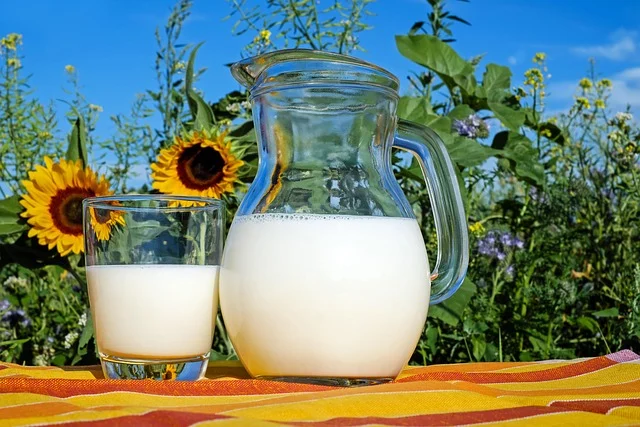
- Remove the source: Immediately take away the milk and secure all dairy items out of reach.
- Check the ingredients: Ensure the milk or milk product did not contain added chocolate, coffee, artificial sweeteners (like xylitol), or garlic/onion powders, which are toxic to cats.
- Provide fresh water: Ensure clean drinking water is available in multiple locations so your cat stays hydrated if diarrhea occurs.
- Monitor for 24 hours: Keep an eye on your cat’s litter box usage, energy levels, and appetite. Also, watch for vomiting, severe diarrhea, or signs of pain.
- Contact your veterinarian if needed: Seek veterinary guidance if your cat vomits repeatedly, develops severe liquid diarrhea lasting over 24 hours, or shows extreme lethargy.
How can you keep your cat hydrated safely?
Fresh, clean water is the only liquid an adult cat needs. However, domestic cats descended from desert-dwelling ancestors and naturally have a low thirst drive. Encouraging proper fluid intake is important for preventing urinary tract infections and kidney disease.
To keep your cat healthy and hydrated without using milk:
- Feed wet cat food: Canned wet food contains roughly 75% to 80% water, making it the most effective way to keep your cat hydrated naturally through its daily meal routine.
- Use a running water fountain: Many cats dislike standing water in traditional bowls. Free-flowing pet water fountains stimulate a cat’s instinct to drink moving water.
- Offer plain bone broth: Boil unseasoned chicken breast or beef bones in water without adding salt, onions, garlic, or spices. A tablespoon of cooled broth added to your cat’s dish provides a flavorful, liquid treat.
- Scatter multiple water bowls: Place clean water bowls in quiet, low-traffic areas of your home away from litter boxes and food dishes.
Understanding lactose intolerance is key to providing your cat with a healthy lifestyle. Choosing plain water and feline-safe liquid treats ensures your companion enjoys good health without digestive discomfort.
Frequently asked questions
Can cats drink cow’s milk?
No, most adult cats cannot safely drink cow’s milk because they lack the lactase enzyme required to digest lactose. Drinking cow’s milk frequently causes diarrhea, vomiting, flatulence, and severe stomach cramps.
What should cats drink instead of milk?
Cats should drink fresh, clean water as their primary beverage. For an occasional special treat, you can offer specially formulated lactose-free cat milk or plain, unsalted chicken broth made without onion or garlic.
Is lactose-free milk safe for cats?
Lactose-free milk made specifically for cats is generally safe in small amounts. This is because manufacturers have removed the lactose sugars. However, human lactose-free milk can still be high in fat and calories. Therefore, you should only give it as an occasional treat.
Can kittens drink cow’s milk?
No, kittens should never drink cow’s milk as it lacks the high protein and fat content of queen’s milk and causes severe digestive upset. Instead, orphaned kittens require a specialized commercial Kitten Milk Replacer (KMR).
What are the symptoms if a cat drinks milk?
The most common symptoms include watery diarrhea, vomiting, painful abdominal bloating, loud gut rumbling, gas, and lethargy. These signs usually appear within two to twelve hours after consuming dairy.
Can cats drink goat milk?
While goat’s milk has slightly smaller fat molecules than cow’s milk, it still contains high levels of lactose. It can cause the same intestinal discomfort and diarrhea in lactose-intolerant adult cats. Therefore, we do not recommend it.
Source: Britannica.