Most cats prefer fine-grained, unscented, clumping cat litter. Its soft texture mirrors the natural sandy soil their wild ancestors used to bury waste. Feline rejection of the litter box is rarely behavioral spite, but rather a direct reaction to uncomfortable textures underfoot, overwhelming synthetic fragrances, high dust levels, or dirty conditions.
Understanding these preferences helps establish reliable box habits. The following sections compare popular litter materials—including clumping clay, silica gel, and plant-based options—while exploring the respiratory impacts of litter dust, the problems with scented litters, and how to safely transition your cat to a new substrate.
What Cat Litter Cats Actually Prefer: Instincts, Textures, and Health
Most cats prefer fine-grained, unscented, clumping litter. Its soft texture mirrors the natural sandy soil their wild ancestors used to bury waste. Selecting the right cat litter cats will accept requires balancing feline paw sensitivity, instinctual digging habits, low dust levels, and prompt daily maintenance over artificial fragrances.
When choosing a tray substrate, pet owners frequently prioritize human convenience, cost, or perfumed masking scents. However, feline rejection of a litter box is rarely behavioral spite. It is almost always a direct reaction to uncomfortable textures underfoot, overwhelming synthetic fragrances, high dust content, or dirty conditions. Understanding what makes a substrate physically appealing or repulsive to a cat is the most effective way to establish reliable box habits and maintain long-term house training.
Why do cats care so much about litter texture and scent?
Cats are fastidious predators whose ancestral habits are shaped by desert environments. In the wild, small felids seek out loose, fine-grained soil or dry sand. This allows deep, effortless digging to bury urine and feces. This behavior serves two vital survival functions: preventing larger predators from tracking their territory and avoiding alerting prey species to their presence.
Texture plays a decisive physical role in box acceptance. Feline paw pads feature a high concentration of delicate tactile nerve endings. Coarse bentonite gravel, large wooden pellets, or sharp silica gel crystals create uneven pressure points against sensitive digital cushions. For declawed cats, aging felines suffering from osteoarthritis, or young kittens, hard substrates cause acute discomfort every time they scratch or adjust their footing.
Scent sensitivity is even more dramatic. Synthetic fragrances such as floral, lavender, citrus, or artificial powder scents added to commercial litters are formulated to mask odors for human noses. To a cat stepping inside an enclosed plastic box, these concentrated chemicals create an overwhelming sensory barrage, often driving them to seek softer, odorless surfaces elsewhere in the home, such as laundry baskets, bath mats, or carpets.
Comparing cat litter materials: Types, performance, and trade-offs
The pet care market offers a broad range of litter substrates. Each has unique performance characteristics, environmental impacts, and texture profiles. Understanding these differences helps match the right material to your cat’s specific physical needs.
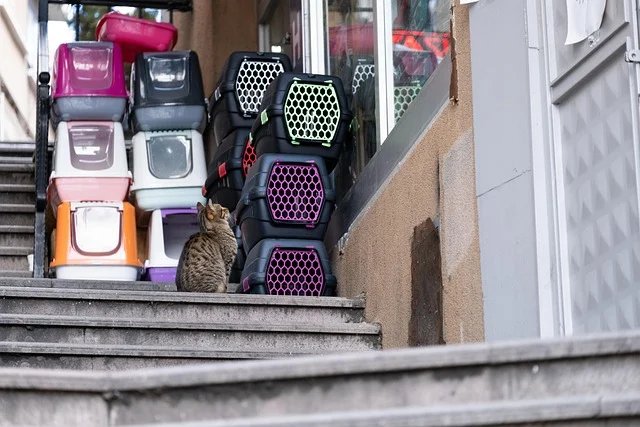
Clumping bentonite clay
Clumping clay litters rely on natural sodium bentonite, a moisture-absorbing clay that expands when wet to form tight, solid masses. These clumps encapsulate urine and separate easily from dry surrounding litter during daily scooping. Fine-grain clumping clay remains the most widely accepted litter type among domestic cats because its texture closely mimics fine sand.
- Who it suits: Adult cats, multi-cat households needing fast liquid separation, and owners seeking easy daily maintenance.
- Who it does not suit: Kittens under 8 weeks old may ingest clay granules during early grooming. This risks intestinal blockage. It also does not suit owners who cannot lift heavy bags.
Non-clumping clay litters
Formulated from absorbent clay such as attapulgite or Fuller’s earth, non-clumping clay absorbs liquids without forming solid clumps. Urine trickles through to the bottom layer, while solid waste is scooped from the surface.
- Who it suits: Budget-conscious owners, temporary shelters, and short-term post-care setups.
- Who it does not suit: Multi-cat households or owners looking for low-labor cleaning should avoid this. Saturated non-clumping clay requires complete replacement every three to five days to prevent intense ammonia odors.
Silica gel and crystal litters
Silica gel litters consist of porous, synthetic sodium silicate granules that trap moisture inside microscopic pores. Liquid evaporates while odor molecules remain locked within the structure. Solid waste must still be removed daily, but liquid absorption allows the tray to last longer between complete changes.
- Who it suits: Single-cat homes in small apartments where lightweight litter and high liquid containment are essential.
- Who it does not suit: Anxious cats frightened by the loud crackling sound moving crystals make, or cats with tender paw pads that dislike sharp crystalline edges.
Plant-based natural litters
Natural litters utilize renewable agricultural byproducts to offer biodegradable, environmentally friendly alternatives:
- Corn and Wheat: Natural starches form firm clumps and provide a soft, light texture that is gentle on paws. However, corn stored in warm, humid conditions carries an aflatoxin risk and starch can attract grain pests if stored improperly.
- Wood Pellets and Granules: Kiln-dried pine granules bind odor naturally through plant terpenes. Soft wood granules scoop easily. Heavy wood pellets break down into fine sawdust upon contact with urine, requiring specialized sifting trays.
- Walnut Shell Grit: Finely ground walnut shells offer outstanding natural odor control and form dark, sturdy clumps. The primary trade-off is that dark granules make monitoring urine color changes (such as blood in urine from urinary conditions) more challenging.
- Recycled Paper Pellets: Paper pellets produce negligible dust and will not adhere to paws or healing surgical incisions. Veterinarians frequently recommend paper litter following medical procedures, though its long-term odor control is limited and requires frequent changing.
Substrate performance comparison
| Litter Material | Clumping Ability | Dust Level | Paw Comfort | Ideal For | Unsuitable For |
|---|---|---|---|---|---|
| Clumping Bentonite Clay | High | Medium to High | High (Fine Granules) | Most adult cats, multi-cat homes | Kittens under 8 weeks, heavy lifting limits |
| Non-Clumping Clay | None | Medium | Moderate | Budget setups, short-term use | Owners wanting low-frequency tray dumping |
| Silica Gel Crystals | Absorbs Liquid | Low | Low to Moderate | Single-cat homes, small spaces | Noise-sensitive cats, painful paw pads |
| Corn & Wheat Granules | Moderate to High | Low to Medium | High | Soft paw preference, eco-focused homes | Humid storage environments |
| Fine Wood & Walnut Grit | Moderate | Low | High | Natural odor control, fine texture preference | Monitoring subtle urine discoloration |
| Recycled Paper Pellets | Low to None | Very Low | High (Soft) | Post-surgery recovery, open wounds | Extended odor control in multi-cat setups |
How litter dust impacts feline respiratory health
Litter dust is far more than a dusting nuisance on nearby furniture. Airborne particulate matter directly affects feline and human lung health. When cats dig vigorously before or after elimination, lower-quality clay litters release airborne silica and mineral particles that settle deep into respiratory passages.

Research highlighted by the Cornell Feline Health Centre (as of 2026) demonstrates that chronic exposure to respirable dust can aggravate feline asthma, trigger chronic bronchitis, and cause localized airway inflammation. Cats suffering from dust-induced airway irritation often display symptoms such as dry coughing fits (which owners frequently mistake for difficulty passing hairballs), wheezing, sneezing, and ocular discharge after exiting the tray.
To protect your cat’s respiratory system:
- Select products clearly labeled as low-dust, dust-extracted, or 99% dust-free.
- Pour fresh litter slowly from a height of just a few inches above the tray floor to prevent dust clouds from billowing up.
- Avoid fully enclosed hooded boxes if using dusty clay litters, as hoods trap airborne particulates inside the digging chamber.
- Switch to washed walnut grit, plant-derived granules, or paper options if your cat coughs or sneezes around the box.
Why scented litters trigger litter box avoidance
Adding synthetic perfumes to cat litter is a manufacturer attempt to mask waste odors for humans. However, it frequently leads to behavioral avoidance in cats. The American Veterinary Medical Association (AVMA) in their 2025 guidelines on feline enrichment notes that unpleasant or overpowering scents in the elimination environment represent a primary trigger for inappropriate house soiling.
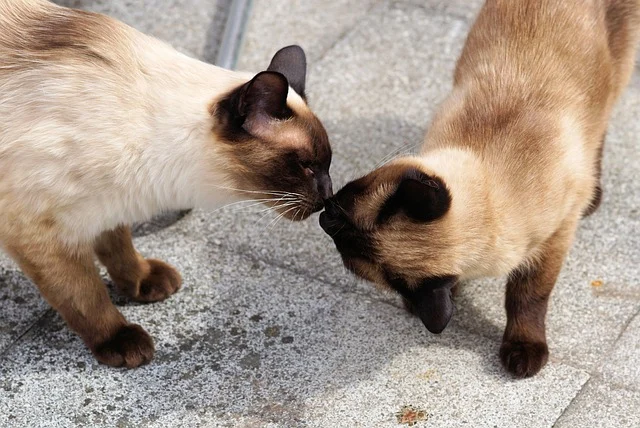
When confronted with a strongly perfumed tray, a cat may minimize contact by perching unsteadily on the plastic rim, rushing out without burying their waste, or abandoning the tray entirely in favor of carpeted corners or bath towels. The correct approach to controlling tray odor relies on physical removal of waste rather than perfumed concealment. To absorb ambient odor naturally without chemical scents, select litters that incorporate activated carbon or natural bio-char.
How to transition your cat to a new litter step by step
Cats are highly attached to environmental familiarity. Swapping out a familiar substrate for an entirely new litter material overnight can cause confusion, anxiety, and sudden box refusal. To transition your cat safely, follow a gradual 14-day blending routine:
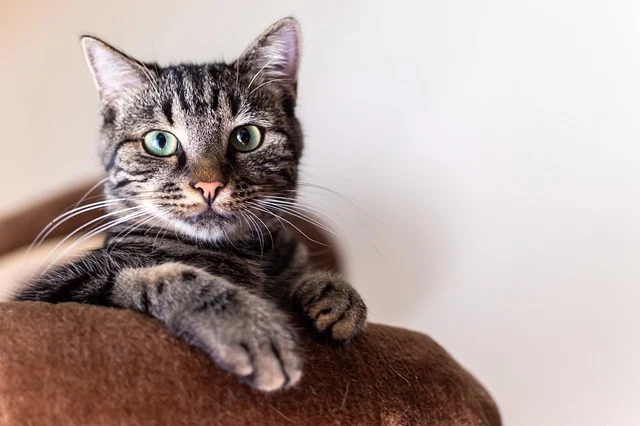
- Days 1 to 4: Fill the tray with 75% of the original litter and 25% of the new litter. Mix the granules thoroughly so the familiar scent and texture remain dominant.
- Days 5 to 8: Shift the blend to 50% original litter and 50% new litter.
- Days 9 to 12: Increase the mix to 25% original litter and 75% new litter.
- Day 13 onwards: Provide 100% new litter once your cat consistently digs and eliminates comfortably throughout the prior steps.
If your cat hesitates or eliminates outside the tray during any stage of the transition, step back to the previous ratio for an additional week before attempting to increase the new litter proportion again.
How to set up and maintain the ideal litter box
Choosing an ideal substrate is only part of maintaining reliable litter habits. Proper tray dimensions, placement, depth, and cleaning routines are equally critical to feline comfort.
- Box Quantity: Follow the standard N+1 guideline: provide one litter tray for each cat in the household, plus one extra. In a two-cat home, establish three separate boxes placed in distinct locations rather than grouped in a single room.
- Box Size and Style: Select a tray measuring at least 1.5 times the length of your cat from nose to the base of the tail. Large, open-topped storage containers with a low cut-entry cutout make excellent trays. They provide ample space to turn around without claustrophobic confinement (see Why Do Cats “Make Biscuits”? It’s More Than Just Affection for modifying indoor environments for senior cats).
- Litter Depth: Maintain a stable substrate depth of 2 to 3 inches (5 to 7 cm). Less than 2 inches prevents natural digging and leaves urine pooling on bottom plastic; deeper than 3 inches creates shifting, unstable footing underfoot.
- Box Placement: Position boxes in quiet, low-traffic areas offering clear sightlines and easy escape paths. Keep trays well clear of noisy appliances, cold drafts, and feeding or water bowls.
- Cleaning Schedule: Scoop urine clumps and solid waste once or twice daily. Completely empty clay litters, scrub the box with warm water and fragrance-free soap, and refill fresh substrate every two to four weeks. Replace plastic trays yearly, as claw scratches create microscopic grooves that lock in persistent bacteria and odors.
Troubleshooting litter box rejection: Medical vs behavioral causes
When a previously reliable cat begins urinating or defecating outside the box, immediate investigation is essential. House soiling is almost never an act of malice; it is a sign that physical distress or environmental frustration is present.
Your first step must be a veterinary examination to rule out medical conditions such as Feline Lower Urinary Tract Disease (FLUTD), bacterial cystitis, bladder stones, or kidney failure. Cats experiencing painful urination often associate the litter tray itself with their physical discomfort. This leads them to search for cold, smooth surfaces like tile or bathtub basins. Older cats suffering from joint osteoarthritis may also refuse boxes with high walls that require painful jumping.
If medical evaluation confirms full health, evaluate recent environmental shifts:
- Has the litter substrate, scent, or tray location been altered recently?
- Has a new pet, infant, or visitor entered the home?
- Is another pet in the house guarding access to the litter box area?
Restoring access to fine-grained, unscented litter, lowering tray entry height, and maintaining immaculate cleanliness will solve most behavioral avoidance problems, ensuring a comfortable, stress-free routine for your feline friend.
Frequently asked questions
What is the overall best cat litter for most cats?
Fine-grained, unscented clumping clay or soft natural grain litters like finely ground corn or walnut grit are widely considered best for most cats. These materials closely resemble natural sand, providing a soft surface that caters to natural digging and burying behaviors.
Why do cats dislike scented cat litter?
Artificial fragrances like floral or citrus scents can be overwhelming inside a tray, creating sensory discomfort that often drives cats to eliminate elsewhere.
How deep should cat litter be in the box?
Maintain a depth between 2 and 3 inches (5 to 7 cm). This depth gives cats enough material to dig and cover waste effectively without creating an unstable, overly soft footing underfoot.
Is crystal silica litter safe for all cats?
Silica gel crystal litters are non-toxic, but they are not suitable for every cat. The angular crystals can press uncomfortably into sensitive paw pads, and the loud crackling sound made during digging can startle nervous animals.
How often should a cat litter box be completely emptied and cleaned?
Clumping litters should be fully emptied, scrubbed with warm water and fragrance-free soap, and refilled every two to four weeks. Non-clumping litters require a complete change and tray scrubbing every three to five days to prevent severe ammonia accumulation.