Can Cats Have Milk? The Short Answer is Usually No
The image of a cat lapping up milk from a saucer is iconic, but for most adult cats, this common treat can cause more harm than good. While kittens drink their mother’s milk, most adult felines lose the ability to properly digest lactose, leading to digestive upset and discomfort. Offering milk to your cat isn’t a benevolent gesture; it’s often a recipe for tummy troubles.
Most cats are lactose intolerant, meaning they lack sufficient lactase, the enzyme needed to break down lactose, the sugar found in milk. This intolerance develops as they age and wean from their mother’s milk. Even a small amount of cow’s milk can lead to symptoms like diarrhea, vomiting, and abdominal pain, as their digestive systems struggle to process it. In real terms, this means that classic scene from cartoons is more likely to end in a mess on the carpet than a happy purr.
- Most adult cats are lactose intolerant and can’t digest cow’s milk properly.
- Milk consumption can lead to digestive issues like vomiting, diarrhea, and bloating.
- Kittens need their mother’s milk or a specialized kitten formula, not cow’s milk.
- Lactose-free milk or specially formulated cat milk treats are safer alternatives.
- Always consult your veterinarian before introducing new foods or treats to your cat’s diet.
Why Milk Isn’t Ideal for Cats: Understanding Lactose Intolerance
The primary reason cow’s milk is problematic for most cats is lactose intolerance. Kittens produce lactase, the enzyme required to break down lactose, allowing them to digest their mother’s milk. However, as they mature and are weaned, their bodies naturally decrease lactase production. According to the Merck Veterinary Manual, it’s estimated that around 80% of adult cats are lactose intolerant to some degree.
When a lactose-intolerant cat consumes milk, the undigested lactose ferments in their gut. This fermentation process produces gas, leading to bloating, abdominal discomfort, and flatulence. The unabsorbed lactose also draws water into the intestines, resulting in diarrhea. In some cases, cats may also vomit.
The wrinkle here is that while many owners assume milk is a good treat or a way to supplement hydration, the reality is it often causes more problems than it solves. For instance, a cat might enjoy the taste, but the subsequent digestive upset can be significant and distressing for both the cat and the owner.
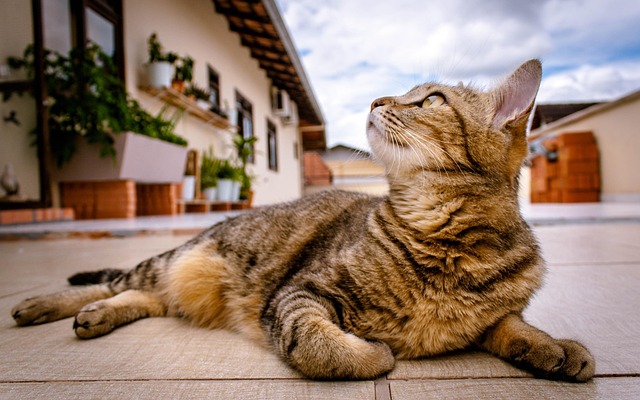
Spotting the Signs: Symptoms of Lactose Intolerance
Recognizing the symptoms of lactose intolerance is crucial for any cat owner who might have offered milk to their pet. These signs typically appear within a few hours of consumption and can range from mild to severe. They are your cat’s way of telling you that their digestive system is struggling.
Common indicators include:
- Vomiting
- Diarrhea
- Abdominal pain or cramping
- Bloating and gas
- Lethargy or general discomfort
If you notice any of these signs after your cat has had milk, it’s a clear indication that milk is not agreeing with them. It’s important to stop offering milk immediately and ensure your cat has access to fresh water for hydration. If symptoms are severe or persist, a veterinary visit is recommended to rule out other underlying health issues.
What About Kittens and Milk?
While adult cats typically can’t handle milk, kittens are a different story. Newborn kittens rely entirely on their mother’s milk for essential nutrients, antibodies, and hydration. Nature to meet their specifically formulats this milk unique developmental needs. It’s rich in fat and protein and contains the necessary enzymes for their tiny digestive systems.
However, this doesn’t mean cow’s milk is a suitable substitute if a mother cat is unavailable or unable to nurse. Cow’s milk has a different fat and protein composition than cat’s milk, and it can still cause digestive problems for young kittens. If you find yourself caring for orphaned kittens, it’s vital to use a commercial kitten milk replacer. These are specifically formulated to mimic the nutritional profile of queen’s milk and are available at most pet supply stores and veterinary clinics.
According to the ASPCA, using a proper kitten formula is essential for healthy growth and to prevent serious health issues. For example, using cow’s milk can lead to malnutrition, dehydration, and diarrhea in vulnerable kittens. A standard kitten formula, when prepared correctly, provides the balanced nutrition they need to thrive. For instance, a typical kitten formula might contain around 30-35% fat and 25-30% protein, much higher than cow’s milk.

Safe Milk Alternatives for Your Feline Friend
The good news is that you don’t have to deny your cat a milky treat entirely. Several safer options are available that cater to a cat’s digestive system and nutritional needs. These alternatives are designed to be palatable for cats without causing the digestive upset associated with dairy milk.
Lactose-Free Milk
One of the most straightforward solutions is lactose-free milk. These products have had the lactose removed or broken down, making them digestible for most cats. Many brands now offer lactose-free milk specifically formulated for cats, often fortified with extra vitamins and minerals. When choosing a lactose-free option, always check the ingredients to ensure there are no added sugars or artificial sweeteners, which can be harmful.
Specialized Cat Milk Treats
Numerous pet food companies produce ‘cat milk’ or ‘milk treats’ designed for feline consumption. These products are typically made with a base of water, vegetable oils, and other flavorings cats enjoy. They are usually low in lactose or completely lactose-free and often contain added taurine, an essential amino acid for cats that can be deficient in non-meat diets.
When selecting a cat milk treat, look for brands that are transparent about their ingredients and have good reviews from other pet owners. For example, brands like Whiskas or Fancy Feast often offer these types of supplementary drinks. Always serve these in moderation as part of a balanced diet, not as a primary source of nutrition.
Other Safe Hydration Options
Beyond milk alternatives, cats need constant access to fresh, clean water. Some cats can be fussy drinkers, and adding a pet drinking fountain can encourage them to drink more. The running water appeals to their natural instincts. You can also add a small amount of unsalted, low-sodium chicken or beef broth (ensure it contains no onion or garlic powder) to their water to make it more appealing, but this should be done sparingly.
My Cat Drank Milk – What Should I Do?
Accidents happen, and if your cat has managed to sneak a lick of milk, don’t panic. The immediate course of action depends on how much they consumed and your cat’s known sensitivities. For a small, accidental sip from a very tolerant cat, you might not see any ill effects.
However, if your cat consumed a larger amount or is known to be sensitive, monitor them closely for the symptoms of lactose intolerance mentioned earlier: vomiting, diarrhea, bloating, or general discomfort. Ensure they have plenty of fresh water available. If your cat shows signs of distress, severe vomiting, or diarrhea, contact your veterinarian promptly. They can provide advice on managing symptoms and may recommend a probiotic or other supportive care.
In general, a single, small instance of drinking milk is unlikely to cause long-term harm, but it’s a clear signal to cat-proof your kitchen and ensure milk products are stored securely out of reach. It reinforces the importance of sticking to a diet appropriate for cats.
Expert Tips for Cat Hydration and Treats
As a veterinarian with years of experience, I’ve seen many owners eager to treat their cats. The key is to understand what truly benefits their health. For hydration, fresh water is paramount. Always ensure a clean bowl is available, and consider a water fountain if your cat is a reluctant drinker. Some cats prefer moving water.
When it comes to treats, think small and appropriate. A tiny piece of cooked, unseasoned chicken or fish can be a delightful reward. For a ‘milky’ experience, opt for commercially prepared cat milk substitutes or cat-specific dairy-free yogurts. These are formulated with feline health in mind. For instance, a commercially available cat milk treat might cost around £3-£5 for a small carton, providing a safe indulgence.
Worth noting, some owners try to give their cats goat’s milk, thinking it’s a better alternative. While goat’s milk has a different fat globule size than cow’s milk and might be slightly easier for some cats to digest, it still contains lactose. Unless it’s specifically labelled lactose-free, it carries the same risks as cow’s milk. Therefore, always check labels carefully and prioritize products designed for feline consumption.
Never use human milk products, even those labelled ‘lactose-free’ for humans, without first checking the ingredients for additives that could be harmful to cats. Simple is usually best when it comes to our feline companions’ diets.
Frequently Asked Questions
Can cats drink cow’s milk?
No, most adult cats can’t safely drink cow’s milk. They are typically lactose intolerant and lack the enzyme needed to digest lactose, which can cause digestive upset like vomiting and diarrhea.
What should cats drink instead of milk?
The best drink for cats is always fresh, clean water. For a treat, consider specially formulated cat milk products or lactose-free milk alternatives designed for felines.
Is lactose-free milk safe for cats?
Lactose-free milk specifically made for cats is generally safe, as the lactose has been removed or broken down. Always check the ingredients for added sugars or harmful additives.
Can kittens drink cow’s milk?
No, kittens should not drink cow’s milk. They need a specialized kitten milk replacer, as cow’s milk has an improper nutritional balance and can cause digestive problems for them.
What are the symptoms if a cat drinks milk?
Symptoms typically include vomiting, diarrhea, bloating, gas, and general lethargy or discomfort, usually appearing within a few hours of consumption.
Can cats drink goat milk?
While goat’s milk may be slightly easier for some cats to digest than cow’s milk due to its fat composition, it still contains lactose and can cause similar digestive issues. Lactose-free options are safer.
Conclusion: Prioritizing Your Cat’s Health
While the romantic notion of cats enjoying milk persists, the reality is that for the vast majority of felines, cow’s milk is not a suitable drink. Understanding lactose intolerance is key to providing your cat with a healthy and comfortable life. By opting for fresh water as their primary beverage and choosing specially formulated cat milk alternatives for occasional treats, you can ensure your beloved companion stays happy and free from digestive distress.
The most actionable takeaway is to always consult your veterinarian if you’re unsure about introducing new foods or treats to your cat’s diet. They can offer tailored advice based on your cat’s individual health needs.
Source: Britannica.