Effective dog ear infection treatment requires a veterinary diagnosis to identify whether yeast, bacteria, or ear mites are responsible. You can then use targeted prescription medicated drops or topical ointments. Before applying drops, clean the ear canal with a vet-approved ear solution. This allows the medication to penetrate deep inside and eliminate the underlying infection.
If your dog is shaking their head, scratching at their ears, or showing redness, prompt care stops the infection from spreading deeper into the inner ear. Understanding how to manage a dog ear infection helps restore your pet’s comfort quickly. This also prevents permanent damage to their hearing. Ear problems are a common health concern for our canine companions. However, with proper veterinary guidance and consistent care, most dogs recover fully within one to two weeks.
Why do dogs get ear infections so easily?
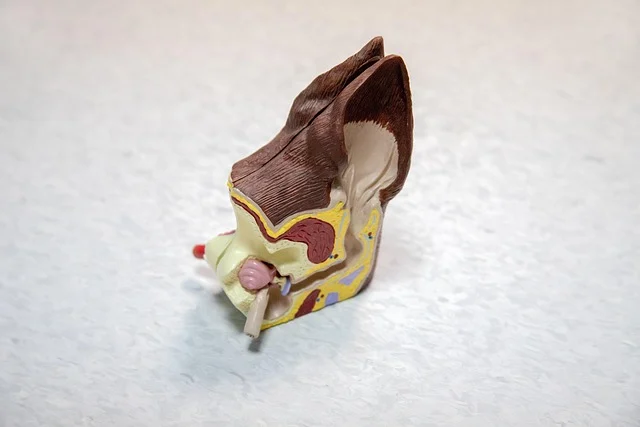
A dog’s ear canal is L-shaped. It goes down from the ear opening. Then it turns sharply right, heading toward the eardrum. This shape traps moisture, wax, and dead skin. It also holds debris deep inside. This makes a warm, dark place. Microorganisms thrive here, making it a common site for a dog ear infection treatment.
Ear infections are categorized into three types based on where they occur within the ear structure:
- Otitis externa: Inflammation or infection of the outer ear canal up to the eardrum. This is the most frequent form and is easiest to treat when caught early.
- Otitis media: Infection of the middle ear cavity behind the eardrum. It usually develops when an untreated outer ear infection ruptures the tympanic membrane.
- Otitis interna: Infection of the inner ear structures responsible for hearing and balance. This severe stage can cause permanent balance problems, head tilt, or hearing loss.
Identifying the primary causes early stops simple outer ear inflammation from escalating into complex, painful conditions that require long-term treatment.
What are the symptoms of a dog ear infection?
Early detection allows for quicker, less painful recovery. Dogs exhibit distinct behavioral and physical cues when experiencing ear discomfort. By recognising these signs, you can seek treatment before severe swelling closes the ear canal.
Watch for these signs of an active ear infection:
- Head shaking and tilting: Violent or frequent head shaking is a classic sign of fluid, wax, or pain inside the ear canal.
- Scratching and rubbing: Dogs may paw frantically at their ears. They may also rub their head against carpets and furniture to seek relief.
- Redness and swelling: The ear flap (pinna) and canal entrance look bright red, puffy, and inflamed.
- Abnormal discharge: Discharge may appear yellow, dark brown, greenish, or purulent (pus-like) with a thick or waxy texture.
- Unpleasant odor: Infections produce distinct smells. Yeast overgrowth often smells like stale beer or sweet corn chips, while bacterial infections produce a pungent, foul scent.
- Pain and sensitivity: Your dog may yelp, pull away, or show subtle signs of aggression when you touch their head or ear flap.
- Crusting and scabs: Persistent scratching causes hair loss, bleeding, and scab formation along the outer ear flap.
- Loss of balance: Severe cases affecting the inner ear lead to disorientation, unsteadiness, circling, or rapid, involuntary eye movements.
What causes dog ear infections?
Dog ear infections are rarely primary illnesses on their own. Instead, an underlying trigger alters the microclimate of the ear canal. This allows standard skin bacteria or yeast to overpopulate, or allows external parasites to take hold. Effective treatment and prevention relies on addressing these primary drivers.
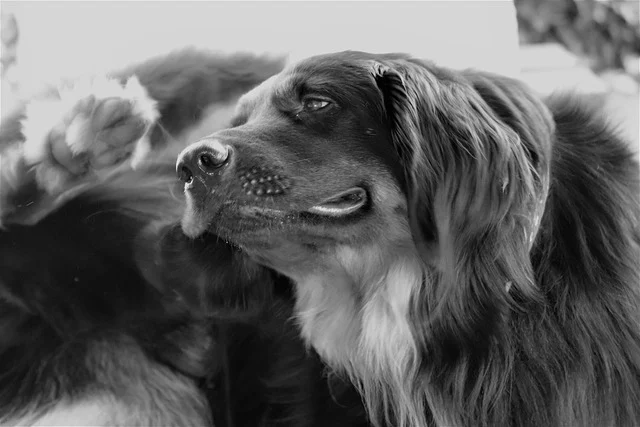
Allergies and skin hypersensitivity
Allergies cause most chronic ear infections in dogs. The American Kennel Club (AKC) (2026) states this. Environmental allergens like pollen, dust mites, and molds cause skin inflammation. Food allergies also cause it. The ear canal has modified skin. Allergic reactions increase wax. Tissue swells, trapping moisture. This outlines dog ear infection treatment challenges.
Bacterial and fungal overgrowth
Healthy dog ears naturally have low bacteria and yeast. Moisture or inflammation breaks down ear defenses. These organisms then multiply rapidly. The yeast Malassezia pachydermatis causes dark, greasy discharge and intense itching. Bacterial invaders like Staphylococcus or Pseudomonas create painful, wet infections. These infections have yellow or green pus. Proper dog ear infection treatment addresses these issues.
Parasites like ear mites
Microscopic ear mites (Otodectes cynotis) live inside the ear canal, feeding on wax and epidermal tissue oils. Mite infestations trigger intense itching and produce a characteristic dark, dry, crumbly discharge that resembles coffee grounds. Also, mites are highly contagious among pets and are common in puppies and rescue dogs.
Moisture and foreign objects
Water trapped in the ear canal after swimming or bathing softens the skin lining, weakening its barrier against microorganisms. Similarly, foreign bodies like grass seeds, dirt, or dried grooming products can get lodged in the narrow horizontal canal, triggering localized inflammation and severe secondary infection.
Breed anatomy and hair growth
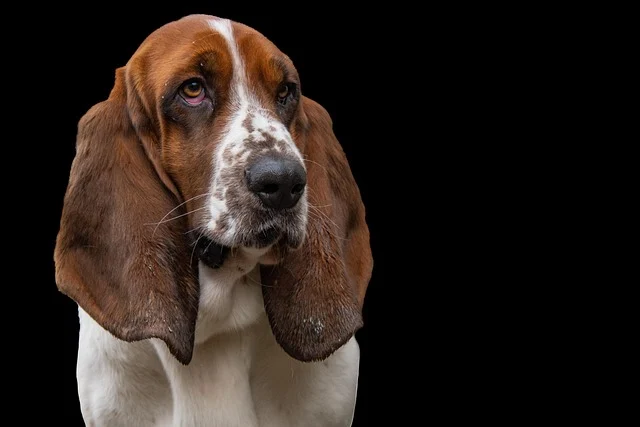
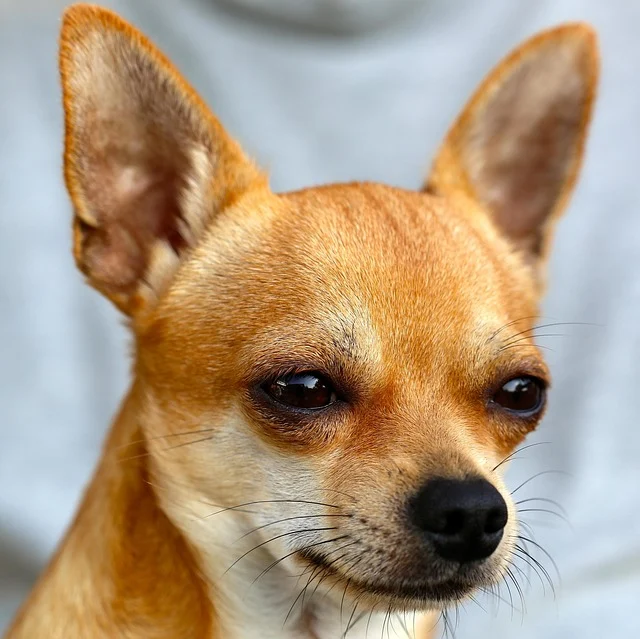
Breeds with heavy, pendulous ear flaps (such as Cocker Spaniels, Basset Hounds, and Golden Retrievers) suffer from reduced air circulation, which traps heat and humidity. Breeds like Poodles and Schnauzers grow dense hair directly inside the ear canal, trapping wax and debris unless carefully maintained.
How do veterinarians diagnose ear infections?
You must make an accurate diagnosis before starting any dog ear infection treatment. Administering leftover drops or generic cleaners without knowing the specific cause can prolong the infection. This can also promote antibiotic resistance or damage the ear if the eardrum is ruptured.
Otoscopic examination
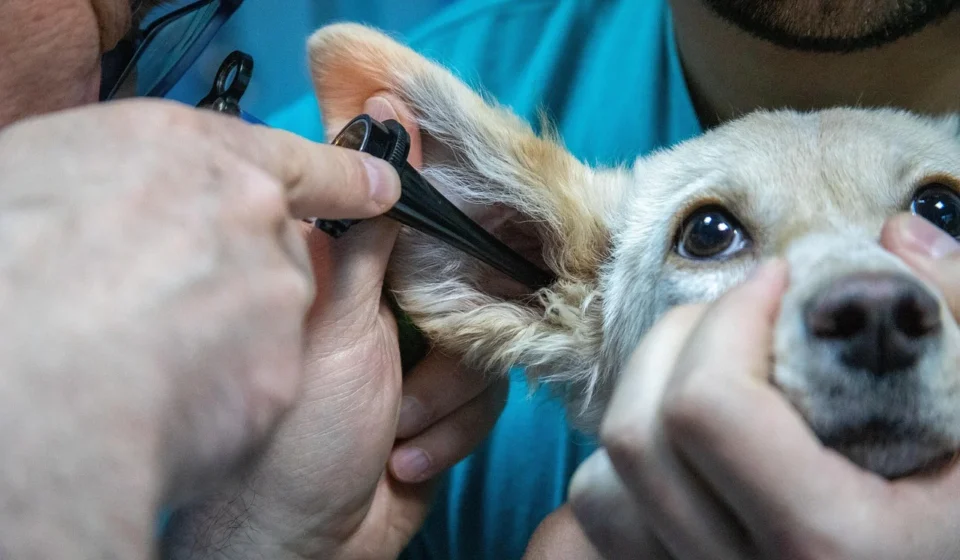
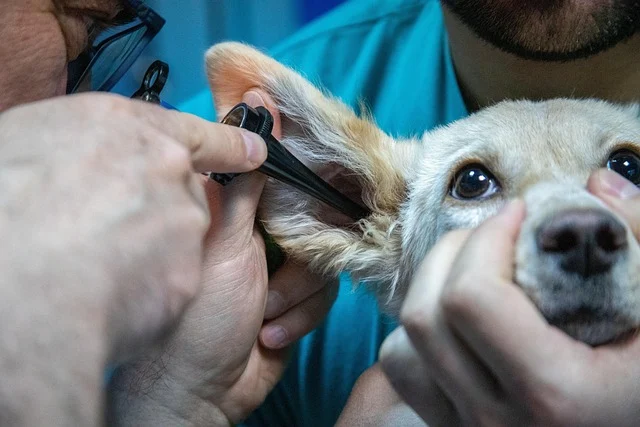
A veterinarian uses an otoscope. This lighted instrument has a magnifying lens. It examines the vertical and horizontal ear canals. This inspection checks for swelling and tissue narrowing. It also looks for foreign objects and polyps. The vet confirms if the eardrum is intact. If torn, some medicated ear drops are unsafe. They can cause inner ear toxicity. This is important for dog ear infection treatment.
Ear cytology
The veterinarian swabs ear canal debris. They spread, stain, and examine it microscopically. Veterinary Partner (2026) states microscopic evaluation identifies yeast, cocci, rods, or mites. This helps in dog ear infection treatment. As a result, cytology guides the vet to select targeted medication, matching the identified organisms.
Bacterial culture and sensitivity testing
For recurrent, chronic, or severe bacterial infections (especially those involving rod-shaped bacteria like Pseudomonas), the veterinarian sends a swab sample to a laboratory. The lab grows the bacteria and tests various antibiotics against it to identify the exact medication required to clear the infection.
What treatment options are available for dog ear infections?
Veterinary treatment combines thorough ear cleaning, targeted topical or oral medications, and addressing underlying health triggers. Consultation fees and diagnostic testing typically range between £50 and £150, with prescribed medications adding to the overall cost depending on the condition’s complexity.
| Treatment Option | Best Suited For | How It Is Administered | Key Considerations |
|---|---|---|---|
| Topical Combination Drops | Acute outer ear infections (yeast, bacteria, or mild inflammation) | Daily liquid drops squeezed into the cleaned canal at home for 7–14 days. | Requires consistent daily handling; ears must be cleaned before drops are applied. |
| Long-Acting Vet-Applied Gel | Dogs that resist home ear handling; uncomplicated otitis externa | Single dose applied directly by the veterinarian in clinic; acts over 7–14 days. | No home ear cleaning or drops allowed during treatment; requires intact eardrum. |
| Systemic Oral Medications | Middle ear infections, severe bacterial growth, or extreme tissue swelling | Daily oral tablets (antibiotics, antifungals, or anti-inflammatory steroids). | Addresses deep-seated infections and severe pain from the inside out. |
| Sedated Ear Flushing | Ears tightly packed with heavy wax plugs, thick pus, or severe pain | Flushed with specialized warm equipment under light sedation or anesthesia. | Allows deep inspection and cleaning of sensitive ear tissue safely. |
Topical prescription drops
Most uncomplicated outer ear infections respond quickly to daily topical drops prescribed by a vet. These combination medications usually contain an antifungal agent (such as clotrimazole or miconazole), an antibiotic (such as gentamicin or polymyxin B), and a topical steroid (such as hydrocortisone or dexamethasone) to soothe swollen, itchy skin immediately.
Long-acting single-dose treatments
If your dog resists ear handling or daily drops are difficult, single-dose gels offer a solution. A veterinarian cleans the canal. Then, they apply a gel. This gel adheres to the lining. It slowly releases antifungal, antibacterial, and anti-inflammatory ingredients. This is a common dog ear infection treatment. The release happens over one to two weeks. During this period, keep ears dry. Avoid home cleaning.
Oral systemic treatments
When infection invades the middle ear, or severe inflammation closes the ear canal, topical drops cannot reach the source. In these situations, veterinarians prescribe oral antibiotics, oral antifungals, or short courses of oral steroids (like prednisolone). This dog ear infection treatment reduces tissue swelling and fights deeper infections through the bloodstream.
How to clean and apply medicated drops at home
Proper application ensures medicine reaches deep into the horizontal canal rather than remaining on the outer ear flap. Follow these step-by-step instructions for safe home administration:
- Gather your supplies: Obtain a vet-approved ear cleaning solution, prescribed ear drops, clean cotton wool pads or balls, and high-value treats. Avoid using cotton buds or cotton swabs.
- Position your dog: Sit alongside your dog and gently rest their head against your legs to keep them steady. Reward them with a treat to keep them calm.
- Fill the ear canal: Lift the ear flap vertically to straighten the vertical canal. Place the tip of the ear cleaner bottle near the canal entrance (do not push the tip inside) and squeeze liquid until the canal is full.
- Massage the ear base: Gently fold the ear flap down and massage the soft cartilage at the base of the ear for 20 to 30 seconds. You should hear a distinct squishing sound as the liquid breaks up wax and debris deep inside.
- Let your dog shake their head: Step back and allow your dog to shake their head freely. Centrifugal force brings loosened debris up from the horizontal canal into the outer ear opening.
- Wipe away loosened debris: Wrap a cotton pad around your finger and gently wipe away wax, cleaner, and discharge from the outer ear flap and upper canal opening. Never force cotton pads or fingers deep into the ear opening.
- Apply prescription drops: Once the ear flap has dried, lift the ear flap vertically again and squeeze the exact prescribed number of medicated drops into the canal. Next, gently massage the base of the ear once more to distribute the medication evenly across the tissue.
Always complete the entire course of treatment prescribed by your veterinarian, even if your dog’s ears look completely clear after a few days. Stopping medication early allows surviving bacteria or yeast to multiply and develop resistance.
What should you never use in your dog’s ear?
Home remedies frequently shared on social media can cause severe chemical burns and delay proper medical treatment. Avoid putting any of the following substances in your dog’s ears:
- Hydrogen peroxide: Hydrogen peroxide damages healthy tissue cells, causes bubbling irritation inside the raw canal, and leaves excess moisture behind that fosters bacterial growth.
- Rubbing alcohol: Alcohol creates intense burning and stinging when applied to inflamed or raw skin, causing severe distress and pain.
- Undiluted vinegar: Acetic acid in undiluted or poorly mixed vinegar solutions severely burns ulcerated ear skin.
- Human ear drops: Human ear medications are formulated for human skin pH and anatomical structures. As a result, they can cause irritation or toxicity in dogs.
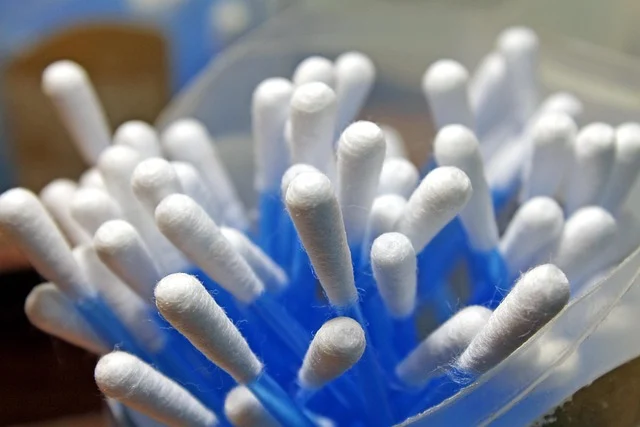
- Cotton buds (Q-tips): Inserting cotton swabs into the canal acts like a ramrod, pushing wax, debris, and bacteria deeper against the eardrum and risking accidental perforation.
What if the ear infection keeps coming back?
Recurrent ear infections—where inflammation returns shortly after completing a course of treatment—signal that an underlying primary driver remains uncontrolled. Long-term management requires investigating systemic health triggers.
Identifying underlying allergies
When ear infections return repeatedly, environmental triggers or food allergies are almost always involved. Your veterinarian may recommend a strict 8-to-12-week elimination diet trial. You can use a hydrolysed protein or novel protein food to rule out food sensitivities. For environmental allergies, long-term options help stop recurring ear inflammation. These include daily allergy medications, targeted skin barrier treatments, or allergen immunotherapy. If you suspect your dog’s skin symptoms are linked to broader systemic sensitivities, see Finding the Best Cats for Cat Allergies for more details on managing canine skin allergies.
Managing hair and ear anatomy
For dogs with heavy hair growth inside the canal entrance, careful hair trimming improves air circulation. However, debate exists regarding hair plucking inside the ear canal, as pulling hair can trigger acute skin inflammation; consult your vet to decide whether trimming or selective plucking suits your dog best.
Surgical options for end-stage ears
When chronic ear disease is end-stage, repeated infections cause irreversible thickening, scarring, and calcification. Medications cannot enter the ear canal. In these advanced scenarios, your vet may recommend Total Ear Canal Ablation and Bulla Osteotomy (TECA-BO). This surgery removes the diseased ear canal entirely. It offers permanent pain relief. This is a common dog ear infection treatment.
Frequently asked questions
Can an ear infection in a dog be treated at home without a vet?
We do not recommend treating an active ear infection at home without a veterinary diagnosis. Because cleaning solutions cannot eliminate established bacterial or fungal infections. Applying medications without confirming that the eardrum is intact can cause hearing loss or neurological damage.
How long does dog ear infection treatment typically take?
Most uncomplicated outer ear infections clear within 7 to 14 days of consistent treatment. However, severe, chronic, or middle ear infections can require four to eight weeks of combined topical and systemic medications alongside repeat veterinary recheck exams.
Are some dog breeds more prone to ear infections?
Yes, dogs with long, pendulous ear flaps (such as Cocker Spaniels, Basset Hounds, and Golden Retrievers) and breeds with heavy hair growth inside the ear canal (like Poodles and Schnauzers) have higher infection risks due to poor airflow and moisture retention.
What does a dog ear infection smell like?
Fungal yeast infections typically produce a sweet, musty odor similar to stale beer or corn chips. In contrast, bacterial ear infections produce a sharp, pungent, unpleasant smell caused by pus and cellular breakdown.
Can a dog ear infection go away on its own?
Ear infections virtually never resolve without medical intervention. As a result, leaving an ear infection untreated causes escalating pain, severe swelling, potential eardrum rupture, and permanent damage to hearing and balance structures.