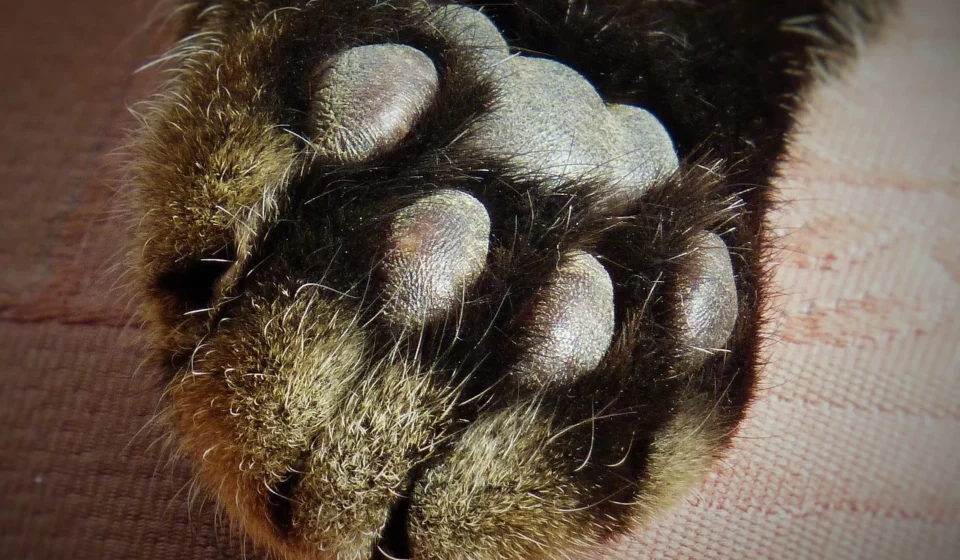
What are cat toe beans made of?
Cat toe beans have a thick, leathery epidermis. This covers specialized fatty connective tissue. The tissue acts as a natural shock absorber. It distributes pressure. Also, it reduces impact during jumps, landings, and movement. Beneath this protective outer layer, the pads have many nerve endings. So, they are very sensitive to pressure, temperature, and texture. This is important for a cat’s proprioception and environmental awareness.
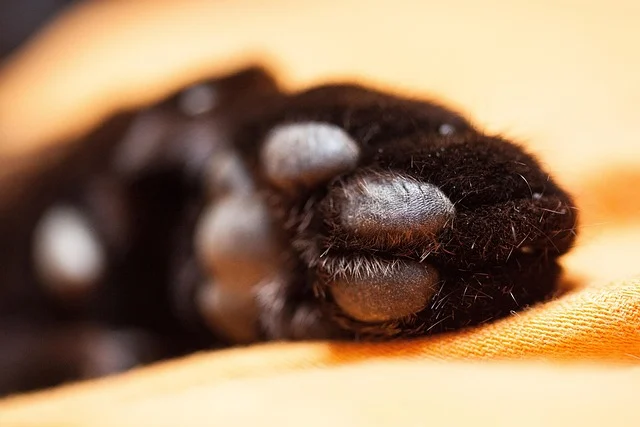
Beyond their structural and sensory roles, toe beans also house sweat glands. These glands help regulate body temperature, especially in warm environments. Cats primarily sweat through their paw pads. Additionally, scent glands are present. These allow cats to deposit their unique scent as a form of territorial marking when they scratch or knead surfaces. This complex composition makes the toe beans multifunctional. Therefore, they are vital organs for a cat’s daily life.
How many cat toe beans does a cat have?
A typical cat has 18 toe beans. These are spread across all four paws. Each front paw usually has five pads. There are four smaller digital pads, which are the ‘toes’. Also, one larger, heart-shaped metacarpal pad acts as the ‘palm’. In addition, a small carpal pad is on the inside of each front leg. It is slightly above the paw. People often call it a ‘wrist bean’. It helps cats brake when they descend from heights or make sharp turns. Each back paw typically has four digital pads. It also has one larger metatarsal pad. This totals five pads per hind paw. However, hind paws do not have a carpal pad.
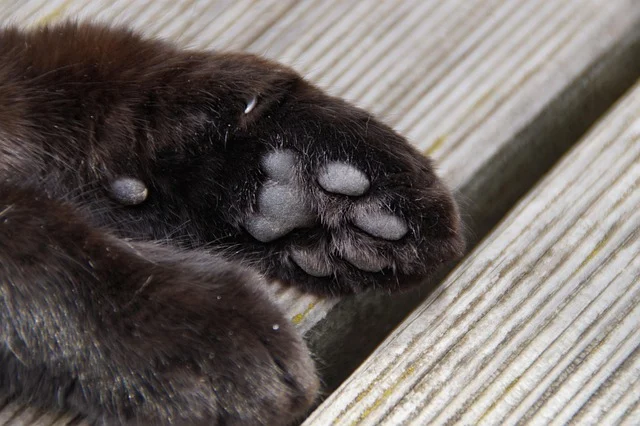
- Front Paws: 4 digital pads + 1 metacarpal pad + 1 carpal pad = 6 pads per front paw (12 total for both front paws)
- Back Paws: 4 digital pads + 1 metatarsal pad = 5 pads per back paw (10 total for both back paws)
This standard count can vary slightly in polydactyl cats, which have extra digits and, consequently, more toe beans. These variations are generally harmless and are a genetic trait.
Why are cat toe beans different colors? (Cat toe bean colors & color meaning)
Genetics and melanin determine the color of a cat’s toe beans. Melanin is the same pigment that colors their fur and skin. As a result, a cat’s paw pad color often matches their coat color. The distribution and concentration of melanin dictate the specific shade and pattern of the beans.
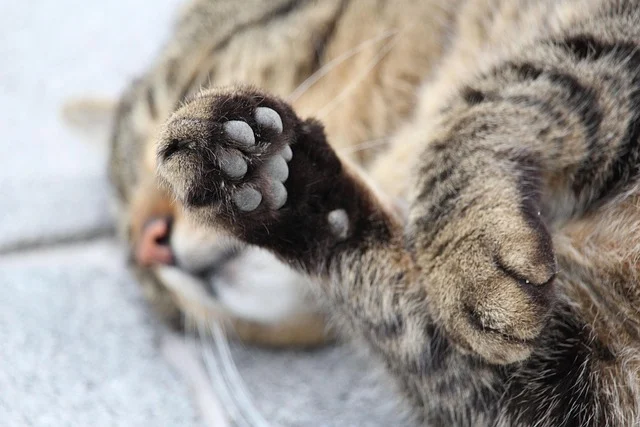
Common Cat Toe Bean Colors and Their Meanings
- Pink Toe Beans: Cats with white, cream, or lighter-colored fur often have pink toe beans. For example, Siamese or Himalayan breeds show this. This indicates a lower melanin concentration.
- Black Toe Beans: Cats with black, dark brown, or dark grey fur often have black toe beans. This is because they have a high concentration of melanin.
- Brown or Liver-Coloured Toe Beans: Typically seen in cats with chocolate, cinnamon, or red/ginger fur.
- Spotted or Mottled Toe Beans: Calico, tortoiseshell, or tabby cats often have multi-colored beans. They show a mix of pink, black, and/or brown. This happens when different paw pad areas produce varying melanin amounts.
There is no specific “meaning” behind the colour of a cat’s toe beans beyond their genetic predisposition. The colour does not indicate personality, health, or any special traits; it is purely a cosmetic genetic expression.
Are cat toe beans sensitive?
Yes, cat toe beans are very sensitive. They have many nerve endings. Therefore, they respond to touch, pressure, vibration, and temperature changes. This sensitivity is vital for a cat. It helps them navigate their environment. Also, they can maintain balance. They can even detect subtle changes on surfaces.
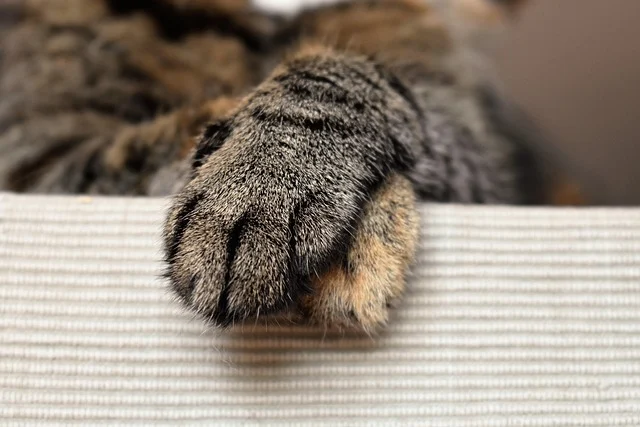
Because of this sensitivity, cats use their paw pads to gather information. They assess the ground’s texture, stability, and temperature before stepping. This also means that injuries, extreme temperatures, or rough surfaces can be particularly uncomfortable or painful. It is why cats are often particular about where they step. Also, it is why they may react strongly to having their paws touched.
Why are cat toe beans so cute?
The perception of cuteness is subjective, but several factors contribute to why many people find cat toe beans endearing:
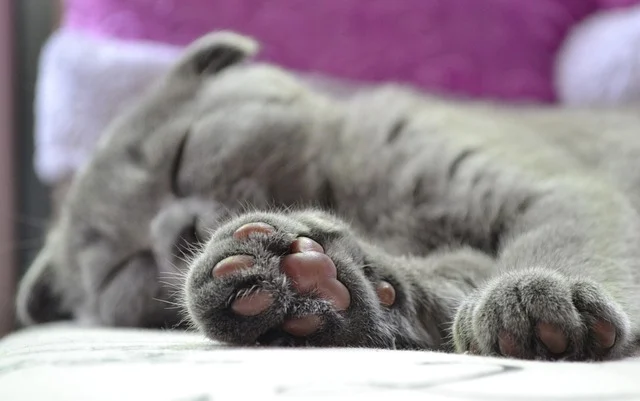
- Soft Appearance: Despite being tough, their rounded, plump, and often smooth appearance gives them a soft, squishy look, inviting touch.
- Vibrant Colors: Toe beans have a variety of vibrant colors. For example, pink against fur or charming mottled patterns add to their visual appeal. Also, they are visually appealing.
- Miniature Scale: Their small, delicate size, particularly on kittens, evokes a sense of fragility and preciousness.
- Sensory Contrast: The contrast between the soft fur and the firmer, yet still somewhat yielding, pads is tactilely appealing.
- Association with Comfort: You can often see toe beans when cats knead or relax. Therefore, we associate them with moments of contentment and affection.
Ultimately, toe bean cuteness adds to the broader appeal of cats. Because they are small, soft, and somewhat vulnerable, we find them adorable. This taps into our natural inclination.
Caring for Cat Toe Beans: Addressing Common Issues
Maintaining the health of your cat’s toe beans is important for their overall well-being and mobility. Regular inspection and appropriate care can prevent many common problems.
How often should I check my cat’s toe beans?
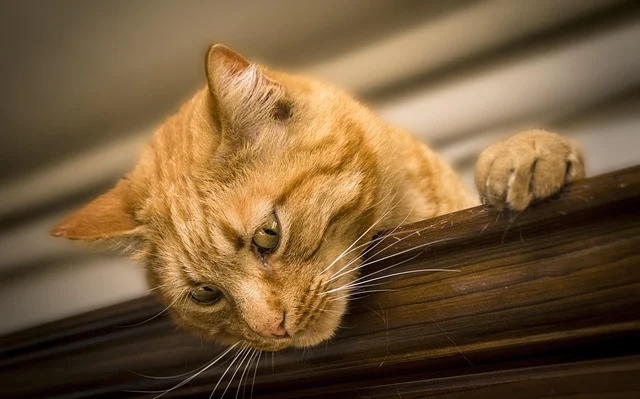
It’s advisable to check your cat’s toe beans at least weekly, and more thoroughly after they have been outdoors or engaged in strenuous activity. This routine helps you identify potential issues early before they become serious problems.
Steps for a thorough paw pad inspection:
- Gentle Handling: Choose a calm moment when your cat is relaxed. Gently hold their paw, being mindful of their sensitivity.
- Visual Check: Look closely at all pads – digital, metacarpal/metatarsal, and carpal. Observe their general colour, texture, and shape.
- Feel for Texture: Gently feel the pads. They should be firm but slightly pliable. Note any areas that feel excessively rough, hard, or overly soft.
- Look for Damage: Check for dryness, cracks, cuts, abrasions, blisters, or peeling skin.
- Check Between Toes: Spread the toes gently to look for foreign objects (thorns, burrs, small stones, litter particles), matted fur, redness, swelling, or signs of irritation.
- Nail Health: While checking the pads, also inspect the claws for length, sharpness, and any signs of ingrown nails.
- Temperature: Feel the pads for unusual warmth, which could indicate inflammation or infection.
Are dry cat toe beans a problem?
While some cats naturally have drier beans, excessive dryness, cracking, or peeling can be uncomfortable and lead to infection. Dryness can make the pads less effective as shock absorbers and more prone to injury. It may indicate dehydration, allergies, nutritional deficiencies, environmental factors (like walking on rough or hot surfaces), or even underlying health conditions requiring veterinary attention.
Addressing dry toe beans:
- Hydration: Ensure your cat has constant access to fresh water.
- Environmental Factors: Protect paws from extreme temperatures (hot pavement, icy surfaces) and harsh chemicals.
- Paw Balms: Only use pet-specific paw balms formulated for cats. Many human lotions contain ingredients toxic to felines. Always test a small area first and observe for any adverse reactions. Apply a small amount and distract your cat to prevent them from immediately licking it off.
- Veterinary Consultation: If dryness persists, is severe, or accompanied by other symptoms like lameness, swelling, or pain, consult your veterinarian to rule out medical causes.
Can cat toe beans change color?
Generally, a cat’s toe bean color is genetic. It does not change much during their life. However, subtle changes or variations can occur.
- Age: Very slight fading or darkening might occur with age.
- Sun Exposure: Prolonged sun exposure can sometimes cause slight darkening or freckling in lighter-coloured pads.
- Injury or Infection: Inflammation or infection can cause temporary redness or discolouration in the affected area.
- Staining: External factors like dirt, certain types of litter, or contact with coloured substances can temporarily stain the pads.
- Hyperpigmentation: In rare cases, certain medical conditions can lead to increased pigmentation (darkening) of the paw pads.
You should have a veterinarian examine any sudden or significant change in your cat’s paw pad color. This is especially true if you also see swelling, pain, or limping.
Can cat toe beans fall off? (Cat toe bean injury)
No, healthy cat toe beans cannot “fall off.” They are an integral part of the paw structure. Multiple layers of skin and fatty tissue firmly attach them to the underlying bone and connective tissues. However, severe injuries can tear, lacerate, or avulse (forcibly detach) portions of the pad.
Causes of severe paw pad injury:
- Deep Cuts or Lacerations: From sharp objects like glass, metal, or thorns.
- Burns: From walking on extremely hot surfaces or contact with corrosive chemicals.
- Frostbite: Prolonged exposure to extreme cold can damage tissue, potentially leading to necrosis and sloughing of the outer layers.
- Trauma: Being caught in machinery, severe falls, or fights with other animals.
If your cat sustains a severe paw pad injury, immediate veterinary attention is important to prevent infection, manage pain, and ensure proper healing. A cat with a damaged pad will often limp, lick the paw excessively, or avoid putting weight on it.
What if my cat’s toe beans are peeling?
Peeling toe beans can be a sign of several issues, ranging from mild irritation to more serious health concerns:
- Dryness/Dehydration: Insufficient moisture can lead to the outer layers of skin flaking off.
- Environmental Irritants: Exposure to harsh cleaning products, chemicals, or very rough surfaces can cause irritation and peeling.
- Allergies: Both environmental and food allergies can manifest as skin issues, including peeling or redness on the paw pads.
- Burns: Mild burns, such as from hot pavement, can cause the top layer of skin to blister and then peel.
- Pemphigus: This is a rare autoimmune disease where the body attacks its own skin cells, leading to blisters and peeling.
- Nutritional Deficiencies: Lack of essential fatty acids or other nutrients can impact skin and paw pad health.
If you notice your cat’s toe beans are peeling, especially if accompanied by redness, swelling, pain, or limping, it’s important to consult your veterinarian for an accurate diagnosis and appropriate treatment.
What if my cat’s toe beans are swollen?
Swollen toe beans are a clear indication of inflammation or injury and warrant prompt attention. Causes can include:
- Injury: A sprain, bruise, or fracture within the paw.
- Foreign Object: A thorn, splinter, or insect sting embedded in the paw can lead to localized swelling and infection.
- Infection: Bacterial or fungal infections, especially if there’s a small wound or crack, can cause significant swelling, redness, and pain.
- Allergic Reaction: An allergic reaction to an insect bite, plant, or chemical can cause acute swelling.
- Puncture Wound/Abscess: A small, unnoticed puncture wound can develop into an abscess, leading to a painful, swollen area filled with pus.
- Pododermatitis: This is a general inflammation of the paw pads. Allergies can cause it. Autoimmune diseases or infections are also causes.
- Tumors or Cysts: While less common, growths can also cause localized swelling.
If your cat’s toe beans are swollen, observe them for other symptoms. Look for limping, excessive licking, pain upon touch, or discharge. A veterinary visit is essential to determine the cause. Your vet can then initiate treatment. This might include antibiotics, anti-inflammatories, or removal of a foreign object.
What about cat toe bean socks or paw protectors?
Cat toe bean socks or paw protectors are specialized coverings. They protect a cat’s paw pads from various environmental hazards. Also, they can aid in recovery from injury.
When they might be used:
- Protection from Harsh Surfaces: For outdoor cats or cats walking on hot pavement, icy surfaces, or rough terrain.
- Injury Recovery: To keep bandages clean, protect a healing wound, or prevent the cat from licking a medicated area.
- Allergy Management: To prevent direct contact with environmental allergens.
- Traction: Some socks have anti-slip properties to help older or injured cats with mobility on slippery floors.
You should choose cat-specific products. Make sure they fit well. Avoid socks that are too tight or too loose. Ill-fitting socks can be uncomfortable. They can also restrict circulation or fall off easily. Always supervise your cat when they wear paw coverings. Do this especially at first. This ensures they tolerate them. Also, you can check for any irritation.
Understanding Cat Paw-Related Behaviors
Why does my cat knead with its paws?
Kneading, often called ‘making biscuits’, is a behaviour learned in kittenhood to stimulate milk flow from their mother. Adult cats often knead when content and relaxed, as the sensation is comforting and associated with security and affection. It’s a deeply ingrained instinct that signifies a feeling of safety and happiness. Cats may also knead to mark territory using the scent glands in their paw pads.
Why do cats hide their paws?
Cats often tuck their paws under their bodies when resting or sleeping. This behaviour serves several purposes:
- Warmth: Tucking paws close to the body helps conserve body heat.
- Protection: It’s a natural defensive posture, keeping their sensitive paw pads safe from potential threats or cold surfaces.
- Comfort: Many cats find this position comfortable and secure for napping.
- Relaxation: It’s a sign that your cat feels safe and relaxed in their environment.
Why do cats nibble on their paws?
Occasional, gentle nibbling or grooming of paws is a normal part of a cat’s hygiene routine. However, excessive or aggressive nibbling, licking, or chewing of the paws can indicate an underlying problem:
- Allergies: Environmental or food allergies can cause itchy paws.
- Pain or Injury: A thorn, cut, bruise, or even an ingrown nail can cause a cat to focus on the painful area.
- Parasites: Fleas, mites, or other external parasites can cause intense itching.
- Dry Skin: Very dry or irritated paw pads can lead to discomfort.
- Anxiety or Stress: Compulsive licking or chewing can be a self-soothing behaviour in stressed cats.
- Fungal or Bacterial Infection: Infections can cause itching, irritation, and discomfort.
If you see your cat excessively nibbling their paws, inspect them. Look for injuries or irritations. If the behavior continues, consult a veterinarian. They can diagnose and treat the cause. You can see similar behaviors in dogs.
[Related Article: Choosing Your Perfect Companion: A Deep Dive into Cat Breeds]
[Related Article: Hamster Cages and Their Important Role]
Source: Britannica
Frequently Asked Questions
What are the main functions of cat toe beans?
Cat toe beans act as natural shock absorbers, provide vital traction, and offer sensory input. They also enable cats to navigate quietly, regulate body temperature through sweat glands, and mark their territory using scent glands.
What determines the color of a cat’s toe beans?
Genetics determine the color of a cat’s toe beans. Melanin also plays a role. This is the same pigment that colors their fur. For example, cats with darker fur often have black or dark brown beans. Those with white or lighter fur may have pink beans. Also, patterned coats can have a mix of colors.
How often should I inspect my cat’s paw pads?
It’s advisable to check your cat’s toe beans at least weekly, and more thoroughly after they have been outdoors or engaged in strenuous activity. Look for dryness, cracks, cuts, foreign objects, swelling, or any signs of discomfort to keep them healthy.
Why do cats perform the kneading behavior with their paws?
Kneading, often called ‘making biscuits’, is a behavior learned in kittenhood to stimulate milk flow. Adult cats often knead when content and relaxed, as the sensation is comforting and associated with security and affection. It also allows them to mark territory with scent glands.
Is it safe to use human lotion on my cat’s dry paw pads?
No, only use pet-specific paw balms formulated for cats. Many human lotions contain ingredients toxic to felines. Always test a small area first and observe for any adverse reactions to ensure your cat’s safety and prevent them from ingesting harmful substances.