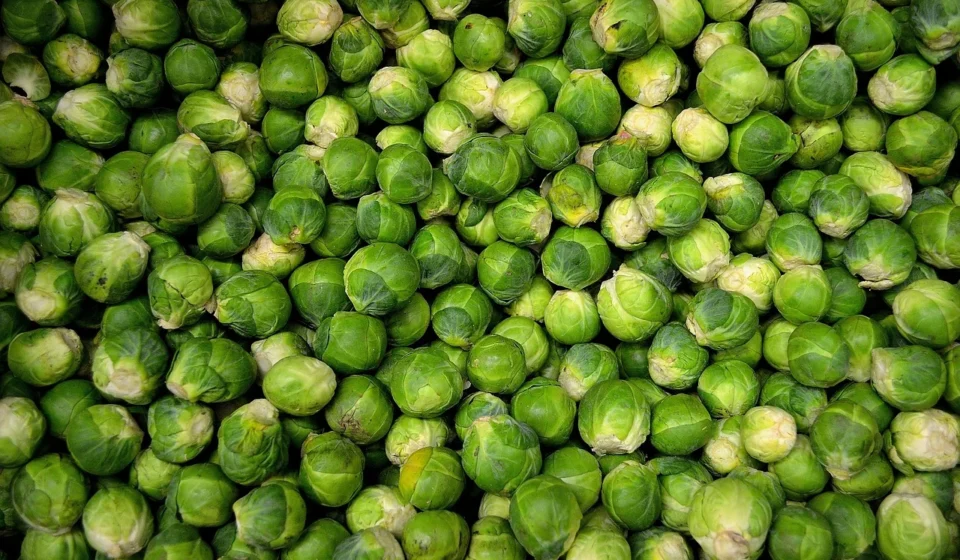
Yes, dogs can have Brussels sprouts safely. Cook them plain. Serve in strict moderation. These vegetables are rich in vitamins K and C. However, they contain isothiocyanates. These compounds naturally produce heavy flatulence and digestive gas in canine stomachs.
While Brussels sprouts offer a range of antioxidants and dietary fibre, throwing whole raw sprouts to your dog or overfeeding them can quickly lead to loose stools, stomach cramps, and severe gassiness. We recommend treating them as an occasional dietary topper rather than a regular treat, keeping total veggie extras under ten per cent of your dog’s daily calorie target.
Can dogs have brussel sprouts? the nutritional benefits
Brussels sprouts are cruciferous vegetables. Broccoli, cabbage, and kale are in this family. The People’s Dispensary for Sick Animals (PDSA) offers guidance. Non-toxic vegetables like sprouts make safe, low-calorie treats. For example, overweight dogs need dietary volume. They can have brussel sprouts without added sugar. This answers the question of whether can dogs have brussel sprouts.
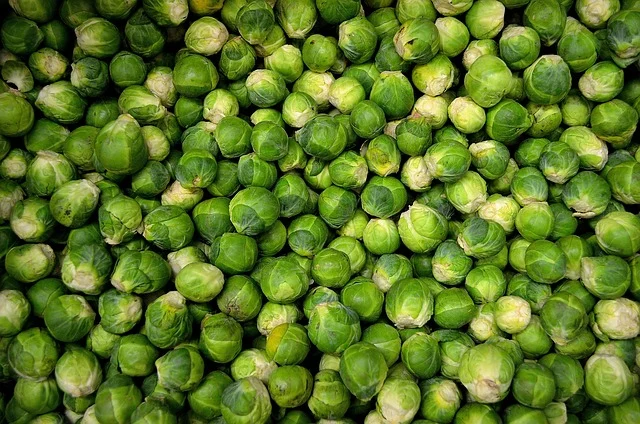
When given in small, manageable amounts, Brussels sprouts deliver several valuable micronutrients to your dog’s diet:
- Vitamin K1: Essential for proper blood clotting and bone density maintenance.
- Vitamin C: Acts as a powerful antioxidant that supports immune system function, though dogs produce their own vitamin C natively.
- Folate (Vitamin B9): Supports cellular growth, red blood cell formation, and DNA synthesis.
- Manganese: Aids enzyme function, carbohydrate metabolism, and joint health.
- Sulforaphane: A bioactive compound produced when sprouts are chopped or chewed, known for its cellular anti-inflammatory properties.
- Dietary Fibre: Promotes healthy bowel movements and feeds beneficial gut bacteria.
Why Brussels sprouts make dogs extra gassy
If you have ever fed a sprout to your dog, you are likely familiar with the immediate consequence: foul-smelling gas. This reaction occurs because Brussels sprouts contain high concentrations of isothiocyanates and sulfur-rich compounds.
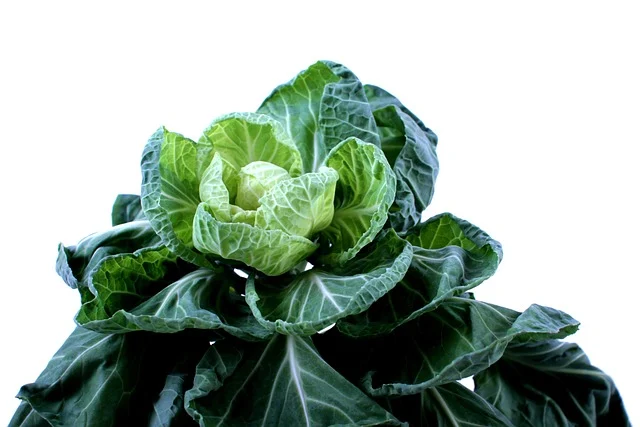
Thiocyanates stimulate gastrointestinal muscles. They speed food movement through the intestine. Bacteria in your dog’s colon break down sulfur-containing fibers. They release hydrogen sulfide gas. The result is intense, smelly flatulence. This can cause mild abdominal discomfort. Some sensitive animals may have audible stomach gurgling. This is important when considering, can dogs have brussel sprouts?
The dangers of raw sprouts and seasonings
Feeding raw Brussels sprouts directly from the stalk is a frequent mistake. Raw sprouts are tough, fibrous, and exceptionally difficult for a dog’s short digestive tract to break down efficiently. As a result, they present two specific dangers:
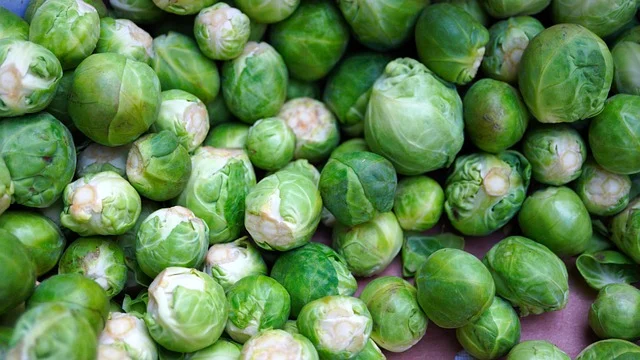
1. Choking hazards and intestinal blockage
A whole, raw sprout is firm and slippery. Small dogs and breeds prone to gulping food without chewing—such as Labradors or Beagles—can easily swallow a sprout whole. This can block the esophagus. It can lodge in the small intestine. This may require emergency surgery. This answers the question of whether can dogs have brussel sprouts.
2. Toxic seasonings and cooking oils
Human Brussels sprout recipes often contain dog-toxic ingredients. Garlic, onions, shallots, and chives have thiosulfates. These damage canine red blood cells. This leads to hemolytic anemia. Also, roasting sprouts in excessive butter, bacon fat, or olive oil increases calories. This can trigger acute pancreatitis. This is a painful pancreas inflammation. Many ask, “can dogs have brussel sprouts?” So, the answer requires caution.
How to safely prepare Brussels sprouts for your dog
To serve Brussels sprouts safely, you must strip away tough outer leaves and cook them thoroughly without any seasonings, salt, or fat. Follow these simple steps:
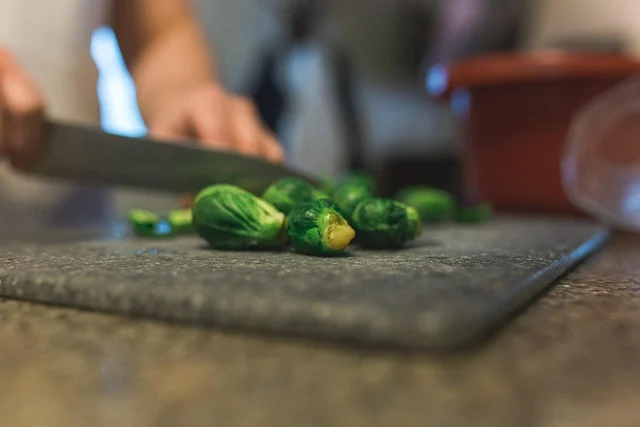
- Wash thoroughly: Rinse fresh sprouts under cold running water to remove dirt, debris, and farm pesticides.
- Trim the stalk: Cut off the hard, woody base stem, which is tough to digest and easy to choke on.
- Chop into portions: Cut each sprout into halves or quarters. For miniature or toy breeds, chop them into fine pieces.
- Cook thoroughly: Steam or boil the sprouts in plain water for six to eight minutes until tender when pierced with a fork. Steaming retains more nutrients than boiling while softening the plant tissues for easier digestion.
- Cool completely: Serve at room temperature to avoid scalding your dog’s mouth or throat.
Safe portion sizes by dog size
Portion control is critical when introducing any cruciferous vegetable. Even well-cooked sprouts will cause stomach distress if fed in high volumes. We recommend using the following serving guidelines based on body weight:
| Dog Size | Body Weight Range | Maximum Recommended Portion | Feeding Frequency |
|---|---|---|---|
| Toy / Small | Under 10 kg | 1/2 sprout (chopped) | Once or twice a week |
| Medium | 10 kg to 25 kg | 1 whole sprout (quartered) | Once or twice a week |
| Large | 25 kg to 45 kg | 2 whole sprouts (chopped) | Twice a week |
| Giant | Over 45 kg | 2 to 3 whole sprouts | Twice a week |
When offering sprouts for the first time, start with half of the recommended portion above and observe your dog for 24 hours. Look out for soft stools, vomiting, or excessive strain during defecation before offering them again.
Dogs that should not eat Brussels sprouts
Brussels sprouts are not suitable for every dog. You should withhold them entirely if your dog falls into any of the following categories:
- Dogs with sensitive stomachs or IBS: The rapid fermentation caused by isothiocyanates will easily flare up irritable bowel conditions or chronic colitis.
- Next, Dogs diagnosed with hypothyroidism: Like all brassicas, Brussels sprouts contain small amounts of nitrogens—compounds that can interfere with iodine absorption and thyroid hormone synthesis when consumed in large quantities.
- Dogs prone to pancreatitis: Any accidental exposure to fat-roasted sprouts can trigger a costly and painful hospital visit.
- Also, Dogs on strict prescription diets: Animals undergoing elimination trials for food allergies or renal support should stick strictly to their prescribed veterinary food.
Comparing Brussels sprouts to other dog-friendly vegetables
If you want to add healthy green vegetables to your dog’s food bowl, Brussels sprouts are only one option. Here is how they compare against other popular canine-safe vegetables:
| Vegetable | Key Benefit | Gas / Bloat Risk | Preparation Effort |
|---|---|---|---|
| Brussels Sprouts | High in Vitamin K & Sulforaphane | Very High | Moderate (Requires trimming & chopping) |
| Broccoli | Rich in Vitamin C & Fibre | High | Low (Cut into florets & steam) |
| Green Beans | Low calorie, high hydration | Low | Very Low (Raw or steamed) |
| Carrots | Beta-carotene & dental health | Low | Very Low (Serve raw sticks or soft boiled) |
If your primary goal is low-calorie crunch without the pungent room-clearing flatulence, green beans or carrots are generally superior choices for daily feeding.
Sources: Can Dogs Eat Brussels Sprouts?
Frequently asked questions
Can dogs eat raw Brussels sprouts?
No, dogs should not eat raw Brussels sprouts. Raw sprouts are extremely tough to digest, present a choking hazard for smaller dogs, and are much more likely to cause painful stomach cramps and gas than soft, cooked sprouts.
What happens if a dog eats too many Brussels sprouts?
If a dog eats too many sprouts, they will likely suffer from severe gaseous distension, loose stools, diarrhea, or vomiting. In most cases, however, symptoms resolve within 24 to 48 hours once the vegetable passes through the digestive tract.
Can dogs eat frozen Brussels sprouts?
Dogs can eat frozen Brussels sprouts provided they are cooked thoroughly beforehand. Never give frozen whole sprouts directly to your dog, as the rock-hard texture increases choke risks and can damage teeth.
Are sprout stalks safe for dogs to chew?
No, the long central stalks of Brussels sprouts are extremely fibrous, woody, and dangerous. Ingesting parts of the stalk can easily cause esophageal blockages or mechanical obstructions in the stomach and intestines.