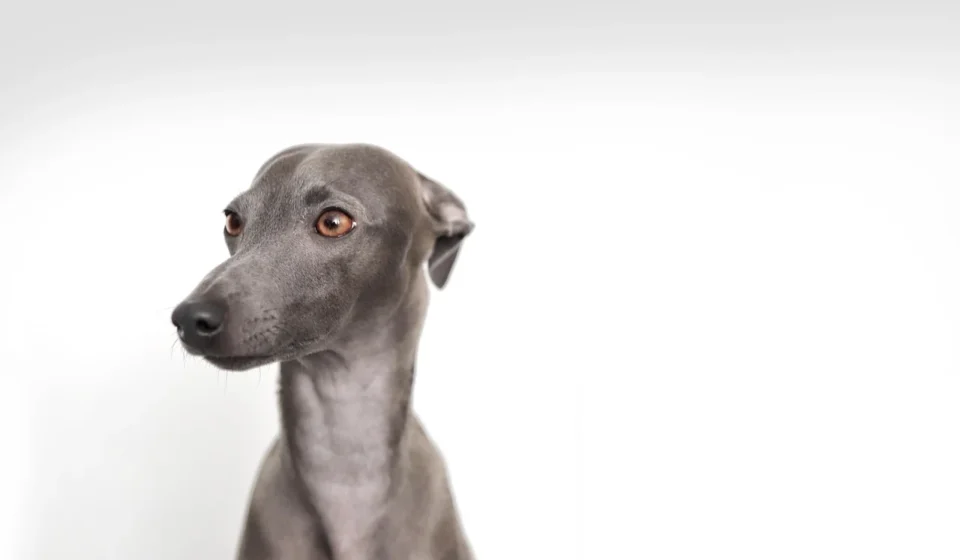
A greyhound puppy requires specific care tailored to rapid skeletal growth, a sensitive temperament, and low body fat reserves. Unlike retired racing adults, greyhound puppies are active, boisterous, and curious, needing gentle lead exercise, early socialisation, and warm bedding to protect their developing joints.
Most dog lovers associate sighthounds with serene, mature dogs resting on soft cushions. Bringing home a puppy from a breeder registered with the Kennel Club, however, is a very different experience. Young greyhounds combine the natural speed and prey drive of a sighthound with the sharp teeth, high energy, and mischief common to any young canine.
How do greyhound puppies differ from adult rescue greyhounds?
The primary difference between a greyhound puppy and an adult rescue greyhound lies in energy levels, routine training needs, and daily behaviour. Adult sighthounds adopted through rehoming charities such as the Greyhound Trust are typically mature, house-trained, and accustomed to quiet resting between short daily walks. In contrast, a puppy requires house training, crate acclimation, and biting boundaries from day one.
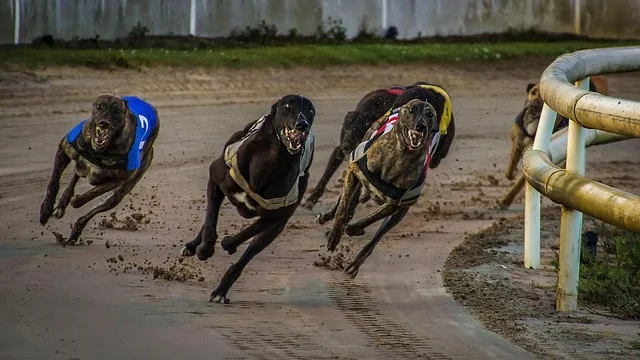
Adult greyhounds retired from racing through registering bodies like the Greyhound Board of Great Britain have already completed their physical growth. Puppies, however, undergo dramatic growth spurts during their first twelve months. Their long bones and fragile growth plates require careful protection against physical stress to prevent lifelong joint issues.
Behaviorally, puppies do not yet possess the calm indoor demeanor for which the breed is famous. Prospective owners are often caught off guard by how vocal, mouthy, and demanding a young sighthound can be before reaching physical and mental maturity at around two years of age.
What are the exercise and growth guidelines for a greyhound puppy?
A greyhound puppy should receive controlled, low-impact exercise to protect its developing skeleton and growth plates. A practical guideline is five minutes of formal lead walking per month of age, up to twice daily, until the dog reaches physical maturity. For example, a four-month-old puppy requires no more than twenty minutes of lead walking per session.
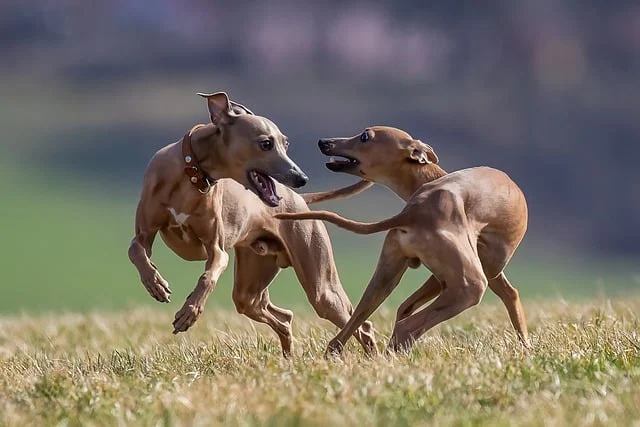
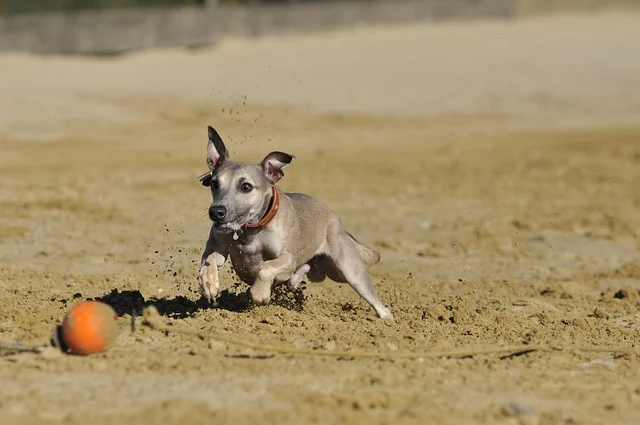
Uncontrolled sprinting on hard surfaces like concrete or asphalt must be strictly avoided. Adult sighthounds can reach high speeds. However, young puppies lack the muscular support and bone density to handle sudden turns or high-impact stops safely. High-impact activities, including jumping in and out of cars, leaping off furniture, or running up steep flights of stairs, present significant risks of stress fractures and ligament damage.
Off-lead play should take place on flat, enclosed grass areas. Short, free-form play sessions in a secure garden allow the puppy to build muscle tone naturally without being pushed into forced endurance exercise. If you are comparing sighthound breeds, remember that while a small Whippet or Italian Greyhound puppy reaches full physical size around twelve months, a standard greyhound continues filling out in frame and chest depth up to eighteen to twenty-four months.
How to prepare your home and garden for a greyhound puppy
Preparing your living space for a greyhound puppy involves addressing two key physical traits. One is thin skin with minimal fat padding. Another is an innate instinct to chase fast-moving objects. Sighthounds have fine coats and thin skin that tear easily on sharp branches, chicken wire, or rough fencing materials.
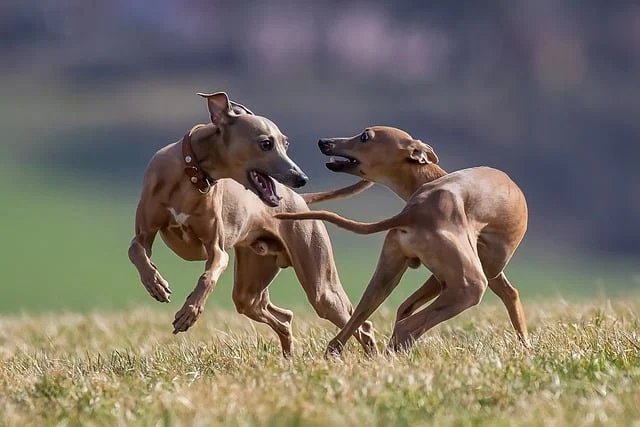
To secure your garden, inspect all perimeter boundaries thoroughly. Secure fencing of at least five to six feet in height is recommended. Even young sighthounds possess impressive jumping capability when motivated by a passing cat or squirrel. Ensure there are no sharp protruding nails or wire mesh gaps where slender legs could become caught.
Indoors, soft bedding is an absolute requirement rather than a luxury. Greyhounds lack the thick double coat and dense body fat of breeds like retrievers or shepherds. Resting on hard flooring can cause painful pressure sores and Hydromys on their elbows and hocks. Provide orthopedic foam beds or thickly padded vet fleece in every room where the puppy spends time.
Temperature control is another critical home preparation step. Young sighthounds lose body heat rapidly in cold weather. During autumn and winter walks, equip your puppy with a properly fitted fleece jumper or waterproof coat designed specifically for deep-chested breeds with narrow necks.
What should you feed a growing greyhound puppy?
A greyhound puppy requires a balanced diet formulated for medium-to-large breeds to support steady, controlled growth. Overfeeding or supplying excess calcium can cause excessively rapid bone growth, leading to developmental orthopedic disorders such as osteochondrosis.
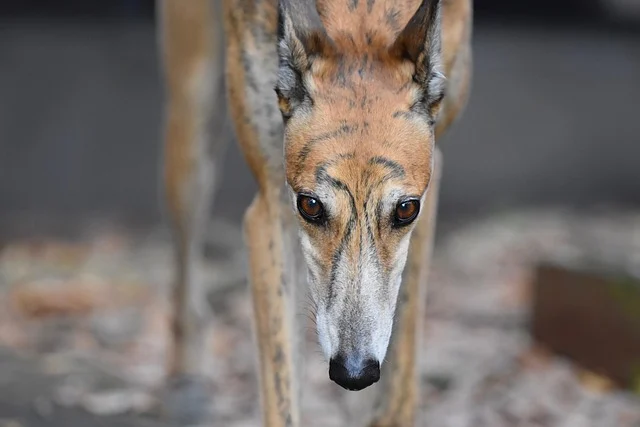
Select a high-quality puppy food where high-grade animal protein is the primary ingredient. Look for precise calcium-to-phosphorus ratios, ideally maintained around 1.2:1 to 1.4:1. Avoid high-calorie performance working feeds designed for adult racing dogs. These contain elevated protein and fat levels suited only to fully grown canine athletes in active training.
Because greyhounds are a deep-chested breed, they are structurally predisposed to Gastric Dilation-Volvulus (GDV), commonly known as bloat. To reduce risk factors during growth:
- Divide daily food allowances into three or four small meals for young puppies. Transition to two meals daily after six months.
- Restrict vigorous exercise or fast running for at least one hour before and after meals.
- Avoid using elevated food bowls unless specifically recommended by your veterinary surgeon. Current veterinary research links raised feeders to an increased risk of bloat in deep-chested breeds.
- Use slow-feeder bowls or puzzle toys if your puppy eats rapidly, reducing swallowed air.
How to train and socialize a greyhound puppy
Training a greyhound puppy requires a gentle, positive reinforcement approach. Sighthounds possess a sensitive temperament and do not respond well to harsh vocal corrections or dominance-based training methods. These cause them to shut down or show fear-based avoidance.
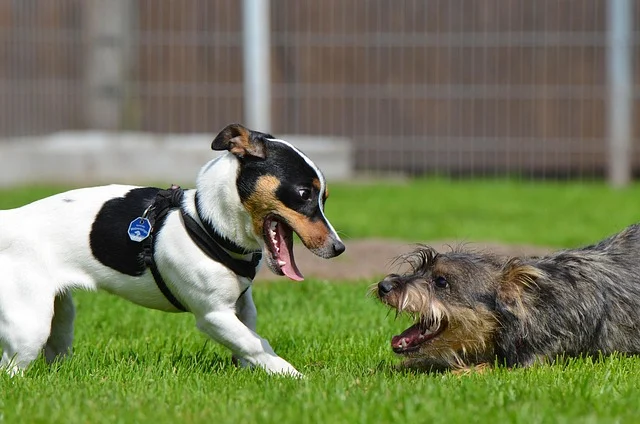
Begin socialisation immediately after your veterinarian confirms vaccinations are complete. Expose your puppy to a wide variety of environments, surfaces, noises, traffic, and calm dogs of different breeds. Sighthound puppies must learn that small dogs are companions rather than prey objects. Early, controlled interactions with small breeds like terriers or spaniels help establish healthy social boundaries before the puppy’s chase drive fully matures.
Recall training is the most vital skill to practice, yet owners must maintain realistic expectations. Sighthounds hunt primarily by sight rather than scent. Once a greyhound puppy locks vision onto a fast-moving object, its instinct to chase can override even well-rehearsed recall commands. Always practice recall using high-value rewards like fresh liver or cheese inside fully enclosed training paddocks.
House training a young sighthound is generally straightforward due to their clean instincts, provided you maintain a frequent routine. Puppies have small bladders and fast metabolisms; take them outside immediately after sleeping, eating, or energetic play.
Grooming and routine body care for greyhound puppies
Grooming a greyhound puppy is straightforward due to their short, single layer coat. Routine handling must be established early to build comfort with human touch. Brush the coat once or twice weekly using a soft rubber curry brush or grooming mitt. This removes loose hair, massages the skin, and spreads natural oils throughout the coat.
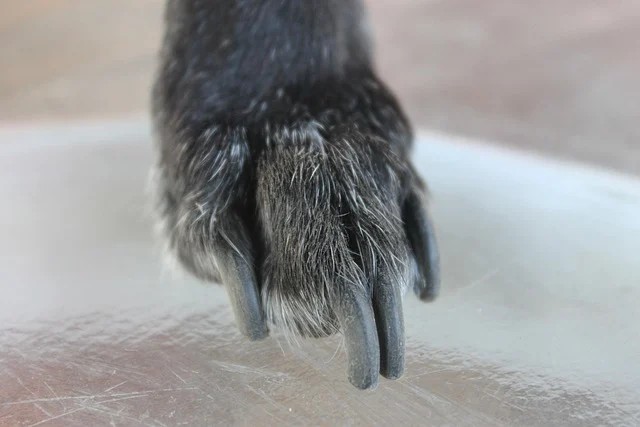
Nail trimming requires weekly attention. Sighthound feet are elongated (known as hare feet), and long nails alter how weight is distributed across the toe joints, increasing the risk of joint strain. Introduce nail clippers or a gentle rotary grinder early, rewarding your puppy after touching each paw to make nail maintenance stress-free.
Dental health is another critical area for sighthounds, as the breed is prone to periodontal disease later in life. Introduce finger brushes and dog-safe enzymatic toothpaste during early puppyhood. Brushing your puppy’s teeth three to four times a week prevents tartar accumulation and keeps gums healthy as adult teeth emerge around four to six months of age.
Key considerations before acquiring a greyhound puppy
Before committing to a greyhound puppy, consider whether your lifestyle fits the specific needs of this unique sighthound. While adults are notoriously low-maintenance indoor companions, puppies demand significant time, supervision, and ongoing financial investment for equipment and veterinary care.
| Care Category | Puppy Requirement | Adult Rescue Requirement |
|---|---|---|
| Daily Exercise | 15–30 mins controlled lead walking + yard play | 45–60 mins lead walking daily |
| Home Supervision | High (house training & chew prevention) | Low to moderate (usually house trained) |
| Coats & Gear | Multiple sizes needed during rapid growth | One set of adult coats lasts for years |
| Prey Drive Training | Active socialisation required early | Established temperament usually tested by rescue |
If you work full-time away from home, a young puppy is not a suitable choice unless you employ structured daycare or dog-walking support. Sighthounds form close bonds with their families and can develop separation anxiety if left isolated for extended periods without gradual acclimation.
Sources: Romford Puppy Cup
Frequently asked questions
Are greyhound puppies hard to house train?
Greyhound puppies are generally easy to house train because they naturally prefer to keep their living and sleeping areas clean. Establishing a consistent schedule by taking them outdoors after meals, naps, and play sessions typically leads to rapid progress within a few weeks.
When do greyhound puppies stop growing?
A greyhound puppy achieves most of its adult height by twelve months of age. However, their frame continues to fill out, gaining chest depth and muscle tone, until they reach full physical maturity between eighteen and twenty-four months.
Can a greyhound puppy live safely with cats?
A greyhound puppy can often learn to live safely with indoor cats if raised alongside them with strict supervision and consistent training from an early age. However, instinct varies by individual dog, and high prey drive can still emerge as the puppy matures.
How much exercise does a 4-month-old greyhound puppy need?
A four-month-old greyhound puppy needs approximately twenty minutes of formal lead walking up to twice per day, following the five-minute-per-month rule. Additional free play should take place on soft grass in a securely fenced garden.