
Yes, dogs can safely eat plain, fresh, or frozen blackberries in moderation. These berries are a healthy, low-calorie treat packed with fiber, antioxidants, and essential vitamins C and K, provided they are served plain, washed thoroughly, and free of stems or leaves.
Blackberries offer natural hydration and nutrients without excess calories or sodium. However, a dog’s digestive system is primarily designed for protein and healthy fats, not large quantities of plant matter. Berries should therefore be an occasional treat, not a meal replacement. Feeding too many blackberries at once can cause stomach upset or loose stools, so portion control is essential.
What health benefits do blackberries offer dogs?
Blackberries are packed with compound nutrients that contribute positively to a canine diet. According to the USDA Food Data Central database, a 100-gram serving of raw blackberries contains approximately 43 calories, 1.4 grams of protein, 0.5 grams of fat, and 5.3 grams of fiber. [fitnutrition.net] They also supply essential vitamins like vitamin C and vitamin K, alongside trace minerals like manganese.
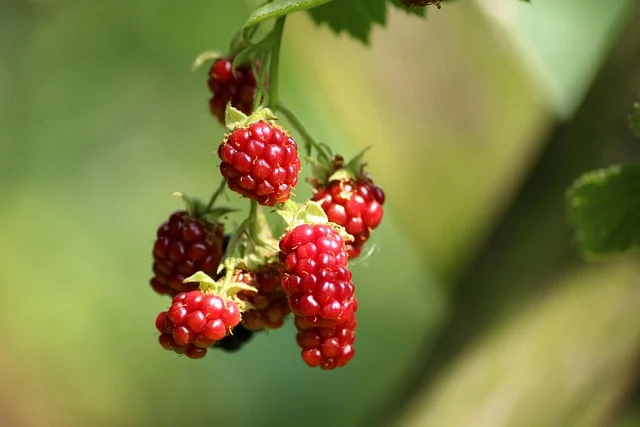
Key nutritional benefits for dogs include:
- Anthocyanins: These powerful antioxidants give blackberries their deep purple pigment. Antioxidants combat free radicals, reduce systemic inflammation, and support healthy cognitive function in aging dogs.
- Dietary Fiber: Fiber aids in maintaining a healthy digestive tract by adding bulk to stool, supporting regular bowel movements, and preventing constipation. Fiber also helps regulate blood sugar absorption, which supports dogs managing diabetes or weight issues.
- Vitamin C: Although healthy dogs synthesize vitamin C naturally in their livers, dietary vitamin C acts as a secondary antioxidant that supports immune system function during times of stress.
- Vitamin K: Plays an essential role in normal blood clotting mechanisms and bone density maintenance.
- Manganese: A necessary trace mineral that helps metabolize protein and carbohydrates while supporting joint cartilage health.
- High Hydration: Fresh blackberries are roughly 88% water, offering a refreshing and hydrating reward on hot days.
Are there risks or side effects when feeding blackberries?
While plain blackberries are generally safe, feeding them incorrectly presents a few hazards that pet owners should avoid.
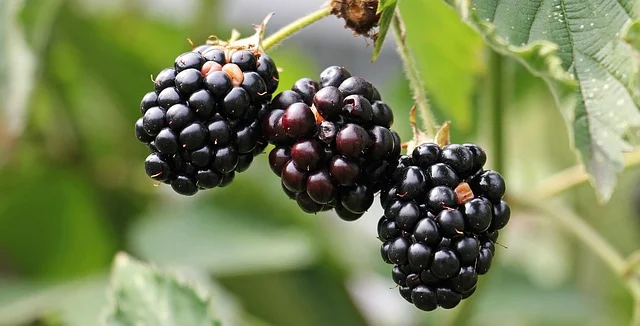
Digestive upset from high fiber
The primary concern with blackberries is fiber overload. A dog’s digestive tract processes plant fiber differently than human digestion. Consuming too many blackberries at once can lead to loose stools, gas, abdominal cramping, or diarrhea. Always introduce berries slowly to test your dog’s gastrointestinal tolerance.
Natural xylitol vs. artificial sweeteners
Blackberries naturally contain tiny, microscopic amounts of naturally occurring xylitol—a sugar alcohol found in many fruits. In whole, fresh blackberries, these levels are far too low to harm your pet. However, commercially prepared human foods containing blackberries present severe danger. Products like blackberry jam, fruit pies, canned berries in syrup, or flavored yogurts often contain added artificial sweeteners, high sugar concentrations, or toxic levels of added xylitol. Artificial xylitol triggers rapid insulin release in dogs, leading to severe hypoglycemia, liver failure, or death. Only feed plain whole berries.
Cyanogenic glycosides in plant stems and leaves
The stems, leaves, and roots of the blackberry bush contain small quantities of cyanogenic glycosides, which can release toxin compounds during digestion if consumed in large quantities. These plant parts are tough to digest, taste bitter, and pose choking or intestinal blockage risks. Remove all leaves, caps, and stems before feeding.
Mold and mycotoxin risks
Overripe or decaying blackberries collect mold quickly. Moldy fruit can harbour dangerous fungal mycotoxins (such as tremorgenic mycotoxins) that cause severe illness in dogs, including muscle tremors, seizures, vomiting, and high fever. Throw away any soft, leaking, or moldy berries immediately.
How many blackberries can a dog eat safely?
Because individual size and dietary sensitivities vary, follow these general portion guidelines based on body weight. These are maximum recommendations; always start with less.
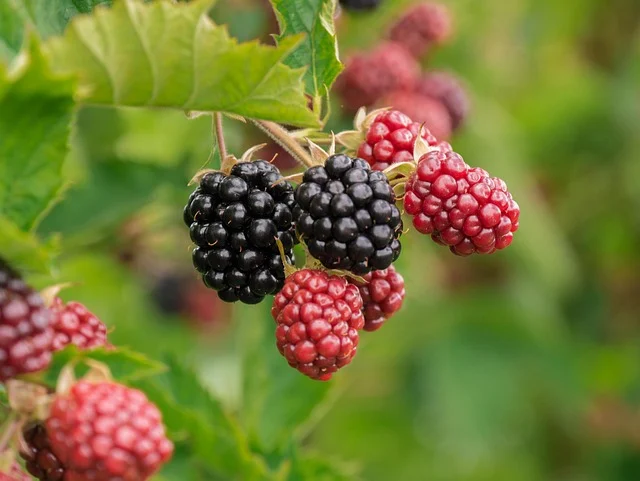
- Toy dogs (under 10 lbs / 4.5 kg): 1 to 2 small blackberries per serving (sliced into pieces).
- Small dogs (10 to 25 lbs / 4.5 to 11 kg): 2 to 3 blackberries per serving.
- Medium dogs (26 to 55 lbs / 12 to 25 kg): 3 to 5 blackberries per serving.
- Large dogs (56 to 90 lbs / 25 to 40 kg): 6 to 8 blackberries per serving.
- Giant dogs (over 90 lbs / 40 kg): 8 to 10 blackberries per serving.
Offer these portions two to three times a week rather than every day. Start by giving a single berry first and watching your dog over 24 hours to check for any signs of an upset stomach. If your dog has a sensitive stomach or pre-existing conditions like diabetes, consult your veterinarian before introducing new foods.
How to prepare blackberries for your dog step-by-step
Proper preparation ensures berries are safe, clean, and easy for your dog to swallow. Follow these steps when serving blackberries:
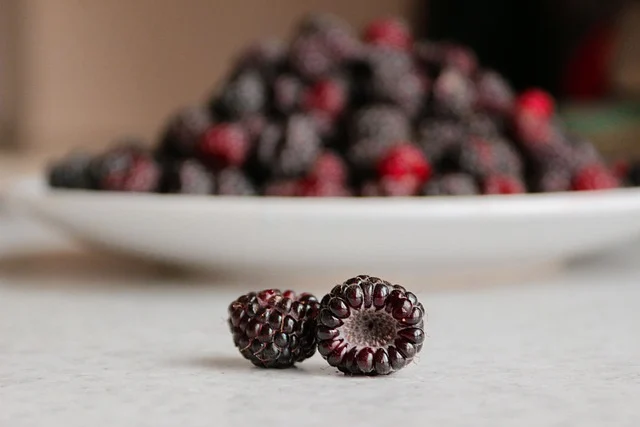
- Select ripe, firm fruit: Pick berries that are plump and dark black, avoiding soft, slimy, or discolored pieces.
- Wash thoroughly: Rinse the berries under cool running water for at least 30 seconds to clean off dirt, fertilizers, or lingering insect sprays.
- Remove plant stems: Pull off all attached green stems, leaves, or caps.
- Cut into safe sizes: For small breeds, puppies, or dogs that gulp food without chewing, cut berries into halves or mash them with a fork to eliminate choking risks.
- Serve plain: Feed raw, lightly mashed, or frozen as a cold reward. Never add sugar, whipped cream, or artificial flavorings.
Can dogs eat wild blackberries or processed blackberry foods?
Picking wild blackberries along hedgerows or trails can be tempting, but wild foraging carries extra risks. Wild bushes located along roadsides or public parks are often treated with dangerous chemical weedkillers or agricultural pesticides. Lower brambles can also be contaminated with parasites, such as tapeworm eggs (*Echinococcus multilocularis*), passed through wild fox or canine feces.

If you harvest wild blackberries, pick berries growing high above a dog’s reach and wash them thoroughly before sharing them. Keep your dog away from thick wild patches, as sharp thorns can scratch delicate noses, eyes, or paw pads.
Avoid feeding your dog any baked goods, jams, jellies, or canned blackberry filling. Canned items are loaded with added sugars that cause weight gain, tooth decay, and pancreatitis. Many commercial pastries also contain nutmeg, chocolate, or artificial xylitol, all of which are toxic to canines.
How do blackberries compare to other common berries for dogs?
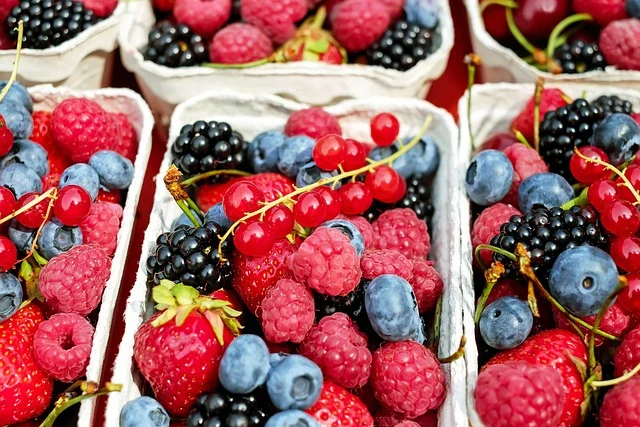
While many common fruit bowl berries are safe for dogs in moderation, others carry severe toxic risks. Understanding the differences helps you choose safe and healthy treats.
| Berry Type | Safety Status | Key Benefits | Main Concerns | Serving Recommendation |
|---|---|---|---|---|
| Blackberry | Safe | High fiber, low calorie, rich in vitamin K | Excess fiber causes loose stool | 2 to 8 berries based on weight |
| Blueberry | Safe | Phytonutrients, vitamin C, low sugar | Small size can pose choking risk for gulpers | 4 to 10 berries based on weight |
| Raspberry | Safe in moderation | Anti-inflammatory properties, fiber | Contains higher trace amounts of natural xylitol | 1 to 6 berries maximum |
| Strawberry | Safe | Vitamin C, malic acid (supports teeth) | Higher natural sugar; remove green tops | 1 to 3 sliced berries |
| Cranberry | Safe (plain) | Urinary tract health support | Tart taste; avoid sweetened cranberry sauces | A few fresh or unsweetened dried berries |
| Grapes & Raisins | TOXIC | None (dangerous) | Triggers sudden acute kidney failure | Do not feed (0 berries) |
Safe alternatives like blueberries, raspberries, and strawberries make excellent treat variations when served plain. However, keep in mind that raspberries naturally contain higher trace levels of natural xylitol than blackberries, so keep raspberry portions very small. Always ensure any berries are plain, fresh, and thoroughly washed.
Never feed your dog grapes, raisins, cherries, or holly berries. The Pet Poison Helpline frequently cites grapes and raisins as leading causes of pet poisoning, capable of inducing sudden kidney failure even in minute amounts.
What should you do if your dog eats too many blackberries?
If your dog manages to steal a whole tub of blackberries, the most common result is temporary gastrointestinal upset caused by sudden fiber overload. Symptoms include soft stools, gas, dark purple diarrhea, or mild vomiting.

Home care for mild upset
If your dog shows mild symptoms but remains bright and active:
- Provide fresh water: Ensure clean water is available at all times to prevent dehydration.
- Feed a bland diet: Rest their stomach for 12 hours, then offer small meals of boiled, unseasoned chicken breast mixed with cooked plain white rice for 24 to 48 hours.
- Monitor recovery: Stool consistency and frequency should return to normal within two days as the extra fiber works through their system.
When to contact a veterinarian
Seek veterinary care immediately if your dog displays any of the following warning signs:
- Repeated vomiting or inability to keep water down
- Extreme lethargy, weakness, or collapse
- Signs of severe abdominal pain (restlessness, whining, or hunching over)
- Ingestion of processed blackberry products containing artificial xylitol, chocolate, or toxic spices
- Overeating by dogs with underlying health conditions such as diabetes or chronic kidney disease
Can dogs eat blackberries as part of a balanced diet? Absolutely. By following safe preparation steps and keeping portions small, you can safely share this nutritious fruit with your dog.
Sources: Can Dogs Eat Blackberries?, Can Dogs Eat Blackberries?
Frequently asked questions
Can dogs eat frozen blackberries?
Yes, dogs can safely eat plain frozen blackberries. They make a cool, crunchy snack in hot weather, though you should cut or crush them for small dogs or those who gulp food to prevent choking.
Why is my dog’s stool dark after eating blackberries?
The natural dark purple pigments (anthocyanins) in blackberries pass through the digestive tract and temporarily stain your dog’s stool dark blue, dark purple, or black. This harmless discoloration clears up within 24 to 48 hours.
Can puppies eat blackberries?
Puppies can eat small pieces of fresh blackberry once they are fully weaned onto solid food. Give puppies no more than half a berry at a time, as young digestive systems are sensitive to fiber changes. Always introduce new foods slowly and in tiny amounts.
Are blackberry seeds safe for dogs?
The small seeds inside fresh blackberries are non-toxic and generally harmless to dogs in small quantities. They pass through the digestive system naturally without causing blockages or irritation.
Why do dogs eat blackberries?
Dogs are often attracted to blackberries due to their sweet taste and interesting texture. While some dogs might instinctively seek out berries, it’s primarily a response to their appeal as a tasty, novel treat rather than a specific nutritional need.