A guinea pig, or ‘cavy’, is a domesticated rodent native to South America, prized for its docile nature and distinct vocalizations. These small, social animals require specific care to thrive, including a constant supply of hay, fresh vegetables, and a limited amount of high-quality pellets. They cannot produce their own Vitamin C, making it an essential part of their diet to prevent scurvy.
Understanding their unique needs, such as their crepuscular vision and varied vocalizations like contented purrs or excited wheeks, is crucial for their wellbeing. With proper care, including a spacious cage with solid bottoms and enrichment, guinea pigs typically live between 5 to 8 years, thriving with companionship.
What Exactly is a Guinea Pig?
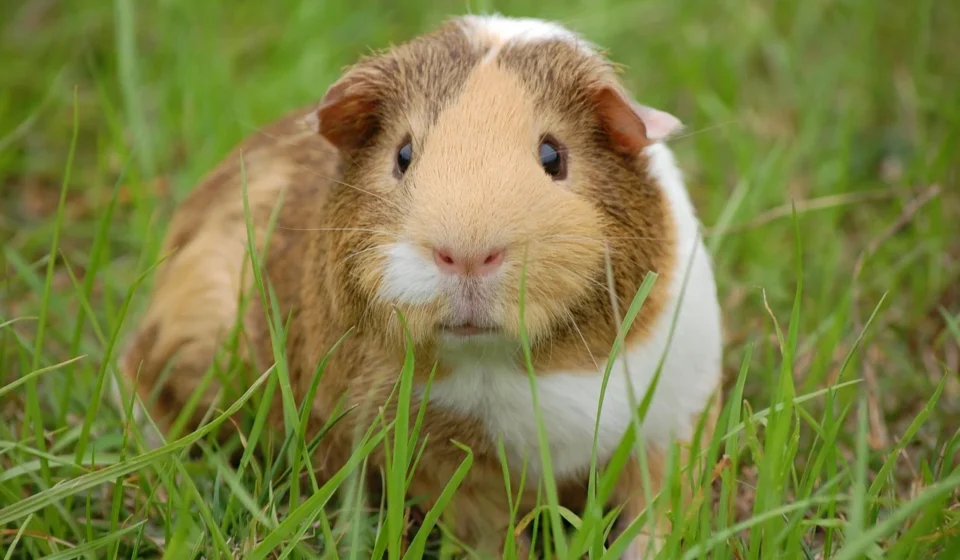
A guinea pig, or ‘cavy’, is a domesticated rodent native to South America. People prize it for its docile nature and distinct vocalizations. These small, social animals require specific care to thrive. Potential owners must understand their unique needs before bringing one home.
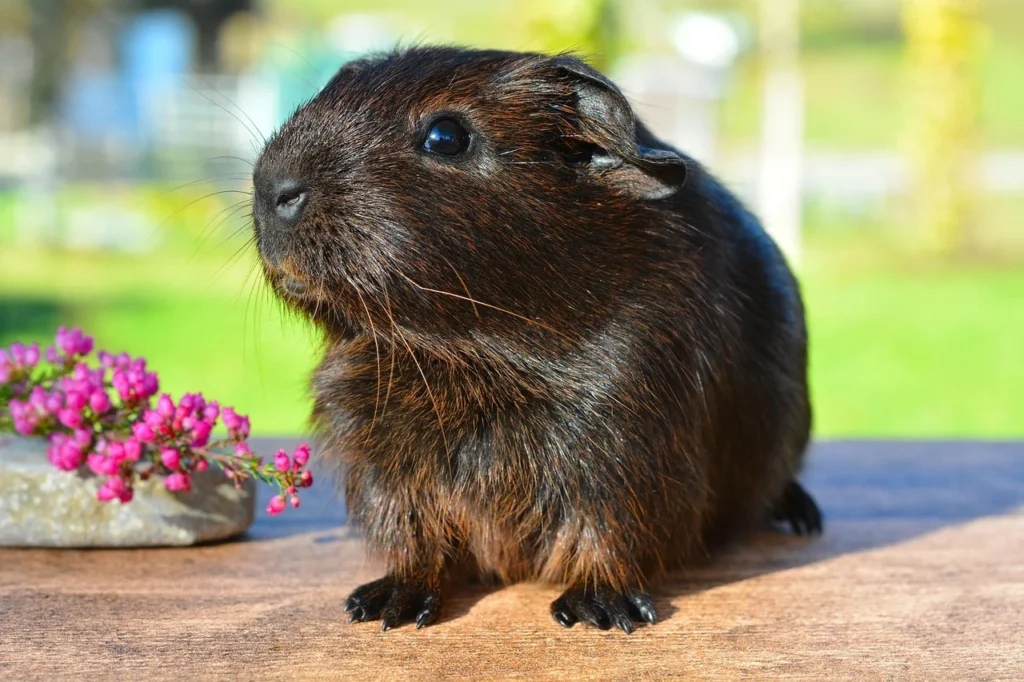
Despite their name, guinea pigs are not related to pigs. Nor do they originate from Guinea. They are part of the Caviidae family. People have kept them as pets for centuries. They have evolved into various breeds with different fur types and colours.
How Guinea Pigs See the World
Guinea pigs possess a fascinating visual perspective, primarily adapted for detecting predators. Their eyes are positioned on the sides of their heads, granting them an almost 340-degree panoramic view, which is excellent for spotting movement from nearly all directions without turning their heads. This wide field of vision is crucial for their survival instinct, as they are prey animals.
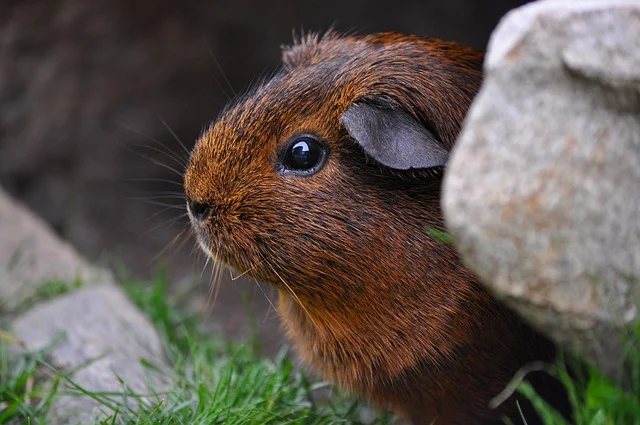
However, while their peripheral vision is extensive, their depth perception directly in front of them is not as sharp. This means they might sometimes misjudge distances. This is especially true when they approach food or obstacles. Guinea pigs are also thought to be dichromatic. This means they see the world in two primary colours. This is much like a human with red-green colour blindness. They likely perceive blues and greens well. However, they struggle with reds and purples. Their vision is particularly effective in dim light conditions. This reflects their crepuscular nature. They are most active during dawn and dusk.
What Guinea Pigs Eat
The diet of a guinea pig is crucial for its health. It requires a constant supply of hay, fresh vegetables, and a limited amount of high-quality guinea pig pellets. As herbivores, their digestive systems are designed to process fibrous plant material continuously.
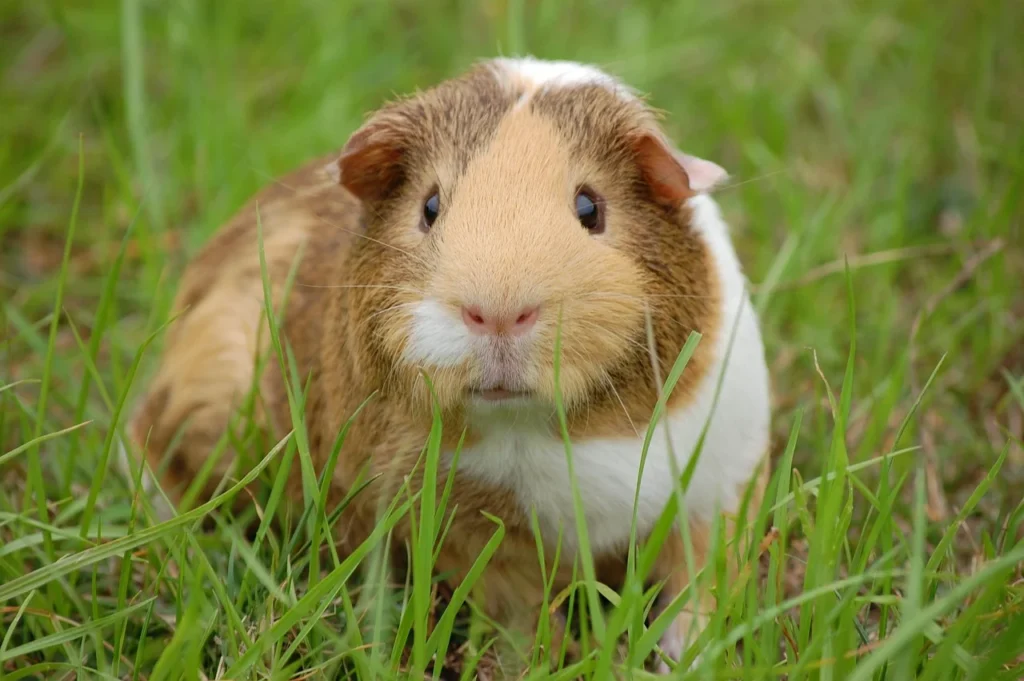
- Hay: This should make up the bulk of their diet, available 24/7. Timothy hay is an excellent choice. It provides essential fibre for digestion and helps wear down their continuously growing teeth.
- Fresh Vegetables: Offer a variety of fresh, leafy greens daily. Good options include romaine lettuce, kale (in moderation), coriander, parsley, and bell peppers (rich in Vitamin C). We always recommend introducing new vegetables slowly to avoid upsetting their stomachs.
- Guinea Pig Pellets: Choose a high-quality pellet specifically formulated for guinea pigs, fortified with Vitamin C. Avoid muesli-style mixes, as these encourage selective eating, leading to nutritional deficiencies. A small amount, typically 1/8 to 1/4 cup per day, is sufficient for an adult guinea pig.
- Water: Fresh, clean water must always be available in a sipper bottle, changed daily.
You must remember that guinea pigs cannot produce their own Vitamin C. This makes it an essential part of their diet. Without adequate Vitamin C, they can develop scurvy. Scurvy is a serious and potentially fatal condition. Therefore, ensure their diet includes Vitamin C-rich vegetables or, if necessary, a veterinarian-approved supplement.
Why Guinea Pigs Purr and What Their Noises Mean
Guinea pigs are surprisingly vocal, using a range of sounds to communicate their feelings and needs. Understanding these ‘guinea pig noises’ is a key part of bonding with your pet and ensuring their wellbeing.
- Purring: When a guinea pig purrs, it typically indicates contentment and comfort. You might hear a low, rumbling purr when you’re stroking them gently, or when they are relaxed in their enclosure. However, a higher-pitched, vibrating purr can sometimes indicate slight irritation or nervousness, especially if accompanied by a tense body posture. Pay attention to the context and their body language to discern the exact meaning.
- Wheeking: This is perhaps the most distinctive and well-known guinea pig sound. Wheeking is a loud, excited squeal that often means “food!” or “pay attention to them!” They commonly wheek when they hear the rustle of a food bag, the opening of the fridge, or when they anticipate a treat or interaction. It is a clear sign of excitement and anticipation.
- Rumbling: A deeper, more guttural sound than purring, rumbling can signify dominance or a mating call. A male guinea pig might rumble to attract a female. He often accompanies this with a distinctive ‘rumble strut’ where he sways his hips. It can also be a sign of unease or warning if two guinea pigs are establishing hierarchy.
- Chutting and Whining: Chutting is a softer, conversational sound. You often hear it when guinea pigs are exploring or contentedly moving around their cage. Whining, on the other hand, can indicate mild annoyance or dissatisfaction. Perhaps another guinea pig is invading their space, or they want something they can’t reach.
- Teeth Chattering: This is a clear warning sign. When a guinea pig chatters its teeth, it’s a display of aggression. This indicates they are unhappy and potentially ready to fight. It’s usually accompanied by a tense body and raised hackles. If you hear this, you should separate the guinea pigs or remove whatever is causing the distress.
- Squealing/Shrieking: A sudden, high-pitched shriek usually signifies pain, fear, or extreme distress. If you hear this, you should immediately check on your guinea pig to identify the cause and address it.
observing these sounds in context with their body language is the best way to truly understand what your individual guinea pig is trying to tell you. Each guinea pig has its own personality, and some may be more vocal than others.
When Guinea Pigs Squeak, Are They Happy?
When guinea pigs squeak, particularly with the distinctive ‘wheek’ sound, they are often expressing happiness, excitement, or anticipation, especially around feeding time or when they see their favorite human. This joyful squeaking is a clear indicator that they are feeling positive emotions.
However, not all squeaks denote happiness. A sharp, high-pitched squeal or shriek is a distress call. It indicates fear, pain, or discomfort. You must distinguish between the excited wheek and a genuine cry of alarm. The context and the guinea pig’s overall body language are your best guides. A happy guinea pig will often be relaxed, perhaps popcorning (a joyful jump), and seeking interaction. A distressed one will appear tense, try to hide, or show signs of injury.
Choosing the Right Guinea Pig Cages
Providing an appropriately sized and stimulating cage is fundamental to a guinea pig’s welfare. Far too often, people underestimate the space these active creatures need.
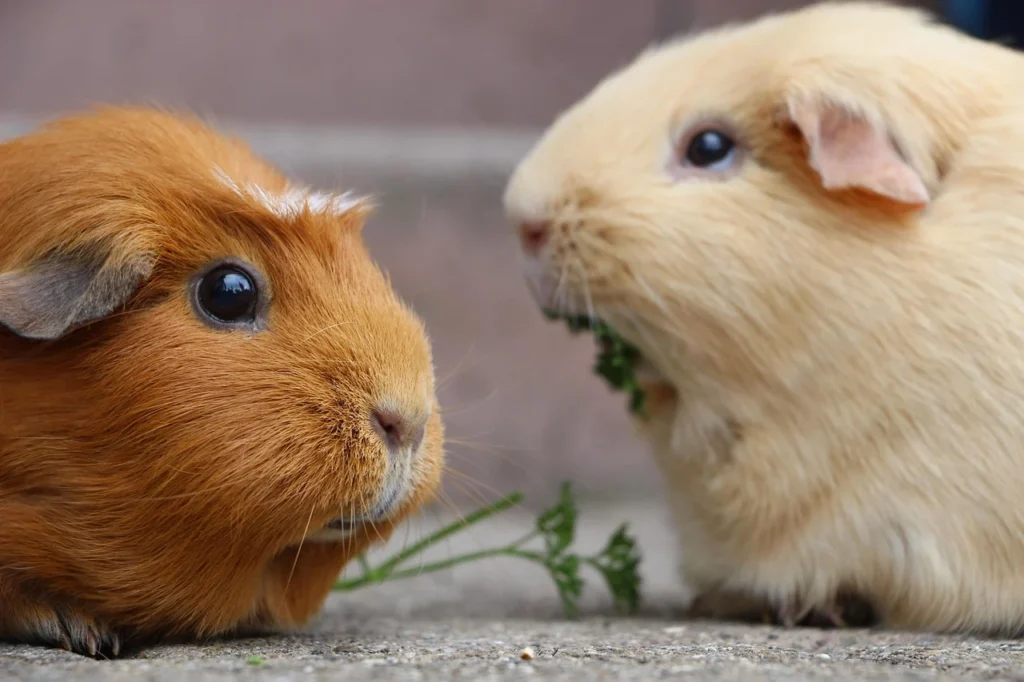
The editorial team cannot stress enough that minimum cage sizes are just that – minimums. For one guinea pig, the absolute minimum recommended cage size is around 7.5 square feet (approximately 0.7 square meters), but for two guinea pigs, which is the recommended number as they are social animals, owners should aim for at least 10.5 square feet (around 1 square metre). Larger is always better, allowing them space to run, play, and explore.
When considering cages, look for:
- Solid Bottoms: Wire bottoms can cause foot injuries (bumblefoot) and are uncomfortable. Always choose a cage with a solid base.
- Good Ventilation: Proper airflow prevents respiratory issues.
- Easy Access: A cage that opens easily from the top or front makes cleaning and interacting with your guinea pigs much simpler.
- Enrichment: Once you have the cage, fill it with hay, tunnels, hidey houses (at least one per guinea pig), and chew toys. These items provide mental stimulation and a sense of security.
Many owners opt for C&C (cubes and Coloplast) cages, which are customizable, spacious, and relatively inexpensive to build, offering far more room than most commercially available cages. When deciding, the editorial team would always favour space over fancy features, as the primary need is room to move.
Understanding Guinea Pig Lifespan
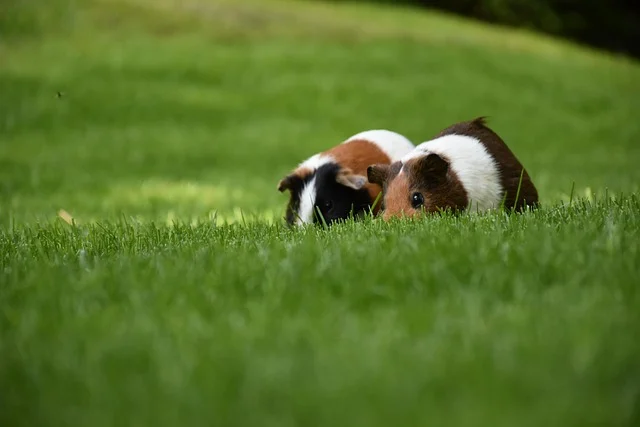
With proper care, a guinea pig can live for a surprisingly long time, typically between 5 to 8 years. Some well-cared-for individuals have been known to live even longer, occasionally reaching 10 years.
Several factors influence a guinea pig’s lifespan:
- Diet: As discussed, a consistent diet of hay, fresh vegetables (especially Vitamin C-rich ones), and appropriate pellets is paramount.
- Environment: A spacious, clean cage with proper ventilation and enrichment reduces stress and the risk of illness.
- Socialization: Guinea pigs are social animals and thrive with companionship. Keeping them in pairs or small groups (of the same sex or neutered males with females) contributes to their mental well-being.
- Veterinary Care: Regular health checks and prompt attention to any signs of illness by a vet experienced with exotic pets can significantly extend their life. Guinea pigs are prone to certain health issues. These include respiratory infections, dental problems, and bladder stones, which benefit from early detection.
- Genetics: Like all animals, individual genetics play a role, but good husbandry can mitigate many potential issues.
Consistent, attentive daily care often makes the biggest difference in ensuring a long and healthy life for these wonderful pets.
Sources: Guinea pig
Frequently asked questions
Are guinea pigs good pets for children?
Guinea pigs can be excellent pets for children, provided there is responsible adult supervision. Their docile nature and relatively easy care make them suitable, but children need to be taught how to handle them gently and understand their needs.
How many guinea pigs should I get?
Guinea pigs are highly social animals and thrive in companionship. We always recommend keeping them in pairs or small groups of the same sex to prevent loneliness and ensure their mental well-being.
Do guinea pigs need baths?
Generally, guinea pigs are very clean animals and do not require regular bathing. Spot cleaning with a damp cloth is usually sufficient for minor messes. Only bathe them if absolutely necessary, using a small animal shampoo and ensuring they are thoroughly dried to prevent chilling.