
Dogs should not eat salami. While not inherently toxic in small, unseasoned quantities, its high sodium and fat content, coupled with common toxic seasonings like garlic and onion powder, make it a significant health risk for pets.
Salami is a type of cured sausage. It is a fermented and air-dried meat product, typically made from pork or beef. The processing methods that give salami its distinctive flavour also introduce elements detrimental to canine health, even in small amounts.
Why is Salami Bad for Dogs? Understanding the Key Dangers
Salami poses several significant health risks to dogs primarily due to its nutritional composition and common additives. The primary concerns are its high sodium content, excessive fat, and the presence of toxic seasonings and preservatives.

Excessive Sodium Content
One of the most immediate dangers of salami for dogs is its exceptionally high sodium content. According to current facts, a single slice of salami can contain over 200 milligrams (mg) of sodium. To put this into perspective, a medium-sized dog’s daily sodium intake should ideally be around 100 mg.
If dogs can eat salami, just one slice can more than double a dog’s recommended daily sodium limit. Consuming too much sodium can lead to increased thirst and frequent urination. In more severe cases, it can cause sodium ion poisoning. This can manifest as kidney damage, tremors, or seizures. Dogs with pre-existing conditions such as heart disease or kidney disease are particularly vulnerable to these effects. Their bodies are less able to process and excrete excess salt.
High Fat Content
Salami is also notoriously high in fat. Some varieties contain up to 26 percent fat per slice. While dogs do require some dietary fat, the amount found in salami is far beyond what we consider healthy for a treat or a regular part of their diet. This excessive fat intake can lead to several serious health problems.
For anyone wondering can dogs eat salami, the most pressing concern is pancreatitis. This is a painful and potentially life-threatening inflammation of the pancreas. The pancreas plays a important role in digestion and blood sugar regulation. A sudden influx of high-fat food can overwhelm it. This leads to severe abdominal pain, vomiting, diarrhoea, and lethargy. Repeated exposure to high-fat foods can also contribute to obesity. This in turn increases the risk of other health issues like joint problems, diabetes, and heart strain.
Toxic Seasonings and Spices
When wondering if dogs can eat salami, remember most commercial products are seasoned with a variety of spices. Manufacturers use them to enhance their flavour. Unfortunately, many of these common seasonings are toxic to dogs. Manufacturers frequently use garlic powder and onion powder in salami. Both garlic and onions (along with other allium family members like chives and leeks) contain compounds. These can damage a dog’s red blood cells, leading to anemia. Symptoms of garlic or onion poisoning can include lethargy, weakness, pale gums, increased heart rate, and collapse.
Other spices, while not necessarily toxic, can still cause gastrointestinal upset in dogs, leading to vomiting or diarrhoea. It is incredibly difficult to find salami that is completely free of all potentially harmful seasonings, making it a risky food choice for any dog.
Preservatives and Additives
Salami often contains preservatives such as nitrates and nitrites. Manufacturers use them in the curing process to prevent bacterial growth and maintain colour. While we generally consider them safe for human consumption in regulated amounts, these compounds can cause adverse reactions in dogs. These reactions can include vomiting, diarrhoea, and in severe cases, more serious and potentially life-threatening conditions.
Can Dogs Eat Salami Raw?
The risks associated with salami, such as high sodium, fat, and toxic seasonings, are present whether the salami is raw or cooked. In fact, raw salami carries additional risks that cooked versions might mitigate, though the core dangers remain.

Raw cured meats like salami can harbor bacteria such as Salmonella and E. coli. These can cause severe gastrointestinal illness in dogs, just as they can in humans. While a dog’s digestive system is often more solid than a human’s, these bacteria can still lead to vomiting, diarrhoea, fever, and lethargy. Additionally, raw or undercooked meats can potentially transmit parasites. This is less common with commercially prepared and inspected products.
Therefore, giving a dog raw salami is not only unsafe due to its inherent ingredients but also introduces the added risk of foodborne pathogens. We strongly advise against feeding dogs any form of raw cured meat.
Is It OK to Give Dogs Processed Meat?
Generally, it is not advisable to give dogs processed meats, and salami is a prime example of why. Processed meats, including deli meats, sausages, and hot dogs, typically share many of the same problematic characteristics as salami.

These products are almost always high in sodium and fat. They contribute to the risks of pancreatitis, obesity, and sodium ion poisoning. They also frequently contain an array of spices, flavorings, and preservatives. When asked if dogs can eat salami, these can be harmful or simply unnecessary for a dog’s diet. Many processed meats contain nitrates, nitrites, and other artificial additives. We have not thoroughly tested them for long-term canine consumption. They could potentially lead to adverse health effects.
For these reasons, we recommend avoiding feeding processed meats to your dog entirely. Their nutritional needs are best met by a balanced diet of high-quality dog food and occasional plain, safe treats.
What Happens if Your Dog Eats Salami?
If your dog consumes salami, the severity of the reaction will depend on several factors: the amount ingested, the dog’s size, their overall health, and the specific ingredients in the salami.

Immediate Steps and Monitoring
If your dog has eaten a small amount of salami and appears otherwise healthy, we advise you to monitor them closely for the next 12–24 hours. Look out for symptoms such as increased thirst, frequent urination, vomiting, diarrhoea, lethargy, or a distended abdomen. A single small slice of salami is unlikely to harm a healthy adult medium or large dog. However, a small dog may experience stomach upset from the same amount.
When to Contact a Veterinarian
Immediate veterinary consultation is recommended if:
- Your dog ingests a large quantity of salami.
- The salami contained known toxic ingredients like garlic or onion.
- Your dog is very small, very young, or has pre-existing health issues such as heart disease, kidney disease, high blood pressure, or a history of pancreatitis.
- You observe any severe symptoms, including repeated vomiting, severe abdominal pain, pale gums, disorientation, tremors, or seizures. These symptoms require urgent veterinary attention as they could indicate serious conditions like pancreatitis or sodium ion poisoning.
Providing your vet with details about the type and quantity of salami ingested can help them determine the best course of action. Do not attempt to induce vomiting at home unless a veterinarian specifically instructs you to. This can sometimes cause more harm than good.
What Meats Are Safe for Dogs?
Instead of salami, there are many safe and healthy meat options you can offer your dog as an occasional treat or meal topper. These options are typically plain, cooked, and free from seasonings or additives.
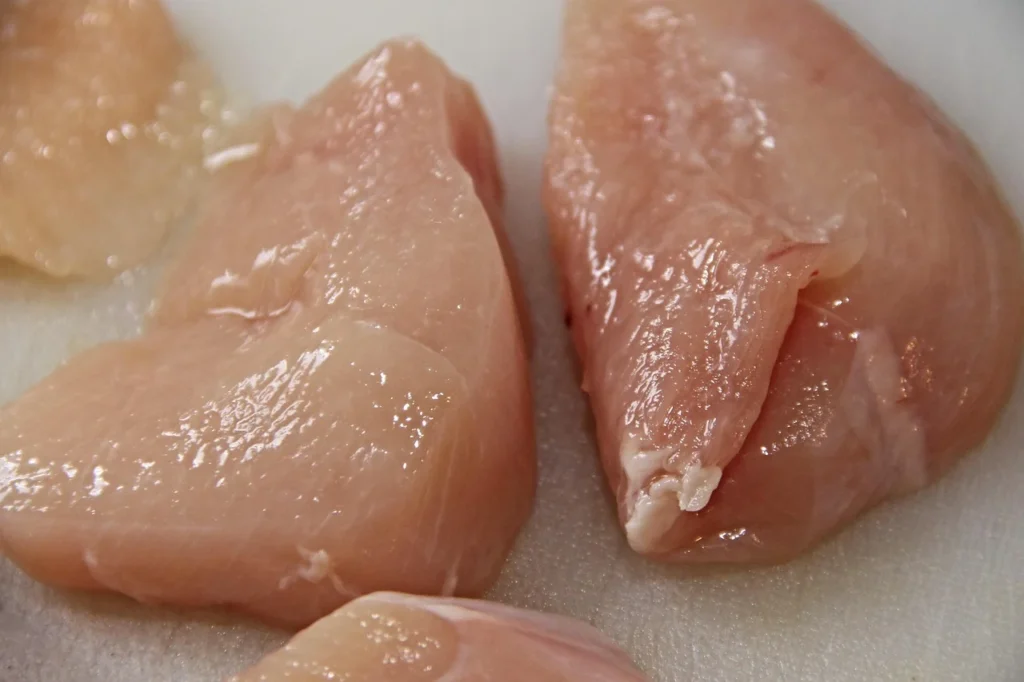
Safe meats for dogs include:
- Plain Cooked Chicken: Boiled or baked chicken breast, with no skin or bones, is an excellent source of lean protein.
- Plain Cooked Turkey: Similar to chicken, plain cooked turkey (without skin, bones, or seasoning) is a healthy option.
- Lean Ground Beef: Cooked thoroughly and drained of excess fat, lean ground beef can be a good source of protein.
- Fish: Cooked, boneless, and unseasoned fish like salmon or cod can provide beneficial omega-3 fatty acids. Ensure all bones are removed.
- Plain Cooked Pork: Small amounts of plain, cooked, lean pork can be given, but avoid fatty cuts and any cured or processed pork products.
Always ensure you cook any meat thoroughly that you offer your dog. This eliminates bacteria and parasites. Serve it plain without any salt, pepper, garlic, onion, or other seasonings. Cut the meat into small, manageable pieces to prevent choking hazards.
Frequently asked questions
Can dogs eat salami seeds?
While salami does not typically contain ‘seeds’ in the botanical sense, it often includes spices. These include peppercorns, fennel seeds, or other whole or ground seasonings. Many of these, including garlic and onion powder, are toxic to dogs. You should avoid them. Even non-toxic spices can cause stomach upset.
Is there any beneficial amount of salami for dogs?
No, salami offers no beneficial amount for dogs. Its high sodium and fat content, along with potentially toxic seasonings and preservatives, make any regular consumption too much. It offers no nutritional benefits. You can safely obtain these from appropriate dog foods or treats.
What are the long-term effects of feeding salami to dogs?
Regularly feeding salami to dogs can lead to long-term health issues such as obesity, chronic pancreatitis, and increased risk of heart disease or kidney problems due to high sodium intake. The cumulative effect of harmful ingredients can severely compromise a dog’s overall health and lifespan.