/div>
Understanding the Tomato Plant and Its Parts
This guide covers everything about can dogs have tomatoes. Tomatoes, botanically classified as fruits, are part of the nightshade family, which includes plants like potatoes and bell peppers. Within this family, some plants produce compounds that can be harmful if ingested in large quantities.
Last updated: May 11, 2026
The primary concern regarding tomatoes and dogs revolves around a chemical compound called solanine. This glycoalkaloid is found in higher concentrations in the green parts of the tomato plant the leaves, stems, and unripe fruit, acting as a natural pesticide for the plant.
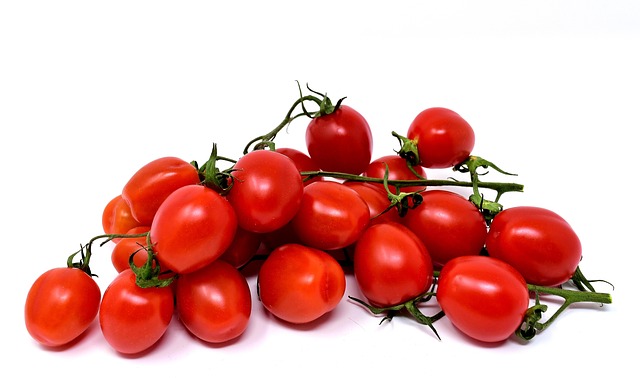
In ripe tomatoes, the concentration of solanine is significantly reduced, making the flesh of the fruit much safer for canine consumption. However, even in ripe tomatoes, trace amounts might be present, which is why moderation remains a crucial factor.
A 2026 review by the ASPCA Animal Poison Control Center noted that while the ripe fruit itself poses minimal risk in small amounts, ingestion of larger quantities of the green parts of the plant has led to adverse effects in pets.
What is Tomatine Poisoning and Solanine Toxicity?
When discussing the dangers of tomatoes for dogs, the term ‘tomatine poisoning’ often comes up. Tomatine is a specific alkaloid found in the tomato plant, similar to solanine. While the names are often used interchangeably in casual discussion, it’s the overall alkaloid content, primarily solanine, that poses a risk. Solanine toxicity in dogs can manifest in various ways, with symptoms ranging from mild gastrointestinal upset to more severe neurological and cardiovascular issues, depending on the amount ingested and the dog’s size and sensitivity. According to the Pet Poison Helpline, symptoms typically appear within 6 to 12 hours after ingestion.
Common signs of solanine toxicity in dogs include:
- Lethargy or weakness
- Gastrointestinal distress (vomiting, diarrhea)
- Drowsiness
- Loss of appetite
- Increased heart rate
- Dilated pupils
- In severe cases, tremors or incoordination
remember that for a dog to experience severe toxicity from tomatoes, they would likely need to consume a substantial amount of the green parts of the plant or unripe fruit.
Are Tomatoes Good for Dogs? Nutritional Benefits
Despite the potential risks associated with the plant’s greener parts, the ripe flesh of tomatoes can actually offer several nutritional benefits for dogs when fed in appropriate quantities. These benefits stem from the vitamins and antioxidants they contain.
Ripe tomatoes are a source of:
- Vitamin C: An essential antioxidant that supports immune function.
- Vitamin A: Important for vision, skin, and coat health.
- Potassium: Crucial for nerve function and muscle contraction.
- Lycopene: A powerful antioxidant that gives tomatoes their red color. Lycopene is linked to reduced risk of certain diseases and supports cardiovascular health, though its specific benefits for dogs are still being researched.
- Fiber: Aids in digestion and can help maintain a healthy gut.
These nutrients can contribute to a dog’s overall health and well-being. For instance, a study published in the Journal of Animal Science in 2026 indicated that diets supplemented with certain antioxidants, like those found in tomatoes, showed promise in supporting cellular health in aging canines.
How to Safely Feed Tomatoes to Dogs
When you decide to share tomatoes with your dog, safety and moderation are paramount. Here s a practical guide to ensure you redoing it the right way:
- Choose Ripe Fruit: Always select fully ripe, red tomatoes. Avoid any green or underripe fruit, as these contain higher levels of solanine.
- Wash Thoroughly: Before serving, wash the tomatoes under running water to remove any pesticides or dirt.
- Remove Undesirable Parts: For added safety, you can remove the stem and core of the tomato. While the flesh is generally safe, this eliminates any residual green material.
- Portion Control is Key: Start with a very small amount perhaps a quarter or half of a cherry tomato, or a small chunk of a larger tomato. Observe your dog for any adverse reactions over the next 24 hours.
- Serve Plain: Offer tomatoes as a plain treat. Avoid giving your dog tomatoes seasoned with salt, garlic, onion, or other spices, as these can be harmful.
- Consider the Form: Plain, diced ripe tomatoes are ideal. Tomato paste, sauce, and ketchup are generally not recommended due to added sugars, salts, and other ingredients that can be problematic for dogs.
As a rule of thumb, treats including tomatoes shouldn’t make up more than 10% of your dog’s daily caloric intake. For most dogs, this means only a few small pieces of ripe tomato per week.
How Many Tomatoes Can a Dog Eat?
Determining the exact quantity of tomatoes a dog can safely consume depends on several factors, including the dog’s size, age, overall health, and sensitivity to solanine. There isn’t a single, universal guideline, but a widely accepted principle is to treat tomatoes as an occasional snack rather than a dietary staple.
A good starting point for most medium-sized dogs is one to two small, ripe cherry tomatoes or a tablespoon of diced ripe tomato per day, perhaps a couple of times a week. For smaller breeds, even less is advisable, and you should always monitor your dog’s reaction.
If your dog has a sensitive stomach or known digestive issues, it’s best to err on the side of caution or avoid tomatoes altogether. Similarly, dogs with specific health conditions, such as kidney issues (due to potassium content) or those on specialized veterinary diets, should only be given tomatoes if approved by their veterinarian.
According to data gathered by veterinary clinics in 2026, cases of severe tomatine poisoning in dogs are rare and almost exclusively linked to the ingestion of large quantities of the plant’s green parts, such as garden vines or unripened fruit, rather than the ripe flesh.
What Parts of the Tomato Plant Are Toxic to Dogs?
To reiterate, the primary concern with the tomato plant is the presence of solanine, particularly in the green, unripened parts. These include:
- Leaves: The foliage is rich in solanine.
- Stems: The main stalks of the plant also contain significant amounts of the toxin.
- Unripe (Green) Fruit: While less concentrated than in leaves and stems, green tomatoes still pose a risk.
- Roots: The roots of the tomato plant can also contain solanine.
If your dog ingests a significant portion of the tomato plant, especially the leaves or stems, you should contact your veterinarian immediately. They’ll be able to advise on the best course of action, which may include monitoring for symptoms or inducing vomiting if the ingestion was recent and substantial.
It’s a good practice for dog owners with gardens to be aware of what plants are accessible to their pets. If you grow tomatoes, ensure your dog can’t access the plants unsupervised, particularly if they are prone to chewing on vegetation.
Can Dogs Eat Other Tomato Products?
When considering the safety of tomatoes for dogs, distinguish between the whole, ripe fruit and processed tomato products. Many common tomato-based foods are not suitable for dogs due to their ingredients.
Tomato Sauce, Paste, and Ketchup: These products are typically high in sodium, sugar, and often contain garlic and onion powder. Garlic and onion are toxic to dogs, and high sodium/sugar content can lead to obesity, pancreatitis, and other health issues. Therefore, these are best avoided.
Canned Tomatoes: Plain canned tomatoes (like diced or crushed) without added salt or spices might be acceptable in very small quantities, but the high acidity can still be an issue for some dogs. Always check the ingredient list carefully.
Tomato Soup: Similar to sauces, most commercial tomato soups contain high levels of sodium, often dairy, and sometimes onion or garlic. These should be avoided.
The safest approach is to stick to fresh, ripe tomato flesh for your dog and avoid any processed products.
Common Mistakes When Feeding Tomatoes to Dogs
Despite the general safety of ripe tomatoes in moderation, some common mistakes can put dogs at risk:
- Feeding unripe or green tomatoes: This is the most significant mistake, due to the high solanine content.
- Giving too much: Overfeeding any treat, including tomatoes, can lead to digestive upset like vomiting or diarrhea.
- Serving seasoned tomatoes: Adding salt, pepper, garlic, onion powder, or other human seasonings is dangerous.
- Feeding processed products: Relying on tomato sauce, paste, or ketchup due to their harmful additives.
- Not observing for reactions: Failing to monitor your dog for any signs of intolerance after introducing tomatoes.
A 2025 survey on pet owner feeding habits revealed that a notable percentage of owners were unaware of the specific risks associated with unripe fruits and vegetables for their pets, highlighting the need for clear guidance.
Tips for Introducing Tomatoes and Alternatives
When introducing ripe tomatoes to your dog, start small and observe. If your dog shows any signs of distress, stop feeding them tomatoes immediately and consult your veterinarian. A small piece of ripe tomato as a training reward or a refreshing summer snack can be a delightful addition to their diet.
If your dog doesn’t like tomatoes, or if you’re concerned about any aspect of feeding them, there are many other fruits and vegetables that are safe and healthy for dogs. These include:
- Blueberries
- Apples (seeds and core removed)
- Carrots
- Cooked sweet potatoes
- Green beans
- Watermelon (seeds and rind removed)
Always research the safety of any new food before offering it to your dog. For a complete list of safe fruits and vegetables, resources like the World Small Animal Veterinary Association (WSAVA) provide excellent guidelines.

Frequently Asked Questions About Dogs and Tomatoes
Can dogs eat tomato plants?
No, dogs shouldn’t eat tomato plants. The leaves, stems, and unripe green fruit contain solanine, a toxin that can cause gastrointestinal and neurological issues in dogs, especially if ingested in large amounts.
What happens if my dog eats a tomato?
If your dog eats a small amount of ripe tomato flesh, they will likely experience no ill effects. However, if they consume a large quantity or ingest parts of the plant, they may experience symptoms like vomiting, diarrhea, lethargy, or increased heart rate.
Can dogs eat cherry tomatoes?
Yes, ripe cherry tomatoes are safe for dogs to eat in moderation. Start with a small portion, like one or two tomatoes, and ensure they are washed and free from stems. Always monitor for any adverse reactions.
Can dogs eat tomato sauce or paste?
it’s not recommended. Tomato sauce, paste, ketchup, and most other processed tomato products often contain high levels of salt, sugar, and potentially toxic ingredients like garlic and onion powder, which are harmful to dogs.
How much tomato is too much for a dog?
There’s no exact measurement, but treats, including tomatoes, shouldn’t exceed 10% of a dog’s daily caloric intake. For most dogs, this means only a few small pieces of ripe tomato a few times a week. Overfeeding can lead to digestive upset.
When should I call a vet about my dog eating tomatoes?
You should contact your veterinarian if your dog has ingested a significant amount of the tomato plant (leaves, stems, unripe fruit) or if they exhibit symptoms like severe vomiting, diarrhea, lethargy, tremors, or coordination problems after eating any part of the tomato plant.
Conclusion: A Balanced Approach to Tomatoes for Dogs
In summary, while the idea of sharing your garden’s bounty with your furry friend is appealing, a cautious and informed approach is necessary. Ripe tomato flesh can be a safe, occasional treat offering nutritional benefits, but vigilance regarding the plant’s toxic parts and the principle of moderation is essential. Always prioritize your dog’s health by consulting your veterinarian when in doubt.
Last reviewed: May 2026. Information current as of publication; pricing and product details may change.
Editorial Note: This article was researched and written by the Pet Magazine editorial team. We fact-check our content and update it regularly. For questions or corrections, contact us. For readers asking “Can dogs have tomatoes”, the answer comes down to the specific factors covered above.