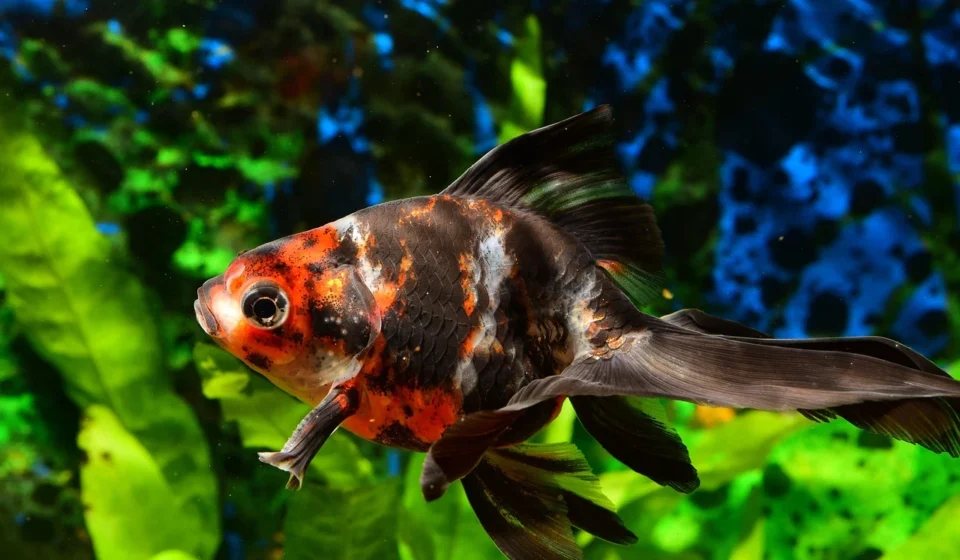
These hardy cold-water fish typically live for 10–15 years in well-maintained aquariums, representing a long-term commitment. While not inherently hard to keep, they require specific conditions often overlooked, particularly a minimum tank size of 75 gallons for a single fish and pristine water quality. The following guide details their habitat needs, diet, lifespan, and other essential care considerations.
What is a Comet Goldfish?
A comet goldfish, scientifically known as Carassius auratus, is a distinctive single-tailed goldfish variety. It is characterized by its slim, torpedo-shaped body and a notably long, deeply forked tail. Hugo Mulertt originally developed them in the United States in the late 1880s. People celebrate these fish for their active swimming style and graceful appearance, making them a popular choice for both aquariums and outdoor ponds.
Many people are first drawn to comet goldfish because of their elegant tails and active behaviour. They are often one of the first goldfish varieties people encounter. However, people frequently underestimate their specific care needs.
How Big Will a Comet Goldfish Get?
Comet goldfish grow surprisingly large. They commonly reach 10–12 inches (25–30 cm) in home aquariums. They can potentially reach 12–14 inches (30–35 cm) or more when housed in spacious outdoor ponds. This significant growth potential is one of the most important factors to consider when planning their habitat.
The common misconception that goldfish only grow to the size of their tank is simply untrue. While a small tank might stunt their external growth, their internal organs continue to develop, leading to severe health issues, a shortened lifespan, and significant discomfort for the fish. Providing ample space from the outset is vital for their long-term health and wellbeing.
What is the Lifespan of a Comet Goldfish?
Comet goldfish typically live for 10–15 years in well-maintained home aquariums, and some individuals can even exceed 20 years under optimal conditions. Their impressive longevity is a testament to their hardiness when given the correct environment and care.
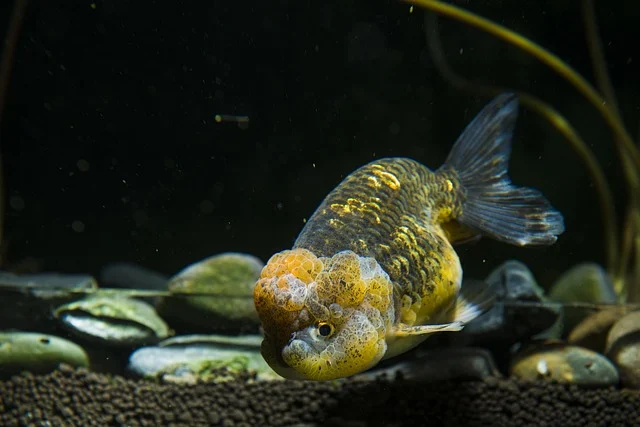
Consistent water quality, appropriate diet, sufficient tank size, and stable water temperature all contribute significantly to a comet goldfish’s lifespan. We often advise new owners to think of a comet goldfish as a long-term commitment, much like a cat or dog. This is due to their potential to live for many years.
Are Comet Goldfish Hard to Keep?
Comet goldfish are not inherently hard to keep. However, they do require specific conditions. These are often misunderstood or overlooked, particularly regarding space and water quality. They are hardy cold-water fish, making them relatively forgiving of minor fluctuations once their primary needs are met.
The biggest challenge for new owners is providing adequate tank size and maintaining pristine water conditions, especially given their large waste production. If one can commit to these two aspects, comet goldfish can be a very rewarding and easy-to-care-for pet. Neglecting these fundamental requirements, however, makes them very difficult to keep healthy.
How Many Comet Goldfish Per Gallon and What Tank Size Do They Need?
A single comet goldfish requires an absolute minimum tank size of 75 gallons (284 litres). We recommend 100+ gallons (378+ litres) as more ideal for optimal health and growth. For each additional comet goldfish, you should add an extra 30-40 gallons (114-151 litres) of tank space to accommodate their size and waste output. [aquariacademy.com]
To illustrate, if you plan to keep two comet goldfish, we recommend a tank of at least 105–115 gallons. For a group of four to six fish in a pond, a minimum of 180 gallons (681 litres) is required, though 500–1,00literses would be preferable for their long-term welfare. Placing comet goldfish in smaller tanks, such as a 10-gallon tank, is entirely unsuitable and will lead to severe health problems and premature death due to poor water quality and lack of swimming space.
Why Are Comet Goldfish So Cheap?
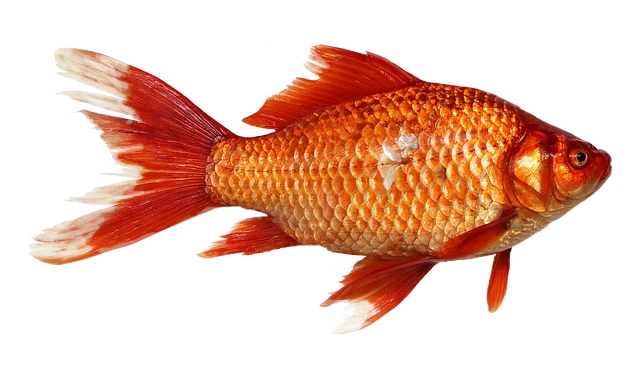
Comet goldfish are often inexpensive to purchase, typically ranging from approximately £4–£8 for smaller fish, primarily due to their prolific breeding nature and their popularity in large-scale commercial breeding operations. [deltaaquarium.co.uk] They are one of the most commonly bred goldfish varieties, allowing suppliers to offer them at a low cost.
Despite their low initial purchase price, we always emphasize that the true cost of owning a comet goldfish comes from providing the appropriate long-term care, which includes a significantly large aquarium, solid filtration, and quality food. The initial low price can often be misleading, as it does not reflect the substantial investment required for their proper habitat.
Why Do Comet Goldfish Change Colour?
Comet goldfish can change colour for several reasons. Most commonly, they change as they mature, in response to their diet, or due to environmental factors such as water quality and lighting. Many young comet goldfish are born a duller colour. They develop their vibrant reds, oranges, yellows, or whites as they grow.
Additionally, a change to a black coloration on a comet goldfish that has already established its adult colour usually indicates skin damage being repaired. Poor water conditions, such as an ammonia spike, often cause this. If black patches appear, check water parameters immediately. You must ensure they are within healthy ranges.
What Do Comet Goldfish Eat?
Comet goldfish are omnivores and thrive on a varied diet that includes high-quality sinking pellets, plant matter, and occasional protein supplements. A balanced diet is important for their health, growth, and vibrant coloration.
We recommend feeding a staple diet of specially formulated sinking goldfish pellets. These help prevent them from gulping air at the surface; this can lead to buoyancy issues. Supplement their diet with blanched vegetables like peas, spinach, or zucchini. Offer occasional protein sources such as brine shrimp, bloodworms, or Daphnis. Avoid overfeeding. This contributes to poor water quality and health problems.
Do Comet Goldfish Need a Heater?
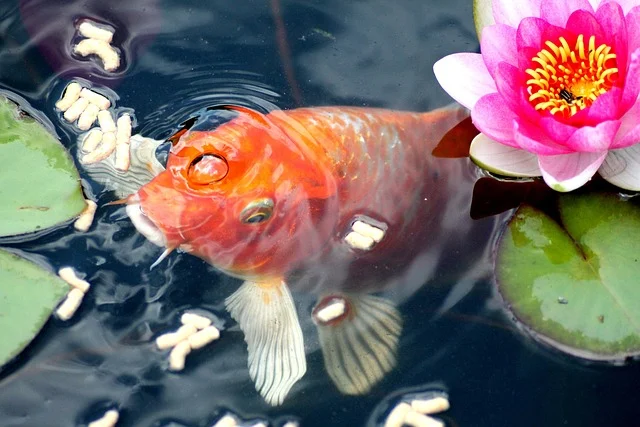
Comet goldfish are cold-water fish and generally do not require a heater in a stable indoor environment. They thrive in temperatures between 15–22°C (60–72°F), which is often within typical room temperature ranges. Consistency in temperature is more important than a specific high temperature.
However, you should consider a heater if a home’s ambient temperature fluctuates significantly or drops below their ideal range, especially during colder months. For outdoor ponds, they are quite tolerant of lower temperatures. They can often overwinter in ponds that do not freeze solid to the bottom. Sudden temperature swings are more detrimental than consistently cool water.
When Do Comet Goldfish Breed and What Do Their Eggs Look Like?
Comet goldfish typically breed in the spring and early summer when water temperatures begin to rise and daylight hours increase, usually between 18–24°C (65–75°F). They are egg-layers and will scatter their adhesive eggs on plants, spawning mops, or other aquarium decor.
Comet goldfish eggs are small, translucent, and typically sticky. They adhere to surfaces. They are usually around 1-2 mm in diameter and can be a pale white or yellowish colour. Healthy, fertilised eggs will remain clear. Unfertilized or funguses eggs will turn opaque white. You can stimulate spawning by gradual temperature increases, increased feeding of live foods, and frequent water changes.
Comet Goldfish vs. Common Goldfish: Key Differences
While both comet goldfish and common goldfish are single-tailed varieties of Carassius auratus, their primary distinguishing feature is the shape and length of their tails. Comet goldfish are specifically bred for their exceptionally long, deeply forked tails. These can be almost as long as their bodies, giving them a more streamlined and elegant appearance.
Common goldfish, in contrast, have shorter, less deeply forked tails. Comet goldfish also tend to be slightly slimmer and more torpedo-shaped than the more solid common goldfish. Both varieties share similar care requirements in terms of tank size, water parameters, and diet, but the comet’s distinctive tail is its defining characteristic, according to Wikipedia.
Setting Up the Ideal Comet Goldfish Habitat
Creating the correct environment for your comet goldfish is paramount for their health and longevity. We always recommend starting with the largest tank you can reasonably accommodate.
- Choose the Right Tank Size: As mentioned, a minimum of 75 gallons (284 litres) for a single comet is essential. If you plan for multiple fish, ensure you add 30-40 gallons for each additional fish.
- Install solid Filtration: Comet goldfish are messy fish and produce a significant amount of waste. We advise using a powerful external canister filter or a large hang-on-back filter that provides both mechanical and biological filtration. Ensure the filter is rated for a tank significantly larger than your actual tank size to cope with their bioload.
- Prepare the Substrate: A bare bottom tank is easiest to clean. If you prefer substrate, use smooth, large gravel or sand. This prevents the fish from accidentally ingesting small pieces, which can lead to impaction. Ensure you thoroughly rinse it before adding it to the tank.
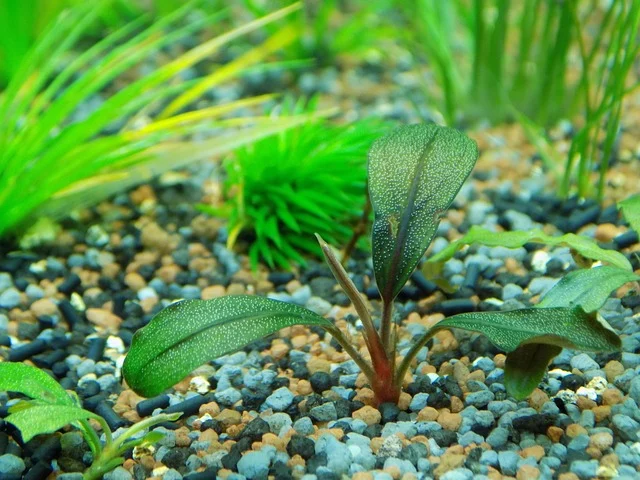
- Add Decorations and Plants: Provide smooth rocks, driftwood, and live or artificial plants. Live plants like Anubias, Java Fern, or Hornwort can help with water quality, but be aware that goldfish may nibble on them. Ensure all decorations have no sharp edges to prevent injury to their delicate fins.
- Cycle Your Tank: Before introducing any fish, it is important to establish the nitrogen cycle. This process converts harmful ammonia and nitrites into less toxic nitrates. This can take several weeks, and we recommend using a liquid test kit to monitor ammonia, nitrite, and nitrate levels throughout the cycling process.
- Monitor Water Parameters: Maintain ideal water parameters: zero ammonia, zero nitrites, and nitrates below 30 ppm. A pH between 7.0–7.5 is generally suitable.
Sources: Comet (goldfish), What is needed to keep a goldfish alive?
Frequently Asked Questions
Can comet goldfish live with other fish?
Comet goldfish can coexist with other cold-water, similarly sized, and peaceful fish that share their temperature and water parameter requirements. Suitable tank mates include other single-tailed goldfish varieties like common goldfish or Shubunkins. Avoid tropical fish or very small fish that could be seen as food.
How often should I clean my comet goldfish tank?
You should rinse filter media in old tank water monthly. Replace filter cartridges as needed according to manufacturer instructions. Never clean all filter media at once as this can remove beneficial bacteria.
What colours do comet goldfish come in?
Comet goldfish come in a diverse array of colours, including solid red, deep orange, yellow, and white. A popular variety is the Sarasa comet, which displays striking bold red and white patches. These colours can sometimes change or intensify as the fish matures.
How can I tell if my comet goldfish is healthy?
A healthy comet goldfish will be active, have clear eyes, intact fins, and a vibrant colour. It should swim normally, respond to feeding, and show no signs of gasping at the surface, clamped fins, or unusual spots or growths. Any deviation from these signs could indicate a health issue.