Where Do Siberian Huskies Come From?
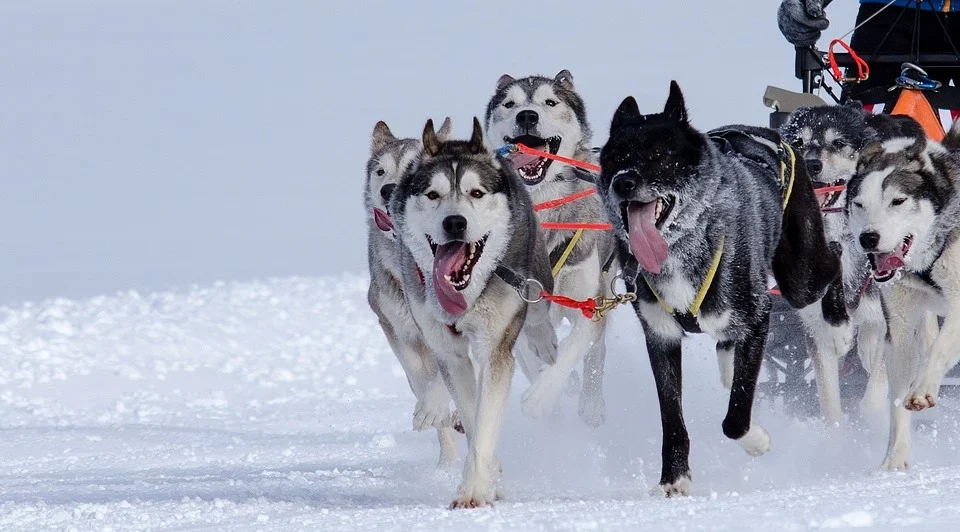
Siberian Huskies were originally developed by the Chukchi people of Siberia, in the Russian Far East. Their purpose was to pull light loads at moderate speeds over vast distances in extremely cold, harsh environments. This historical role shaped their resilience, endurance, and independent nature.
Other indigenous Siberian peoples, such as the Koryak, Yukaghir, and Kamchadal, also contributed to the development of similar sled dog types. The breed was introduced to Nome, Alaska, by Russian fur trader William Goosak during the Nome Gold Rush. It was initially for working the mining fields and for expeditions. Their impressive performance in sled races, notably the 1909 All Alaska Sweepstakes, quickly brought them recognition beyond their Siberian homeland. It’s important to understand that despite their wolf-like appearance, Siberian Huskies are a fully domesticated breed with remarkably low human aggression. This is a common misconception often encountered.
What Defines a Siberian Husky?
Siberian Huskies are known for their striking appearance and a temperament that combines friendliness, alertness, and a strong independent streak. Males typically weigh 20-27 kg (45-60 lbs) and stand 53-60 cm (21-23.5 inches) at the withers. Females are slightly smaller, weighing 16-23 kg (35-50 lbs) and standing 51-56 cm (20-22 inches).
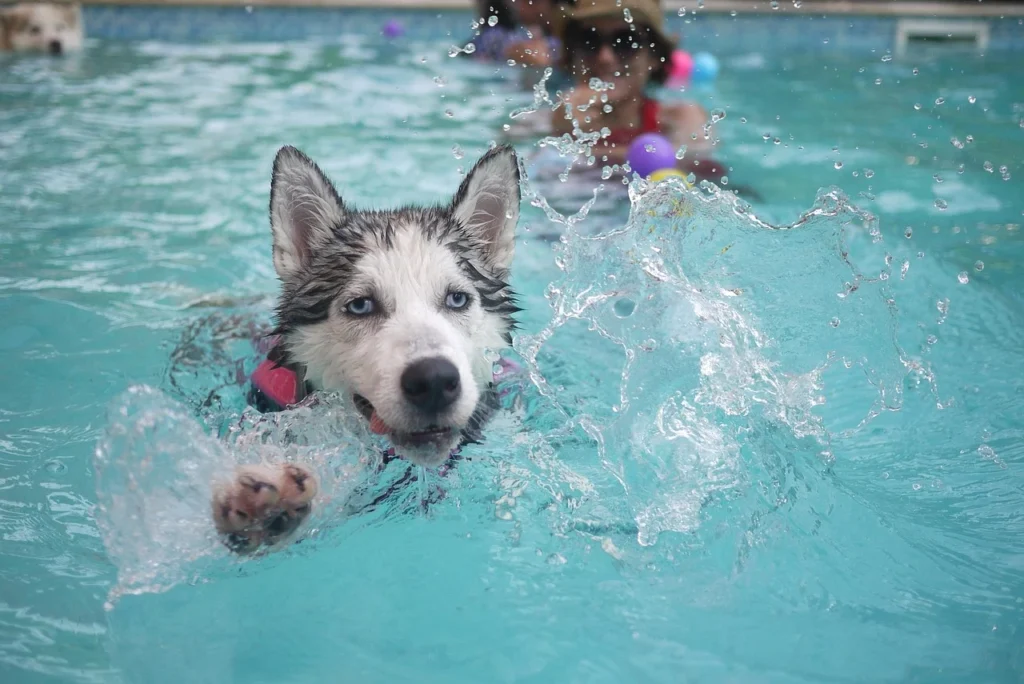
Siberian Huskies often have almond-shaped eyes that can be brown, blue, or one of each.
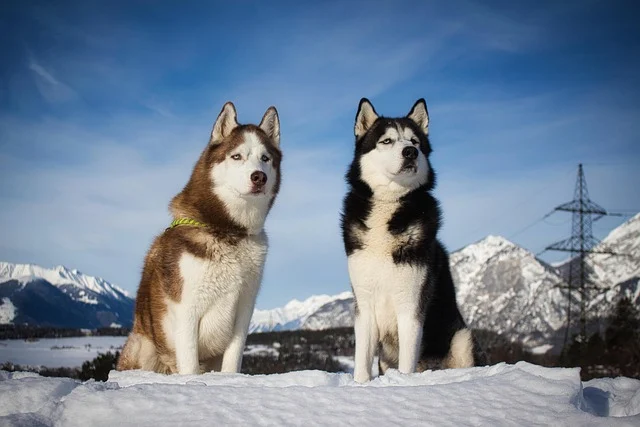
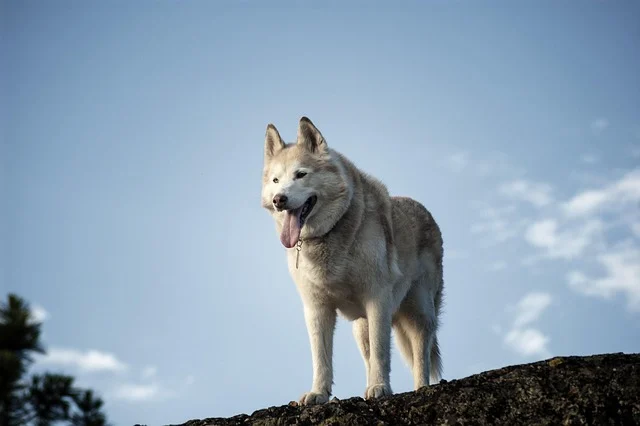
Their physical traits include a thickly furred double coat, erect triangular ears, and a bushy tail, which they often curl over their backs. Their almond-shaped eyes can be brown, blue, or sometimes one of each, a trait known as heterochrome. Temperamentally, they are outgoing, playful, and energetic, but also highly intelligent and independent. This independence means they were bred for autonomous decision-making in sled teams, rather than reflexive obedience, which can sometimes be mistaken for a lack of intelligence. This aspect requires a consistent and engaging training approach.
How Much Exercise Do Siberian Huskies Need?
Siberian Huskies require significant daily exercise, typically 1 to 2 hours of vigorous activity, to maintain their physical and mental well-being. This is a breed that was bred for endurance, so short walks around the block simply won’t suffice.

Regular, vigorous exercise is important for a Siberian Husky’s health and happiness.
Activities such as running, cycling (with appropriate safety gear and training), hiking, or engaging in dog sports like agility or canicross are ideal. They are happiest when they have a function to perform. Engaging them in activities that mimic their ancestral purpose, such as pulling a cart or participating in urban mushing, can be incredibly rewarding. Without adequate exercise, a Siberian Husky can become bored, destructive, or develop behavioral issues like excessive howling. This is a natural vocalization for them but can become problematic if they are under-stimulated. Secure outdoor spaces are essential. Their strong prey drive and desire to explore mean they are prone to escaping if not properly contained.
When Do Siberian Huskies Shed and How Do You Manage It?
Siberian Huskies shed moderately year-round, with heavy “blowouts” twice a year, typically in spring and autumn. This occurs as they adapt to seasonal temperature changes. During these periods, they shed large amounts of their thick undercoat, requiring diligent grooming.
Weekly brushing is necessary throughout the year, increasing to daily brushing during the heavy shedding seasons. We recommend using a slicker brush and an undercoat rake to effectively remove loose fur and prevent matting. It’s a common misconception that shaving a Husky’s double coat in warm weather is helpful; in fact, it’s harmful. Their double coat provides insulation against both cold and heat, as well as UV protection. Removing it can lead to sunburn and make them more susceptible to overheating. Regular bathing, perhaps every 2–3 months or as needed, can also help loosen dead hair. However, avoid over-bathing as it can strip their natural oils.
What Should a Siberian Husky Eat?
A Siberian Husky should eat a high-quality, balanced diet formulated for active, medium-sized breeds, typically consisting of dry kibble, wet food, or a combination, with portion sizes adjusted to their activity level, age, and metabolism.

A high-quality, balanced diet is essential for an active Siberian Husky.
Due to their high energy output, some owners opt for formulas with higher protein and fat content. However, Huskies can be quite efficient with their food. Overfeeding can easily lead to weight gain, which puts strain on their joints. It’s important to follow feeding guidelines provided by the food manufacturer. Consult with your veterinarian to tailor the diet to your individual dog’s needs. Fresh water should always be available. Treats should be given in moderation and factored into their daily calorie intake to prevent obesity.
Are Siberian Huskies Easy to Train?
Siberian Huskies are highly intelligent but were bred for independent decision-making rather than strict obedience. This makes them challenging to train for novice owners. Their intelligence often manifests as cleverness in finding ways to get what they want.
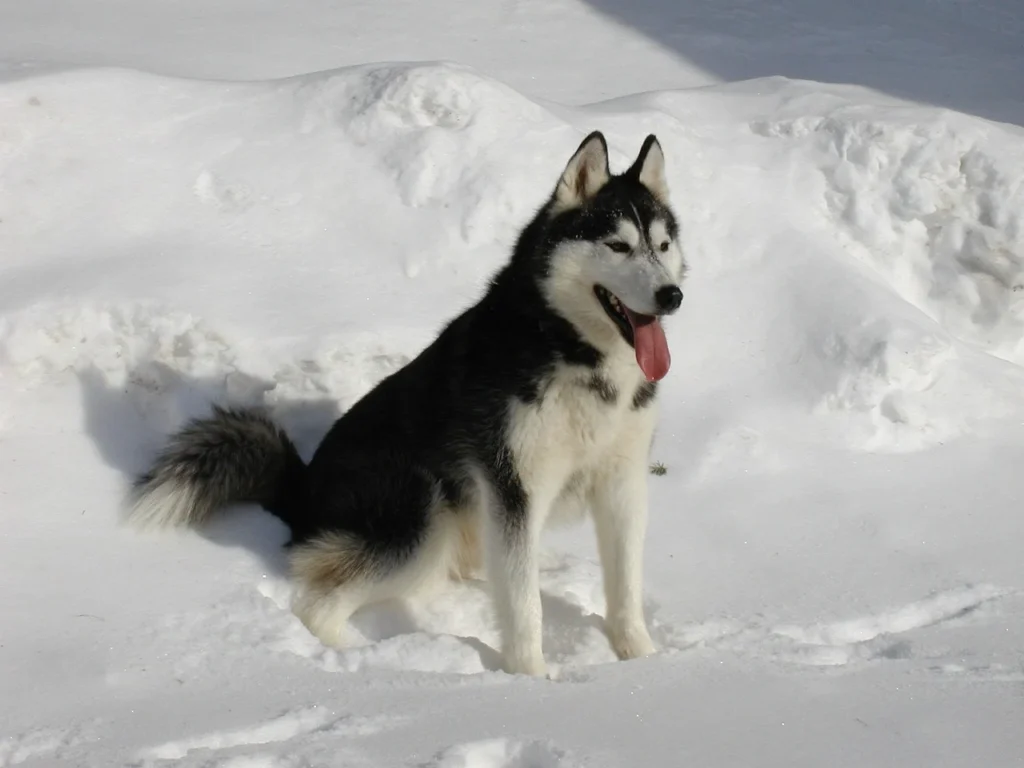
Consistent, positive reinforcement training is key for independent Siberian Huskies.
We recommend starting obedience training early, using positive reinforcement methods, and keeping sessions short, engaging, and varied to maintain their interest. Consistency is paramount. They respond well to reward-based training but can quickly become bored with repetitive tasks. Their strong prey drive means recall can be particularly difficult to master. We strongly advise keeping them on a lead in unsecured areas. Enrolling in puppy classes and advanced obedience training can be highly beneficial. It helps not just the dog but the owner to learn effective handling techniques.
What Are the Common Health Issues for Siberian Huskies?
Siberian Huskies are generally a healthy breed with a lifespan of 12–15 years. However, they can be prone to certain genetic health conditions, including hip dysplasia, progressive retinal atrophy (PRA), cataracts, and hypothyroidism.
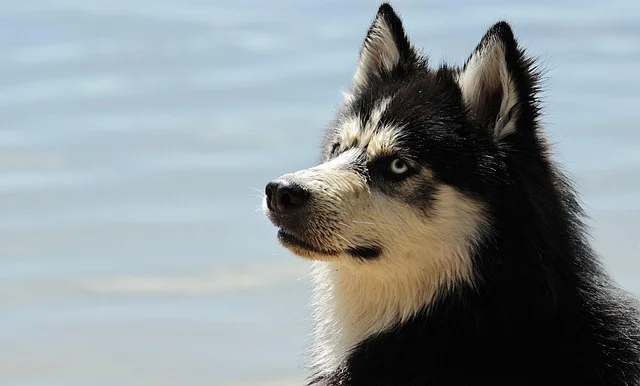
Regular veterinary check-ups are important for monitoring a Siberian Husky’s health.
Hip dysplasia is a malformation of the hip joint that can lead to arthritis and pain. PRA and cataracts are eye conditions that can lead to vision impairment or blindness. Hypothyroidism, an underactive thyroid gland, can cause weight gain, lethargy, and skin issues. Reputable breeders will screen their breeding stock for these conditions to minimize the risk. Regular veterinary check-ups, a balanced diet, and appropriate exercise can help manage and detect these conditions early. If you notice any changes in your Husky’s behaviour, appetite, or physical condition, we always recommend consulting your vet promptly.
What is the Cost of Owning a Siberian Husky?
The initial purchase price for a Siberian Husky puppy from a reputable breeder typically ranges from $800 to $3,000 (approximately £650 to £2,400, though prices vary), while adoption fees from shelters are generally lower, around $150-$625 (approximately £120-£500).
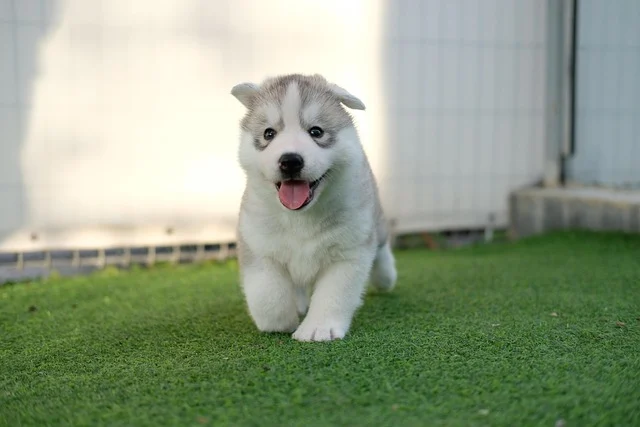
Beyond the initial cost, annual ownership expenses for a Siberian Husky can range from approximately $1,800 to $3,390 (around £1,450 to £2,700) as of 2026. This covers essential items such as high-quality food, routine veterinary care, grooming supplies (especially during shedding season), toys, training classes, and pet insurance. Many prospective owners underestimate the ongoing financial commitment required for an active, large breed dog. Unexpected veterinary emergencies or specialized training can also add significantly to these costs.
Is a Siberian Husky a Good Companion for Your Home?
A Siberian Husky can be an excellent companion for the right home, particularly one that can provide extensive exercise, consistent training, and ample social interaction, but they are not suitable for every household.
They are generally friendly, gentle, and sociable, making them poor guard dogs as they are more likely to greet an intruder than deter them. This breed thrives on companionship and can suffer from separation anxiety if left alone for long periods, which can lead to destructive behaviours or excessive howling. We often advise that they are best suited for active individuals or families who are prepared for the commitment of a high-energy dog. Their strong prey drive means they may not be suitable for homes with small pets like cats, unless introduced carefully and socialized from a young age. Breed-specific legislation (BSL) in some areas or restrictions by insurance companies may include Siberian Huskies due to their size, energy, or wolf-like appearance, so it’s important to check local regulations before committing to ownership.
Siberian Husky Compared to Alaskan Husky
The primary difference between a Siberian Husky and an Alaskan Husky is that the Siberian Husky is a purebred dog with a recognized breed standard, while the Alaskan Husky is a type of dog bred specifically for sled racing, not a distinct breed.
Siberian Huskies conform to specific physical characteristics and temperament traits established by kennel clubs like the AKC and The Kennel Club. Alaskan Huskies, on the other hand, are typically a mix of various northern breeds, including Siberian Huskies, Greyhounds, and other working dogs, selected for their speed, endurance, and overall performance in sled pulling. This means an Alaskan Husky’s appearance and temperament can vary greatly depending on its genetic makeup. A Siberian Husky will generally fit within the established breed standards. If you are looking for a dog with a predictable appearance and lineage, a Siberian Husky is the choice. If you are seeking a high-performance sled dog, an Alaskan Husky might be more suitable, though their needs are even more demanding.
What Not to Do When Owning a Siberian Husky
When owning a Siberian Husky, avoid underestimating their exercise needs, as insufficient activity leads to boredom and destructive behaviours. Never shave their double coat to cool them down. This removes their natural insulation and UV protection, making them more susceptible to heatstroke and sunburn.
We strongly advise against letting them off-lead in unsecured areas. This is especially true where there are small animals, due to their strong prey drive and tendency to roam. Do not assume they will be easy to train. Their intelligence combined with independence requires consistent, patient, and positive reinforcement methods. Finally, do not leave them alone for extended periods without mental and physical stimulation. They are social animals who thrive on companionship and can develop separation anxiety. Understanding these common pitfalls is important for a harmonious life with this unique breed.
Frequently asked questions
When is a Siberian Husky full grown?
A Siberian Husky is typically considered full grown in terms of height and length by 12 months of age. They may continue to fill out and gain muscle mass until they are 18 to 24 months old.
Why do Siberian Huskies howl?
Siberian Huskies howl as a natural form of communication, a trait inherited from their wolf ancestors. They may howl to express excitement, loneliness, to alert their owners to something, or as a response to sirens or other high-pitched sounds.
Are Siberian Huskies aggressive?
No, Siberian Huskies are not inherently aggressive. They are generally known for their friendly, gentle, and outgoing temperament, making them poor guard dogs. Any signs of aggression would typically be due to poor socialization, fear, or underlying health issues rather than a breed characteristic.