Understanding the Chihuahua: Origins and Characteristics
Chihuahuas are a toy dog breed with ancient roots. They are most often linked to the Techichi companion dogs kept by the Toltec and later Aztec peoples in Mexico, where the modern breed first gained global attention. Research published in June 2025 indicated that Chihuahuas retain the most traces of authentic Mesoamerican genetic lineages among dog breeds. A study published in Nature Communications in July 2026 found they share some DNA segments with coyotes. [smithsonianmag.com] [smithsonianmag.com]
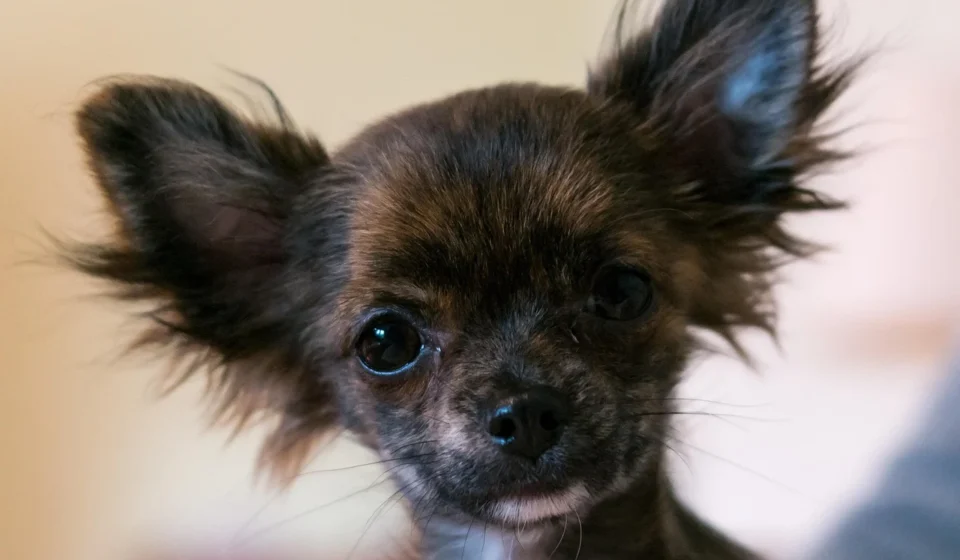
Physically, they possess a compact build, a distinctive rounded ‘apple-dome’ skull, and large, expressive eyes. Their ears are typically large and erect, though they can be dropped in some individuals when relaxed. Chihuahuas come in two primary coat varieties: short-haired (smooth) and long-haired. Both of these can display a wide range of colours and patterns. The American Kennel Club (AKC) breed standard specifies a weight not to exceed 6 pounds (approximately 2.7 kg). Dogs over this weight are disqualified.
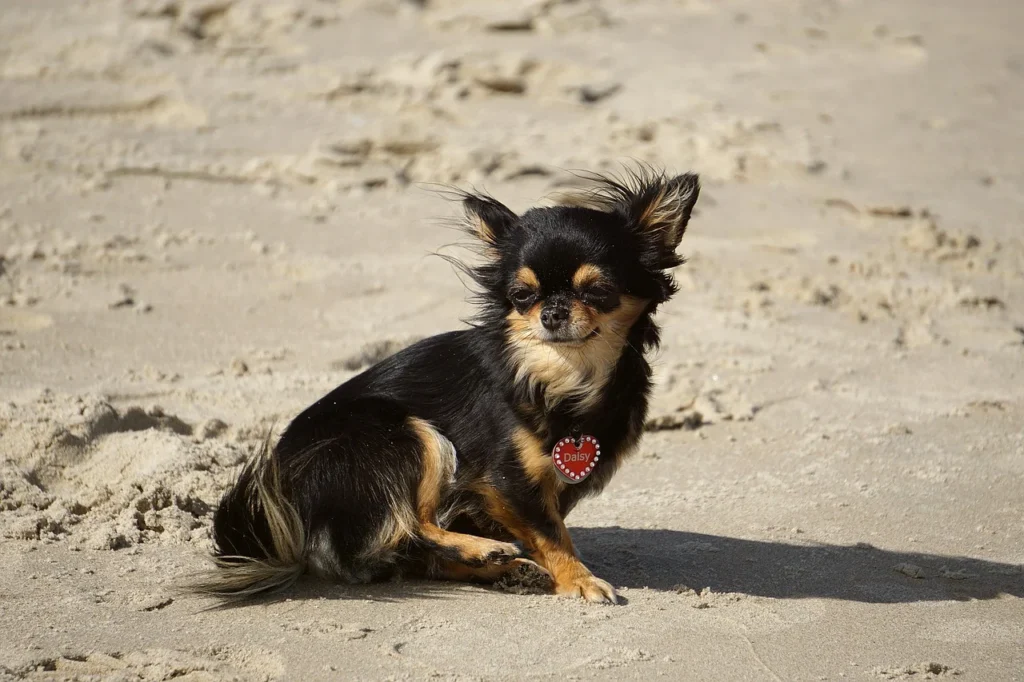
Despite their small stature, Chihuahuas possess a significant personality, often described as ‘terrier-like’ in their energy and assertiveness. They are intelligent and form strong bonds with their human companions, often displaying a fierce devotion. However, without proper socialisation and training, they can develop fear-based reactivity or become overly yappy. This is a common misconception that often unfairly labels the breed as inherently aggressive.
What Are the Different Types of Chihuahuas?
While people often refer to ‘types’ or ‘breeds’ of Chihuahuas, there are officially only two recognised coat varieties within the single Chihuahua breed, as detailed in a chihuahua breed guide: the Smooth Coat (short-haired) and the Long Coat (long-haired). The idea of other ‘types’ such as ‘deer head’ or ‘apple head’ refers to skull shape variations, and ‘teacup’ is a marketing term, not a legitimate breed classification.
Smooth Coat Chihuahuas
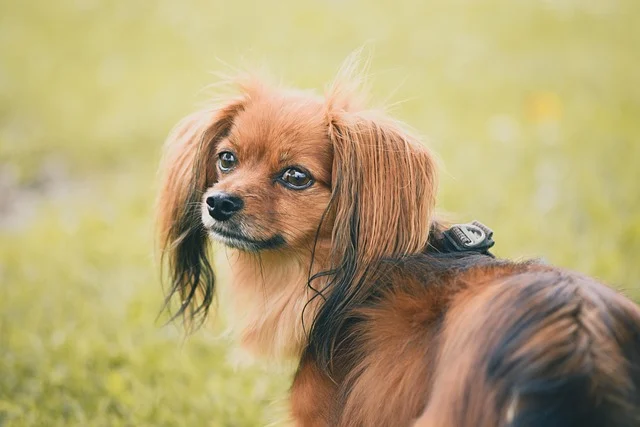
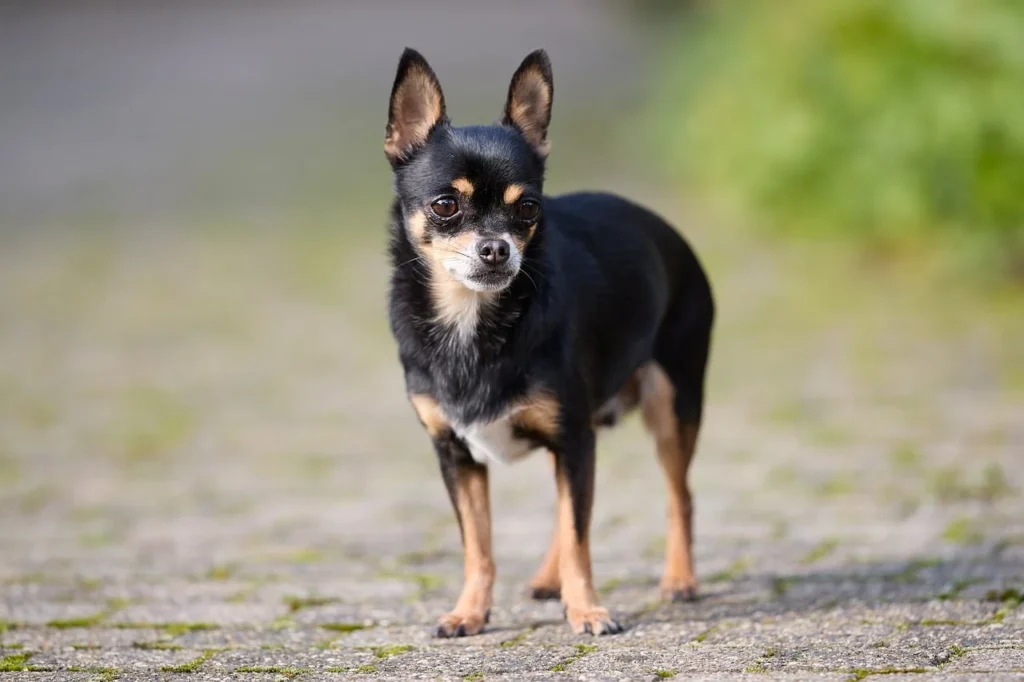
The Smooth Coat Chihuahua is characterised by its short, soft, glossy coat that lies close to the body. This variety typically requires minimal grooming, usually just a weekly brush to remove loose hairs and maintain coat health. They are often perceived as more ‘classic’ in appearance due to their sleek lines. Their low-maintenance coat can be a big draw for owners.
Long Coat Chihuahuas
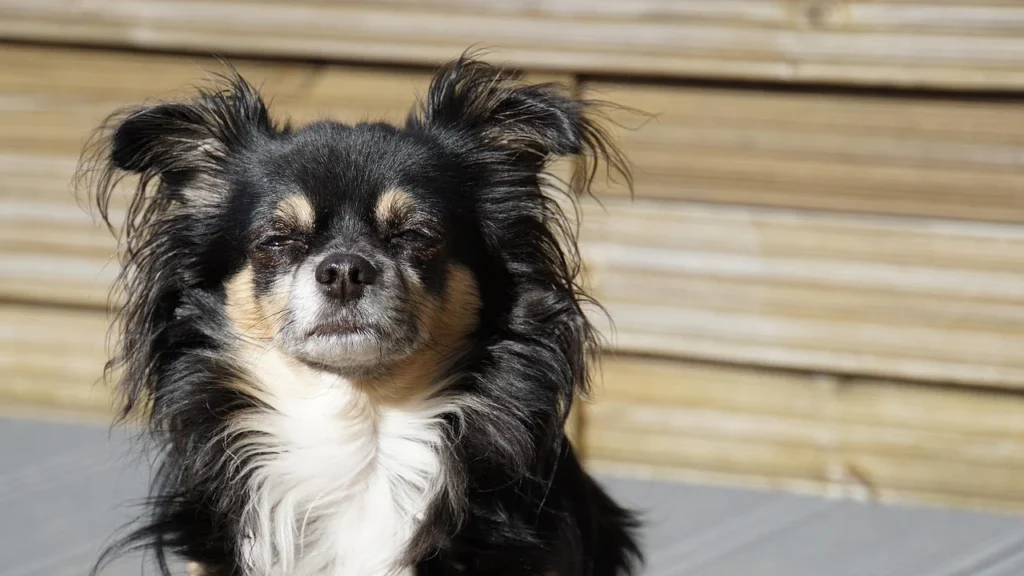
Long Coat Chihuahuas have a soft, slightly wavy or flat coat, with feathering on the ears, legs, and tail. Their longer fur gives them a somewhat softer, more elegant appearance. This variety requires more consistent grooming to prevent matting and tangles, typically needing brushing several times a week. Despite the difference in coat, both varieties share the same core temperament and health considerations.
Are ‘Deer Head’ and ‘Apple Head’ Chihuahuas Different Breeds?
No, ‘deer head’ and ‘apple head’ are descriptive terms for the shape of a Chihuahua’s head. They are not distinct breeds or types. The ‘apple-dome’ skull is part of the official chihuahua breed guide standard. The ‘deer head’ shape, with a longer muzzle and sloping forehead, is a common variation but not preferred in conformation shows.
What is the Best Chihuahua Breed?
There isn’t a ‘best’ Chihuahua breed because all Chihuahuas belong to the same breed. The choice between a Smooth Coat and a Long Coat largely comes down to personal preference regarding grooming and appearance. Both varieties offer the same spirited personality and deep companionship. We advise you to consider your lifestyle and how much time you are willing to dedicate to grooming before making a decision, as covered in a chihuahua breed guide.
What is the Rarest Breed of Chihuahua?
The concept of a ‘rarest’ Chihuahua breed is a misconception, as there is only one breed. However, certain coat colors or patterns can be less common. For instance, the merle coat color is disallowed in a chihuahua breed guide due to associated health risks. This makes it rare among reputable breeders who prioritize health and adherence to established standards.
A full guide to understanding the chihuahua breed standard
To identify a full breed Chihuahua, you should look for specific characteristics defined by official breed standards, such as those set by the American Kennel Club (AKC) or the United Kennel Club (UKC). These standards detail physical attributes, temperament, and disqualifying faults.
Key indicators of a full breed Chihuahua include:
- Weight: The AKC standard states a weight not to exceed 6 pounds (approximately 2.7 kg). Dogs over this weight are disqualified.
- Head: An ‘apple-dome’ skull is characteristic, meaning a rounded head with a distinct stop (the indentation between the eyes).
- Ears: Large, erect ears, which may flare out slightly to the sides when relaxed, but should be carried upright when alert.
- Eyes: Full, round, and dark, though lighter eyes are acceptable in some lighter colored dogs. They should be expressive and not protruding.
- Body: A compact, slightly longer than tall body, with a level back and well-sprung ribs.
- Tail: Moderately long, carried in a sickle shape over the back or slightly to the side, with the tip just touching the back.
- Coat: Either smooth (short, soft, glossy) or long (soft, slightly wavy or flat, with feathering). A wide range of colours and patterns are acceptable, but merle is a disqualifying fault due to health concerns.
- Temperament: Alert, intelligent, and lively, though they can be wary of strangers without proper socialisation.
When considering a Chihuahua, we always recommend seeking out a reputable breeder who can provide pedigree papers and health clearances for the puppy’s parents. This not only helps confirm the dog’s lineage but also indicates a commitment to responsible breeding practices.
Essential Care for Your Chihuahua
Caring for a Chihuahua involves understanding their unique needs, from exercise and training to grooming and diet. Despite their small size, they require consistent attention in several key areas.
Exercise and Mental Stimulation
Chihuahuas are intelligent and possess terrier-like energy, debunking the misconception that they do not need exercise or training due to their small size. They require consistent training and mental stimulation to prevent neurotic behaviour or anxiety, as detailed in a chihuahua breed guide. Daily walks of 20–30 minutes, ideally split into two shorter outings, are usually sufficient. We suggest supplementing this with indoor play sessions and puzzle toys to keep their minds engaged. Remember, they are sensitive to cold temperatures, so a warm coat is essential for outdoor activities during cooler months.
Training and Socialisation
Early, consistent socialisation is important for Chihuahuas to prevent timidity or reactivity. Exposing them to various sights, sounds, people, and well-behaved dogs from a young age helps build confidence. Training, as outlined in a chihuahua breed guide, should be positive reinforcement-based, using treats and praise. They are intelligent and learn quickly, but their stubborn streak means patience and consistency are key. Housetraining can sometimes be a challenge, so a consistent schedule and plenty of praise for outdoor successes are vital.
Grooming Needs
Grooming requirements vary slightly between the two coat types. Smooth Coat Chihuahuas benefit from weekly brushing to remove loose hair and keep their coat shiny. Long Coat Chihuahuas need brushing several times a week to prevent mats and tangles, especially around their ears, legs, and tail. Both types require regular nail trims, ear cleaning, and dental care. Dental disease is a common problem for the breed, so daily brushing with dog-specific toothpaste is highly recommended.
Diet and Nutrition
A high-quality diet appropriate for small breeds is essential for your Chihuahua’s health, as discussed in a chihuahua breed guide. Due to their small size, they have fast metabolisms and can be prone to hypoglycemia (low blood sugar), especially as puppies. We advise feeding small, frequent meals rather than one or two large ones. Always ensure fresh water is available. Monitor their weight carefully, as obesity can exacerbate joint problems like patellar luxation.
Common Health Concerns in Chihuahuas
Chihuahuas are generally a solid breed, but like all dogs, they are predisposed to certain health conditions that prospective owners should be aware of. Recognizing these can help you provide the best preventative care and seek veterinary attention promptly.
- Patellar Luxation: This condition, common in small breeds, involves the kneecap slipping out of place. It can range from mild to severe, sometimes requiring surgical correction. We always recommend asking breeders about the patellar health of their breeding dogs.
- Heart Disease: Mitral valve disease is a particular concern, where the valve between the heart’s left chambers degenerates. Regular veterinary check-ups are important for early detection and management.
- Dental Disease: Chihuahuas are highly prone to dental issues, including tartar buildup, gum disease, and tooth loss. Therefore, daily tooth brushing and professional dental cleanings are often necessary to maintain oral health.
- Tracheal Collapse: This condition affects the windpipe, causing a honking cough, especially when excited or pulling on a lead. Using a harness instead of a collar can help reduce pressure on the trachea.
- Hypoglycemia: Low blood sugar, particularly in puppies, can be dangerous. It’s often managed with frequent, small meals and ensuring the puppy is not over-exercised or stressed.
- Hydrocephalus: This is a condition where cerebrospinal fluid builds up in the brain. It’s often associated with the ‘apple-dome’ skull and can lead to neurological problems. Reputable breeders screen for this.
- Eye Problems: Chihuahuas can be susceptible to various eye conditions, including dry eye, glaucoma, and progressive retinal atrophy.
Avoiding ‘teacup’ chihuahua breeders
It’s important to remember that ‘teacup Chihuahuas’ are not a legitimate breed variety. They are a marketing term for dangerously undersized dogs. These extremely small Chihuahuas are often bred specifically for their tiny size. This can exacerbate many of the health issues listed above, making them more fragile and prone to severe health complications. For a chihuahua breed guide, we strongly advise against supporting breeders who promote ‘teacup’ dogs.
Acquiring a Chihuahua: Reputable Sources and What to Avoid
Bringing a Chihuahua into your home is a significant commitment, and choosing a reputable source is paramount to ensuring you get a healthy, well-socialized puppy. We would certainly recommend approaching this with careful consideration.
Finding a Reputable Breeder
A reputable breeder prioritizes the health and temperament of their dogs above all else. They will:
- Be transparent about their breeding practices and allow you to visit their premises.
- Provide health clearances for the puppy’s parents, screening for conditions like patellar luxation and heart disease.
- Be knowledgeable about the breed standard and genetic lineage.
- Not sell puppies before they are at least 8–12 weeks old, ensuring they have had important socialisation with their mother and littermates.
- Offer a contract and health guarantee.
- Be keen to ask you questions to ensure their puppies are going to good homes.
The average price for a Chihuahua puppy from a reputable breeder in the United States is around $2,550 (as of May 2026), with prices ranging from $700 to more than $3,000. [insurify.com] While these are US figures, similar ranges for well-bred puppies can be expected in the UK. This reflects the care and health testing invested by responsible breeders.
Adopting from a Shelter or Rescue
Adopting a Chihuahua from a breed-specific rescue organisation or a general animal shelter is a wonderful way to give a dog a second chance. These organizations often have Chihuahuas of all ages, from puppies to seniors, looking for homes. The cost of adopting a Chihuahua, as detailed in a chihuahua breed guide, from a shelter or rescue typically ranges between $50 and $300 (as of May 2026 in the US), which usually includes vaccinations, neutering/spaying, and microchipping. This is a far more affordable option and supports a great cause.
What to Avoid
We cannot stress enough the importance of avoiding puppy mills, pet shops, or breeders who advertise ‘teacup’ Chihuahuas. These sources often prioritise profit over animal welfare. This leads to puppies with health problems, poor socialisation, and genetic predispositions to illness. A common misconception is that Chihuahuas are difficult or aggressive. Often, this behaviour stems from improper breeding, lack of socialisation, or owners not understanding their needs as described in a chihuahua breed guide, rather than an inherent flaw in the breed itself.
The Enduring Appeal of the Chihuahua
The Chihuahua’s tiny size often belies a huge personality, making them captivating companions for many pet owners. They thrive on human companionship and, with proper care, training, and socialisation, can be well-adjusted, loving, and surprisingly quiet dogs. Their adaptability to apartment living, combined with their strong bond with their families, makes them an enduringly popular choice. However, it is vital to remember that they are not outdoor dogs, being sensitive to cold temperatures, and they truly thrive indoors as part of the family.
More Chihuahua Guides
- How to Spell Chihuahua: A Guide to Mastering the Smallest Dog’s Name
- Chiweenie: The Adorable Chihuahua-Dachshund Mix
Frequently asked questions
Are Chihuahuas good family pets?
Chihuahuas can be excellent family pets, especially for families with older, respectful children. They are fiercely loyal and loving companions, but their small size makes them vulnerable to accidental injury from rough play, and they can be prone to fear-based reactivity if not properly socialised.
Do Chihuahuas bark a lot?
Chihuahuas have a reputation for barking. This is often a result of insufficient socialisation, anxiety, or lack of training, rather than an inherent trait. With consistent training and early exposure to various stimuli, they can be quiet and well-behaved, though they will alert you to visitors.
What is the average lifespan of a Chihuahua?
Chihuahuas typically have a relatively long lifespan, often living between 12 to 20 years. Their longevity, as detailed in a chihuahua breed guide, depends heavily on genetics, diet, exercise, and preventative veterinary care, particularly managing common health issues like dental disease and patellar luxation.
Sources