This guide covers the size categories, purchase and adoption costs, grooming and exercise requirements, shedding realities, health issues, and overall temperament of labradoodles.
Labradoodle Guide: Sizes, Costs, Shedding, and What to Expect
A labradoodle is a hybrid dog created by crossing a Labrador Retriever with a Standard or Miniature Poodle, originally developed in Australia in 1989 by Wally Conron to serve as an allergy-friendly guide dog.
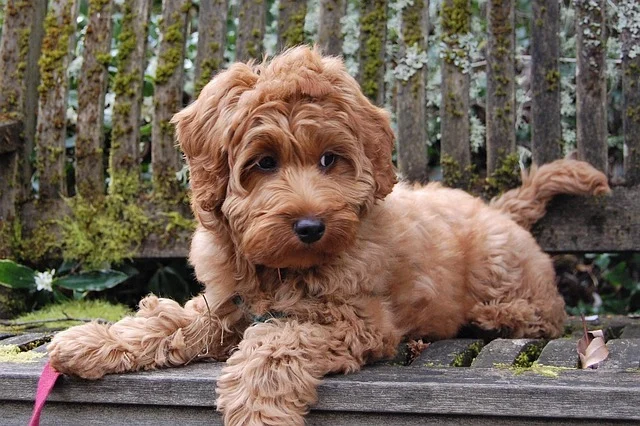
When you look at the history of this crossbreed, you find that what started as a specific working dog request has evolved into one of the most popular companion animals worldwide. According to historical accounts, the initial goal was combining the gentle, eager-to-please nature of the Labrador Retriever with the low-shedding coat of the Poodle. However, because they are crossbred dogs rather than standardized purebreds, their physical traits and coat types can vary significantly between individual litters.
Major kennel clubs, such as the American Kennel Club, do not currently recognize the labradoodle as an official purebred dog. Instead, they are classified as mixed-breed dogs. [images.akc.org] Over time, breeders developed distinct multi-generational lines, notably the Australian Labradoodle, which incorporates additional lineage such as the Irish Water Spaniel and Cocker Spaniel to achieve greater predictability in coat texture, temperament, and size.
Labradoodle how big and when do they stop growing?
Labradoodles typically reach their full adult size between 12 and 18 months of age, with weight and height varying across three distinct size categories: miniature, medium, and standard.

When you plan for a puppy, you must account for the specific category you choose, as the size differences are substantial. Miniature labradoodles generally weigh between 7 and 13 kg and stand 35 to 42 cm tall. Medium labradoodles reach 13 to 20 kg and measure 43 to 52 cm at the shoulder. Standard labradoodles grow much larger, weighing between 21 and 30 kg and standing 53 to 63 cm tall. Look closely at the parent dogs when you buy a puppy, as genetics remain the most reliable indicator of final adult dimensions.
Growth happens rapidly during the first six months, but skeletal maturity takes longer. Standard variants require up to 18 months for their joints and bones to fully develop. Owners must avoid high-impact exercise during puppyhood to protect developing joints.
Labradoodle how much do they cost?
A labradoodle puppy from a reputable breeder typically costs between $1,500 and $4,000, while specialized Australian Labradoodles often range from $3,000 to $5,000 or more.

When you budget for a new dog, the upfront purchase price is only part of the financial commitment. Adoption through a rescue organization usually costs between $150 and $500, offering a more affordable route to ownership while providing a home for a dog in need. Beyond the initial acquisition, you must factor in ongoing expenses such as premium food, routine veterinary care, insurance, and professional grooming.
Breeding associations like the Australian Labradoodle Association of America (ALAA) and the Australian Labradoodle Association Europe (ALAEU) enforce strict health testing rules for parent dogs, which influences the price charged by ethical breeders. Buying from a health-conscious breeder reduces the risk of expensive veterinary bills later in life, making upfront investment a sensible choice.
| Type | Estimated Cost | Key Characteristics |
|---|---|---|
| Rescue Adoption | $150 – $500 | Adult or older puppies, vaccinations often included |
| Standard Labradoodle | $1,500 – $4,000 | First-generation or multi-gen cross, varied coat types |
| Australian Labradoodle | $3,000 – $5,000+ | Multi-generational, bred for specific coat and temperament consistency |
Why labradoodles are the worst dogs or bad for some owners
Labradoodles are demanding dogs that require consistent brushing three to four times a week and professional grooming every six to eight weeks to prevent severe matting.
A common misconception is that owning a labradoodle is easy because they do not shed heavily. In reality, their coats—whether hair, fleece, or wool—trap loose hairs and debris easily. Skipping routine maintenance causes the fur to mat tightly against the skin. This brings discomfort and requires a complete shave down by a professional groomer. Many owners underestimate this time commitment when bringing a puppy home.
A study from the Royal Veterinary College noted that labradoodles scored well on several behavioral measures compared to Poodles, but they still possess high energy levels. If they lack adequate mental stimulation and daily exercise, they develop destructive chewing or barking habits. They do not suit owners who want a low-effort, decorative pet that requires minimal attention.
Labradoodles don’t shed: myth or reality?
Labradoodles shed significantly less than many other breeds, but no labradoodle is 100 percent non-shedding. Their coat type determines the exact amount of loose hair you will encounter in your home.

First-generation (F1) labradoodles often shed a light to moderate amount because they inherit a mixed coat from their Labrador and Poodle parents. Multi-generational crosses and Australian Labradoodles with fleece or wool coats trap loose hairs within their curls, which requires regular brushing to remove before they drop onto your furniture. If you expect a completely hair-free home without putting effort into coat maintenance, you will face frustration.
Labradoodle what is the mix?
A standard labradoodle is a direct cross between a Labrador Retriever and either a Miniature or Standard Poodle. Genetic contributions split evenly in a first-generation cross, combining working retriever traits with poodle intelligence.
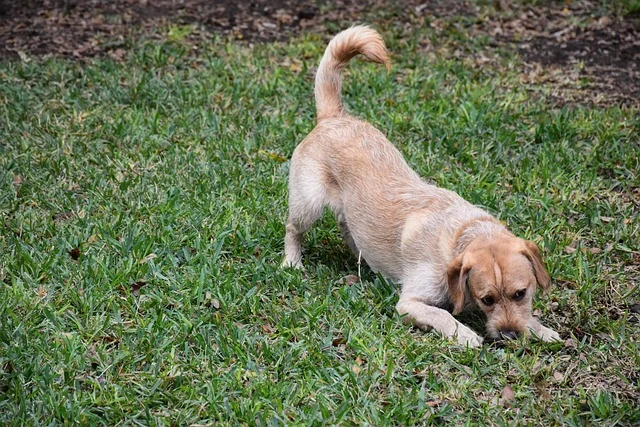
Australian Labradoodles introduce further complexity by infusing other breeds into the lineage, specifically the Cocker Spaniel and Irish Water Spaniel. Targeted multi-generational breeding aims to lock in specific coat textures, sizes, and calm temperaments. These efforts distance the lineage from unpredictable first-generation traits.
What health issues affect labradoodles?
Labradoodles are generally considered healthy crossbreed dogs, but they remain prone to inherited conditions including hip dysplasia, elbow dysplasia, eye diseases, and Addison’s disease.

Responsible breeding practices play a vital role in minimizing these risks. Ethical breeders perform hip and elbow evaluations, eye screenings, and DNA tests for specific conditions such as Exercise Induced Collapse (EIC) and progressive retinal atrophy (PRA). Ask to see health certificates for both parent dogs when you buy a puppy.
Ear infections represent another frequent issue due to the combination of floppy ears and hair growth inside the ear canal. You must check and clean your dog’s ears regularly, especially after swimming or bathing, to prevent moisture buildup.
Frequently asked questions
What is the downside to a labradoodle?
The main downsides include high grooming requirements to prevent painful matting. Potential high energy levels demand daily exercise, alongside variable coat types and shedding levels depending on their specific generation.
Are labradoodles truly hypoallergenic?
No dog is entirely hypoallergenic, as people react to saliva and skin dander as well as fur. While fleece and wool coats shed less dander into the environment, individual human reactions vary widely.
When do labradoodles calm down?
Most labradoodles begin to mellow out between one and two years of age. Their puppy-like enthusiasm and playfulness often persist well into adulthood.
Sources