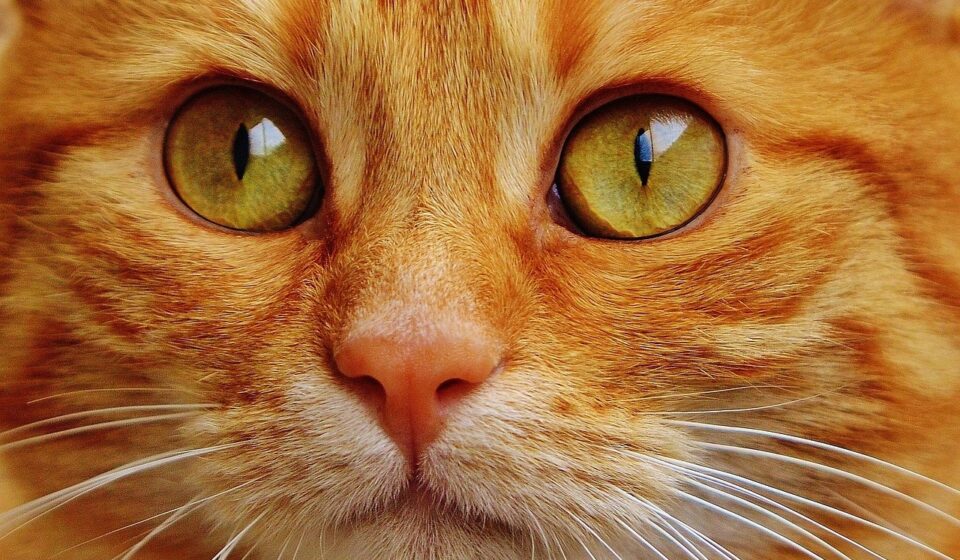
The Allure of the Red Cat
A common question asked is, “What makes a cat red?” The striking visual appeal of red cats, often referred to as ginger, marmalade, or orange cats, captivates feline enthusiasts worldwide. Far from being a distinct breed, the ‘red’ colouration is a genetic trait that can appear across many different cat breeds and mixed domestic cats. As of May 2026, understanding the science behind this beautiful coat colour, alongside their often-celebrated personalities, offers a deeper appreciation for these beloved companions.
Last updated: May 19, 2026
While the visual is immediate, the underlying genetics are fascinating. The red colouration is directly linked to the orange gene, which primarily affects the distribution of pigment in the cat’s fur. This gene is sex-linked, which is a significant reason why male cats are far more likely to be red than female cats.
Key Takeaways
- The red coat colour in cats is a genetic trait, not a breed, governed by the orange gene (O).
- This gene is sex-linked, meaning the majority of red cats are male (around 80%).
- Red cats almost universally display a tabby pattern, characterised by an ‘M’ on the forehead.
- While personality can vary, red cats are often perceived as more outgoing and affectionate.
- Specific health considerations, such as a predisposition to certain genetic conditions, may apply.
Unravelling the Genetics of Red Coats
The vibrant red hue in felines is a direct result of a specific gene, known as the ‘orange gene’ or the ‘O’ gene. This gene, located on the X chromosome, dictates the production of the pheomelanin pigment, which is responsible for red, orange, and cream colours in mammals. Without this gene, the cat’s fur defaults to producing eumelanin, the pigment for black, brown, and grey tones.
The key to understanding red cats lies in their X chromosome. Females have two X chromosomes (XX), while males have one X and one Y chromosome (XY). The orange gene is dominant. For a female cat to be red, she must inherit the orange gene on both of her X chromosomes (genotype OO). If she inherits one orange gene and one non-orange gene (e.g., O for orange, o for non-orange), her colour will be a mosaic, typically resulting in a tortoiseshell or calico pattern, where patches of red/orange appear alongside other colours. This is why purely red females are less common than purely red males.
Males, with only one X chromosome, only need to inherit one copy of the orange gene (genotype OY) to express red fur. This genetic quirk means that roughly 80% of all red cats are male, a statistic consistently observed across feline populations. According to the American Association of Feline Practitioners (AAFP) as of 2026, this sex-linked inheritance is a fundamental aspect of feline coat genetics.

The Tabby Connection: More Than Just Colour
It’s a fascinating quirk of feline genetics that nearly all red cats also exhibit tabby markings. The gene responsible for red colouration is closely linked to the gene that produces tabby patterns. Even when the red colour is solid-looking to the untrained eye, closer inspection will often reveal faint tabby stripes, swirls, or spots. This phenomenon means that a “solid red” cat is exceptionally rare; most are simply red tabbies with the pattern sometimes masked by the intensity of the red pigment.
The most recognisable tabby marking is the distinctive ‘M’ shape that appears on the forehead of most tabby cats, including red ones. This ‘M’ is a hallmark of the tabby pattern, which has evolved over millennia and is thought to aid in camouflage for their wild ancestors. The other common tabby markings include pencil lines on the face, stripes on the legs and tail, and a swirling pattern on the sides of the body, often referred to as a “bullseye”.
These tabby patterns can manifest in several ways: the mackerel tabby (narrow, parallel stripes), the classic (or blotched) tabby (wider, swirling patterns resembling marble), the ticked tabby (agouti hairs with bands of colour, often seen in Abyssinians, with faint stripes on legs and tail), and the spotted tabby (which appears as broken mackerel stripes).
Worth noting, the intensity and visibility of these tabby markings can vary significantly. In some red cats, the pattern is very bold and clear, while in others, especially those with a deeper, richer red coat, the pattern may be subtle and only visible in certain lighting conditions. This variation adds to the unique charm of each red feline.
Popular Breeds Sporting Red Coats
While any cat can potentially have a red coat, certain breeds are more commonly associated with this vibrant colour. The prevalence of the red gene within a breed’s gene pool, or the breed’s history, often dictates its frequency. Understanding which breeds frequently display this colour can be helpful for prospective owners looking for a specific aesthetic.
The American Shorthair is a breed where red and red tabby variations are quite popular and well-recognised. These sturdy cats are known for their friendly nature and adaptability. Similarly, the British Shorthair often comes in a beautiful red or red tabby variant, prized for its calm temperament and round features. The Maine Coon, one of the largest domestic cat breeds, frequently exhibits a wide array of colours, including various shades of red and red tabby, contributing to their majestic appearance.
The Persian and Exotic Shorthair breeds also frequently display red coats. Their luxurious fur requires dedicated grooming, but their sweet, placid nature makes them wonderful companions. Less common, but still notable, are red variations in breeds like the Scottish Fold, known for its distinctive folded ears, and the Abyssinian, where the ticked tabby pattern appears in a rich ruddy or red colour. Even breeds like the Siamese can, though rarely, display red points due to complex gene interactions.
It’s important to remember that the red colour itself doesn’t define a breed. A cat from a shelter or a mixed domestic background can absolutely be a red cat, often with all the charm and personality associated with the colour. When considering a specific breed, research its common colour variations and genetic predispositions.
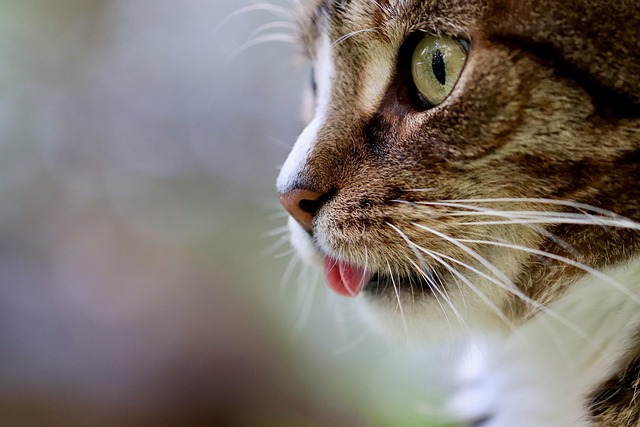
The “Ginger Cat” Personality Stereotype
One of the most enduring beliefs about red cats is that they possess a distinct personality. While anecdotal evidence abounds, scientific research into specific colour-based personality traits in cats is limited. However, many owners and breeders report a common set of characteristics associated with red felines, often described as outgoing, friendly, and affectionate.
The stereotype suggests that red cats are more likely to be “dog-like” in their behaviour, seeking out human interaction, enjoying cuddles, and being generally more tolerant of handling. They are often perceived as being more playful and energetic, with a penchant for mischief. This perception is so widespread that many people specifically seek out red cats, hoping for a particularly companionable pet.
While these traits are not guaranteed, and individual personality is shaped by genetics, upbringing, socialisation, and environment, there might be a kernel of truth linked to the genetics of coat colour. Some studies, though not definitive, have suggested correlations between certain coat colours and behaviours. For instance, research published by Annual Reviews of Animal Biosciences (2017), while broad, touches upon the complexities of linking coat colour to behavioural tendencies in various species, acknowledging that while stereotypes exist, individual variation is paramount.
In real terms, a red cat’s perceived friendliness could also be a reflection of the breeds in which the red colour is most common. Many of these breeds, such as the Maine Coon or American Shorthair, are already known for their amiable dispositions, independent of their coat colour. Early socialisation plays a crucial role; kittens exposed to positive human interaction from a young age are more likely to develop into friendly adult cats, regardless of their colour.
Health and Care for Your Red Companion
While red cats, as a colour group, don’t have unique health issues solely tied to their coat colour, their health needs are the same as any other cat. However, as mentioned, the red colour is more prevalent in certain breeds, and these breeds may have their own specific health predispositions. Understanding these potential issues, alongside general feline wellness, is crucial for responsible ownership.
For breeds that commonly display red coats, such as the Maine Coon, potential issues might include hypertrophic cardiomyopathy (HCM) or hip dysplasia. For breeds like the Persian, polycystic kidney disease (PKD) and brachycephalic (flat-faced) related respiratory issues are concerns. It’s always advisable to consult with a veterinarian about the typical health concerns for a specific breed or mixed breed that exhibits red colouring. They can provide guidance on preventative care, early detection, and management strategies.
Regular veterinary check-ups, typically recommended annually for adult cats and more frequently for kittens and seniors, are paramount. These visits allow for vaccinations, parasite control, dental care assessment, and early diagnosis of any emerging health problems. Providing a balanced, high-quality diet appropriate for the cat’s age, activity level, and health status is fundamental. Ensuring access to fresh water at all times is also vital for overall health, particularly kidney function.
Grooming needs will vary depending on the cat’s coat length and type. Long-haired red cats, like Persians or Maine Coons, will require regular brushing, often daily, to prevent matting and reduce hairballs. Short-haired red cats generally need less intensive grooming, perhaps a weekly brush to help manage shedding. All cats benefit from environmental enrichment, including scratching posts, climbing opportunities, and interactive toys, to promote physical and mental well-being. As of 2026, the emphasis on providing stimulating environments for indoor cats continues to grow, recognising its importance in preventing behavioural issues and promoting longevity.
Dispelling Myths: What Red Cats Are Not
The popular image of the red cat is often painted with broad strokes, leading to several common misconceptions. It’s important to separate fact from fiction to ensure accurate expectations for owners and enthusiasts alike. One of the most pervasive myths is that all red cats are male. While it’s true that males are far more likely to be red (around 80% according to various feline genetics resources), females can absolutely be red, though they require a specific genetic combination (OO) to express the colour purely.
Another misconception is that red cats are a distinct breed. As has been established, red is a colour and a pattern, not a breed. You will find red cats among Persians, Maine Coons, American Shorthairs, domestic shorthairs, and many other breeds and mixed breeds. Therefore, their breed-specific traits will always supersede any generalised traits attributed solely to their coat colour.
Some believe red cats are inherently more aggressive or vocal. While some individuals might exhibit these traits, it’s more likely linked to their individual temperament, breed characteristics, or socialisation history rather than their colour. Similarly, the idea that they are all “lap cats” or “velcro cats” is a simplification. While many red cats are indeed very affectionate and enjoy close companionship, others may be more independent, just like cats of any other colour.
Finally, the notion that red cats are rarer than other colours is also debatable. While they might appear less common in certain populations compared to black or grey cats, the genetic predisposition for red is widespread. Their visibility might also be influenced by the fact that their colour often stands out, making them more memorable.
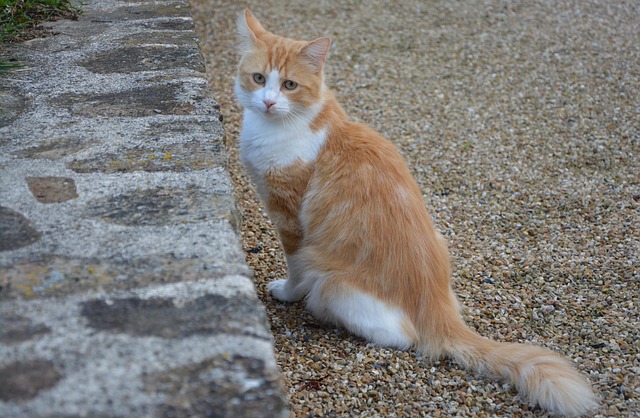
Red Felines in Popular Culture
The charismatic colouration of red cats has seen them featured prominently in literature, film, and television, cementing their place in popular culture. These memorable feline characters often embody the very traits that owners associate with them: warmth, intelligence, and a touch of mischief.
Perhaps one of the most iconic red cats in recent memory is Garfield, the lazy, lasagna-loving comic strip character created by Jim Davis. Garfield’s distinctive orange tabby appearance and his larger-than-life personality have made him a global phenomenon since his debut. Though fictional, he embodies a certain playful, sometimes demanding, but ultimately lovable feline archetype.
In literature, the character of Crookshanks from J.K. Rowling’s “Harry Potter” series is a memorable red tabby. Hermione Granger’s intelligent and seemingly aloof cat is often depicted as a loyal companion, playing a key role in uncovering Peter Pettigrew’s Animagus form. His appearance, described as a large, flat-faced ginger cat, adds to his distinctive character.
Beyond these well-known figures, countless other red cats have graced screens and pages, often serving as symbols of comfort, companionship, or even a touch of magic. Their warm hues and often striking patterns make them visually appealing and easily recognisable characters. The enduring presence of red cats in popular culture undoubtedly contributes to their widespread appeal as pets.
Adoption and Rescue: Welcoming a Red Cat Home
For those enchanted by the charm of red cats, adoption through shelters and rescue organisations is a rewarding path. These centres frequently have red cats and kittens of all ages and breeds available, from purebreds surrendered by owners to beloved mixed-breed companions. As of May 2026, adoption remains one of the most ethical and fulfilling ways to acquire a pet.
When visiting a shelter, be prepared to meet a variety of cats. Red cats are common, so you’re likely to encounter them. Spend time interacting with potential adoptees to gauge their personality. While the “ginger cat” stereotype suggests friendliness, remember that each cat is an individual. Observe their body language: are they curious and engaged, or shy and reserved? A cat’s history, including whether they were socialised well as kittens, will significantly impact their behaviour.
Adoption fees typically cover initial veterinary care, such as spaying/neutering, vaccinations, and microchipping. These fees are generally much lower than purchasing from a breeder and help the organisation continue its work. The adoption process usually involves an application, a home visit or interview, and a trial period to ensure a good match between the cat and the adopter.
It’s worth noting that older red cats are also often available for adoption. Senior cats can make wonderful pets, often being calmer and already litter-trained. They require less intense supervision than kittens and can offer a deep, rewarding companionship. If you’re looking for a specific breed, consider breed-specific rescue groups that focus on rehoming particular breeds, including those that commonly exhibit red colouring.
Caring for Your Red Cat: Ongoing Considerations
Providing a loving and stimulating environment is key to the well-being of any cat, including red ones. In 2026, our understanding of feline welfare continues to evolve, with a growing emphasis on mental stimulation and preventative health care. For red cats, this means ensuring they have a safe, enriching environment tailored to their individual needs.
Diet and Nutrition: A high-quality diet is the cornerstone of feline health. Consult your veterinarian to determine the best food for your red cat, considering age, activity level, and any specific health concerns. Look for foods with a high protein content from identifiable meat sources. Avoid artificial colours or fillers.
Grooming: Regular grooming is essential, especially for long-haired red cats. Daily brushing for long-haired breeds helps prevent mats and reduces hairballs. For short-haired cats, a weekly brush is usually sufficient to keep their coat healthy and reduce shedding. Pay attention to dental hygiene; regular teeth brushing or dental chews can prevent periodontal disease.
Environment and Enrichment: Red cats, like all felines, need opportunities to express natural behaviours. Provide scratching posts, climbing structures, and toys that encourage hunting and play. Interactive play sessions with you are crucial for bonding and mental stimulation. Ensure they have safe spaces to retreat to.
Veterinary Care: Annual check-ups are vital. Your vet can detect early signs of illness, manage any breed-specific health conditions, and keep vaccinations and parasite control up-to-date. As of May 2026, telehealth options for non-urgent advice are increasingly common, but in-person examinations remain crucial for complete care.
Red Cats and Sunlight Exposure
A common concern, particularly for lighter-furred red cats, is their sensitivity to prolonged direct sunlight. While cats generally enjoy basking, excessive exposure, especially to UV rays, can lead to sunburn and increase the risk of skin cancer, particularly on the ears and nose. This is more pronounced in lighter-pigmented cats. Providing shaded areas for your red cat to rest in, and ensuring they have access to cooler indoor spaces during peak sun hours, is a good practice.
Behavioural Needs of Red Cats
While the stereotype leans towards outgoing personalities, it’s essential to meet each red cat’s individual behavioural needs. This includes providing social interaction, play, and mental stimulation. If your red cat seems more reserved, respect their boundaries while still offering opportunities for connection. Understanding their body language is key to building a strong bond.
Frequently Asked Questions
Are red cats more aggressive than other cats?
While the stereotype suggests red cats are generally friendly, aggression is not tied to coat colour. Individual temperament, socialisation, and environment play far greater roles in a cat’s behaviour than its fur colour. Some red cats may be more reserved, while others are exceptionally outgoing.
Do red cats have shorter lifespans?
No, coat colour doesn’t directly determine a cat’s lifespan. Genetics influencs a cat’s longevity, breed, diet, lifestyle, and veterinary care. A well-cared-for red cat can live as long as any other cat, typically 12-18 years or more.
What is the most common red cat breed?
Red is a colour pattern, not a breed. However, it’s commonly seen in breeds like the American Shorthair, British Shorthair, Maine Coon, and Persian. Mixed-breed domestic cats also frequently display red coats.
Why do red cats have an ‘M’ on their forehead?
The ‘M’ marking is a characteristic of the tabby pattern, which is almost universally present in red cats due to linked genetics. The exact origin of the ‘M’ is debated, but it’s a defining feature of the tabby coat pattern found across various feline species.
Are red tabby cats good family pets?
Many red tabby cats are excellent family pets. They are often described as affectionate, playful, and good with children, though individual personalities vary greatly. Proper socialisation from a young age is key to ensuring any cat is well-adjusted to a family environment.
How much does a red cat cost in 2026?
The cost of a red cat varies significantly based on breed, breeder reputation, or whether it’s an adoption. Purebred red cats from reputable breeders can range from £700 to £2,000 or more. Adoption fees from shelters are considerably lower, typically ranging from £50 to £150, and often include initial veterinary care.
Embracing the Warmth of Red Felines
Red cats, with their captivating coats and often delightful personalities, bring a unique warmth to any home. Understanding the genetic basis for their colour, the prevalence of tabby patterns, and their common breed associations allows for a deeper appreciation of these feline companions. While stereotypes about their temperament exist, the reality is that each red cat is an individual, deserving of care, attention, and love.
As of May 2026, whether you’re drawn to their striking appearance, their reputed affability, or simply the joy they bring, welcoming a red cat into your life is a rewarding experience. By providing them with proper nutrition, grooming, environmental enrichment, and regular veterinary care, you ensure they live a long, healthy, and happy life.
Last reviewed: May 2026. Information current as of publication; pricing and product details may change.
Editorial Note: This article was researched and written by the Pet Magazine editorial team. We fact-check our content and update it regularly. For questions or corrections, contact us.