Can Cats Eat Peanut Butter? The Short Answer for 2026
As of June 2026, the short answer to whether cats can eat peanut butter is: cautiously, and only in very small amounts. While not typically poisonous to felines, peanut butter is far from an ideal food for them. It’s high in fat and calories, offers minimal nutritional benefits, and can contain ingredients that are harmful.
Last updated: June 6, 2026
Most commercially available peanut butters are not inherently toxic to cats. However, the real danger lies in what might be added. This guide will break down the risks, explore safer alternatives, and help you understand why your cat’s digestive system isn’t built for this popular human spread.
Key Takeaways
- Peanut butter is not toxic to cats in small quantities, provided it doesn’t contain xylitol.
- Xylitol, an artificial sweetener, is highly toxic to cats and can cause a rapid drop in blood sugar and liver failure.
- Peanut butter is calorie-dense and high in fat, offering little nutritional value for cats.
- The sticky texture can pose a choking hazard or lead to digestive upset.
- Always choose natural, unsalted peanut butter with no added sweeteners or oils if offering a tiny taste.
- Healthier, cat-specific treats are always a better choice for your feline companion.
The Hidden Dangers Lurking in Peanut Butter
It’s easy to assume that because we enjoy peanut butter, our feline friends might too. After all, they often show curiosity about what we eat. However, the composition of peanut butter and a cat’s unique physiology create a few significant concerns. Understanding these risks is paramount before even considering offering a lick.
The primary concern revolves around the ingredients commonly found in peanut butter that are unsuitable for cats. These aren’t just theoretical problems; they represent real health hazards that can manifest quickly.
Xylitol: The Most Dangerous Ingredient
By far the most critical ingredient to watch out for is xylitol. This artificial sweetener is increasingly common in sugar-free and low-calorie food products, including, some peanut butters. According to the ASPCA Animal Poison Control Center, xylitol is extremely toxic to dogs, and while less commonly reported in cats, it’s still considered dangerous for them too.
Even a small amount of xylitol can cause a rapid and dangerous drop in a cat’s blood sugar levels, known as hypoglycemia. This can lead to symptoms like vomiting, lethargy, weakness, disorientation, and seizures. In severe cases, it can cause acute liver failure. Therefore, if a peanut butter product contains xylitol, it should be kept entirely away from your cat.
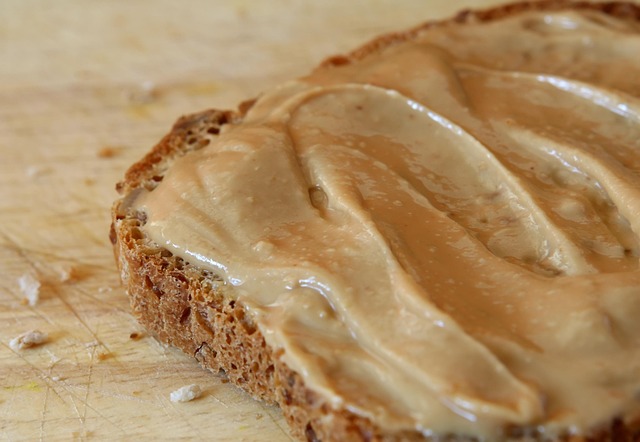
The challenge is that xylitol is often listed in fine print or might be obscured by other ingredients. This is why opting for natural, simple peanut butter is crucial if you must offer a tiny taste.
Empty Calories and Fat Overload
Peanut butter is a dense source of fats and calories. For humans, it can be part of a balanced diet, but for cats, it’s essentially empty calories. Cats are obligate carnivores, meaning their diet should primarily consist of animal-based proteins. They have specific nutritional requirements that peanut butter simply can’t meet.
A tablespoon of peanut butter can contain around 100 calories and 8–10 grams of fat. For a small animal like a cat, this is a significant portion of their daily caloric intake. Overfeeding even small amounts regularly can lead to:
- Weight gain and obesity, which is a major health concern for cats and can lead to diabetes, arthritis, and heart problems.
- Pancreatitis, a painful inflammation of the pancreas, often triggered by a high-fat meal.
- Digestive upset, including vomiting and diarrhea, due to the high fat content.
The Sticky Situation: Choking and Digestive Upset
The thick, sticky texture of peanut butter can present a choking hazard for cats. If a cat tries to swallow a large amount too quickly, it can become lodged in their throat. This is particularly concerning for kittens or older cats with dental issues or weakened swallowing reflexes.
Even if not a choking hazard, the sheer stickiness can cause discomfort and potential blockages in the digestive tract if ingested in larger quantities. Some cats may also experience nausea or stomach upset simply due to the unusual texture and composition. It’s not a texture their systems are designed to process easily.
Beyond Xylitol: Other Harmful Additives
Even if a peanut butter is xylitol-free, other ingredients can be problematic. Many brands add salt (sodium) to enhance flavor. While cats need some sodium, excessive amounts can be harmful, leading to increased thirst, urination, and in severe cases, sodium ion poisoning. This is especially dangerous for cats with pre-existing kidney or heart conditions.
Other additives, such as certain oils (like palm oil or hydrogenated vegetable oils) or preservatives, can also be difficult for cats to digest or may have unknown long-term health effects. This is why reading the ingredient list meticulously is non-negotiable.
Can Cats Eat Peanut Butter: Safe Amounts and How to Offer It
Given the risks, the question shifts from “Can cats eat peanut butter?” to “Should they?” and “If so, how little is too little?” The consensus among veterinarians and pet nutritionists is that peanut butter should not be a regular part of a cat’s diet.
However, in specific, controlled circumstances, a tiny lick might be acceptable, provided you take extreme precautions. These situations often arise when using peanut butter as a ‘vehicle’ for medication or as an occasional, minuscule treat.
Peanut Butter as a Medicine Dispenser
One common scenario where owners consider peanut butter is to administer medication. Many cats are notoriously difficult to pill. The sticky, palatable nature of peanut butter can sometimes mask the taste or texture of a pill, making it easier for your cat to swallow.
If you choose this method, follow these critical steps:
- Use only a tiny amount. We’re talking about a pea-sized portion, not a spoonful.
- Ensure it’s xylitol-free and low-sodium. Double-check the label. Natural, unsalted, unsweetened peanut butter is best.
- Mix the pill thoroughly. Ensure the pill is completely embedded within the peanut butter so your cat can’t spit it out.
- Observe your cat. Watch for any signs of choking or digestive distress afterwards.
It’s worth noting that many vets recommend against this, as it can create a positive association with peanut butter, potentially leading to pestering for more. They often suggest vet-approved pill pockets or other palatable treats instead.
The “Teaspoon” Guideline (and why it’s still too much for many)
If you absolutely must offer peanut butter as a treat, the amount should be minuscule. Think of a portion no larger than the size of your cat’s smallest fingernail, or roughly 1/10th of a teaspoon. This should be an infrequent occurrence, perhaps once every few months at most.
Even this tiny amount can contribute to unwanted calories. For a cat that’s already overweight or has health issues, even this small amount might be too much. It’s always best to consult your veterinarian before introducing any new food item, including a tiny taste of peanut butter.
Accidental Ingestion: What to Do
If your cat has managed to get into a jar of peanut butter or has eaten more than intended, don’t panic, but do act. First, assess the amount eaten and check the peanut butter’s ingredients for xylitol. If xylitol is present, contact your veterinarian or an animal poison control center immediately. Signs of xylitol poisoning can appear within 15–30 minutes.
If the peanut butter was xylitol-free, monitor your cat closely for signs of digestive upset (vomiting, diarrhea, lethargy) or choking. If your cat seems distressed, is having trouble breathing, or shows any concerning symptoms, seek veterinary attention promptly. The high fat content can sometimes lead to a stomach upset that resolves on its own, but it’s better to be safe than sorry.
Peanut Butter vs. Feline Nutritional Needs
To truly understand why peanut butter isn’t a good choice for cats, it helps to look at their specific dietary requirements. Cats are obligate carnivores, a biological classification that dictates their need for a diet rich in animal protein and certain essential nutrients found only in animal tissues.
Their bodies are not well-equipped to process large amounts of carbohydrates or fats, and they have a different metabolism than omnivorous or herbivorous animals.
Obligate Carnivores: A Matter of Biology
The term “obligate carnivore” means that cats must eat meat to survive and thrive. They require specific nutrients that are either absent or in insufficient quantities in plant-based foods. These include:
- Taurine: An amino acid crucial for heart health, vision, and digestion. Cats can’t synthesize taurine efficiently and must obtain it from animal protein sources. A deficiency can lead to blindness and heart disease.
- Arachidonic Acid: A fatty acid essential for skin and coat health, which cats can’t produce from other fats.
- Vitamin A: Cats can’t convert beta-carotene (found in plants) into vitamin A; they need pre-formed vitamin A found in animal tissues.
- Certain B Vitamins: While some B vitamins are found in plants, cats often require higher amounts or specific forms found primarily in meat.
Peanut butter, being plant-based (derived from legumes), lacks these essential nutrients. While it contains protein, it’s not the type or quantity that meets a cat’s biological needs.
Macronutrient Imbalance: Too Much Fat, Not Enough Protein
A typical cat food formulation aims for a balance of protein, fat, and carbohydrates suitable for a feline’s metabolism. Peanut butter throws this balance off significantly:
- Protein: While peanut butter does contain protein, it’s often not the high-quality, complete animal protein cats need.
- Fat: Peanut butter is exceptionally high in fat. While cats do need fat in their diet, it should be balanced and come from animal sources. Excess fat can lead to the health issues mentioned previously.
- Carbohydrates: While less of a concern with natural peanut butter, processed versions can contain added sugars or starches, which cats have limited need for.
In real terms, feeding peanut butter to your cat is akin to giving a human a bite of cake as a dietary staple – it’s not what their body is designed for.
Healthier Alternatives to Peanut Butter for Your Cat
The good news is that there are plenty of safe, nutritious, and appealing treats available for your feline friend. If you’re looking for ways to reward your cat, provide variety, or make medication more palatable, consider these options:
Instead of reaching for the peanut butter jar, explore these cat-approved choices:
- Commercial Cat Treats: The market is flooded with high-quality cat treats designed by pet nutritionists. Look for options with simple ingredient lists, high protein content, and minimal artificial additives. Brands like Temptations, Blue Buffalo, or Wellness offer a wide variety of flavors and textures.
- Small Pieces of Cooked, Unseasoned Meat: Plain, cooked chicken, turkey, or lean beef (boiled or baked without any seasonings, salt, or oil) can be a highly palatable and protein-rich treat. Ensure the pieces are small and easy to chew.
- Fish (in moderation): Small amounts of cooked fish like salmon or tuna (packed in water, not oil, and without salt) can be a special treat. However, frequent consumption of tuna can lead to mercury poisoning or thiamine deficiency, so keep it to a minimum.
- Cat Grass: If your cat enjoys chewing on greens, offer them cat grass. It’s safe, aids digestion, and can satisfy their urge to nibble on plants.
- Specialized Pill Pockets: As mentioned, products like Greenies Pill Pockets are specifically designed to mask the taste and smell of medication, making them a safer and more effective alternative to peanut butter for pill administration.
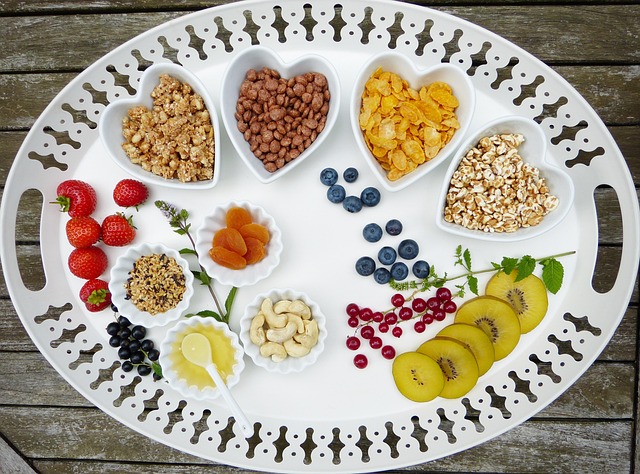
When selecting any treat, always check the ingredient list for potential allergens or harmful additives. If you’re unsure, consulting your veterinarian is the best course of action.
Common Mistakes to Avoid with Cat Treats
When it comes to feeding your cat any kind of treat, including the occasional small taste of something new, several common mistakes can lead to health problems. Being aware of these pitfalls can help you keep your feline companion safe and healthy.
- Overfeeding Treats: Many owners underestimate how many calories treats contribute. Treats should make up no more than 10% of a cat’s total daily caloric intake. Too many treats, even healthy ones, can lead to obesity and nutritional imbalances.
- Ignoring Ingredient Labels: As highlighted with peanut butter, not checking labels is a major error. You might inadvertently give your cat something harmful like xylitol, excessive sodium, or artificial colors and flavors that can cause digestive upset or allergic reactions.
- Feeding Human Food Without Caution: While some human foods are safe in small quantities (like plain cooked chicken), many are toxic. Onions, garlic, grapes, raisins, chocolate, and alcohol are all dangerous for cats. Never assume a human food is safe for your pet.
- Using Peanut Butter for All Medication: Relying solely on peanut butter to hide pills can lead to your cat developing a strong preference for it, potentially leading to them refusing other medications or demanding peanut butter constantly. It can also be a choking hazard for some cats.
- Not Consulting a Vet: Before introducing any new food item, especially if your cat has existing health conditions (like diabetes, kidney disease, or allergies), it’s crucial to get your veterinarian’s approval. What might be safe for one cat could be detrimental to another.
Expert Tips for Safe and Healthy Cat Snacking
As a general rule for 2026 and beyond, prioritize your cat’s specific nutritional needs and safety above all else. Here are some expert-backed tips for ensuring your cat enjoys treats responsibly:
- Prioritize Protein: Always choose treats that are high in animal-based protein. This aligns with their natural diet and provides essential amino acids.
- Read Labels Diligently: Make it a habit to scan the ingredient list for anything you don’t recognize, especially artificial sweeteners, excessive sodium, or unnecessary fillers. Natural and minimal ingredients are always best.
- Portion Control is Key: Even with the healthiest treats, moderation is essential. Use a treat as a training reward or a special occasion offering, not as a meal replacement or daily staple.
- Consider Texture and Size: Ensure treats are appropriately sized for your cat to prevent choking. Different cats have different preferences; some like crunchy treats, others prefer softer ones.
- Introduce New Foods Slowly: If trying a new treat or food, offer a very small amount first to see how your cat reacts. Watch for any signs of digestive upset or allergic reactions.
- Consult Your Vet Regularly: Your veterinarian is your best resource for dietary advice. They can recommend specific brands or types of treats suitable for your cat’s age, health status, and activity level. They can also advise on safe alternatives for medication delivery.
By following these guidelines, you can ensure that treat time is a positive and safe experience for both you and your feline companion.
Frequently Asked Questions About Cats and Peanut Butter
Can kittens eat peanut butter?
Kittens have even more delicate digestive systems and specific nutritional needs than adult cats. It’s strongly advised not to give kittens peanut butter at all. Their risk of choking and digestive upset is higher, and they require a diet focused on growth and development, which peanut butter doesn’t support.
How much peanut butter can cats eat?
The safest amount of peanut butter for a cat to eat is none. If offering a tiny taste as a rare treat or for medication, aim for no more than a speck the size of your cat’s smallest fingernail (less than 1/10th of a teaspoon), and ensure it’s xylitol-free and low-sodium.
Can cats eat natural peanut butter?
Natural peanut butter, made solely from peanuts with no added salt, sugar, oils, or sweeteners like xylitol, is the least risky option if you must offer a tiny amount. However, it’s still very high in fat and calories and offers minimal nutritional benefit to cats.
What are the signs of xylitol poisoning in cats?
Signs of xylitol poisoning in cats can include vomiting, lethargy, weakness, disorientation, incoordination, tremors, seizures, and in severe cases, liver failure. If you suspect your cat has ingested xylitol, contact your veterinarian or an animal poison control center immediately.
Can peanut butter help give cats medicine?
Some owners use a tiny amount of xylitol-free, low-sodium peanut butter to hide pills. However, this is not always recommended due to potential choking hazards and the creation of undesirable food associations. Vet-approved pill pockets or other palatable treats are often safer alternatives.
Are peanuts safe for cats to eat?
While cats can technically eat plain, roasted peanuts in very small quantities, they offer little nutritional value and can be a choking hazard. Peanut butter is generally a worse option due to processing, added ingredients, and texture. Their digestive systems are not designed for nuts.
Final Thoughts on Peanut Butter for Your Cat
In summary, while a tiny lick of xylitol-free peanut butter won’t likely cause immediate harm to a healthy adult cat, it’s far from an ideal or recommended food. The risks associated with its high fat content, potential for choking, and the danger of added ingredients like xylitol far outweigh any perceived benefits.
Focus on providing your cat with a balanced diet and using species-appropriate treats and safe medication delivery methods. When in doubt, always consult your veterinarian for personalized advice on your cat’s nutrition and well-being.
Last reviewed: June 2026. Information current as of publication; pricing and product details may change.
Editorial Note: This article was researched and written by the Pet Magazine editorial team. We fact-check our content and update it regularly. For questions or corrections, contact us. For readers asking “Can cats eat peanut butter”, the answer comes down to the specific factors covered above.