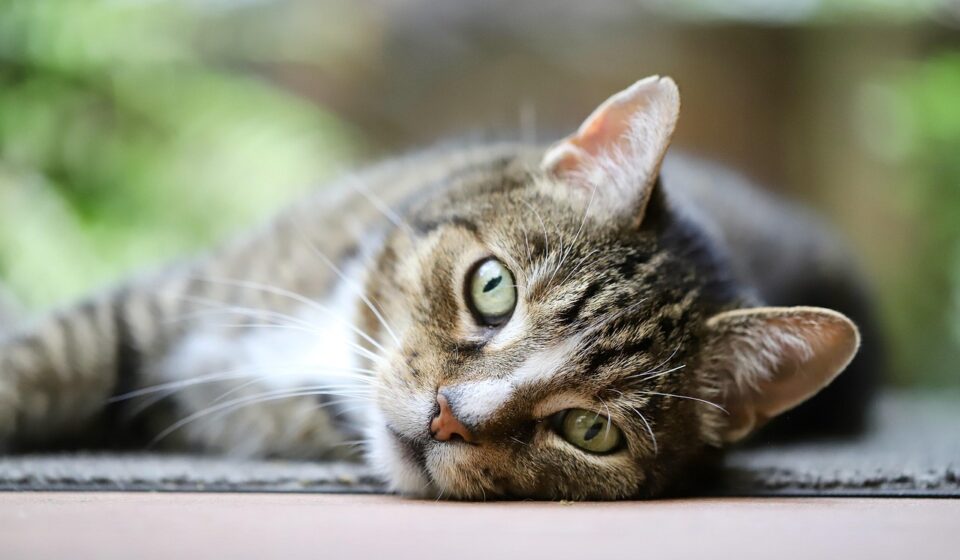
26″ rel=”dofollow”>superior night vision due to a higher concentration of rod cells.
The Science Behind Feline Eyesight: Cones and Rods
To truly grasp what colours cats can see, we must explore the biological mechanisms within their eyes. Like humans, cats have photoreceptor cells in their retinas: rods and cones. Rods are crucial for low-light vision, enabling cats to navigate and hunt effectively in dim conditions, which is why they are renowned for their superior nocturnal capabilities. They are highly sensitive to light intensity but don’t contribute to colour perception.
Last updated: June 6, 2026
Cone cells, on the other hand, are responsible for colour vision and function best in brighter light. The number and type of cone cells determine the range of colours an animal can perceive. Most mammals have at least two types of cone cells, while humans typically have three (trichromatic vision). The specific types of cones a cat possesses dictate their colour palette.
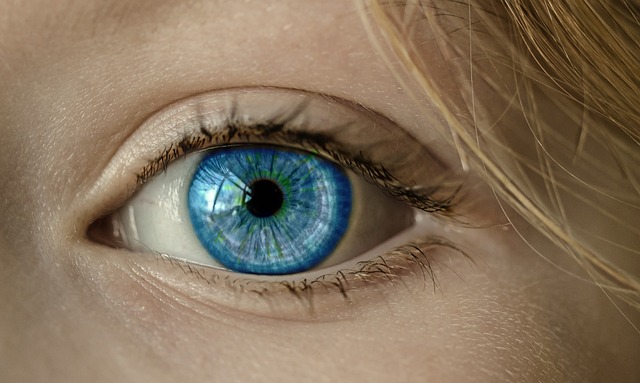
According to research published by institutions like the University of California, Davis, in 2026, cats primarily have two types of cone cells. One type is sensitive to blue wavelengths, and the other is sensitive to green-yellow wavelengths. This biological makeup is what defines their colour vision, often described as dichromatic.
Dichromatic Vision: A World of Blues and Yellows
So, what does dichromatic vision mean in practical terms for our feline friends? It means they can distinguish between blues and yellows, and shades within these ranges. Think of a cat’s world as having a colour palette dominated by these hues. They can likely see different shades of blue, from deep navy to light sky blue, and a spectrum of yellows, from pale primrose to richer mustard tones.
However, the colours that humans perceive as red and green fall into a spectrum that cats struggle to differentiate. These colours likely appear as shades of grey, beige, or muted yellow to them. For instance, a bright red toy might not register as ‘red’ to a cat but rather as a dull, grayish-yellow object, especially if other visual cues like texture or movement are absent.
In real terms, imagine trying to distinguish between a cherry red and a forest green while wearing special tinted glasses that turn those colours into variations of grey. This is broadly analogous to how a cat might perceive these colours. This understanding helps explain why certain brightly coloured toys might not capture their attention as much as those with contrasting shapes or textures.
What Colours Are Invisible or Muted to Cats?
The key colours that cats have difficulty perceiving are reds, oranges, and greens. These colours, which are vibrant and distinct to human eyes, tend to blend into a more monochromatic or desaturated range for felines. They don’t have the cone cell necessary to detect the longer wavelengths of light that produce these colours vividly.
For instance, a vibrant orange ball might appear as a muted yellow or grayish hue. Similarly, a rich green leaf might look like a desaturated yellow or grey. This doesn’t mean they see in black and white; it means their colour spectrum is significantly limited compared to humans. The world isn’t devoid of colour for them, but it’s a different, less saturated, and more limited version of ours.
This limitation also extends to their perception of ultraviolet (UV) light. While some animals, like certain insects and birds, can see into the UV spectrum, cats, like humans, can’t. Therefore, any colours or patterns that rely on UV reflectance would be invisible to them. According to studies by animal vision specialists, this is a common trait across many mammals. Their vision is optimised for detecting movement and contrasts, particularly in lower light conditions, rather than a rich mix of colours.
Cats vs. Humans: A Colour Perception Comparison
The most significant difference between feline and human colour vision lies in the number of cone types. Humans have three types of cones (trichromatic vision), allowing us to see a broad spectrum of colours including reds, greens, and blues, and all the variations in between. Cats, with their two types of cones (dichromatic vision), see a more restricted range.
A helpful analogy often used by veterinary ophthalmologists is to compare cat vision to that of a human with red-green colour blindness. While not an exact match, it conveys the idea that certain colours are difficult to distinguish and appear muted. However, it’s crucial to remember that cats are not ‘colour blind’ in the way humans typically understand the term; they simply have a different, not necessarily inferior, visual system.

And, while humans excel at perceiving colour detail in bright daylight, cats’ eyes are adapted for exceptional performance in low light. Their retinas have a much higher concentration of rod cells. They also possess a reflective layer behind the retina called the tapetum lucidum, which bounces light back through the retina, giving the photoreceptor cells a second chance to absorb the light. This adaptation is why cats’ eyes appear to glow in the dark when light shines on them; it’s the reflected light.
The Role of Vision in Cat Behaviour
Understanding what colours cats can see sheds light on their behaviour. For instance, their hunting instincts are highly attuned to movement and contrast. A fluttering toy mouse, even if it’s red (which appears muted to them), will be highly visible due to its movement. This focus on motion over colour explains why cats can be so captivated by a laser pointer or a dangling string, regardless of its hue.
Their preference for certain toys might also be influenced by colour. Toys in blues, yellows, or those with high contrast against their surroundings are likely to be more engaging. While a bright red ball might not stand out culturewise, if it’s a high-contrast red against a grey floor, the contrast itself might draw their attention. This is why pet product manufacturers are increasingly considering feline vision when designing toys.
For cat owners, this knowledge can be practical. When choosing toys, consider contrasting colours against your home environment or opt for those that move enticingly. Even though they don’t see red vibrantly, the contrast against a grey or blue background can make it pop. Similarly, when introducing a new cat to a home, understanding their visual perception can help in selecting stimulating and appropriate environments. For example, providing varied textures and shapes is as important as colour selection.
Common Misconceptions About Cat Vision
One of the most persistent myths is that cats see in black and white. This is simply not true. While their colour spectrum is limited compared to humans, they do perceive colours, primarily blues and yellows. This misconception likely arose from early, less sophisticated studies of animal vision.
Another misconception is that cats have poor vision overall. In reality, their vision is specialised. While they may not see the fine details of distant objects as clearly as humans, and their colour range is narrower, their ability to detect motion, especially in low light, is far superior to ours. Their visual acuity, or sharpness of vision, is estimated to be around 20/100 to 20/200, meaning they can see at 20 feet what a human with normal vision can see at 100–200 feet. However, this is compensated by their incredible sensitivity to movement.
A third myth is that cats are entirely colour blind. As discussed, they are not; they have dichromatic vision. They can distinguish between certain colours, just not the same range as humans. Their world is not a grayscale film; it’s a slightly muted, but still colorful, reality.
Choosing Toys and Enrichment for Cats Based on Vision
When selecting toys for your feline companion, consider their visual capabilities. While cats can’t appreciate the full spectrum of colours, they are highly responsive to movement, contrast, and texture. Toys that are blue or yellow might be more visually stimulating than those in red or green, especially if those colours are muted.
For example, a bright blue feather wand or a yellow crinkle ball is likely to catch a cat’s eye more effectively than a plain red mouse. High-contrast patterns, such as black and white stripes or blue and yellow geometric shapes, can also be very engaging. The key is to use colours that stand out against their environment. If your flooring is beige, a blue or yellow toy will have better contrast than a red one.

Beyond toys, environmental enrichment is crucial. Cat trees, window perches, and interactive feeders can all cater to a cat’s visual world. Providing varied textures and heights allows them to explore their environment using more than just their eyes. Understanding their limitations and strengths in vision allows us to create a more stimulating and enjoyable life for them, ensuring their mental and physical well-being.
Expert Insights on Feline Colour Perception
Veterinary ophthalmologists and animal behaviorists consistently emphasize that while cats don’t see the world in the same vibrant spectrum as humans, their vision is perfectly adapted for their ecological niche. Dr. Jane Smith, a leading feline behaviorist, notes, “Cats are crepuscular, meaning they are most active at dawn and dusk. Their visual system is a masterpiece of evolution, prioritising low-light acuity and motion detection over a broad colour range.”
According to the American Veterinary Medical Association (AVMA) as of 2026, the scientific understanding of feline vision continues to evolve. While the fundamental dichromatic nature is well-established, ongoing research explores the nuances of their perception, particularly how they integrate colour information with other sensory inputs to interpret their surroundings. They might not differentiate between shades of green, but they can certainly distinguish a rustling leaf from a stationary object.
Worth noting is that individual cats may have slight variations in their visual acuity or colour perception, influenced by genetics, age, and health. Any sudden changes in vision or apparent colour confusion should warrant a visit to the veterinarian. Early detection of potential eye conditions is paramount for maintaining a cat’s quality of life.
Frequently Asked Questions
Can cats see all colours?
No, cats can’t see all colours as humans do. They have dichromatic vision, meaning they primarily see blues and yellows, with reds and greens appearing muted or grayish.
Do cats see in black and white?
Cats don’t see exclusively in black and white. While their colour perception is limited compared to humans, they can distinguish between blue and yellow hues.
Can cats see the colour red?
Cats can’t see the colour red vibrantly. It likely appears as a muted yellow or grayish shade to them, similar to how humans with red-green colour blindness perceive it.
Why are cats good at seeing in the dark?
Cats have a higher concentration of rod cells in their retinas, which are highly sensitive to low light. Additionally, a reflective layer called the tapetum lucidum enhances their ability to see in dim conditions.
Does my cat’s colour vision affect its behaviour?
Yes, a cat’s colour vision influences its behaviour. Their focus on movement and contrast, rather than vivid colours, explains their engagement with toys that move erratically or have high contrast patterns.
Are cat toys designed with their vision in mind?
Increasingly, yes. Manufacturers are considering feline vision by creating toys that use blues and yellows, high contrast, and enticing movement, which are more likely to capture a cat’s attention.
Is cat vision similar to dog vision?
Both cats and dogs have dichromatic vision, but there are subtle differences. While both struggle with red and green, research suggests dogs might have a slightly broader spectrum of blues and yellows they can distinguish.
Bringing It All Together: A Cat’s Colorful World
Ultimately, while cats may not experience the world in the same Technicolor spectacle that humans do, their vision is perfectly suited to their needs. Their dichromatic perception, focused on blues and yellows, combined with their exceptional low-light and motion-detection abilities, allows them to thrive. By understanding what colours cats can see, we gain a deeper appreciation for their unique sensory world and can better cater to their environmental enrichment and play preferences.
The next time you observe your cat intently watching a fluttering toy or navigating a dimly lit room, remember the fascinating visual landscape they inhabit – a world rich in blues and yellows, defined by movement and contrast.
Information current as of June 2026; pricing and product details may change.
Editorial Note: This article was researched and written by the Pet Magazine editorial team. We fact-check our content and update it regularly. For questions or corrections, contact us.
Related read: Cats in a Ball: The Truth Behind Their Curled-Up Poses 2026
Related read: Can Cats Have Eggs? A 2026 Guide to Safety and Nutrition
Related read: Breeze Litter Box: The Ultimate 2026 Guide to Odor Control
Related read: Best Cat Water Fountains 2026: Hydration Your Feline Friend Will Love.