The Allure and Alarm of the Lionfish
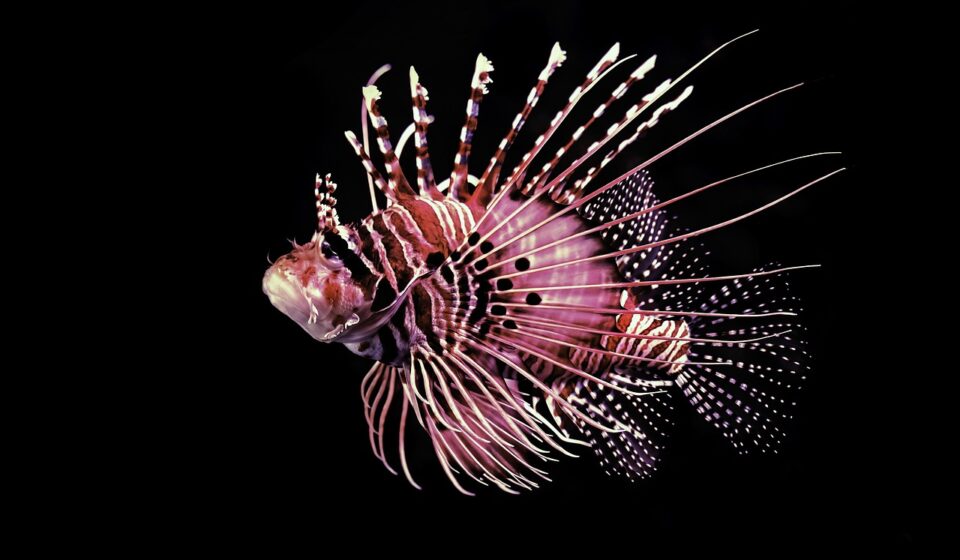
Lionfish are undeniably one of the most visually stunning fish gracing our planet’s oceans. With their dramatic, flowing fins and bold, banded patterns, they capture the imagination. However, as of July 2026, their beauty is matched by a concerning ecological reality: they are a highly successful invasive species in the Atlantic.
Last updated: July 6, 2026
For decades, lionfish have been popular in the marine aquarium hobby, prized for their unique appearance. Yet, their escape into wild ecosystems has led to significant ecological disruption. This article delves into what makes the lionfish so captivating, why it’s such a formidable invasive threat, and what aspiring or current keepers need to know to manage these remarkable creatures responsibly.
olving culling and public awareness.
Meet the Lionfish: A Closer Look
The genus Pterois, commonly known as lionfish, encompasses several species, with Pterois volitant (the red lionfish) and Pterois miles (the devil firefish) being the most frequently encountered, especially in invasive populations. These fish are instantly recognizable due to their elaborate pectoral fins that fan out like a lion’s mane, and their distinctive venomous dorsal spines.
Their coloration varies, typically featuring striking bands of red, brown, white, and black. This warning coloration, known as aposematic, signals their toxicity to potential predators. The venom is delivered through specialised spines along the dorsal, pelvic, and anal fins, which can cause excruciating pain, swelling, and in rare cases, more severe reactions in humans.

From Indo-Pacific Native to Atlantic Menace
Lionfish naturally inhabit the warm, shallow waters of the Indo-Pacific region, from Australia and Southeast Asia to parts of the western Pacific. They thrive in coral reefs, rocky outcrops, and mangrove areas, playing a role in their native ecosystems.
The trouble began when lionfish, popular as ornamental aquarium fish, were accidentally or intentionally released into the Atlantic. The first documented sightings in the western Atlantic were in the 1980s. By 2026, their range has expanded dramatically, covering the entire eastern coast of the United States, the Gulf of Mexico, the Caribbean Sea, and even reaching into the Mediterranean Sea. According to the National Oceanic and Atmospheric Administration (NOAA) Fisheries, their populations have exploded in these new environments, with some studies indicating densities can be exceptionally high in certain areas.
The wrinkle here is that they have few natural predators in the Atlantic to keep their numbers in check. This lack of natural control, combined with their rapid reproduction rate and generalist diet, allows them to outcompete and decimate native fish populations.
The Devastating Ecological Footprint
The ecological impact of invasive lionfish is severe and complex. As voracious predators, they consume a wide variety of prey, including small fish, crustaceans, and invertebrates. Their diet is not specialised, meaning they can adapt to different food sources and habitats, which contributes to their success.
Studies, such as those published by NOAA Fisheries, highlight that a single lionfish can consume up to 79% of the juvenile fish in a given reef area within a five-week period. This predation pressure can lead to significant declines in native fish populations, which are vital for maintaining the health and balance of coral reef ecosystems. The removal of herbivorous fish, in particular, can lead to an overgrowth of algae on coral, further stressing these already vulnerable environments.
And, their presence can disrupt the food web and alter the community structure of native marine life. The economic implications are also substantial, affecting local fisheries and tourism that depend on healthy marine biodiversity.
Keeping Lionfish: A Rewarding but Demanding Hobby
Despite their ecological status, lionfish remain a sought-after species for experienced marine aquarists. However, keeping them is not for the faint of heart or the novice hobbyist. Their care demands significant commitment and specialised knowledge.
Tank Size and Setup: Lionfish require substantial tank space. A minimum of 100 gallons (approximately 378 litres) is recommended for a single, smaller species like Pterois volitant, but larger tanks (200+ gallons or 750+ litres) are ideal, especially for adult specimens or if housing multiple fish. The tank needs strong filtration to handle their waste, as they are messy eaters. Live rock can provide natural hiding places and mimic their reef habitat, which is crucial for their well-being.
Dietary Needs: In captivity, lionfish are carnivorous and will readily accept a diet of whole, frozen, or live foods. This typically includes marine fish (like damselfish or silversides – ensure they are disease-free and not from protected native populations), shrimp, and other crustaceans. It’s vital to offer a varied diet to ensure they receive all necessary nutrients. They are opportunistic feeders and can be prone to overeating, so portion control is important.
Safety First: This is paramount. Lionfish possess venomous spines, and accidental contact can be painful. Aquarists must exercise extreme caution when performing maintenance, cleaning the tank, or handling the fish. Using thick gloves and appropriate tools is essential. Never house them with small, colorful, or slow-moving fish that they might mistake for prey. Tank mates should be strong, fast-moving, and large enough not to be seen as food. Avoid housing them with other venomous species or delicate invertebrates.

Identifying and Managing Invasive Lionfish
Accurate identification is key, both for aquarium keepers and for those involved in conservation efforts. While Pterois volitant and Pterois miles are the most common, understanding subtle differences can be important. Generally, P. Volitant has a rounded caudal fin and a dark bar running from the eye to the jaw, while P. Miles has a more angular caudal fin and lacks this distinct bar. However, coloration can vary greatly, making precise identification challenging for the untrained eye.
Managing invasive lionfish populations in the wild is a significant undertaking. As of 2026, various strategies are employed, including professional culling programs, incentivized fishing tournaments, and public education initiatives to encourage recreational divers to harvest them. Several governmental and non-governmental organisations, like NOAA Fisheries, are actively involved in research and management strategies. Efforts focus on reducing their numbers in critical habitats to protect native species. Some areas are even promoting lionfish as an edible seafood alternative, which helps to create a market that can aid in population control.
Fascinating Lionfish Facts
Beyond their beauty and invasive nature, lionfish are full of interesting facts:
- Rapid Reproduction: Female lionfish can release eggs every four days, producing around 2,000 to 15,000 eggs per clutch. They can spawn year-round in warmer waters.
- Masters of Camouflage: Despite their bright colours, lionfish are excellent at blending into their surroundings, allowing them to ambush prey effectively.
- Venomous Defense: The venom in their spines is not typically lethal to humans but can cause intense pain, nausea, and respiratory distress. Prompt medical attention is advised for any envenomization.
- Longevity: In the wild, lionfish can live for over 15 years. Their lifespan in aquariums can vary depending on care and tank conditions.
- No Natural Predators in the Atlantic: This is a critical factor in their invasive success. Native Atlantic predators have not evolved to hunt or consume lionfish.
Common Mistakes to Avoid When Keeping Lionfish
For those considering or already keeping lionfish, avoiding common pitfalls is crucial for the well-being of the fish and the safety of the keeper:
- Underestimating Tank Size: Putting a lionfish in a tank that’s too small is a recipe for stress, poor health, and aggression.
- Incompatible Tank Mates: Housing lionfish with smaller fish, invertebrates, or even other lionfish without proper research and space can lead to predation or injury.
- Ignoring the Venom: Treating the venomous spines lightly is dangerous. Always use proper handling techniques and equipment.
- Inadequate Filtration: Lionfish are notoriously messy eaters, and insufficient filtration can quickly lead to poor water quality, disease, and a stressed environment.
- Sourcing from Unreliable Channels: Always purchase lionfish from reputable marine aquarium suppliers who can attest to their health and proper handling. Avoid purchasing wild-caught specimens from invasive areas, as this can inadvertently contribute to the problem.
Expert Insights for Lionfish Owners
Drawing on years of experience in marine aquaria, here are a few tips that can make a real difference:
Observe Feeding Behaviour: Lionfish can be very direct hunters. Offering food with tongs or a feeding stick can be more engaging and less messy than simply dropping food into the tank. It also allows you to monitor their feeding response closely.
Quarantine New Additions: As with any marine fish, a quarantine period of 4–6 weeks is highly recommended for new lionfish. Lionfish allows you to observe them for any signs of disease or parasites and treat them in a separate, controlled environment before introducing them to your main display tank. This is a practice that significantly reduces the risk of introducing pathogens to your established system.
Water Quality is King: Consistent water testing and regular water changes are non-negotiable. Maintain stable salinity, temperature, and pH levels. Monitor ammonia, nitrite, and nitrate levels diligently. Using a high-quality protein skimmer can also be very beneficial in managing the waste produced by these efficient predators.
Frequently Asked Questions About Lionfish
Are lionfish dangerous to humans?
Yes, lionfish possess venomous spines that can inflict painful stings. While rarely fatal to healthy adults, the venom can cause intense pain, swelling, nausea, and respiratory distress, requiring prompt medical attention.
Can I keep a lionfish in a small aquarium?
No, lionfish require large aquariums, typically a minimum of 100 gallons (378 litres) for smaller species, due to their size, predatory nature, and waste production. Smaller tanks are inadequate and stressful for them.
What do lionfish eat in the wild?
In their native and invasive habitats, lionfish are carnivorous predators that consume a wide range of prey, including small fish, shrimp, crabs, and other invertebrates. They are opportunistic feeders and can significantly impact local prey populations.
How did lionfish become invasive in the Atlantic?
Lionfish were introduced to the Atlantic likely through the release of aquarium specimens into the ocean. Their rapid reproduction, lack of natural predators in the Atlantic, and generalist diet have allowed them to spread widely.
Are there any natural predators for lionfish in the Atlantic?
As of 2026, there are very few natural predators for lionfish in the Atlantic. Some larger predatory fish like groupers and sharks may occasionally prey on them, but they have not evolved specialised hunting behaviours, making their impact minimal.
Can lionfish be eaten?
Yes, lionfish are edible and considered a delicacy by some. Eating lionfish is actually encouraged in areas where they are invasive, as it can help control their populations and promote a sustainable seafood option.
The Dual Nature of the Lionfish
The lionfish embodies a fascinating duality: an object of beauty and a subject of ecological concern. Whether admired in a carefully managed aquarium or viewed as a threat to native biodiversity, understanding these fish is crucial. For aquarists, responsible ownership means providing a large, secure habitat, a suitable diet, and exercising extreme caution due to their venom. For conservationists, the challenge of managing their spread continues, with efforts focusing on culling and raising public awareness. As we navigate 2026, our appreciation for the lionfish must be tempered with respect for its power and a commitment to responsible stewardship of our marine environments.
Information current as of July 2026; pricing and product details may change.
Editorial Note: This article was researched and written by the Pet Magazine editorial team. We fact-check our content and update it regularly. For questions or corrections, contact us.
Related read: Pet Fish: Your 2026 Guide to Affordable Aquatic Companions
Related read: Cherry Barb Care: Your 2026 Guide to a Vibrant Aquarium
Related read: White Cloud Mountain Minnow Care: The 2026 Essential Guide
Related read: The "Homophobic Dog": Understanding the Viral Dachshund Phenomenon.