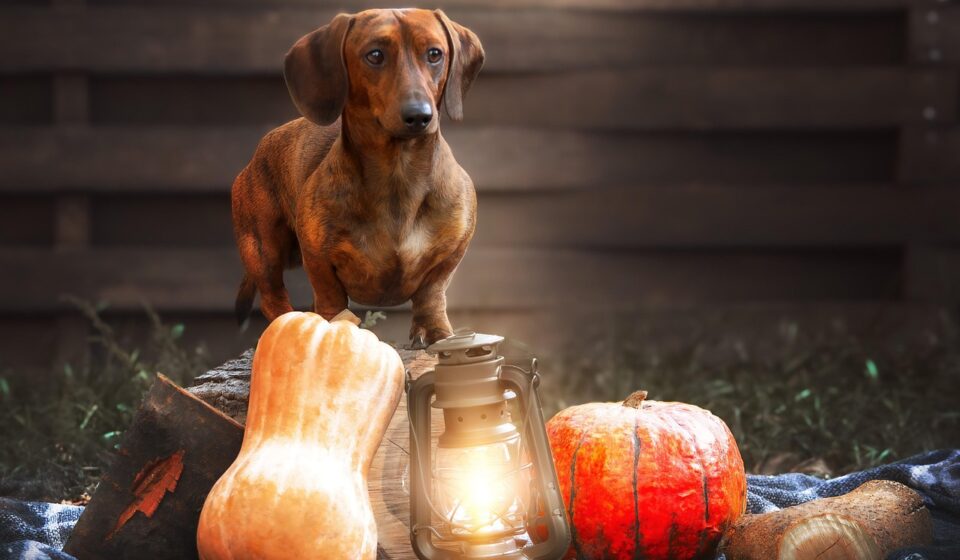
The Irresistible Charm of the Mini Dachshund
The mini dachshund, often affectionately called a ‘wiener dog‘ or ‘Doxie’, is a breed that captures hearts with its unique physique, and bold personality. These spirited, short-legged hounds, originally bred in Germany to hunt badgers, have become incredibly popular companion animals worldwide. As of July 2026, their appeal shows no sign of waning. But what truly makes a mini dachshund tick, and are they the right fit for your home?
Last updated: July 6, 2026
Many potential owners are drawn to their undeniable cuteness and manageable size, but there’s much more to these tenacious little dogs than meets the eye. Understanding their specific needs, temperament, and potential health concerns is crucial for providing a happy and fulfilling life for your Doxie. This guide dives deep into everything you need to know about mini dachshunds, offering practical insights and tips for prospective and current owners alike.
Key Takeaways
- Mini dachshunds are known for their distinctive long bodies and short legs, bred originally for hunting.
- Their personality can range from playful and curious to stubborn and independent, often favoring one family member.
- Potty training can be a significant challenge, requiring patience and consistency.
- They are prone to certain health issues, particularly back problems due to their unique anatomy.
- Mini dachshunds thrive on companionship and require moderate exercise and regular grooming, depending on coat type.
A Deeper Look at the Miniature Dachshund
The Dachshund breed itself comes in two sizes: standard and miniature. While the standard Dachshund was developed to tackle larger prey like badgers, the miniature Dachshund was bred to hunt smaller animals such as rabbits and stoats. This distinction in purpose has subtly shaped their characteristics, though both share the core ‘hound’ tenacity and intelligence.
Physically, they are unmistakable. Their long backs and short, sturdy legs give them a low profile, perfect for burrowing after prey. Their coat types also to vary, falling into three categories: smooth (short and sleek), long-haired (wavy and elegant), and wire-haired (rough and bristly, often with distinctive beard and eyebrows). Each coat type has slightly different grooming requirements, but all are part of what makes the mini dachshund so unique.

The Doxie Personality: Bold, Loyal, and Sometimes Stubborn
Don’t let their small stature fool you; mini dachshunds possess surprisingly large personalities. They are often described as brave, curious, and incredibly loyal to their families. However, this bravery can sometimes manifest as stubbornness or an independent streak, making them a challenging but rewarding breed to own. They tend to bond very closely with one particular person in the household, often following them around and seeking their attention.
While they can be affectionate and enjoy cuddling, especially on their own terms, they are not always the best choice for homes with very young children. Their long backs are delicate, and boisterous play or rough handling can lead to injury. Their prey drive is strong, which can translate into chasing smaller pets or digging in the garden if not properly managed. A mini dachshund’s bark can also be surprisingly loud and persistent, making early training crucial to curb excessive vocalization.
Navigating the Potty Training Hurdle
One of the most frequently discussed challenges with mini dachshunds is potty training. Their independent nature and burrowing instincts can make house-training a test of patience. They may be more prone to marking territory indoors or may take longer to grasp the concept of eliminating outside.
Consistency is key. Establishing a regular potty schedule, taking your mini dachshund out first thing in the morning, after meals, after naps, and before bedtime, is essential. Positive reinforcement, such as praise and small treats, works far better than punishment. Crate training can also be highly effective, as dogs are naturally reluctant to soil their sleeping area. Be prepared for accidents, and never scold your dog for them; simply clean them up thoroughly and try to anticipate their needs better next time.
Keeping Your Doxie Healthy: Common Health Issues
The iconic long back of the Dachshund, while charming, makes them particularly susceptible to Intervertebral Disc Disease (IVDD). This condition affects the spine and can lead to pain, nerve damage, and even paralysis. According to the Dachshund Breed Council, IVDD is a significant concern for the breed. Owners must be vigilant about preventing activities that put stress on their spine, such as allowing them to jump on and off furniture or climb stairs frequently. Maintaining a healthy weight is paramount, as excess pounds add extra pressure to their discs.
Other potential health issues include progressive retinal atrophy (PRA), patellar luxation (a dislocated kneecap), and certain heart conditions. Responsible breeders will screen their dogs for these genetic conditions. Regular veterinary check-ups, a balanced diet, and appropriate exercise can help manage and prevent many health problems. As of 2026, advancements in veterinary care continue to improve outcomes for dogs with IVDD, but prevention remains the best strategy.
Exercise and Grooming: Tailoring Care to Coat Type
Mini dachshunds are energetic dogs that require moderate daily exercise. Short walks and playtime in a securely fenced yard are usually sufficient to keep them happy and healthy. Avoid strenuous activities that involve jumping or high-impact movements. Mental stimulation is also important; puzzle toys and training games can help keep their intelligent minds engaged and prevent boredom, which can lead to destructive behaviours.
Grooming needs vary by coat type. Smooth-coated dachshunds require minimal grooming, just a weekly brush to remove dead hair and keep their coat shiny. Long-haired dachshunds, however, need more frequent brushing—several times a week—to prevent tangles and mats, especially around their ears and legs. Wire-haired dachshunds benefit from regular brushing and occasional hand-stripping to maintain the texture of their coat. All dachshunds need their nails trimmed regularly and their ears cleaned to prevent infections.
Nutrition: Fueling Your Doxie’s Big Personality
Choosing the right food for your mini dachshund is vital for their overall health, particularly in managing their weight to prevent spinal issues. High-quality dog food specifically formulated for small breeds is generally recommended. Look for foods with a good source of protein as the primary ingredient. As of 2026, many reputable brands offer specialised formulas for small breeds, which often have smaller kibble sizes and balanced nutrient profiles.
The amount of food will depend on your dog’s age, activity level, and metabolism. It’s crucial to follow feeding guidelines on the packaging and consult your veterinarian. Overfeeding is a common mistake that can lead to obesity, exacerbating back problems. Feeding your mini dachshund twice a day is a common practice, and ensuring fresh water is always available is non-negotiable.
Socializing Your Mini Dachshund for a Well-Adjusted Dog
Early and consistent socialization is paramount for any dog breed, and mini dachshunds are no exception. Exposing puppies to a variety of sights, sounds, people, and other friendly, vaccinated dogs from a young age (after they’ve received their initial vaccinations) helps them grow into well-adjusted adults. Proper socialization can help mitigate their natural wariness of strangers and prevent excessive barking or territorial behaviour.
Consider enrolling in puppy socialization classes. These environments provide safe opportunities for your mini dachshund to interact with other puppies and people under professional supervision. Without adequate socialization, a mini dachshund can become overly shy, anxious, or even aggressive. A well-socialized Doxie is a confident and happy companion, more likely to integrate smoothly into various social situations.
Adoption vs. Breeder: Where to Find Your Doxie
When looking to bring a mini dachshund into your home, you have two primary avenues: adoption from a rescue organisation or purchasing from a reputable breeder. Both have their advantages. Rescue organisations often have adult dogs whose personalities are already established, which can be helpful for some families. You may also find purebred mini dachshunds in need of a loving home. Pet Rehoming Network (pet-net.net) lists dogs for adoption, and many breed-specific Dachshund rescue groups exist across the globe.
If you choose to purchase from a breeder, it’s vital to do thorough research. Look for breeders who prioritise health and temperament, conduct genetic testing on their breeding stock, and are transparent about their practices. A reputable breeder will welcome your questions, allow you to meet the puppy’s parents, and provide health clearances. Websites like the AKC (akc.org) can offer resources for finding breeders. Be wary of breeders who seem more interested in making a sale than ensuring their puppies go to good homes, or those who can’t provide health documentation.
Pros of Owning a Mini Dachshund
- Compact size makes them suitable for apartment living.
- Loyal and affectionate companions who form strong bonds with their families.
- Intelligent and often amusing with their quirky personalities.
- Come in various coat types and colours, offering diverse aesthetics.
- Generally require moderate exercise, fitting into many lifestyles.
Cons of Owning a Mini Dachshund
- Prone to back injuries (IVDD); requires careful handling and management.
- Can be difficult to potty train, demanding patience and consistency.
- Tendency to bark excessively if not trained or managed.
- May be stubborn and independent, requiring firm but kind training.
- Not always ideal for homes with very young children due to their delicate backs.
Frequently Asked Questions About Mini Dachshunds
Are mini dachshunds good family dogs?
Mini dachshunds can be good family dogs, but require careful supervision, especially with young children. Their delicate backs mean they shouldn’t be handled roughly or allowed to jump excessively. Older, more responsible children may be fine, but constant vigilance is necessary to prevent injury.
How much exercise does a mini dachshund need?
They need moderate exercise, typically one to two short walks per day, plus some playtime. Over-exercising or activities involving jumping can be detrimental to their long backs. Mental stimulation through toys and training is also important.
What is the average lifespan of a mini dachshund?
With proper care, a mini dachshund can live between 12 to 16 years. This lifespan can be influenced by genetics, diet, exercise, and preventative healthcare, particularly managing their susceptibility to spinal issues.
Do mini dachshunds shed a lot?
Shedding varies by coat type. Smooth-coated dachshunds shed moderately year-round. Long-haired and wire-haired varieties shed less but require more grooming to manage loose hair and prevent matting. Overall, they are not considered a heavy-shedding breed compared to some others.
What is the cost of a mini dachshund puppy in 2026?
As of July 2026, the price for a mini dachshund puppy from a reputable breeder can range significantly, typically from £1,000 to £3,000 or more, depending on lineage, breeder reputation, and location. Adoption fees are considerably lower, often ranging from £150 to £500.
Are mini dachshunds stubborn?
Yes, mini dachshunds are known for their stubborn and independent streak, a trait inherited from their hunting background. This means training requires significant patience, consistency, and positive reinforcement methods. They are intelligent but may choose to ignore commands if they don’t see a reason to comply.
Bringing Home Your Miniature Dachshund
The mini dachshund is a delightful, spirited companion that brings immense joy and character to a household. Their unique appearance, coupled with a bold and loyal personality, makes them truly special. However, potential owners must be prepared for the commitment involved, particularly concerning their susceptibility to back problems, the challenges of potty training, and their potential for stubbornness.
If you are ready to provide a safe, loving, and patient home, a mini dachshund could be your perfect furry friend. Thorough research, responsible sourcing, and dedication to their specific care needs will ensure a long and happy life together.
Information current as of July 2026; pricing and product details may change.
Editorial Note: This article was researched and written by the Pet Magazine editorial team. We fact-check our content and update it regularly. For questions or corrections, contact us.
Related read: Finding a Reputable Xoloitzcuintli Dog Breeder in 2026
Related read: Can Dogs Have Carrots? A 2026 Guide for Pet Parents
Related read: Are Blueberries Good for Dogs? A 2026 Guide
Related read: Boxer Labrador Mix: Your 2026 Guide to the Boxador.