The Enduring Charm of the English Bulldog
The English Bulldog, a breed synonymous with steadfastness and affection, continues to capture hearts worldwide. As of July 2026, these distinctive dogs, often recognised by their wrinkled faces and stocky build, remain a popular choice for families and individuals alike. However, beneath their charming exterior lies a breed with specific needs, particularly concerning their health and temperament, which prospective and current owners must understand deeply. This guide delves into the nuances of caring for an English Bulldog, offering practical insights to ensure a fulfilling life for these unique companions.
Last updated: July 24, 2026
- English Bulldogs are known for their amiable, courageous, and gentle temperament, making them excellent family pets.
- Breed-specific health issues, including brachycephalic syndrome and hip dysplasia, require vigilant monitoring and proactive veterinary care.
- Despite their sturdy appearance, Bulldogs have moderate exercise needs and are prone to overheating, necessitating careful management of activity levels and environmental conditions.
- Early socialization and consistent, positive reinforcement training are vital for managing their sometimes stubborn nature.
- Grooming involves regular cleaning of facial folds and attention to skin health to prevent infections.
A Bulldog’s Heart: Understanding Their Temperament
Often perceived as fierce due to their historical roots in bull-baiting, the modern English Bulldog is a far cry from its ancestors. A profound loyalty characterizs their temperament, a gentle disposition, and an enduring sense of humour. They tend to be remarkably patient, making them surprisingly good companions for children, provided interactions are supervised. Worth noting, their courage is often expressed through their unwavering devotion to their families rather than aggression. While they can be possessive of their loved ones, this usually manifests as a desire to be close, rather than a tendency to lash out.
Bulldogs typically form strong bonds with their owners and often exhibit a laid-back demeanour, content with moderate activity and plenty of affection. They can be somewhat stubborn, a trait that requires patience and consistency in training. Their intelligence is often underestimated, as they learn best through positive reinforcement and clear, calm guidance rather than harsh methods.

Navigating Health Challenges: What Owners Must Know
The breed’s distinctive appearance, a result of selective breeding, unfortunately predisposes English Bulldogs to a number of health issues. The most prominent is brachycephalic syndrome, a condition affecting dogs with short muzzles, leading to airway difficulties. This can manifest as noisy breathing, snoring, exercise intolerance, and, in severe cases, heatstroke. According to the American Kennel Club (AKC) breed survey data from 2024, respiratory issues were among the top health concerns reported by Bulldog owners.
Hip dysplasia is another common ailment. This genetic condition occurs when the hip joint doesn’t form properly, leading to pain and lameness. Responsible breeders screen their dogs for this condition, but owners should remain vigilant for signs like difficulty rising or reluctance to jump. Skin fold dermatitis, an infection or inflammation of the deep skin wrinkles, requires diligent hygiene. The damp, warm environment within these folds can foster bacterial or fungal growth. Regular cleaning and drying are essential preventative measures.
Other concerns include eye conditions such as cherry eye and ectropion, heart conditions, and allergies. A proactive approach to veterinary care, including regular check-ups and prompt attention to any signs of illness, is paramount. Investing in pet insurance can also be a wise financial decision, given the breed’s propensity for health issues.
Fueling Your Bulldog: Diet and Nutritional Needs
An English Bulldog’s diet should focus on high-quality, balanced nutrition to support their unique physiology. Given their tendency towards weight gain and their susceptibility to joint issues, a carefully controlled diet is crucial. Opt for a reputable brand of dog food specifically formulated for medium-sized breeds, or one designed for bulldogs if available. As of July 2026, many premium dog food manufacturers offer formulas that support joint health with ingredients like glucosamine and chondroitin.
Feeding guidelines on dog food packaging are a starting point, but individual needs vary based on age, activity level, and metabolism. It’s advisable to consult with your veterinarian to determine the optimal feeding amount and type of food for your specific Bulldog. Avoid overfeeding, as excess weight places undue stress on their joints and respiratory system. Treats should be given in moderation and should also be healthy, contributing to their overall nutritional intake rather than just empty calories.
For puppies, a diet rich in nutrients essential for growth is vital. Transitioning to adult food should be done gradually around 12–18 months of age. Senior Bulldogs may benefit from formulas designed for older dogs, which often have fewer calories and added supplements for joint and cognitive health.
Balancing Energy: Exercise Needs for Bulldogs
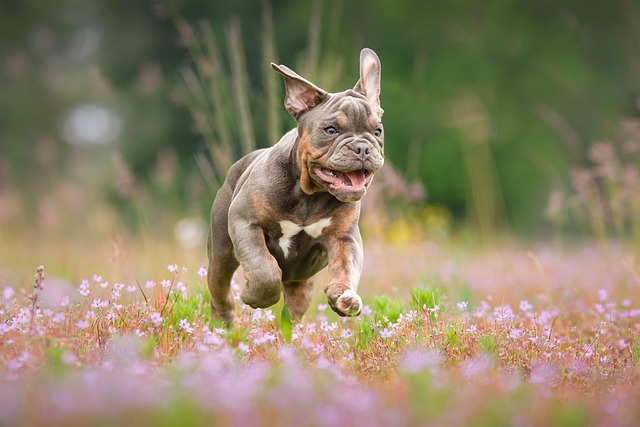
Despite their muscular build, English Bulldogs are not endurance athletes. Their brachycephalic nature means they tire easily and are susceptible to heatstroke. Moderate, regular exercise is key to maintaining their health and preventing obesity. Short, leisurely walks twice a day are generally sufficient for adult Bulldogs.
The wrinkle here is that the temptation is to over-exercise them, especially on warmer days. Owners must be acutely aware of the weather. On hot or humid days, indoor play or very early morning/late evening walks in cooler temperatures are essential. Never leave a Bulldog unattended in a car, even for a few minutes, as temperatures inside can rise rapidly, posing a severe risk. Observe your Bulldog for signs of overheating, such as excessive panting, drooling, or lagging behind.
For puppies, exercise should be even more carefully managed to protect their developing joints. Short play sessions and brief walks are recommended. As they mature, gradually increase the duration and frequency of walks, always prioritising their comfort and safety.
The Stubborn but Lovable: Training Your Bulldog
Training an English Bulldog requires patience, consistency, and a positive attitude. Their intelligence is often masked by a stubborn streak. Harsh corrections are counterproductive and can damage their trust. Instead, focus on positive reinforcement methods. This means rewarding desired behaviours with praise, small treats, or a favourite toy.
Early socialization is critical. Exposing your Bulldog puppy to various sights, sounds, people, and other friendly dogs from a young age helps them develop into well-adjusted adults. Puppy socialization classes are an excellent way to achieve this, offering controlled environments for interaction. Introduce them to common commands like ‘sit’, ‘stay’, and ‘come’ using short, engaging training sessions. Make training a fun, interactive experience rather than a chore.
A common mistake is assuming their docile nature means they don’t need training. However, even a well-meaning Bulldog can develop behavioural issues if not guided. For instance, a Bulldog that hasn’t learned bite inhibition as a puppy might nip excessively during play. Consistency across all family members regarding commands and rules is also vital to prevent confusion.
Keeping Clean: Essential Grooming for Bulldogs
The English Bulldog’s unique physical characteristics necessitate specific grooming routines. Their facial wrinkles are prone to trapping moisture, food particles, and debris, creating an ideal environment for bacteria and yeast. These folds must be cleaned daily or at least every other day with a veterinarian-approved wipe or a damp cloth, followed by thorough drying. Failing to do so can lead to painful skin infections.
Beyond facial folds, regular brushing with a soft-bristled brush or grooming mitt helps to remove loose hair and distribute natural skin oils, keeping their coat healthy and shiny. Bulldogs shed moderately year-round, with heavier shedding periods typically in spring and autumn. Nail trimming should be done every few weeks, and ear cleaning should occur regularly to prevent infections.
Bathing should be done as needed, typically every 4–6 weeks, using a gentle dog shampoo. Over-bathing can strip their skin of essential oils. Always ensure your Bulldog is thoroughly dried, especially in the skin folds, after bathing. It’s also important to monitor their eyes for any discharge or redness and address any concerns with your veterinarian promptly.
The Bulldog’s Journey: Lifespan and Ownership Costs
The average lifespan of an English Bulldog is typically between 8 and 10 years. However, with excellent care, proper nutrition, regular exercise, and proactive management of their health issues, some individuals may live longer. Factors influencing lifespan include genetics, diet, lifestyle, and the quality of veterinary care received throughout their lives.
Owning an English Bulldog involves significant financial commitment. Beyond the initial purchase price, which can range from £1,500 to £3,500 for a well-bred puppy in 2026, ongoing costs are substantial. Veterinary care, particularly for breed-specific conditions like respiratory issues or hip dysplasia, can be extensive. Pet insurance is highly recommended; premiums can vary but are often higher for breeds with known health predispositions. Food costs, grooming supplies, toys, bedding, and potential training classes also add to the overall expense.
In real terms, owners should budget an estimated £1,500-£3,000 annually for basic care, with potential for much higher veterinary bills should serious health problems arise. Understanding these financial implications is a crucial part of responsible ownership.

Common Pitfalls for English Bulldog Owners
Many owners underestimate the specific challenges associated with the breed. One of the most common mistakes is assuming their laid-back appearance equates to low maintenance. The need for daily facial fold cleaning, managing their propensity for overheating, and addressing their potential for stubbornness in training are often overlooked. Another pitfall is neglecting regular veterinary check-ups, which can lead to minor issues escalating into serious and costly problems.
Overfeeding is another significant issue. Bulldogs are prone to gaining weight, and a chubby Bulldog is not a healthy Bulldog. Owners must resist the urge to constantly treat their endearing pets, ensuring treat allowances are factored into their daily caloric intake. Failing to socialize puppies adequately can result in an adult Bulldog that’s fearful or overly boisterous around strangers or other animals. Early and consistent exposure is paramount to developing a confident, well-mannered companion.
Adopting or Acquiring Your English Bulldog
When seeking an English Bulldog, reputable breeders and breed-specific rescue organisations are the preferred avenues. A responsible breeder will be transparent about health testing (including OFA for hips and cardiac evaluations), temperament, and the lineage of their dogs. They will also be happy to answer your questions and may ask you many in return, ensuring their puppies go to suitable homes. Avoid breeders who can’t provide health clearances or seem solely focused on sales.
Breed-specific rescues often have adult Bulldogs in need of loving homes. Adopting an adult dog can be rewarding, as their temperament is usually well-established, and they may already be house-trained. Rescue organisations can provide invaluable insight into a dog’s individual personality and needs. While purebred English Bulldogs are iconic, it’s also worth considering mixed breeds at shelters that may possess some Bulldog traits with potentially fewer breed-specific health concerns.
Regardless of the source, thoroughly research potential breeders or rescue groups to ensure ethical practices and the health and well-being of the dogs.
Frequently Asked Questions
Are English Bulldogs good for first-time dog owners?
While their amiable nature is appealing, English Bulldogs require dedicated owners due to their specific health and grooming needs. First-time owners should be prepared for potential veterinary costs and the commitment to daily care routines.
How much exercise does an English Bulldog need?
English Bulldogs require moderate exercise. Short, daily walks are usually sufficient, and care must be taken to avoid overexertion, especially in warm weather, due to their breathing challenges.
What is the typical lifespan of an English Bulldog?
The average lifespan for an English Bulldog is typically 8 to 10 years. Longevity can be influenced by genetics, diet, exercise, and proactive management of breed-specific health conditions.
Are English Bulldogs very vocal?
English Bulldogs are not typically excessive barkers. Their vocalizations are more commonly associated with snorting, grunting, and snoring due to their brachycephalic structure.
How do I clean my English Bulldog’s facial folds?
Facial folds should be gently cleaned daily or every other day with a veterinarian-approved wipe or a damp cloth, followed by thorough drying, to prevent infections.
What are the biggest health risks for English Bulldogs?
The most significant health risks include brachycephalic syndrome (breathing difficulties), hip dysplasia, skin fold dermatitis, and various eye conditions.
The enduring appeal of the English Bulldog lies in their unique character and unwavering loyalty. By understanding and addressing their specific needs for health, training, and care, owners can ensure these distinctive companions thrive. A well-informed owner is the best advocate for an English Bulldog’s quality of life, fostering a deep and rewarding bond for years to come.
Information current as of July 2026; pricing and product details may change.
Source: Britannica.
Related read: Dog Crates in 2026: Your Essential Guide to Safety and Comfort.