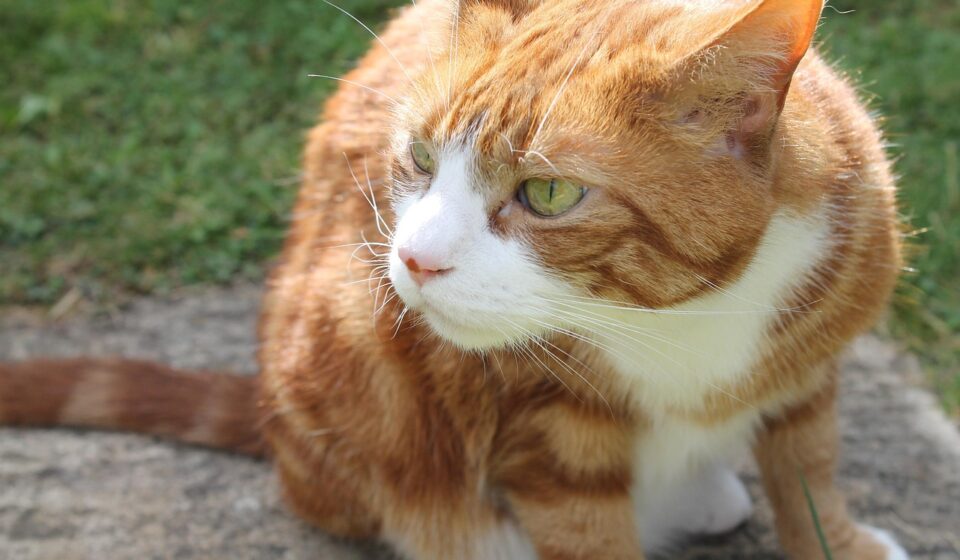
Cat litter cats: The Litter Box is More Than Just a Toilet
A common question asked is what kind of cat litter do cats truly prefer. The answer, surprisingly, often defies owner assumptions. While we might prioritise odor control or ease of cleaning, cats have a more primal set of criteria. As of July 2026, veterinary behaviorists and feline welfare organisations continue to highlight that a cat’s choice of litter is deeply rooted in instinct, mimicking their natural desire to bury waste effectively in a safe, soft substrate. This isn’t just about avoiding accidents outside the box; it’s about their fundamental comfort and mental well-being. Forgetting this is the single biggest mistake cat owners make. We often choose litter based on what’s convenient or smells best to us, overlooking the subtle, yet powerful, preferences of our feline companions.
Key Takeaways
- Cats instinctively prefer unscented, fine-grained, clumping litters that mimic natural soil.
- Scented litters, hard textures, and sudden litter changes can deter cats, leading to inappropriate elimination.
- Dust levels are critical; excessive dust can cause respiratory issues for both cats and humans.
- The ‘best’ cat litter is one that meets your cat’s specific needs, not just your convenience.
- Regular cleaning and a consistent litter type are paramount for feline comfort and hygiene.
Why Your Cat Is a Litter Snob
Cats are naturally fastidious creatures. In the wild, they bury their waste to avoid attracting predators or alerting prey to their presence. This instinct translates to their litter box choices. They seek a substrate that’s soft, easy to dig and bury in, and doesn’t cling unpleasantly to their paws or fur. This is why many cats gravitate towards fine-grained, unscented clumping litters that most closely resemble soft soil or sand. The texture is paramount. Many cats dislike pellets that are too large or hard, or crystals that feel sharp or unnatural underfoot. Consider a cat’s sensitive paw pads; a rough or abrasive litter can be genuinely uncomfortable, even painful, leading them to avoid the litter box altogether. This is a crucial insight that many product reviews overlook, focusing instead on abstract benefits like ‘superior odor control’ which might be irrelevant if the cat refuses to use it.
Scented Litters: A Human Convenience, A Feline Offense
One of the most common mistakes owners make is choosing scented cat litter. While we might think it masks unpleasant odors, to a cat, these strong artificial fragrances can be overpowering and offensive. Their sense of smell is far more acute than ours. What smells mildly floral to us can be an assault on their senses, masking the scent cues they rely on and potentially causing them distress. This distress can manifest as avoidance of the litter box, urinating or defecating in inappropriate places, or even stress-related health issues. According to the American Veterinary Medical Association (AVMA) in their 2025 guidelines on feline enrichment, aversive scents in the litter box environment are a significant contributor to litter box avoidance behaviours. The best approach for odor control is not to mask it with perfumes, but to manage it through regular scooping and full litter changes. A cat’s natural preference is for unscented, neutral-smelling litter.
The Hidden Danger of Cat Litter Dust
Dust is another critical factor that often gets overlooked. Many conventional clay litters, especially cheaper ones, can produce a significant amount of fine dust when poured or when a cat digs. This dust isn’t just a nuisance for us, settling on surfaces and irritating our lungs; it can be far more serious for cats. Inhaling fine dust particles can lead to respiratory problems, such as feline asthma or bronchitis. This is particularly concerning for kittens and older cats, or those with pre-existing respiratory conditions. Research from the Cornell Feline Health Centre (as of 2026) indicates that litters with lower dust content are preferable for maintaining respiratory health in cats. While some ‘dust-free’ claims might be marketing, look for litters specifically formulated to minimise dust. This often involves using larger granules or specific manufacturing processes. For instance, a cat owner might find that switching from a dusty clumping clay to a natural, silica-free, low-dust option like walnut-based or paper-based litter significantly improves air quality in their home and their cat’s breathing.
Exploring the Spectrum of Cat Litter Materials
The cat litter market offers a bewildering array of materials, each with its own set of pros and cons. Understanding these can help you find the best cat litter for your specific feline. Here’s a breakdown of common types:
Clumping Clay Litters
These are the most popular for a reason: they form solid clumps when wet, making scooping easier and maintaining a cleaner litter box between full changes. Most cats find the fine-grained texture agreeable. However, some can be dusty and may contain artificial fragrances.
Non-Clumping Clay Litters
These are generally less expensive and less dusty than clumping varieties. However, they require more frequent full litter box changes as the urine soaks into the clay without forming clumps. They are a simpler option if your cat is sensitive to texture or if you prefer a more basic approach, provided you are diligent with cleaning.
Silica Gel / Crystal Litters
These are highly absorbent and can offer excellent odor control. They are typically low-dust and last longer than clay litters. However, some cats dislike the crunchy texture, and they can be more expensive. The larger crystals might also be uncomfortable for sensitive paws.
Natural Litters (Walnut, Corn, Wheat, Wood, Paper)
Made from sustainable, biodegradable materials, these are excellent eco-friendly options. They often have good odor control and are low-dust. Walnut and wood litters are particularly favored for their texture, while paper is often used for cats with specific health needs or sensitivities. The main drawback can be cost and availability, with some natural litters being more expensive than clay.
Pros and Cons of Popular Litter Types
| Litter Type | Pros | Cons |
|---|---|---|
| Clumping Clay | Excellent scooping, generally accepted by cats, good odor control | Can be dusty, some have artificial scents, not ideal for all cats |
| Silica Gel/Crystal | Superior absorption, long-lasting, low dust | Can be expensive, texture may deter some cats, not biodegradable |
| Natural (Walnut/Wood) | Eco-friendly, biodegradable, low dust, good texture | Can be more expensive, some cats may try to eat it, odor control varies |
| Natural (Paper) | Very low dust, good for sensitive cats, eco-friendly | Poor clumping, odor control can be an issue, may not be accepted by all cats |
Solving Common Litter Box Problems
When a cat stops using their litter box, it’s often a sign that something is wrong with the litter itself, the box, or the cat’s health. The first step is often to re-evaluate the litter. Is it unscented? Is the texture acceptable? Is it clean enough? If you’ve recently changed brands or types of litter, a sudden aversion is a strong indicator that your cat dislikes the new formulation. Sudden changes are a major deterrent. If you must switch litters, do so gradually. Mix a small amount of the new litter with the old, slowly increasing the proportion of the new litter over several weeks. Cat litter cats gives your cat time to adjust. If the problem persists, consider a veterinary check-up to rule out any underlying medical conditions, such as a urinary tract infection, which can make using the litter box painful.

Expert Insights for Litter Box Harmony
To ensure your cat’s contentment and maintain a pleasant home environment, follow these expert-backed tips:
- Location, Location, Location: Place the litter box in a quiet, low-traffic area where your cat feels safe and undisturbed. Avoid placing it near noisy appliances or their food and water bowls.
- The More, The Merrier: For multi-cat households, the general rule is one litter box per cat, plus one extra. This prevents competition and ensures everyone has a clean option.
- Size Matters: Ensure the litter box is large enough for your cat to comfortably turn around, dig, and bury. For most adult cats, a box that’s at least 1.5 times the length of your cat (excluding the tail) is recommended.
- Depth is Key: Aim for 2–3 inches of litter. Too little, and burying is difficult; too much can be messy or deter digging for some cats.
- Scoop Daily, Change Weekly: Scoop solid waste at least once daily, ideally twice. Completely empty, scrub, and refill the litter box with fresh litter at least once a week (or more often if needed for clumping litters).
- Test, Test, Test: If your cat is fussy, be prepared to experiment with different unscented litters until you find their favourite. Observe their behaviour closely.
Frequently Asked Questions About Cat Litter
What is the number one best cat litter for cats?
The ‘best’ cat litter is subjective to individual cats, but unscented, fine-grained clumping clay or natural litters that mimic sand are generally preferred due to their texture and ease of burying waste.
Why do cats prefer unscented litter?
Cats have a much more sensitive sense of smell than humans. Strong artificial scents in litter can be overpowering and distressing to them, masking important scent cues and potentially causing them to avoid the litter box.
How much litter should I put in the box?
A depth of 2 to 3 inches is generally recommended. Cat litter cats allows cats to dig and bury their waste effectively, mimicking their natural behaviour without being excessively deep or shallow.
When should I switch cat litter types?
Switching should only occur if your cat is experiencing issues with their current litter (e.g., avoidance, dust irritation) or if you are exploring more eco-friendly options. Always transition gradually over several weeks to avoid upsetting your cat.
Is silica gel litter safe for cats?
Silica gel or crystal litters are generally safe and offer excellent odour control. However, some cats may dislike the crunchy texture, and it’s important to ensure the litter is not ingested in large quantities, though this is rare.
How do I choose a cat litter if I have multiple cats?
Ensure you have enough litter boxes (one per cat plus one extra) and that each box contains an unscented, fine-grained clumping litter that’s consistently clean. Litter type preference can vary, so observing each cat’s behaviour is key.
Prioritising Your Cat’s Comfort
Ultimately, the choice of cat litter should centre on your cat’s comfort and natural instincts. While convenience and cost are factors for owners, your cat’s well-being comes first. By understanding their innate preferences for texture, scent, and cleanliness, you can select a litter that encourages positive litter box habits and contributes to a happier, healthier relationship with your feline friend. Actionable Takeaway: If your cat shows any aversion to the litter box, reassess the litter type. Switch to an unscented, fine-grained clumping variety and ensure the box is always clean. This simple adjustment can resolve many common behavioural issues. Information current as of July 2026; pricing and product details may change.