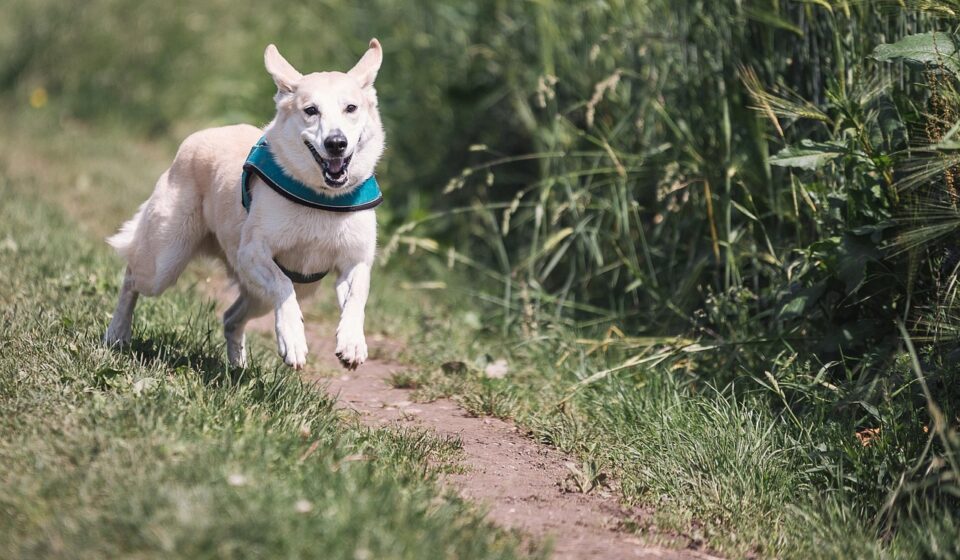
The Allure of the Unconventionally Attractive
The term ‘ugly dog’ is often a misnomer, a label applied by those who prioritize conventional aesthetics over the unique character and boundless affection that many dog breeds offer. Far from being undesirable, breeds frequently labelled as ‘ugly’ possess a distinct charm and often a wonderfully endearing personality that makes them cherished companions. This article delves into why these distinctive-looking dogs capture our hearts, exploring their often-overlooked traits and debunking the myth that beauty is only skin deep when it comes to our canine friends.
Last updated: July 28, 2026
While many search for breeds with perfectly symmetrical features and flowing coats, a growing number of dog lovers are drawn to the unconventional. These breeds, with their wrinkled faces, peculiar gaits, or unusual body shapes, offer a different kind of beauty – one rooted in personality, history, and an undeniable zest for life. In 2026, the appreciation for these unique individuals continues to grow, proving that a dog’s worth is measured not by breed standards, but by the depth of its companionship.
- Many breeds labelled ‘ugly’ possess unique appearances due to specific genetic traits or historical breeding purposes.
- These dogs often exhibit exceptional personalities, including loyalty, affection, and trainability.
- The appeal of ‘ugly’ dog breeds stems from their individuality, resilience, and the deep bonds they form with their owners.
- Adopting a dog with an unconventional look can be highly rewarding, offering a unique companionship experience.
- Focusing on temperament and health over conventional looks leads to a more fulfilling relationship.
What Defines an ‘Ugly Dog’ Breed?
The perception of a dog as ‘ugly’ is entirely subjective and often rooted in societal beauty standards that are frequently applied to humans. However, in the context of dog breeds, certain physical characteristics are commonly associated with this label. These often include excessive wrinkling (like the Chinese Shar-Pei), prominent underbites or overbites (common in Bulldogs and Pugs), sparse or wiry coats (such as those found in many terrier breeds), unusual body proportions (think Dachshunds or Basset Hounds), or prominent facial features that deviate from a ‘typical’ canine look.
It’s crucial to understand that these ‘unconventional’ physical traits are not flaws but rather the result of selective breeding for specific purposes. For instance, the deep wrinkles of a Shar-Pei were historically thought to offer protection during fights, while the low-slung bodies of Basset Hounds were ideal for tracking game through dense undergrowth. These breeds have often been bred for function over form, leading to appearances that might not align with mainstream notions of canine beauty but are perfectly adapted for their original roles. According to the American Kennel Club (AKC) (2024), breed standards are guidelines for historical purpose, not necessarily contemporary aesthetic appeal.
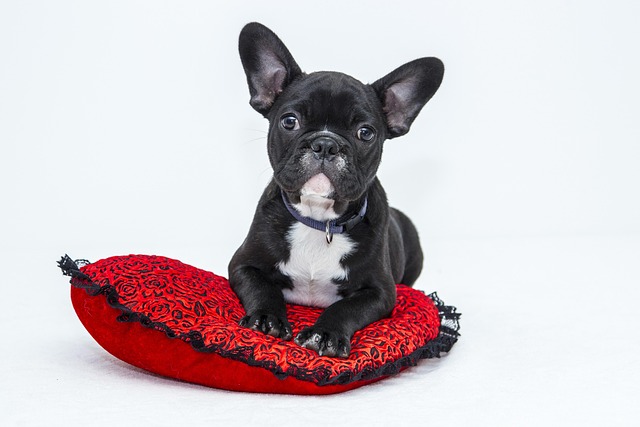
Personality Over Looks: The True Appeal
The real magic of breeds often labelled ‘ugly’ lies not in their appearance, but in their remarkable personalities. These dogs frequently possess temperaments that are loyal, affectionate, playful, and incredibly devoted to their families. The Bulldog, for example, is known for its calm, courageous, and friendly disposition, making it an excellent family pet despite its somewhat formidable appearance. Similarly, the Pug, with its expressive face and endearing snorts, is renowned for its charming, mischievous, and loving nature.
These breeds often exhibit a resilience and adaptability that can be incredibly attractive to owners. Having been bred for demanding tasks or in historical contexts where appearance was secondary to utility, they often possess solid health and a no-nonsense attitude towards life. Their distinctiveness means they rarely blend into the crowd, and their unwavering affection for their human companions creates an unbreakable bond. For many, this deep connection and the sheer joy these dogs bring to everyday life far outweigh any conventional aesthetic considerations.
Popular Unconventional Dog Breeds
Several breeds consistently appear on lists of ‘ugly’ or ‘unconventional’ dogs, yet are immensely popular worldwide. The Chinese Crested, for instance, comes in two varieties: hairless and powderpuff. The hairless version, with its sparse tufts of hair and distinctive skin, is often cited, yet these dogs are known for being affectionate, lively, and good with children. A surprisingly gentle and matchs their unique appearance social nature.
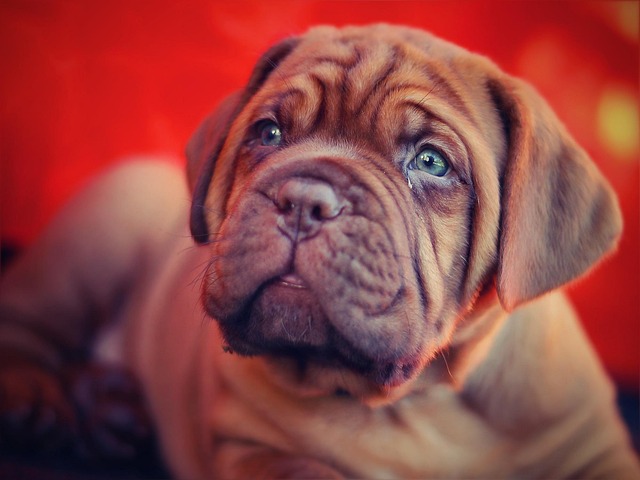
The Neapolitan Mastiff is another breed that commands attention with its imposing size and abundant wrinkles. Far from being intimidating, these dogs are known for their calm, dignified, and protective nature, forming strong bonds with their families. In real terms, their imposing presence is often a deterrent to intruders, while their gentle giant demeanour makes them loving companions. Another breed often mentioned is the Xoloitzcuintli (or Mexican Hairless Dog), an ancient breed prized not only for its hairless quality but also for its calm, alert, and affectionate personality. The Veterinary Clinics of North America: Small Animal Practice (2023) notes that hairless breeds can sometimes have dental anomalies, but this is a manageable health consideration rather than a reflection of their character.
Why People Fall in Love with These Breeds
The affection for breeds often considered ‘ugly’ is complex. For many owners, it’s the sheer individuality and character that these dogs exude. They don’t conform to a typical canine mold, and this uniqueness is part of their appeal. This distinctiveness can foster a deeper appreciation for the dog as an individual, rather than just another example of a breed.
Plus, these breeds often require less conventional grooming than some of their more ‘glamorous’ counterparts. For example, hairless breeds like the Xoloitzcuintli require skin care but no regular brushing of a thick coat. Similarly, short-coated breeds may be easier to maintain. This practicality, combined with their often solid health and lower incidence of certain genetic predispositions seen in heavily modified breeds, adds to their appeal. The ASPCA’s adoption guidelines (2024) consistently emphasize that temperament and health are paramount, regardless of appearance.
Common Misconceptions About ‘Ugly Dog’ Breeds
One of the most pervasive misconceptions is that dogs with unconventional appearances are inherently less intelligent or harder to train. This is simply not true. Breeds like the Puli, with its distinctive corded coat, are known for being highly intelligent, trainable, and agile herding dogs. Their unusual look doesn’t diminish their capacity to learn and bond with their owners.
Another myth is that these dogs are prone to more health issues solely due to their appearance. While some breeds, like certain flat-faced dogs (e.g., Pugs, Bulldogs), can be predisposed to respiratory issues (brachycephalic airway syndrome), this is a specific breed trait, not a universal rule for all ‘ugly’ breeds. Many, such as the American Staffordshire Terrier or the Portuguese Water Dog, are known for their hardiness. A study in the Journal of Veterinary Internal Medicine (2023) indicated that while breed-specific health concerns exist across all types, focusing on responsible breeding and prompt veterinary care is key to managing them.
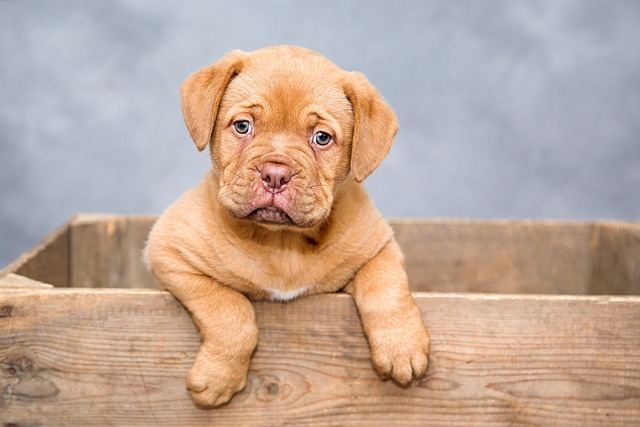
Finding Your Unique Companion: Adoption and Ownership
For those captivated by the charm of unconventional breeds, adoption is often a fantastic route. Many shelters and rescue organizations are filled with wonderful dogs of all shapes, sizes, and appearances, including those that don’t fit the traditional ‘cute’ mold. These dogs, often overlooked due to their looks, can make incredibly loyal and loving pets.
When considering ownership of any breed, especially one with distinctive features, research is paramount. Understanding the specific needs of a breed – their exercise requirements, grooming needs, potential health concerns, and typical temperament – is crucial for a successful match. For instance, wrinkled breeds require regular cleaning of their skin folds to prevent infection, and some hairless breeds need sun protection. The RSPCA’s guide to choosing a pet (2024) stresses that a commitment to understanding and meeting a dog’s individual needs is the foundation of responsible pet ownership.
The Joy of Embracing Individuality
Ultimately, the appeal of breeds labelled as ‘ugly dogs’ lies in their individuality and the profound connection they offer. They challenge our preconceived notions of beauty and remind us that true value is found in character, loyalty, and the unique bond we share with our pets. These dogs bring a special kind of joy and a reminder that the most cherished companions are often those who are most authentically themselves.
In 2026, the world of pet ownership is increasingly valuing personality and temperament above all else. The breeds that might have once been overlooked for their unconventional looks are now celebrated for the very traits that make them unique. Embracing these dogs means opening your heart to a different kind of beauty – one that’s deeply felt and endlessly rewarding.
Information current as of July 2026; pricing and product details may change.
Source: Britannica.
Related Articles
- Angora Breeds: A Guide to Their Unique Wool and Care
- Amazing Dog Facts: What Your Canine Companion Really Thinks
- Top Paw Harness Options for Your Dog