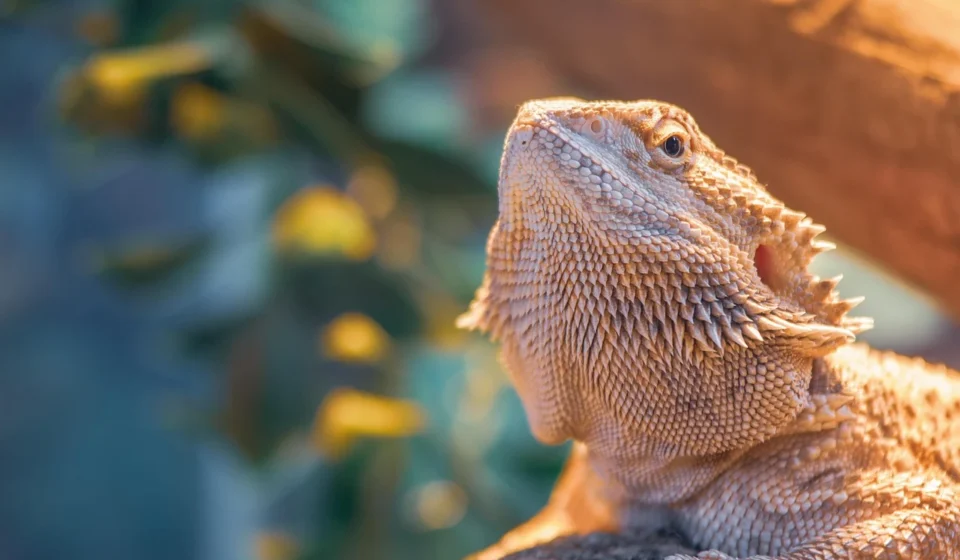
Bearded dragons are fascinating reptiles, known for their unique personalities and relatively straightforward care. This makes them popular pets for reptile enthusiasts. Providing the right environment, diet, and understanding their natural behaviours is crucial for a happy, healthy bearded dragon.
These captivating lizards, native to Australia, are known for their distinctive ‘beard’ of spiny scales under their chin. They can puff this out as a display. They are generally docile and can become quite tame, often enjoying interaction with their owners. Many keepers find that their individual characters really shine through once they settle into a well-managed setup.
How Do Bearded Dragons See the World?
Bearded dragons possess a unique visual system. It allows them to perceive their environment in ways quite different from humans. They have excellent eyesight, capable of detecting movement from a distance. This is vital for hunting prey in their natural arid habitats. Their vision is also highly sensitive to ultraviolet light, particularly UVA. This plays a role in their natural behaviours and well-being.
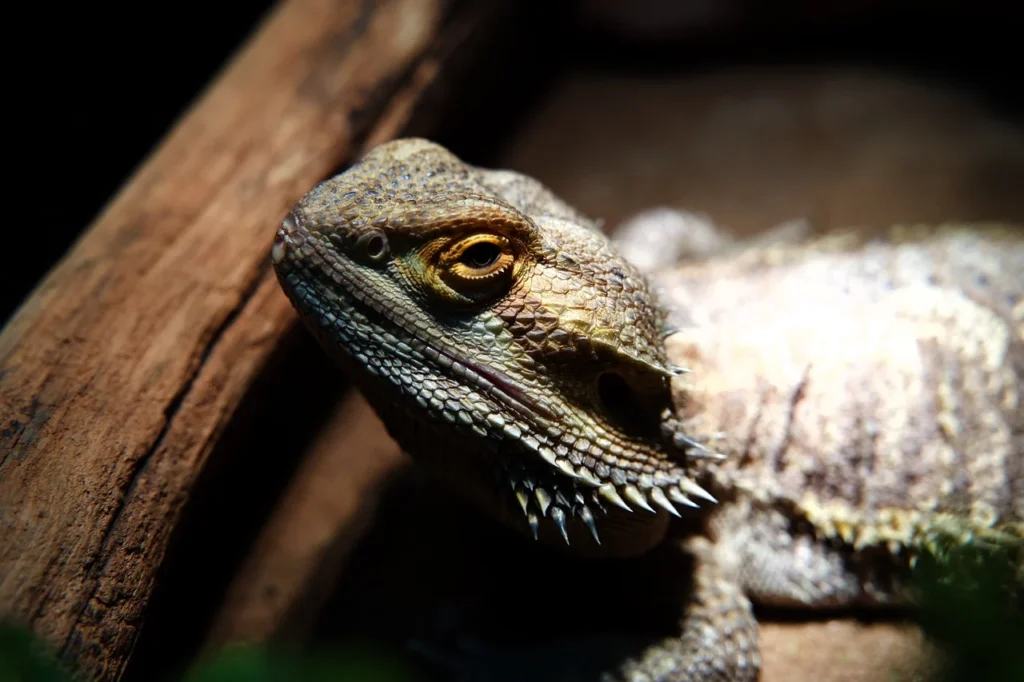
Unlike humans, bearded dragons have a ‘parietal eye’ or ‘third eye’ located on the top of their head. This isn’t a true eye for seeing images, but rather a photosensitive organ that detects changes in light and dark. It helps them sense predators from above and regulate their circadian rhythms, influencing when they are active and when they rest. This parietal eye also aids in thermoregulation. It helps them know when to bask and when to seek shade, according to research on reptile sensory systems. Understanding this helps to appreciate why consistent lighting cycles are so important in their enclosure.
Why Does a Bearded Dragon Open Its Mouth?
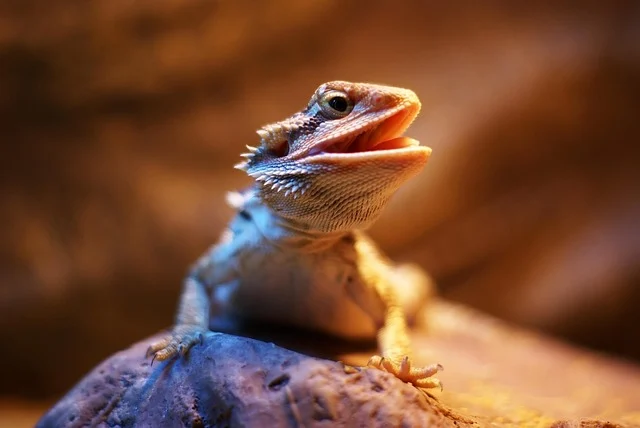
Observing a bearded dragon with its mouth agape is a common sight. It is usually completely normal behaviour, primarily linked to thermoregulation. People know this action as ‘gaping’ or ‘thermoregulatory gaping’.
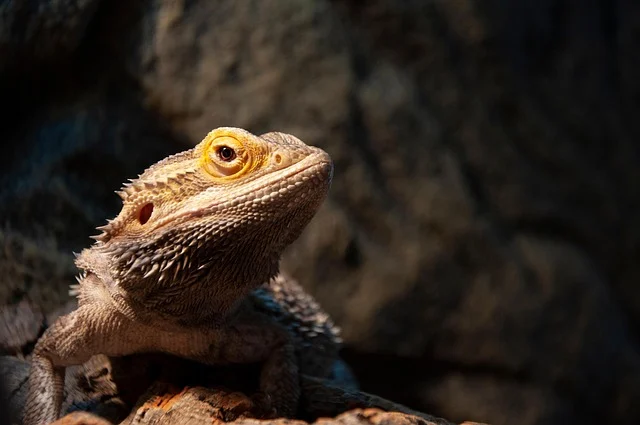
When a bearded dragon opens its mouth while basking under a heat lamp, it’s not a sign of aggression or distress. Instead, it’s an efficient way for them to cool down. They don’t sweat like mammals. So, they regulate their body temperature by exposing the moist membranes inside their mouth to the air. This allows for evaporative cooling, much like a dog panting. This is a clear indicator that they are absorbing heat effectively and maintaining their optimal body temperature. If you see this, it usually means your basking spot is just right.
However, if gaping is excessive, accompanied by heavy breathing, or occurs away from the basking spot, it could indicate that the enclosure is too hot overall, and you should check your temperature gradients. Prolonged, unmanaged overheating can lead to serious health issues, so we always advise monitoring this behaviour in context.
Why Is My Bearded Dragon Digging?
Digging is a natural and instinctual behaviour for bearded dragons, driven by several factors related to their natural environment. If you see your bearded dragon digging, it’s often a sign they are acting on these instincts.
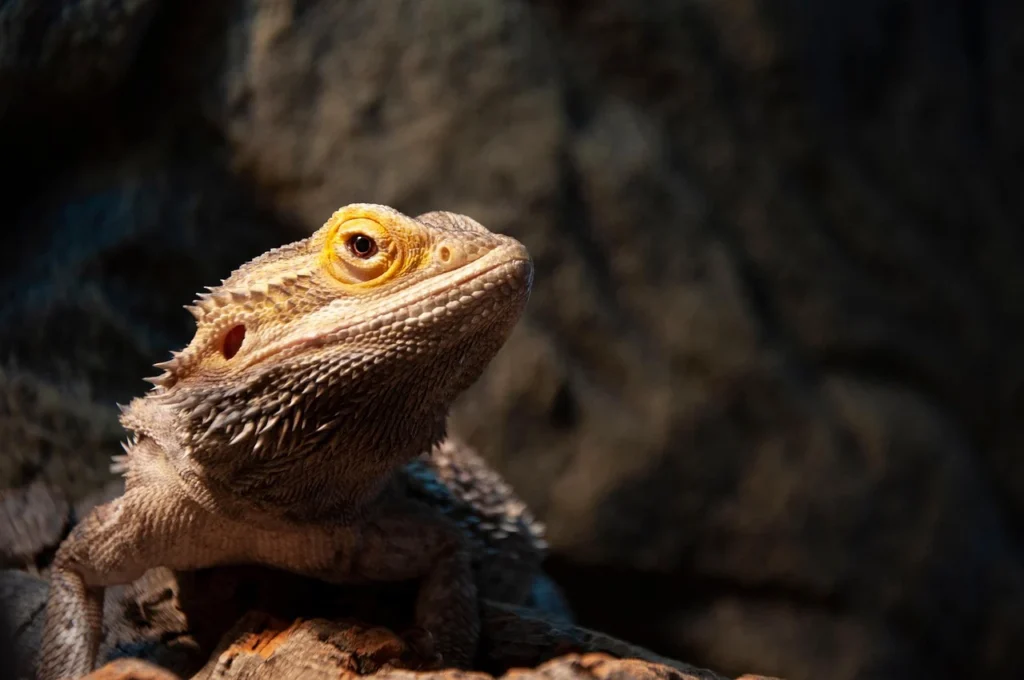
One common reason for digging is to create a burrow for shelter. In the wild, burrows offer protection from predators and provide a cooler, more stable environment during extreme temperatures. In a captive setting, they might dig to feel secure, especially if they perceive their enclosure as too open or exposed. Females, in particular, will dig extensively when they are gravid (carrying eggs), even if they haven’t been bred. This is a nesting instinct, and even unfertilized females have been observed going through the motions of preparing a nest. Providing a substrate deep enough for digging is crucial for their mental and physical well-being if they are prone to this behaviour.
Another reason for digging can be thermoregulation. By digging into cooler substrate, they can lower their body temperature, especially if the ambient temperatures in their enclosure are warmer than ideal. Occasionally, digging can also be a sign of stress or boredom if their environment lacks sufficient enrichment. If the digging is constant and seems frantic, consider whether their enclosure offers enough hiding spots. Also consider if the temperatures are consistently appropriate.
What Do Bearded Dragons Eat? A Comprehensive Diet Guide
A balanced diet is paramount for a bearded dragon’s health and longevity. It consists of a mix of insects and leafy greens. The ratio of insects to vegetables changes as they age.
Juvenile Bearded Dragons (under 18 months): They need more protein for rapid growth. You should feed young bearded dragons small, appropriately sized insects daily, sometimes twice a day, dusted with calcium and vitamin supplements.
- Staple Insects: Crickets, dubia roaches, black soldier fly larvae (BSFL/Nutrigrubs).
- Occasional Treats: Mealworms (in moderation due to chitin content), superworms (for larger juveniles/adults), waxworms (very fatty, only as rare treats).
- Vegetables: Collard greens, dandelion greens, mustard greens, turnip greens, rocket, endive, butternut squash (grated).
Adult Bearded Dragons (over 18 months): You should offer fresh greens daily and insects 2-3 times a week.
- Staple Vegetables: The same as juveniles, with a wider variety. We always recommend a mix of dark, leafy greens.
- Staple Insects: Crickets, dubia roaches, black soldier fly larvae. Larger adults can handle larger insects.
- Occasional Treats: Superworms, hornworms (good for hydration, but high in fat), silkworms.

Supplementation: You should dust calcium powder (without D3) on insects and greens 5–6 times a week for juveniles and 3–4 times a week for adults. You should give a good quality reptile multivitamin (with D3) 2-3 times a week for juveniles and 1-2 times a week for adults. This ensures proper bone development and overall health, especially since they rely on UVB lighting to synthesise D3.
Foods to Avoid: Never feed avocado (toxic), spinach or kale (high in oxalates which bind calcium), iceberg lettuce (no nutritional value), or fireflies/lightning bugs (toxic). Wild-caught insects can also carry parasites or pesticides. Therefore, you should always stick to feeder insects from reputable sources.
When Do Bearded Dragons Close Their Eyes?
Bearded dragons close their eyes for several reasons, primarily for rest and sleep. Sometimes it is also a sign of discomfort or illness. Understanding the context is key.
Most commonly, bearded dragons close their eyes when they are sleeping. They require a clear day/night cycle. During their ‘night’ period (when all lights are off and the enclosure is dark), they will close their eyes and enter a state of rest. This is entirely normal and healthy. If you approach them gently during this time, you might notice them slowly open an eye to observe you. Then they will close it again.
However, if a bearded dragon frequently closes its eyes during the day, especially if it struggles to open them, or if only one eye is closed, this could indicate a problem. This might be a sign of irritation from substrate, a foreign object, or an infection. Sometimes, excessive light can also cause them to squint or close their eyes. If you observe persistent eye closing during active hours, or any signs of swelling or discharge, consult a reptile-savvy veterinarian promptly.
When Do Bearded Dragons Hibernate? (Brumation)
Bearded dragons don’t truly hibernate like mammals; instead, they undergo a similar process called ‘brumation’. This is a natural period of dormancy or reduced activity, typically occurring during cooler, darker months in the wild. In captivity, environmental cues like decreasing temperatures and shorter daylight hours can trigger it.
Brumation usually happens in adult bearded dragons, often between late autumn and early spring. However, not all individuals will bromate every year. Signs of brumation include reduced appetite, decreased activity, spending more time in hideouts, and sleeping more often. Their metabolism slows down significantly during this period. You must ensure a bearded dragon has emptied its digestive tract before brumation to prevent food from rotting inside them.
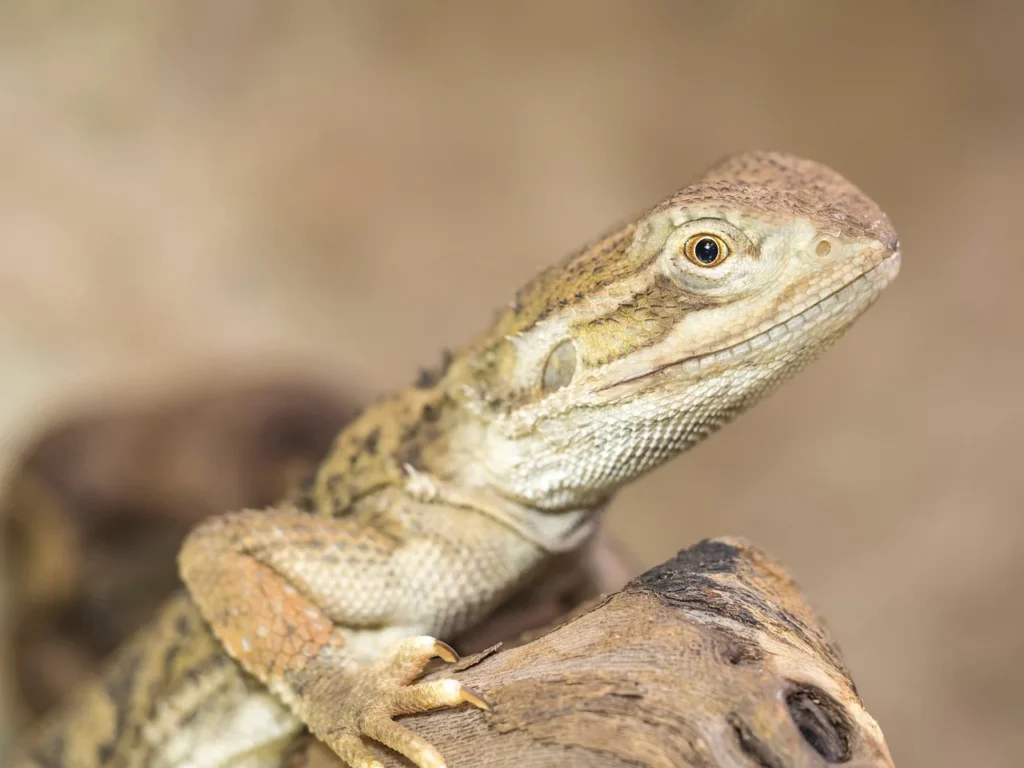
If your bearded dragon starts showing signs of brumation, you must ensure they are healthy before allowing them to enter this state. You should get a vet check-up. This will rule out any underlying illnesses that might mimic brumation symptoms. During brumation, continue to offer water regularly. You should also monitor their weight, but you usually stop feeding them until they emerge naturally. The duration can vary from a few weeks to several months. You should not force it. Rather, you should manage it if your dragon naturally starts showing the signs.
What is the Lifespan of a Bearded Dragon?
With proper care, a captive bearded dragon can live a surprisingly long and fulfilling life. The average lifespan for a bearded dragon kept as a pet is typically between 10 to 15 years. Some individuals have been known to live even longer. We have reported some to live up to 18 years, which truly highlights the importance of excellent husbandry.
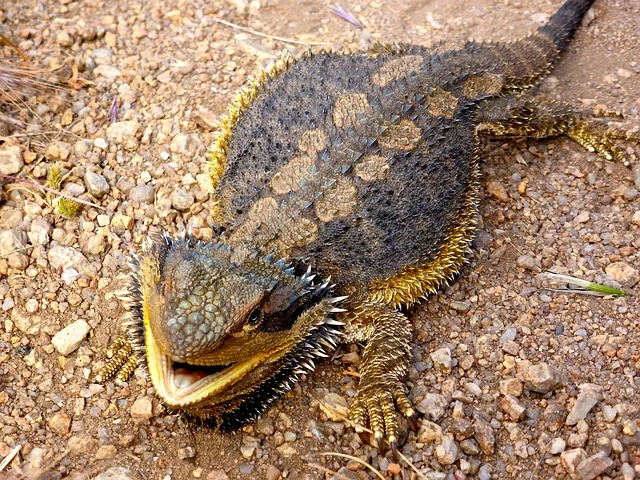
Factors that significantly influence their lifespan include diet, enclosure setup, proper lighting (especially UVB), temperature regulation, and regular veterinary care. A poor diet, inadequate UVB exposure, or an unsanitary environment can drastically shorten their life. For instance, metabolic bone disease, often caused by insufficient calcium and D3 synthesis, is a common issue that can reduce lifespan. Investing in a high-quality UVB bulb and replacing it every 6-12 months (even if it still appears to be working) is one of the best things you can do for their long-term health, as the UVB output degrades over time.
Setting Up the Ideal Bearded Dragon Enclosure
The enclosure, often called a vivarium or tank, is your bearded dragon’s entire world. Getting it right is crucial for their health and happiness. The size, heating, and lighting are the most critical components.
Enclosure Size
For an adult bearded dragon, we recommend a minimum vivarium size of 120cm L x 60cm W x 60cm H (48 x 24 x 24 inches). Larger is always better, as it allows for better temperature gradients and more enrichment opportunities. Juveniles can start in a smaller enclosure. They grow quickly, so planning for the adult size is a wise investment.
Heating and Lighting
Bearded dragons are ectothermic, meaning they rely on external heat sources to regulate their body temperature. They need a basking spot and a temperature gradient.
- Basking Light: A high-wattage incandescent or halogen bulb creates a basking spot. The surface temperature of the basking spot should be around 38-42°C (100-108°F). You should use a digital thermometer with a probe to measure this surface temperature directly.
- Ambient Temperatures: The warm side of the enclosure should be around 29-32°C (85-90°F), gradually dropping to 24-26°C (75-80°F) on the cool side.
- Night-time Temperatures: Temperatures can drop to 18-24°C (65-75°F) at night. If your home drops below this, a ceramic heat emitter (which emits no light) can provide supplementary heat.
- UVB Lighting: This is non-negotiable. This light allows them to synthesise Vitamin D3. This is essential for calcium absorption and preventing metabolic bone disease. You should replace the bulb every 6-12 months as its UVB output degrades over time, even if it still emits visible light. You should position it alongside the basking bulb, ensuring mesh does not obstruct it if mounted inside the vivarium.
- Photoperiod: Provide a consistent 12-14 hour day/night cycle using a timer. All lights, including UVB, should be off at night to allow for proper rest and brumation cues.
Substrate
For juveniles, or if you are concerned about impaction, we recommend using newspaper, paper towels, or reptile carpet. For adults, you can use a suitable loose substrate. This includes a 50/50 mix of play sand and organic topsoil, or a specialized reptile substrate. This allows for natural digging behaviours. The substrate should be deep enough for digging, at least 10-15cm (4-6 inches). Avoid calcium sand or walnut shell. These can cause impaction if ingested.
Decor and Enrichment
Provide branches, rocks, and hideouts for climbing, basking, and security. A sturdy branch under the basking lamp is perfect. Multiple hideouts on both the warm and cool sides allow your dragon to regulate its temperature and feel secure. Norwegian Forest Cat: Essential Care & Common Pitfalls for more on creating stimulating environments.
General Bearded Dragon Care Tips
Beyond the enclosure, daily care routines are essential for your bearded dragon’s health and happiness.
Handling: Bearded dragons can become very tame with regular, gentle handling. Always support their entire body, especially their belly and legs. Start with short sessions and gradually increase the time as they become more comfortable. Avoid grabbing them from above, as this can trigger a predator response.
Hydration: While bearded dragons get much of their water from their diet, a shallow water dish should always be available. Many dragons also enjoy occasional baths in lukewarm water (no deeper than their shoulder joint) for hydration and to help with shedding. Baths can be offered 1-2 times a week.
Hygiene: Spot clean the enclosure daily, removing faeces and uneaten food. You should do a full substrate change and deep clean every 1-2 months, depending on the substrate type. Regular cleaning prevents bacterial growth and keeps your dragon healthy.
Monitoring Health: Regularly observe your bearded dragon for any changes in appetite, activity level, faeces consistency, or appearance (e.g., sunken eyes, lethargy, open-mouth breathing away from the basking spot). These can be early indicators of health issues. A healthy bearded dragon is alert, active, and has a good appetite.
Understanding Bearded Dragon Price
The initial cost of a bearded dragon itself can vary significantly. This depends on its age, morph (colour and pattern variation), and the breeder or pet shop you purchase from. Common morphs are generally more affordable, while rare or designer morphs can command higher prices. We always recommend purchasing from a reputable breeder who can provide information on the dragon’s lineage and health history, even if it means a slightly higher initial cost.
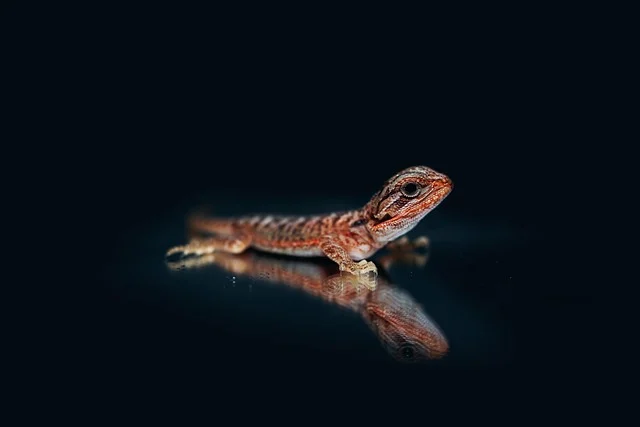
However, the initial purchase price of the dragon is often a small fraction of the total cost of setting up their habitat. The enclosure, lighting, heating, thermometers, hygrometers, substrate, and decor will be the largest upfront expense. Ongoing costs include food (insects and fresh greens), supplements, electricity for heating and lighting, and veterinary care. We always advise potential owners to budget not just for the dragon, but for a complete, high-quality setup and ongoing supplies.
Sources: Central bearded dragon
Frequently asked questions
Are bearded dragons good pets for beginners?
Yes, bearded dragons are often considered excellent pets for beginners due to their generally docile temperament, manageable size, and relatively straightforward care requirements once their habitat is properly set up. They are quite interactive and can be very rewarding companions.
How often should I feed my adult bearded dragon?
Adult bearded dragons (over 18 months) should be fed a daily salad of fresh leafy greens and vegetables. You should offer insects 2-3 times per week. This ratio ensures they get adequate nutrition without becoming overweight.
What are common signs of stress in a bearded dragon?
Common signs of stress include a darkened ‘beard’ (even if not displaying aggression), lethargy, refusing food, hiding excessively, glass surfing (rubbing against the vivarium glass), or frantic digging. If these behaviours are persistent, it is advisable to check the vivarium setup and temperatures.