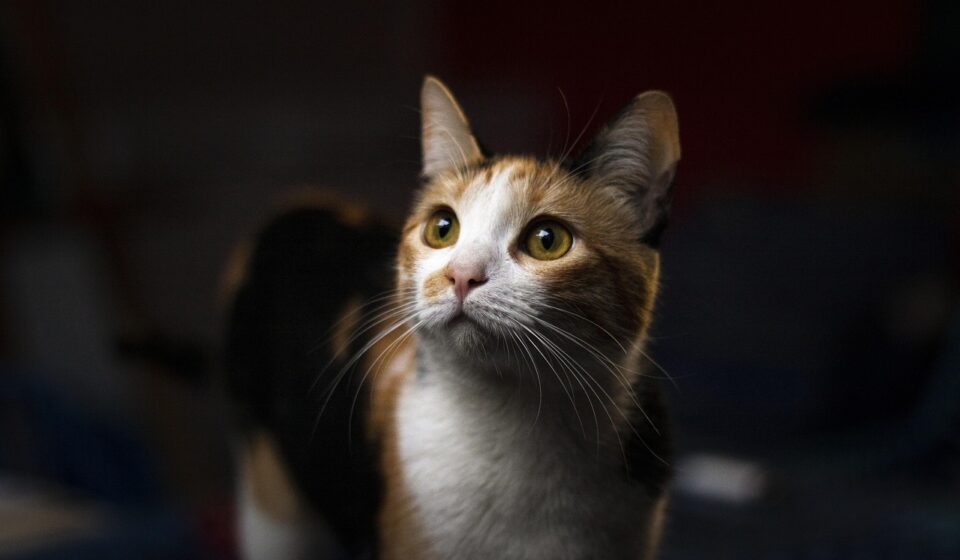
The Allure of the Calico Kitten
The moment you see a calico cat kitten, with its striking patchwork of colours, it’s easy to be captivated. These vibrant little felines are more than just pretty faces; they carry a fascinating genetic story and a reputation for spirited personalities. If you’re considering bringing one of these unique kittens into your home, understanding their origins, characteristics, and specific needs is key to ensuring a happy, healthy life together. From their near-exclusive female status to their diverse coat patterns, calico kittens offer a delightful and engaging companion experience.
Last updated: September 5, 2026
Key Takeaways
- Calico cat kittens are almost exclusively female due to X-chromosome genetics.
- Their distinctive tri-colour coat results from a combination of orange and black genes, with white spotting.
- While personality can vary, calico cats are often described as feisty and opinionated.
- Caring for a calico kitten involves standard kitten needs, with attention to potential breed-specific health predispositions.
- Understanding dilute calicos and variations like tortoiseshells helps appreciate the diversity within calico patterns.
The Genetic Secret: Why Calico Kittens Are (Almost) Always Female
The most captivating aspect of calico cat kittens is their distinctive tri-colour coat, typically a mix of white, black, and orange. This striking pattern isn’t just random; it’s a direct result of feline genetics, specifically tied to the X chromosome. In cats, the gene for orange colouration and the gene for black colouration are located on the X chromosome. For a cat to display both orange and black (or their diluted versions like cream and grey), they need to inherit one of each colour gene.
Females have two X chromosomes (XX), meaning they can carry both the orange and black gene simultaneously. A separate gene controls the white colouration. This genetic setup means that females can express the tri-colour pattern. Males, on the other hand, have one X and one Y chromosome (XY). They can only carry one colour gene on their single X chromosome, meaning they are typically either orange or black (or diluted versions), but not both. Therefore, the vast majority of calico cats, including kittens, are female – estimated at over 99.9%.
On very rare occasions, a male cat can be born a calico. This usually occurs due to a genetic anomaly called Klinefelter syndrome, where a male has an extra X chromosome (XXY). These male calicos are sterile and extremely rare, making them quite unique finds. According to various veterinary resources, the incidence of male calico cats is estimated to be around 1 in 3,000 to 1 in 10,000 births, highlighting their exceptional rarity.

Beyond Black and Orange: Calico Colours and Patterns
While the classic calico is a tri-colour cat with white, black, and orange patches, there’s a delightful spectrum of variations. The intensity and distribution of these colours can lead to different appearances, and related patterns can sometimes be confused with true calicos.
Dilute Calicos: Instead of bold black and vibrant orange, dilute calicos exhibit softer, pastel shades. Their patches might be grey (dilute black) and cream (dilute orange), alongside white. These are often referred to as ‘caliby’ if they also have tabby markings within their coloured patches, or simply ‘dilute calico’.
Tortoiseshell Cats: The tortoiseshell (or ‘tortie’) cat shares the same genetic basis for colour but typically has little to no white. Their orange and black (or diluted) colours are often brindled or patched together, creating a marbled or mottled effect rather than distinct blocks of colour. A cat with both tortoiseshell markings and white is often called a ‘sortie-and-white’.
Tabby Markings: Some calico cats also display tabby patterns (stripes, swirls, or spots) within their coloured patches. These are known as ‘caliby’ or ‘tabbico’ cats. Similarly, a tortoiseshell cat with tabby markings is a ‘Corbie’.
The size and shape of the patches also vary immensely. Some calico kittens will have large, bold blocks of colour, while others might have smaller, more intricate speckles. This unpredictability is part of their charm, ensuring that no two calico cats are exactly alike. The distribution of white can also range from minimal patches to being the dominant colour with smaller splotches of orange and black.
The ‘Calico Personality’: Are They Really Feistier?
You’ll often hear that calico cats, and especially calico kittens, have a distinct personality – often described as feisty, opinionated, and even a bit bossy. While it’s crucial to remember that every cat is an individual and temperament is influenced by many factors, including breed, socialisation, and upbringing, there seems to be a common thread of spirited behaviour associated with calicos.
Many owners report that their calico cats are more vocal, demanding, and independent than other cats. They might be more prone to ‘talking back’ or showing clear preferences for certain people or routines. This isn’t necessarily a negative trait; for many, it adds to the cat’s engaging character and the strong bond they form with their humans. This perceived ‘sassiness’ is often a source of amusement and affection among calico enthusiasts.
It’s important to distinguish between personality and breed traits. For instance, if a calico kitten belongs to a breed known for being vocal or active, that might contribute more to its temperament than its coat colour. However, the anecdotal evidence from owners and breeders worldwide suggests a notable tendency towards strong personalities in calico cats.
When raising a calico kitten, early socialisation is key. Exposing them to various sights, sounds, people, and gentle handling from a young age will help them grow into well-adjusted adults, regardless of their colour. Positive reinforcement training can also be very effective, channeling their intelligence and independent streak into desirable behaviours.
More Than Just a Colour: Breeds That Can Be Calico
The calico coat pattern isn’t exclusive to a single breed; it can appear in many different domestic cat breeds, as well as mixed-breed cats. The genetic mechanism for the tri-colour pattern is present across the feline species. However, some breeds are more commonly associated with or predisposed to displaying calico colouring.
Common breeds that can exhibit calico patterns include:
- Domestic Shorthair/Longhair: These are the most common types of cats and frequently display calico colouring. They are not a specific breed but rather a classification for cats of mixed heritage.
- Japanese Bobtail: Known for their short, bobbed tails, these cats are often calico, and the pattern is considered traditional and desirable in Japan.
- Manx: Similar to the Japanese Bobtail, Manx cats can also be born without tails (or with a stub) and frequently come in calico variations.
- American Shorthair: While known for their wide variety of colours and patterns, calico is a recognized and popular colouration for this breed.
- Persian: These long-haired cats can also be calico, though their dense fur might make the pattern less immediately obvious than in short-haired cats.
- Turkish Van & Turkish Angora: Both breeds, originating from Turkey, can display calico patterns, often with a preference for white spotting.
When considering adopting a calico kitten, researching the specific breed can give you insights into their potential size, grooming needs, activity levels, and general temperament, in addition to their unique coat colour.
Caring for Your Calico Kitten: Essential Needs
Bringing a calico kitten home is an exciting time. Fortunately, their care needs are largely the same as any other kitten, focusing on providing a safe, nurturing environment for them to grow and thrive. However, understanding potential breed predispositions can help you be proactive about their health.
Nutrition: Kittens require a high-quality kitten food formulated for their age and nutritional needs. This should be a complete and balanced diet to support rapid growth and development. Consult your veterinarian for specific food recommendations. As of September 2026, high-quality kitten foods are widely available from reputable brands, with options for wet and dry food.
Veterinary Care: Regular vet check-ups are crucial. Your kitten will need a series of vaccinations, deworming, and flea/tick prevention. Spaying or neutering is also recommended, though male calicos are rare and sterile.
Grooming: Depending on the kitten’s coat length (e.g., Domestic Shorthair vs. Persian), grooming needs will vary. Short-haired kittens generally require weekly brushing, while long-haired breeds may need daily attention to prevent matting. Nail trimming and occasional teeth brushing are also part of good grooming practices.
Health Considerations: While calico cats are generally healthy, some breeds associated with the calico pattern may have specific health concerns. For example, Manx cats can be prone to spinal issues, and Persians can experience respiratory or eye problems. Dilute colours are sometimes associated with potential sensitivities, though this is not a definitive rule. Always discuss any family history or breed-specific concerns with your veterinarian. Overall lifespan for healthy domestic cats typically ranges from 12 to 17 years, and calicos are no exception when given proper care.
Environment: Provide plenty of stimulation with toys, scratching posts, and climbing opportunities. A safe, loving environment where they feel secure is paramount for their emotional well-being.
Adopting a Calico Kitten: What to Expect
If you’re looking to adopt a calico kitten, patience and research are your best friends. Because calicos are a colour pattern rather than a specific breed, you can find them in shelters, rescue organizations, and from reputable breeders. The adoption process will vary depending on where you look.
Shelters and Rescues: Many calico kittens end up in shelters through no fault of their own. Adopting from a shelter is a rewarding experience, giving a deserving kitten a second chance. Adoption fees typically range from £50 to £200, which often includes initial vaccinations, microchipping, and spaying/neutering. These fees help cover the costs of care provided by the rescue.
Breeders: If you have your heart set on a specific breed of calico kitten (like a Japanese Bobtail), you’ll want to find a reputable breeder. A good breeder will be transparent about the kitten’s lineage, health clearances, and living conditions. They should be willing to answer all your questions and may have a waiting list, especially for desirable colour patterns. Prices from breeders can vary significantly, from around £500 to £2,500 or more, depending on the breed, pedigree, and breeder’s reputation.
What to Ask: Regardless of where you adopt from, ask about the kitten’s known history, temperament, any health issues, and their vaccination and deworming status. A good organisation or breeder will provide you with this information freely. It’s also advisable to have a veterinarian lined up for a post-adoption check-up within the first week or two of bringing your new kitten home.

Common Mistakes to Avoid with Calico Kittens
While caring for a calico kitten is much like caring for any other feline, some common pitfalls can arise if you’re not prepared. Understanding these can save you and your kitten stress down the line.
Assuming all calicos have the same personality: As mentioned, while there’s a general trend, individual personalities vary greatly. Don’t expect every calico kitten to be a feisty diva; some might be shy, while others are laid-back. Get to know your kitten’s unique character.
Ignoring breed-specific health needs: If your calico kitten is from a breed with known health predispositions (like Manx spinal issues or Persian breathing problems), do your research and be vigilant. Early detection and management can make a significant difference.
Insufficient socialisation: Because calicos can sometimes be more opinionated, early and positive socialisation is vital. If they’re not exposed to various people, pets, and environments in a gentle way, they might become wary or anxious adults.
Overfeeding or feeding inappropriate food: Kittens have specific dietary requirements. Feeding adult cat food or overfeeding can lead to nutritional deficiencies or obesity, impacting their long-term health. Always use a high-quality kitten formula.
Underestimating their intelligence and need for stimulation: Calico cats are often perceived as intelligent. Boredom can lead to destructive behaviours. Ensure you provide plenty of interactive toys, puzzle feeders, and opportunities for play to keep their minds and bodies engaged.
Expert Tips for Calico Kitten Owners
As someone who has spent time observing and interacting with many cats, I’ve found a few insights that can make life with a calico kitten even more rewarding. My advice focuses on appreciating their uniqueness while providing stellar care.
Embrace Their Individuality: Don’t try to fit your calico kitten into a mold. Celebrate their quirks and unique personality. If they’re vocal, enjoy their ‘conversations’. If they’re playful, make time for dedicated play sessions.
Provide Vertical Space: Many cats, including calicos, feel more secure and engaged when they have access to vertical spaces like cat trees, shelves, or window perches. This allows them to observe their territory from a safe vantage point.
Consistent Routine: While they might be opinionated, calicos often thrive on a predictable routine for feeding, playtime, and affection. This predictability can help them feel secure and reduce anxiety.
Observe for Health Changes: Pay close attention to your calico kitten’s behaviour, appetite, and litter box habits. Any sudden changes can be an early indicator of health issues, and prompt veterinary attention is always best. For instance, a breed like the Turkish Van might be more prone to certain dental issues, so regular checks are wise.
Socialization is Ongoing: Even after the kitten stage, continue to expose your calico to positive new experiences. This keeps them adaptable and prevents them from becoming overly set in their ways.

Frequently Asked Questions About Calico Cat Kittens
Are calico cat kittens rare?
Calico cat kittens are not rare in terms of being a colour pattern found in many cat populations, especially domestic shorthairs. However, male calico kittens are exceptionally rare due to genetic factors.
Do calico kittens grow into calico cats?
Yes, a calico kitten will remain a calico cat throughout its life. Genetics and doesn’t change determins the coat pattern significantly as the cat matures, though the intensity of colours can sometimes vary slightly with age.
What is the lifespan of a calico cat kitten?
The lifespan of a calico cat is generally similar to that of other domestic cats, typically ranging from 12 to 17 years, provided they receive good nutrition, veterinary care, and a safe environment.
Can a calico cat be a specific breed?
Yes, while the calico pattern can appear in any cat breed or mix, certain breeds like the Japanese Bobtail, Manx, and American Shorthair are known to commonly display calico colouring.
Are calico cats good pets?
Calico cats are generally wonderful pets, known for their unique appearance and often spirited personalities. They can form strong bonds with their owners and make engaging companions.
What is a dilute calico kitten?
A dilute calico kitten has softer, pastel versions of the classic calico colours. Instead of black and orange, they display grey (dilute black) and cream (dilute orange), alongside white.
Bringing Home Your Calico Kitten
Calico cat kittens are a treasure, bringing a splash of colour and a unique personality into any home. Understanding their genetic basis, colour variations, and common traits will help you provide the best possible care. Whether you’re adopting a classic tri-colour or a soft dilute calico, you’re in for a rewarding experience. Remember that while their coat is striking, their individual personality and needs are what truly matter. With proper care, love, and attention, your calico kitten will grow into a cherished member of your family for years to come.
Information current as of September 2026; pricing and product details may change.
Source: Britannica.