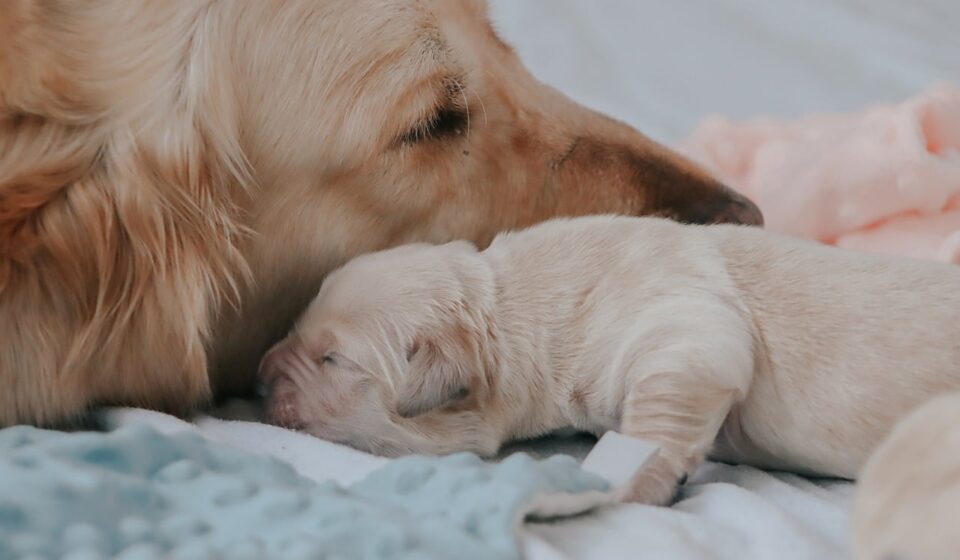
enees, also known as the Pyrenean Mountain Dog or ‘Patou’ in France, boasts a history stretching back centuries. Originating from the Pyrenees Mountains separating France and Spain, this breed was selectively developed as a livestock guardian. Their primary role was to protect flocks of sheep from predators like wolves and bears. This ancient calling has shaped their fundamental characteristics, making them naturally protective, independent, and capable of making decisions on their own, often without direct human command. According to the Great Pyrenees Club of America (GPCA), their thick, white double coat provided camouflage in snowy mountainous terrain and insulation against harsh weather. This deep-seated protective instinct means they are often wary of strangers and intensely loyal to their ‘flock’, which in a modern home setting includes their human family. Understanding this historical context is vital for anyone considering this breed.
The Gentle Giant’s Dual Nature
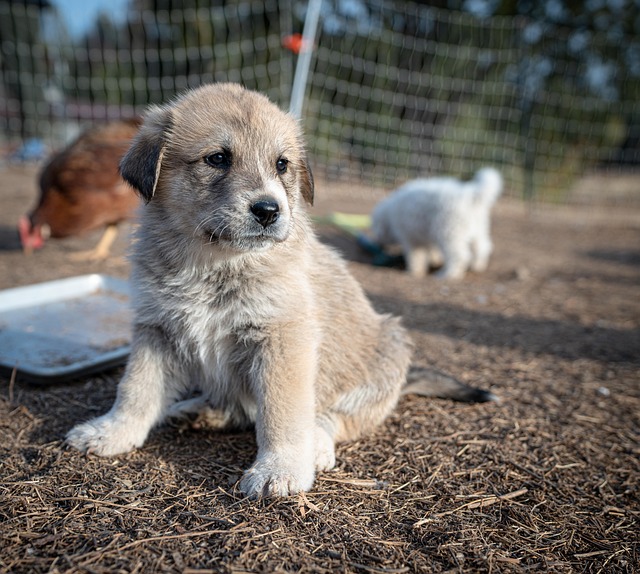
Great Pyrenees are renowned for their calm, dignified, and gentle temperament, earning them the ‘gentle giant’ moniker. They are typically affectionate with their families and patient with children, often displaying a protective yet tender demeanour. However, their guardian instincts mean they can be somewhat aloof with strangers and possess a strong sense of independence. This independence can sometimes manifest as stubbornness, requiring patient and consistent training methods. They are not typically aggressive but will readily defend their territory and family if they perceive a threat. This protective nature means early socialization is paramount. Introducing them to various people, environments, and other animals from a young age helps them develop into well-adjusted adults. Without proper socialization, their natural wariness can escalate into over-protectiveness or distrust.
Space to Roam: Housing and Exercise for Pyrs
Given their substantial size, Great Pyrenees require ample living space. A large, securely fenced yard is highly recommended. They are not suited for small apartments or homes without adequate outdoor access. Their guarding instinct also means they tend to patrol their territory, so a sturdy fence is essential to prevent them from wandering or potentially encountering hazards outside their domain. The fence should ideally be at least 5–6 feet high, as they can be surprisingly agile jumpers when motivated. While not a breed that demands hours of strenuous activity daily, Great Pyrenees do need regular exercise to maintain their health and prevent boredom. Daily walks, ideally in the morning or late afternoon to avoid the heat, are beneficial. They also enjoy supervised playtime in their yard. Over-exercising a puppy can be detrimental to their developing joints, so moderate activity levels are key during their growth phases. A well-exercised Great Pyrenees is generally a well-behaved Great Pyrenees.
The White Coat: Managing Their Luxurious Fur
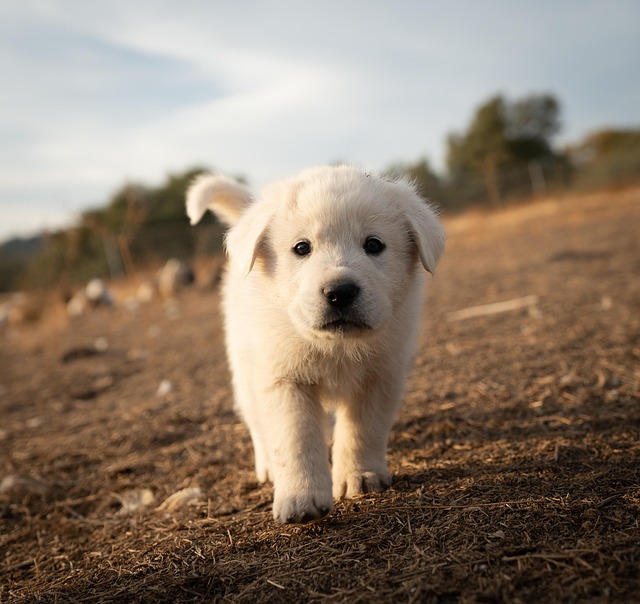
Owning a Great Pyrenees means embracing a significant grooming commitment. Their luxurious, double-layered coat is beautiful but requires regular attention to remain healthy and manageable. The dense undercoat can easily mat, especially during shedding seasons, which typically occur twice a year. Daily brushing is ideal, particularly for puppies, to get them accustomed to the process and to prevent tangles from becoming severe. Beyond brushing, regular baths are necessary, though not usually needed more than once every few months unless they get particularly dirty. Pay close attention to areas prone to matting, such as behind the ears, around the collar, and at the base of the tail. Trimming around the paws and face can help keep them tidy. Due to their size and coat density, professional grooming can be a worthwhile investment for some owners, but regular home maintenance is still essential. Their nails also need regular trimming, and their ears should be checked and cleaned weekly to prevent infections.
Independent Minds: Training the Great Pyrenees
Training a Great Pyrenees presents unique challenges due to their intelligence and independent nature. They are not naturally eager to please in the way some other breeds are; they were bred to think for themselves. This means that positive reinforcement methods, focusing on rewards and consistency, are far more effective than harsh or punitive approaches, which can backfire and damage their trust. Start training and socialization as early as possible. Basic obedience commands like ‘sit’, ‘stay’, and ‘come’ are vital. However, recall can be a particular challenge due to their guardian instinct to patrol and protect their territory. Leash training is also critical, as a fully grown Great Pyrenees can be difficult to control if they decide to pull. Enrolling in obedience classes with a trainer experienced with large or independent breeds can provide invaluable guidance. Owners must be patient, persistent, and creative to keep their Pyr engaged and receptive to training.
Guardians’ Health: Common Issues and Lifespan
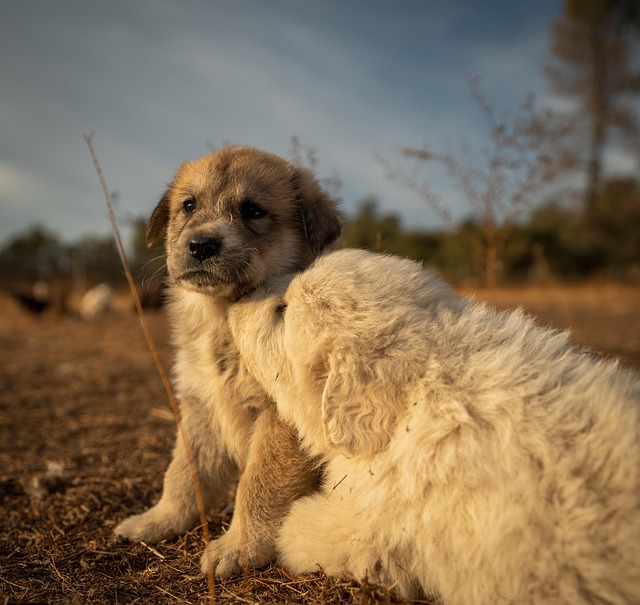
Like many large breeds, Great Pyrenees are prone to certain health conditions. Understanding these can help owners be proactive in their pet’s care. Common issues include hip and elbow dysplasia, where the joints don’t develop properly, leading to pain and lameness. Bloat (Gastric Dilatation-Volvulus or GDV) is a life-threatening condition common in deep-chested breeds, requiring immediate veterinary attention. Other potential concerns include certain eye conditions like ectropion (inward-rolling eyelids) and ectropion (outward-rolling eyelids), as well as heart conditions such as subvalvular aortic stenosis (SAS). Some individuals may also be susceptible to certain cancers. Responsible breeders screen their dogs for these genetic predispositions. The average lifespan for a Great Pyrenees is typically between 10 to 12 years, though individual dogs can live longer with excellent care, proper diet, and regular veterinary check-ups. As of 2026, veterinary care costs can vary significantly, but owners should budget for potential health issues, especially as the dog ages. Regular veterinary visits for vaccinations, check-ups, and preventative care are essential.
Nourishing the Giant: Nutrition for Great Pyrenees
Proper nutrition is fundamental for the health and development of a Great Pyrenees, especially during their rapid growth phase as puppies. They require a high-quality dog food formulated for large breeds. These diets are typically lower in calories and calcium to prevent overly rapid bone growth, which can contribute to skeletal problems like hip dysplasia. As adults, their diet should be balanced and appropriate for their activity level. While they are large, they are not excessively high-energy dogs and can become overweight if overfed or not exercised sufficiently. Feeding a high-quality large-breed adult formula will provide the necessary nutrients. It’s important to feed measured meals rather than free-feeding, especially given the risk of bloat. Owners should consult with their veterinarian about the best food options and portion sizes for their individual dog, considering age, activity level, and any specific health concerns. According to the Merck Veterinary Manual, proper weight management is one of the most critical factors in preventing or managing joint issues in large breeds.
Beyond the Guardian: The Great Pyrenees in the Home
While bred as guardians, Great Pyrenees can make wonderful family pets when their specific needs are met. Their innate protective nature translates into deep loyalty and a desire to be part of the family unit. They are generally patient with children, often displaying a calm presence that can be very soothing. However, their size means supervision is always advisable around very young or small children to prevent accidental bumps or knocks. Potential owners need to be realistic about the commitment involved. This includes the time required for grooming, training, and ensuring they have adequate space. They are not a breed that thrives when left alone for extended periods; their guarding instincts can lead to destructive behaviours or excessive barking if they feel isolated or bored. A Great Pyrenees is best suited for a home where someone is often present, and where they can be integrated into family activities. For families looking for a devoted, calm, and majestic companion, the Great Pyrenees can be an unparalleled addition, provided their unique requirements are fully understood and accommodated.
Frequently Asked Questions
What is the typical temperament of a Great Pyrenees?
The Great Pyrenees is known for being calm, gentle, dignified, and protective. They are loyal to their family but can be aloof with strangers and possess an independent, sometimes stubborn, streak due to their heritage as livestock guardians.
How much exercise does a Great Pyrenees require daily?
While not overly energetic, they need moderate daily exercise, such as a couple of walks and supervised playtime in a securely fenced yard. Excessive exercise, especially for puppies, should be avoided to protect their joints.
Are Great Pyrenees good with children?
Yes, they are generally patient and gentle with children, often forming strong bonds. However, their large size means supervision around very young children is recommended to prevent accidental injury.
What are the most common health issues for Great Pyrenees?
Common health concerns include hip and elbow dysplasia, bloat (GDV), certain eye conditions (ectropion, ectropion), and heart issues. Responsible breeding practices and regular veterinary care are crucial.
How much grooming does a Great Pyrenees need?
Their thick double coat requires significant grooming. Daily brushing is recommended to prevent matting, especially during seasonal shedding periods. Regular bathing and nail trims are also necessary.
Can a Great Pyrenees live in an apartment?
Due to their large size and need for space to patrol, Great Pyrenees are generally not well-suited for apartment living. A home with a large, securely fenced yard is ideal for this breed.
What is the average lifespan of a Great Pyrenees?
The typical lifespan for a Great Pyrenees is between 10 to 12 years. Proper care, diet, and regular veterinary attention can contribute to a longer, healthier life. Information current as of July 2026; pricing and product details may change.