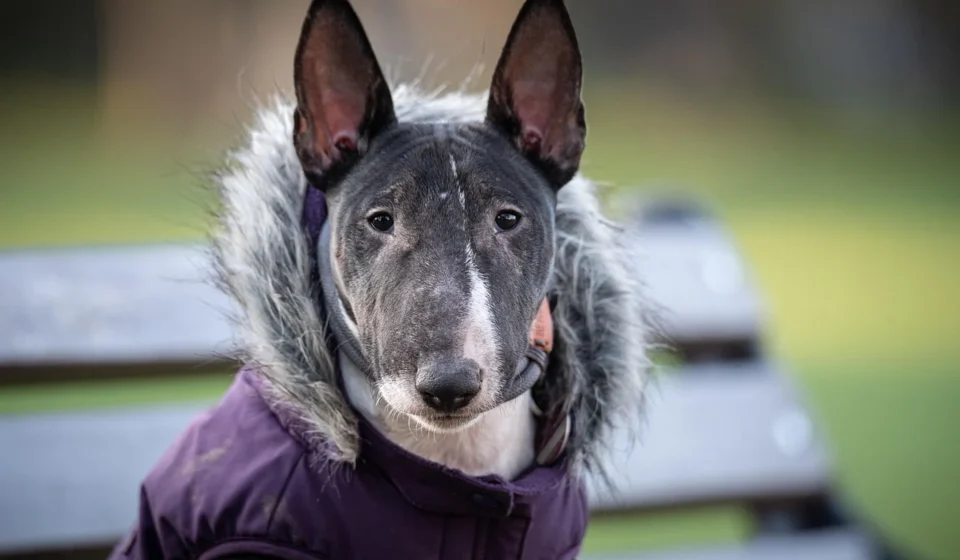
The Bull Terrier requires a breed-specific approach to ownership. This approach prioritises early socialisation, positive reinforcement training, and proactive care to prevent common behavioural issues and health problems. People often misunderstand these distinctive dogs due to their spirited, independent nature and high energy levels. These dogs thrive best when owners avoid generic dog care advice and anticipate their unique needs.
This comprehensive guide details how you can navigate common pitfalls in raising a Bull Terrier. It covers training strategies that accommodate their natural stubbornness and energy demands. It also explores essential health management, including addressing sensitive skin, congenital deafness, and dietary requirements. This ensures your dog remains well-adjusted and healthy, helping you determine if this unique breed is the right fit for your lifestyle.
Is a Bull Terrier a Good Dog? Understanding Their Unique Temperament and Behavior
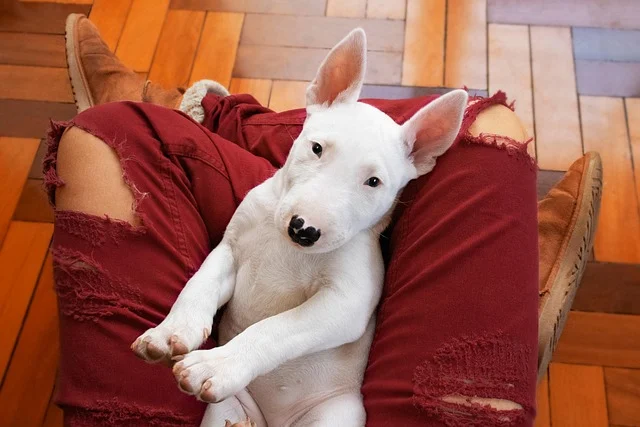
Yes, a Bull Terrier can be an exceptionally good dog for the right owner. People renowned them for their playful, affectionate, and loyal nature. Many often describe them as “three-year-old children in a dog suit” due to their mischievous charm and strong attachment to their families. However, their suitability hinges on an owner’s commitment to consistent training, extensive socialisation, and meeting their significant exercise and mental stimulation needs.
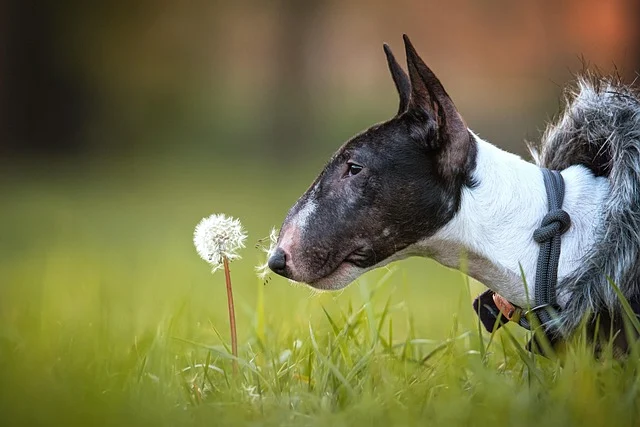
Their temperament is a blend of courage, determination, and a surprising sensitivity. While they possess a formidable appearance, a well-socialised and trained Bull Terrier is typically clownish and gentle with their family. They thrive on human companionship and can become destructive or withdrawn if left alone for extended periods.
Bull Terrier Temperament and Behavior: Key Traits
- Playful and Energetic: Bull Terriers retain a puppy-like enthusiasm well into adulthood. They love to play and require vigorous daily exercise to channel their energy positively.
- Loyal and Affectionate: They form deep bonds with their families and are fiercely loyal. They enjoy being part of family activities and are often “velcro dogs” that want to be close to their owners.
- Intelligent but Independent: While smart, Bull Terriers have a strong will and an independent streak. This can manifest as stubbornness during training, requiring patience and creative methods.
- Protective: They can be naturally protective of their family and home. Early socialisation helps them differentiate between genuine threats and normal interactions.
- Boisterous: Due to their size, strength, and exuberance, they can be quite boisterous, especially as puppies and young adults. This is why supervision around very young children is crucial.
Why is my Bull Terrier aggressive? Is a Bull Terrier dangerous?
A well-bred, properly socialised, and trained Bull Terrier is generally not dangerous and is not inherently aggressive. However, like any powerful breed, aggression can develop due to various factors, and it’s a serious concern that requires immediate attention.
Common reasons for aggression in Bull Terriers include:
- Lack of Socialisation: Insufficient exposure to different people, dogs, and environments during their critical puppy development period can lead to fear-based or reactive aggression.
- Inadequate Training: A lack of clear boundaries, consistent training, and leadership can result in a dog that feels it needs to make its own decisions, sometimes leading to resource guarding or territorial aggression.
- Pain or Illness: An underlying health issue can cause a dog to lash out due to discomfort. A sudden change in temperament always warrants a veterinary check-up.
- Frustration/Boredom: High-energy dogs like Bull Terriers need significant physical and mental stimulation. Chronic boredom or frustration from insufficient exercise can manifest as irritability and aggression.
- Genetics: While responsible breeders screen for temperament, they can sometimes inherit undesirable traits.
- Fear: A Bull Terrier that feels threatened or cornered may react aggressively as a self-defence mechanism.
If your Bull Terrier is showing signs of aggression (growling, snapping, biting, lunging), you must consult with a professional certified dog behaviourist or veterinary behaviourist immediately. Do not attempt to fix aggression issues without expert guidance. This can worsen the problem or put you and others at risk. Early intervention is key to managing and potentially resolving these behaviours.
Are Bull Terriers High Maintenance?
Yes, Bull Terriers are a relatively high-maintenance breed. This is not necessarily in terms of grooming. However, they certainly need consistent attention, training, exercise, and proactive health management. Owners must prepare for a significant commitment of time and energy.
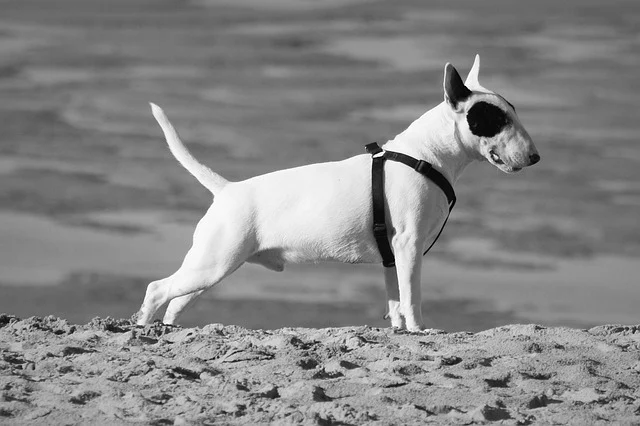
Bull Terrier Problems: Common Challenges and Their Fixes
Understanding potential problems allows prospective owners to prepare and current owners to address issues proactively.
-
Stubbornness and Training Challenges:
- Problem: Bull Terriers are intelligent but can be independent and stubborn, which can make training challenging if not approached correctly. They may get bored with repetitive drills.
- Fix: You will find consistent, positive reinforcement training methods most effective. Keep training sessions short, fun, and varied to maintain their interest. Incorporate play and high-value treats. We highly recommend early puppy classes and ongoing obedience training. Think of training as a partnership, not a battle of wills.
-
High Energy and Destructive Behaviour:
- Problem: Bull Terriers are energetic dogs that require significant daily exercise and mental stimulation. Insufficient activity can lead to boredom, anxiety, and destructive behaviours like chewing, digging, or excessive barking.
- Fix: Provide ample opportunities for vigorous activity. This includes long walks, runs, fetch, interactive games, and puzzle toys. Aim for at least 60-90 minutes of dedicated exercise daily, broken into multiple sessions. Rotate toys to keep them novel and engaging. Consider dog sports like agility or flyball.
-
Separation Anxiety:
- Problem: Bull Terriers thrive on human companionship and can develop separation anxiety if left alone too often or for too long, leading to destructive behaviour or excessive vocalisation.
- Fix: Gradual desensitisation to your absence is key. Start with short periods and slowly increase duration. Provide engaging puzzle toys filled with treats before you leave. A comfortable, safe crate can be helpful for some dogs. Consider doggy daycare or a trusted pet sitter if you have long workdays.
-
Skin Allergies and Sensitive Skin:
- Problem: Common health issues include skin allergies, which can manifest as itching, redness, hot spots, and recurrent infections.
- Fix: Work with your veterinarian to identify triggers (food, environmental). Dietary changes, medicated shampoos, supplements (omega-3 fatty acids), and sometimes medication may be necessary. Regular grooming and inspection of the skin are crucial.
-
Congenital Deafness:
- Problem: Especially prevalent in white Bull Terriers, congenital deafness can affect one or both ears.
- Fix: Deaf dogs can lead full, happy lives but require specific training methods, such as hand signals and visual cues. They also need a heightened awareness of their surroundings for safety. Reputable breeders will perform BAER (Brainstem Auditory Evoked Response) testing on puppies before they go to new homes.
-
Obsessive Compulsive Disorders (OCD):
- Problem: Bull Terriers are prone to OCDs, such as tail chasing, flank sucking, or spinning. These can become severe and interfere with their quality of life.
- Fix: Management often involves a combination of environmental enrichment, increased exercise, structured training, and sometimes behavioural modification medication under veterinary guidance. Addressing underlying anxiety or stress is important.
Bull Terrier vs. English Bull Terrier: Is There a Difference?
This is a common point of confusion, but the answer is straightforward: there is no difference between a Bull Terrier and an English Bull Terrier. They are the same breed.

The breed’s full name is the “Bull Terrier.” Historically, people often referred to it as the “English Bull Terrier” to distinguish it from other bull-type breeds developed in different regions. However, “Bull Terrier” is the official name recognised by major kennel clubs worldwide. This includes the American Kennel Club (AKC) and The Kennel Club (UK).
Sometimes, people might mistakenly refer to the “Miniature Bull Terrier” as an “English Bull Terrier.” However, these are distinct breeds recognized separately. The Miniature Bull Terrier is a smaller version of the standard Bull Terrier. It shares many characteristics but breeders bred it to a specific size standard.
So, when you see “Bull Terrier” or “English Bull Terrier,” rest assured they are referring to the same distinctive, egg-headed dog.
Essential Care for Your Bull Terrier
To ensure a well-adjusted and healthy Bull Terrier, a holistic approach to care is essential.
1. Early Socialisation and Ongoing Exposure
From a young age, expose your Bull Terrier puppy to a wide variety of sights, sounds, people, and friendly, vaccinated dogs. Puppy classes are an excellent way to facilitate this in a controlled environment. Continue socialisation throughout their lives to maintain their confidence and prevent fear-based behaviours.
2. Consistent, Positive Reinforcement Training
Bull Terriers are intelligent but can be independent and stubborn, which can make training challenging if not approached correctly. Consistent, positive reinforcement training methods are most effective for this breed. Use treats, praise, and play to reward desired behaviours. Short, engaging sessions are better than long, repetitive ones. Focus on basic obedience commands, leash manners, and recall.
3. Meeting Exercise Needs
Bull Terriers are high-energy dogs that require significant daily exercise and mental stimulation. Insufficient activity can lead to boredom and destructive behaviours. Aim for at least one to two hours of vigorous activity daily, which can include:
- Brisk walks or jogs
- Off-leash play in a secure area
- Fetch or other interactive games
- Agility or obedience training
- Mental puzzles and enrichment toys
While a Bull Terrier can adapt to apartment living, it’s not ideal. They require substantial daily exercise and mental stimulation. If living in an apartment, owners must be highly committed to providing ample opportunities for vigorous activity outside the home.
4. Dietary Requirements and Management

A balanced, high-quality diet is crucial for a Bull Terrier’s health and energy levels. Due to their propensity for skin allergies and sensitivities, some owners opt for limited-ingredient diets or those free from common allergens like chicken or grain. Consult your veterinarian for specific dietary recommendations based on your dog’s age, activity level, and any health concerns.
Preventing Bloat: Like many deep-chested breeds, Bull Terriers can be susceptible to bloat (gastric dilatation-volvulus or GDV), a life-threatening condition. To minimise risk:
- Feed multiple small meals rather than one large one.
- Avoid vigorous exercise immediately before or after meals.
- Consider a slow-feeder bowl to prevent rapid eating.
- Discuss preventative gastropexy surgery with your vet if concerned.
5. Grooming and Shedding
Bull Terriers have a short, dense coat. We consider them moderate to heavy shedders, particularly during seasonal changes. Regular brushing (2-3 times a week with a rubber curry brush or grooming mitt) helps manage shedding. It removes loose hair and keeps their coat healthy. They only require occasional bathing unless they get particularly dirty.
6. Health Monitoring and Veterinary Care
The typical lifespan for a Bull Terrier is between 10 to 14 years. Factors such as diet, exercise, genetics, and regular veterinary care can influence their longevity. Common health issues include skin allergies, deafness (especially in white dogs), kidney disease, heart conditions, and obsessive compulsive disorders like tail chasing. Regular veterinary check-ups are vital for early detection and management of these conditions. Discuss genetic screening for conditions common in the breed with your breeder and veterinarian.
Related guides
Who is a Bull Terrier NOT Suitable For?
While a wonderful companion for the right household, Bull Terriers are not suitable for everyone:
- First-time dog owners without strong commitment: Their stubbornness, energy levels, and specific training needs can overwhelm inexperienced owners. These owners are not prepared for the significant time investment.
- Individuals seeking a low-maintenance dog: Bull Terriers require substantial daily exercise, mental stimulation, and consistent interaction. You should not leave them alone for long periods.
- People with very young children who cannot supervise interactions: While good with children, their boisterous nature means they can inadvertently knock over toddlers. Constant supervision is necessary.
- Owners who are not committed to socialisation and training: Without proper socialisation and consistent positive reinforcement training, Bull Terriers can develop behavioural issues, including reactivity or aggression.
- Households where the dog will be left alone for long hours daily: They crave companionship. They can develop separation anxiety and destructive behaviours if isolated too much.
- Individuals unwilling to address potential health issues: Their susceptibility to skin allergies, deafness, and other conditions means owners must prepare for potential veterinary costs and dedicated care.
Sources: Bull-baiting, Bull Terrier Dog Breed Information
Frequently Asked Questions
What is the best way to train a Bull Terrier?
Consistent, positive reinforcement training methods are most effective for Bull Terriers. They are intelligent but can be independent and stubborn, so a breed-specific approach that accommodates their natural stubbornness and energy demands is crucial for successful training. Keep sessions short, fun, and varied, using high-value treats and praise.
What are the key health considerations for Bull Terriers?
Essential health management for Bull Terriers includes addressing sensitive skin and allergies, congenital deafness (especially in white dogs), kidney disease, heart conditions, and obsessive-compulsive disorders like tail chasing. Proactive care, regular veterinary check-ups, and discussing genetic screening with your breeder are important to ensure they remain healthy.
Do Bull Terriers need a lot of exercise?
Yes, Bull Terriers are high-energy dogs. They require significant daily exercise and mental stimulation. Insufficient activity can lead to boredom and destructive behaviours. Owners must commit highly to providing ample opportunities for vigorous activity, typically 60-90 minutes per day, through walks, runs, play, and interactive games.
Are Bull Terriers suitable for first-time dog owners?
Bull Terriers require a breed-specific approach to ownership due to their spirited, independent nature and high energy levels. They thrive best when owners avoid generic dog care advice and anticipate their unique needs, suggesting they may be more suitable for experienced owners or highly committed first-time owners willing to invest significantly in training and socialisation.
How long do Bull Terriers typically live?
The typical lifespan for a Bull Terrier is between 10 to 14 years. Longevity is influenced by factors such as diet, exercise, genetics, and consistent veterinary care.