The Astonishingly Swift Rabbit Gestation Period: What Every Owner Needs to Know
When does a rabbit give birth? The answer is remarkably swift: a rabbit’s gestation period typically lasts just 31 days. This rapid cycle is a critical piece of information for anyone involved in rabbit breeding or simply curious about their pet’s reproductive health. Understanding this short but intense period allows for timely preparation, ensuring the well-being of both the mother doe and her future litter of kits.
- The average rabbit gestation period is 31 days, but can range from 28 to 33 days.
- Early signs of pregnancy include a calmer demeanour, increased appetite, and potential nesting behaviour from around day 10.
- False pregnancies can occur in unspayed does due to hormonal fluctuations, mimicking real pregnancy signs.
- Proper nutrition, a safe nesting environment, and minimal stress are vital for a healthy pregnancy and birth.
- After kindling (birth), a doe can become pregnant again very quickly, often within hours.
While the 31-day mark is the widely accepted average, I’ve seen slight variations, with some does kindling as early as day 28 or as late as day 33. Breed size can play a small role, with smaller breeds sometimes delivering slightly earlier and larger breeds perhaps a day or two later. However, these are minor fluctuations; the consistent 31-day timeframe is the primary takeaway. The real challenge for owners isn’t the duration, but preparing for the rapid onset of labour and the subsequent care of newborn kits. This condensed timeline means that if you are breeding rabbits, or if you suspect your pet has accidentally become pregnant, you need to be ready to act fast. From adjusting diet to setting up a suitable nesting box, proactive planning is key. I’d always advise potential breeders to have all their supplies and knowledge in place before the first mating even occurs.
Spotting the Signs: How to Tell if Your Rabbit is Pregnant
Confirming pregnancy in rabbits isn’t always straightforward, especially in the early stages. Unlike some other animals, there isn’t a simple ultrasound or blood test readily available for most pet owners. Instead, I rely on observing a combination of behavioural and physical changes that typically emerge after the first week of mating. One of the first behavioural shifts I notice is a change in temperament. A pregnant doe often becomes more placid and may spend more time resting. Her appetite will likely increase significantly as her body prepares to support developing kits. You might also observe her becoming more territorial or vocal, especially around her cage or hutch. This is usually around day 10-14 post-mating. Physically, a doe’s nipples will begin to enlarge and become more prominent, taking on a pinkish hue, usually visible from about day 10 onwards. As the pregnancy progresses, particularly in the final week, you may feel the developing kits as small, firm lumps within her abdomen. However, I strongly caution against palpating too forcefully or too frequently, as this can cause stress or even harm to the fetuses. If you are unsure, it’s always best to consult a rabbit-savvy veterinarian. One common mistake owners make is assuming their rabbit is not pregnant because they don’t see obvious signs. However, the early signs can be subtle. If you know mating occurred, and your doe is exhibiting even slight behavioural changes, it’s worth monitoring her closely for the next few weeks. Observing nesting behaviour, such as pulling fur or rearranging bedding, is a very strong indicator.
The 31-Day Countdown: Key Milestones in Rabbit Gestation
The rabbit gestation period is a rapid journey, and understanding the progression helps you anticipate needs. While the total is 31 days, there are subtle shifts and preparations that occur throughout. Days 1-10: Conception and Early Development Following a successful mating, fertilisation and implantation occur. Behaviourally, your doe may seem normal, perhaps with a slight increase in appetite. There are no outward physical signs yet. Days 10-20: Developing Kits and Nesting Instincts Around day 10-14, you’ll start noticing the physical changes: enlarged, pink nipples. Her appetite will increase further. Crucially, nesting instincts begin to surface. She might start pulling fur from her belly and hindquarters to line a nest. This is a vital sign that labour is approaching, even though it’s still over two weeks away. Days 20-30: Advanced Pregnancy and Nest Preparation By this stage, the kits are well-developed, and the doe’s abdomen will be noticeably distended. She will be eating substantially more. Nesting behaviour becomes more intense. She may start dragging bedding material or digging in her enclosure. This is the time to ensure her nesting box is properly set up and filled with clean, soft bedding like straw or hay. I always recommend placing the nest box in a quiet, secure corner of her hutch or cage. Days 31-33 (Kindling): Birth and Beyond Kindling, the term for rabbit birth, usually occurs on day 31. It often happens in the early morning or late evening, when the rabbit feels most secure and undisturbed. The doe will pull remaining fur and build a final nest. She will then give birth to her litter, typically between 5 to 10 kits, though litter size can vary greatly.

False Pregnancy in Rabbits: When Hormones Play Tricks
One of the most confusing aspects of rabbit reproduction is the phenomenon of false pregnancy, or ‘pseudopregnancy’. This occurs when a doe experiences hormonal changes that mimic those of a real pregnancy, even though no mating has occurred or fertilisation failed. These hormonal surges are often triggered by the presence of a buck, or even just the stress of being handled roughly by a male rabbit. A doe experiencing a false pregnancy might exhibit many of the same signs as a truly pregnant rabbit: she may become agitated, pull fur for nesting, and her nipples might enlarge slightly. This can be incredibly misleading, especially if you were hoping for a litter or are trying to manage your rabbit population. I’ve had owners mistakenly prepare for a birth that never comes, only to discover it was a false alarm. This is why knowing what to look for beyond just nesting behaviour is so important. The key difference is that palpable fetuses won’t be present in the abdomen. A veterinarian can often confirm the absence of pregnancy through gentle palpation. Spaying female rabbits is the most effective way to prevent false pregnancies and eliminate the risks associated with real pregnancies, such as complications during birth or metritis (uterine infection).
Fueling the Future: Nutrition for Pregnant Rabbits
A pregnant doe requires a diet that supports her increased metabolic needs and the development of her kits. This isn’t just about quantity; it’s about quality and specific nutrient profiles. While a standard rabbit diet of high-quality hay, fresh water, and a controlled amount of high-fibre pellets is generally suitable for non-pregnant rabbits, a pregnant doe benefits from some adjustments. I recommend gradually increasing the protein content in her diet during the latter half of her gestation. This can be achieved by offering a premium-quality pellet designed for pregnant or young rabbits, or by supplementing with nutrient-rich greens known to be safe for rabbits, such as alfalfa (in moderation) or dandelion greens. Alfalfa hay is a good option because it’s higher in calcium and protein than timothy hay, which is better suited for adult maintenance. However, it’s crucial not to overdo it, especially with calcium, as excessive amounts can lead to urinary tract issues. The goal is to provide adequate energy and nutrients without causing obesity or digestive upset. Always ensure constant access to fresh, clean water, which is vital for milk production later on. Not providing enough water is a common oversight that can impact both the doe and her kits.
Setting the Stage: The Nest Box
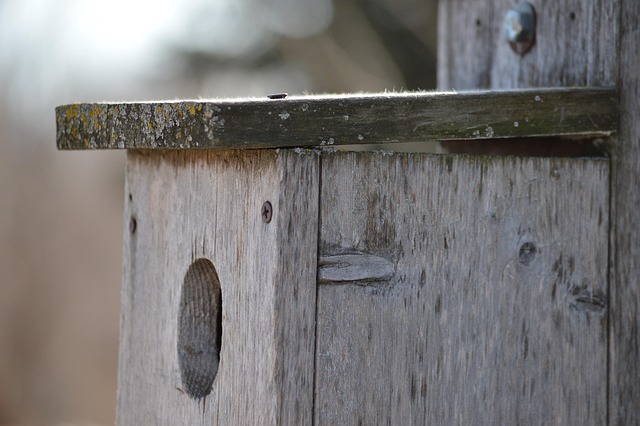
A properly prepared nest box is essential for a successful and stress-free kindling. It provides a safe, warm, and private space for the doe to give birth and for the delicate newborn kits to develop. I prefer to introduce a nest box around day 20-25 of the gestation period. This gives the doe ample time to get accustomed to it and begin building her nest. The box itself should be made of a non-toxic material, ideally wood, with an opening large enough for the doe to enter and exit comfortably but small enough to retain warmth and deter predators or curious littermates. A size of approximately 40cm x 25cm x 20cm is usually suitable for medium-sized breeds. Inside, I fill the box with plenty of clean, dry bedding. Soft straw, hay, or shredded paper are excellent choices. The doe will use her own fur, combined with this bedding, to create a cosy, insulated nest. It’s important to check the box daily for cleanliness and to remove any soiled bedding. However, avoid disturbing the doe or her nest more than absolutely necessary, especially as kindling approaches. If she seems anxious or agitated by your presence, step back and try again later. Over-handling can cause a doe to abandon her nest.
Pitfalls to Avoid: Common Mistakes During Rabbit Gestation
Despite the straightforward timeline, many owners make preventable errors during a rabbit’s gestation period. Being aware of these can significantly improve the outcome for mother and babies. One of the most common mistakes is interfering too much. Does need a quiet, stress-free environment to go through pregnancy and labour. Loud noises, sudden movements, or frequent handling can cause immense stress, potentially leading to abandonment of kits or even rejection of the litter. I always advise owners to give their pregnant does plenty of space and minimise disturbances, especially in the days leading up to and immediately following kindling. Another error is misjudging the signs of impending birth. Some owners wait too long to provide a nest box or don’t provide enough nesting material. Others might panic and try to ‘help’ during birth, which is rarely beneficial and can be harmful. Remember, rabbits are adept at giving birth naturally if their environment is safe and secure. Trusting the doe’s instincts is key. Finally, failing to adjust the diet or provide adequate hydration is a frequent oversight. A pregnant doe’s nutritional demands increase substantially. Underfeeding can lead to weak kits, low milk production, or the doe herself becoming malnourished. Always ensure she has access to fresh water and appropriate food. A lack of water is a critical oversight that can have dire consequences.
The Rapid Cycle: Rebreeding After Kindling
Rabbits are renowned for their prolific breeding capabilities, and this extends to their reproductive cycle post-birth. A doe can often become pregnant again very shortly after giving birth, sometimes within hours of delivering her litter. This is known as post-partum oestrus. This rapid rebreeding capability is a natural survival mechanism, ensuring that if a litter fails for any reason, the doe can quickly attempt to reproduce again. For breeders, this allows for multiple litters within a breeding season. However, it also means that if you are housing a buck and doe together, or even two does that have had contact with a buck, you must be extremely vigilant about separating them immediately after kindling. Allowing a doe to become pregnant again too soon after giving birth can be detrimental to her health. Her body needs time to recover and replenish its nutrient stores for milk production. Multiple consecutive pregnancies without adequate rest can lead to exhaustion, illness, and reduced litter viability. I would recommend allowing a doe at least a few weeks to recover before considering rebreeding, or ideally, giving her a full breeding season off between litters if possible. This careful management is crucial for the doe’s long-term health.
Frequently Asked Questions About Rabbit Gestation
How long is a rabbit’s gestation period?
The average rabbit gestation period lasts approximately 31 days. This can range from about 28 to 33 days, with minor variations influenced by breed size and individual doe health.
What are the first signs my rabbit is pregnant?
Early signs of pregnancy in a rabbit typically include a calmer demeanour, increased appetite, and potentially a slight enlargement of the nipples, which may turn pink. These signs usually become noticeable around 10-14 days after mating.
When should I provide a nest box for my pregnant rabbit?
it’s advisable to introduce a nest box around day 20 to 25 of the gestation period. This allows the doe time to acclimatise to it and begin preparing her nest before labour starts.
Can rabbits have false pregnancies?
Yes, rabbits can experience false pregnancies, known as pseudopregnancy. This is a hormonal response that mimics real pregnancy signs, often triggered by the presence of a buck, even without actual conception.
What should I feed a pregnant rabbit?
During the latter half of gestation, a pregnant rabbit benefits from a diet higher in protein. This can include a premium rabbit pellet formulated for pregnant or young rabbits, supplemented with nutrient-rich greens, alongside constant access to fresh hay and water.
How many kits does a rabbit usually have?
The average litter size for a rabbit is between 5 and 10 kits. However, this can vary significantly based on breed, the doe’s health, and environmental factors.
What should I do during kindling?
During kindling, your primary role is to ensure a safe, quiet environment. Avoid disturbing the doe. Provide fresh water and monitor from a distance. Only intervene if there are clear signs of distress or complications, and consult a veterinarian if you are concerned.
Conclusion: A Swift Journey Requiring Careful Planning
The rabbit gestation period, spanning just 31 days on average, is a rapid and remarkable biological process. From the subtle early signs of pregnancy to the intensive preparations for kindling, owners must be attentive and informed. I’d stress that understanding the signs, providing optimal nutrition and a safe nesting environment, and managing stress are paramount. Being prepared for this short but crucial window ensures the best possible outcome for your doe and her litter, making the journey from conception to newborn kits a successful one. Information current as of September 2026; pricing and product details may change.
Related Articles
- Small Hypoallergenic Dog Breeds: Your Guide
- The Sitting Cat: Understanding Their Poses, Behaviour, and Needs
- Whale Eyes Dog: Understanding the Meaning and When to Worry