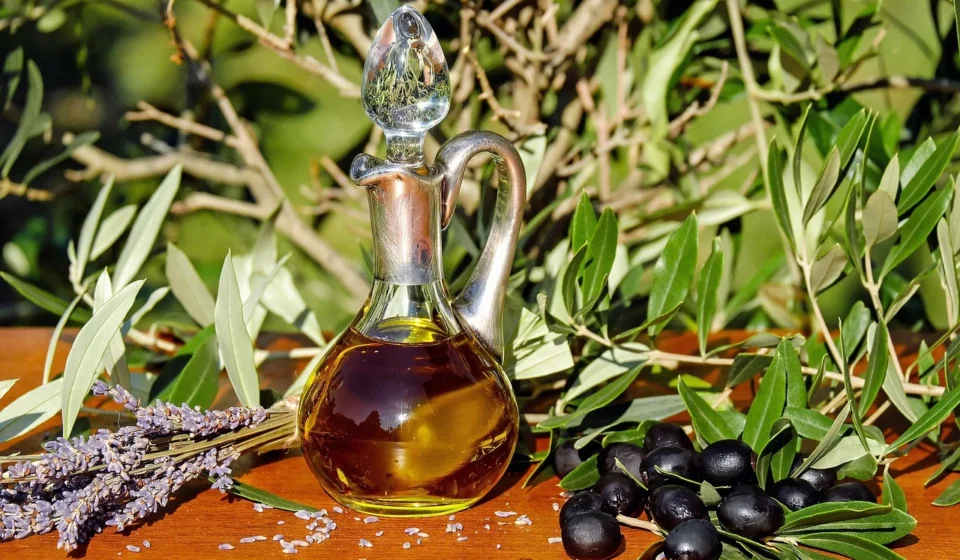
Yes, dogs can safely eat olive oil. Use small, controlled amounts. Mix it directly into their daily food. Extra virgin olive oil provides healthy monounsaturated fats and antioxidants. These support skin, coat, and digestive health. However, giving too much can cause diarrhea. It can also cause weight gain or pancreatitis.
You can add small amounts of extra virgin olive oil to your dog’s meals. This can help many dogs maintain a healthier coat. This is especially true during dry winter months or seasonal shedding. However, oil is concentrated fat. So, success depends on strict portion control. You must also select the right grade of oil for your pet.
Nutritional profile: What is inside olive oil?
It also contains essential polyunsaturated fatty acids. These include omega-6 (linoleic acid) and small amounts of omega-3 (alpha-linolenic acid). Also, it has saturated fats.
Unrefined extra virgin olive oil retains valuable bioactive non-fatty compounds. These include polyphenols like oleocanthal and hydroxytyrosol, squalene, and fat-soluble vitamin E (alpha-tocopherol). These natural compounds act as powerful antioxidants that shield cells against oxidative stress.
Olive oil is dense energy. It has many calories. For example, a standard tablespoon (15 ml) delivers about 120 calories. It also contains 14 grams of fat. A standard teaspoon (5 ml) has about 40 calories and 4.5 grams of fat.
What health benefits does olive oil offer dogs?
When administered systematically in measured amounts, olive oil can support several key areas of canine health.
Skin hydration and coat shine
The dietary lipids in olive oil help rebuild and reinforce the lipid layer within a dog’s epidermal cell membranes. This helps retain skin moisture from within, reducing flaky dandruff, scaling, and non-allergic itchiness. Over four to six weeks of routine supplementation, coats often show noticeable luster, softness, and reduced shed-hair breakage.
Support for digestive regularity
Olive oil is a natural lubricant. It helps the gastrointestinal tract. If your dog has mild constipation, a little oil can help. It softens dry stool. This makes passage through the colon smoother. Monounsaturated fats encourage healthy bile. This aids overall nutrient absorption. So, can dogs eat olive oil for constipation? Yes, in small amounts.
Cellular antioxidant protection
The polyphenols and vitamin E in extra virgin olive oil help neutralize circulating free radicals. This cellular protection supports immune response integrity and helps reduce systemic tissue oxidation as dogs age.
Weight maintenance for lean or working dogs
Olive oil provides a dense source of clean metabolic energy. This helps working breeds, canine athletes, or underweight dogs. They need healthy caloric enhancement without a massive food volume. You can elevate calorie intake by adding regulated amounts. This avoids overloading stomach capacity.
Which dogs should NOT eat olive oil?
Olive oil is not suitable for every dog. In several health conditions, adding supplemental fat poses serious medical risks.
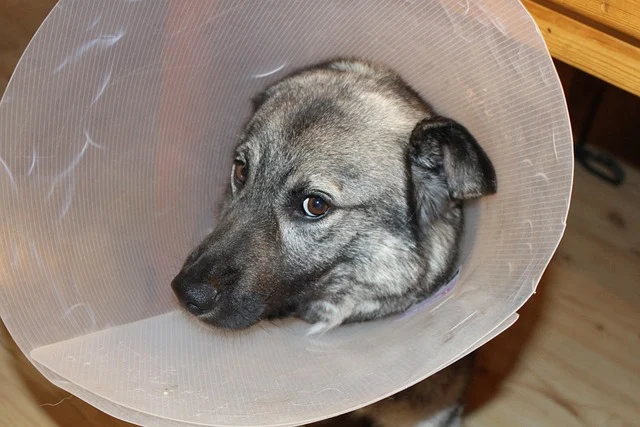
- Dogs with a history of pancreatitis: High-fat foods stimulate heavy pancreatic enzyme production. As the Cornell University College of Veterinary Medicine documented, high-fat additions can trigger inflammation. This inflammation of the pancreas is painful and dangerous in susceptible animals.
- Overweight or obese dogs: Olive oil packs 40 calories into a single teaspoon. Therefore, giving it to dogs on weight-loss plans quickly stalls calorie deficits. See A Practical Puppy Vaccine Schedule for New Owners for weight management meal planning.
- Puppies under six months old: Growing puppies require precise calcium-to-phosphorus and macronutrient balances tailored for bone development. Extra oil can cause loose stools and disrupt nutrient absorption during critical growth phases.
- Dogs with chronic gastrointestinal disorders: Pets often lack the digestive capacity to safely break down added dietary oils. This includes dogs with Inflammatory Bowel Disease (IBD). It also applies to lymphangiectasia or chronic diarrhea.
What are the risks and side effects of olive oil for dogs?
Understanding the side effects allows you to step in quickly if your dog responds poorly to added fat.
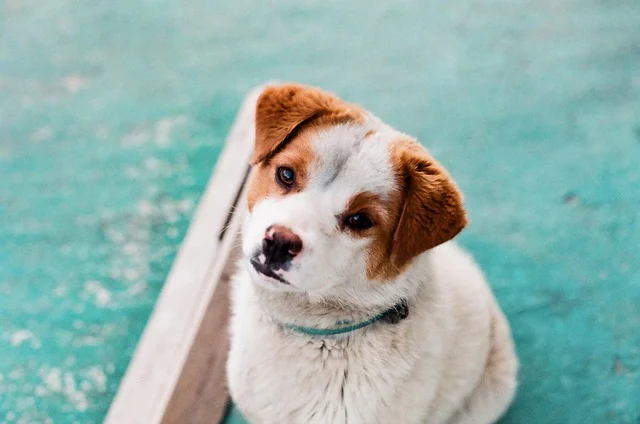
The most immediate reaction to excessive oil is acute gastrointestinal distress. Symptoms include unformed, watery, or distinctly greasy stools, abdominal cramping, flatulence, and vomiting. This occurs when unabsorbed fats draw excess water into the intestinal lumen or irritate the stomach lining.
Over time, unmonitored daily additions cause silent weight gain.
In high-risk dogs, sudden fat intake can provoke acute pancreatitis. Warning signs include severe weakness, hunching the back in pain, repetitive vomiting, refusal to eat, and extreme abdominal tenderness. Pancreatitis requires immediate veterinary intervention.
Which type of olive oil is best for dogs?
The quality and processing method of the oil determine its safety and health value for your dog.
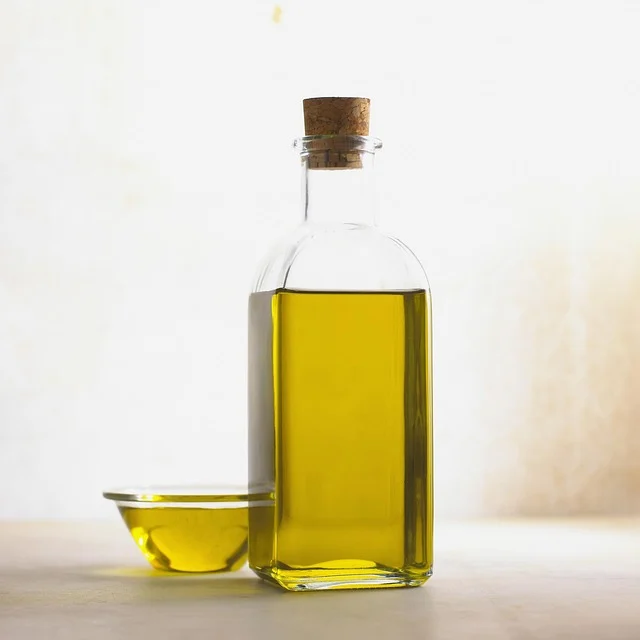
Extra virgin olive oil (EVOO)
Extra virgin olive oil is the highest quality choice. It is cold-pressed mechanically without chemicals, solvents, or excessive heat. EVOO offers maximum nutritional value for canine feeding.
Virgin olive oil
It remains a safe, acceptable alternative if extra virgin oil is unavailable.
Refined, pure, or light olive oils
Products labeled “pure,” “regular,” or “light” olive oil undergo extensive industrial refining, heat processing, and chemical deodorization. This process strips away virtually all beneficial antioxidants and polyphenols, leaving behind refined triglycerides. While non-toxic, these oils provide empty fat calories without the health benefits of unrefined options.
Infused or flavoured olive oils
Never feed your dog olive oils infused with garlic, onions, shallots, or chilli peppers. Ingredients in the Allium family cause oxidative destruction of canine red blood cells. This leads to hemolytic anemia. Also, spicy infusions cause severe stomach inflammation.
How much olive oil can a dog safely eat per day?
You must scale the dosage carefully. Base it on your dog’s actual weight. Always start at the bottom end of the range. Also, calculate these calories into your dog’s total daily intake.

| Dog Weight Category | Body Weight Range | Recommended Daily Dosage | Approximate Daily Calories Added |
|---|---|---|---|
| Toy / Small Dogs | Under 10 kg | 1/4 to 1/2 teaspoon | 10 to 20 kcal |
| Medium Dogs | 10 kg to 25 kg | 1 teaspoon | 40 kcal |
| Large Dogs | 25 kg to 45 kg | 1 to 2 teaspoons | 40 to 80 kcal |
| Giant Dogs | Over 45 kg | 1 tablespoon (3 teaspoons) | 120 kcal |
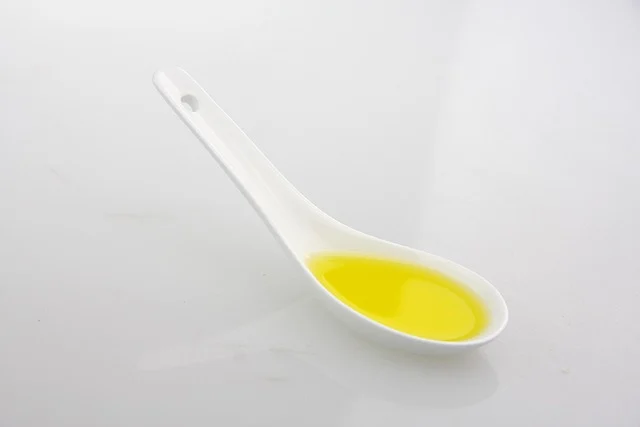
When introducing oil, start with a small dose. For toy breeds, a good starting dose is one-quarter teaspoon. Medium-to-large dogs can have half a teaspoon. Gradually increase this over two weeks if your dog tolerates it well.
You should slightly reduce your dog’s regular dry kibble intake. This keeps daily energy balanced. For instance, one teaspoon of olive oil adds 40 kcal. So, remove roughly 10 to 12 grams of standard adult dry kibble from their dish.
How to safely add olive oil to your dog’s food
Introducing olive oil step-by-step prevents stomach upset and helps your dog accept the new taste.
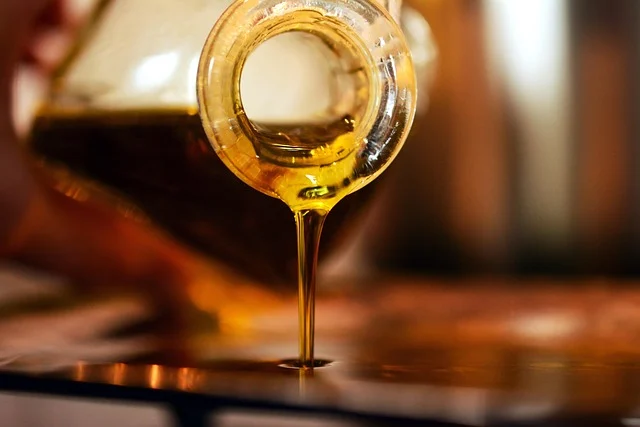
- Select fresh extra virgin olive oil: Buy dark glass bottles. This protects active polyphenols from light damage. Also, check the harvest or expeller date for freshness.
- Measure exact amounts: Use standard kitchen measuring spoons rather than guessing from the bottle.
- Mix evenly into meal portions: Thoroughly mix olive oil and dry kibble. This helps ensure the oil coats the food evenly. As a result, your dog will not lap up liquid oil alone.
- Monitor stool quality for 48 hours: Check stool consistency before stepping up to full daily amounts. If soft stools appear, stop for two days, then resume at half the previous amount.
- Store the oil properly: Keep your olive oil sealed. Store it in a cool, dark cupboard. Keep it away from the stove. Expired or rancid oil creates harmful oxidized free radicals. You should discard it immediately.
Why you should avoid applying olive oil directly to fur
Applying olive oil topically for itchy skin or dry paws is generally ineffective. Dogs immediately lick oily spots. This ingests unpredictable amounts of raw fat. Diarrhea can result. Topically applied oil attracts dirt. It also clogs skin pores. This can lead to secondary localized bacterial skin infections. When considering “can dogs eat olive oil”, topical application is often not the answer.
How does olive oil compare to other healthy fats for dogs?
Selecting the right fat supplement depends on what specific health outcome you want for your dog.
| Fat Source | Key Active Nutrients | Primary Health Benefit | Main Drawback / Trade-off | Best Suited For |
|---|---|---|---|---|
| Extra Virgin Olive Oil | Oleic acid (Omega-9), Vitamin E, Polyphenols | Skin hydration, mild digestive lubrication | Low EPA/DHA omega-3 content | General coat dry-skin support & gut regularity |
| Fish Oil (Salmon / Krill) | EPA and DHA Omega-3 fatty acids | Potent anti-inflammatory action, joint & brain health | Fishy odor, potential quick oxidation if open | Arthritis, joint stiffness, severe itchy allergies |
| Coconut Oil | Lauric Acid, Medium-Chain Triglycerides (MCTs) | Rapid metabolic energy, antimicrobial support | High saturated fat content, spikes blood lipids | Quick energy boosts; use sparingly |
| Flaxseed Oil | Alpha-Linolenic Acid (ALA Omega-3) | Plant-based skin conditioning | Poor canine conversion of ALA into active EPA/DHA | Vegetarian-leaning coat supplementation |
Olive oil offers basic skin moisture and mild digestive support. However, fish oil is much better for joint inflammation, stiffness, and severe allergic itchiness. This is because it contains pre-formed EPA and DHA omega-3s. See Can Dogs Eat Raisins? What Every Owner Needs to Know for marine omega-3 supplement choices.
Sources: Hot dog
Frequently asked questions
Can dogs eat olive oil every day?
Yes, healthy adult dogs can eat olive oil daily. However, you must strictly measure the amount. Also, account for it within their total daily caloric intake. If your dog develops loose stools, stop daily use immediately. Do the same for unexplainable weight gain.
What should I do if my dog drinks a large quantity of olive oil by accident?
If your dog consumes a large amount of olive oil—such as knocking over a full bottle—monitor them closely for severe vomiting, weakness, and persistent diarrhea. Contact your veterinarian immediately. This is especially true if your dog is a small breed or predisposed to pancreatitis. Preventative treatment may be necessary. For more information, consider reading up on whether can dogs eat olive oil.
Is cooked olive oil safe for dogs?
Small amounts of plain food cooked lightly in olive oil are non-toxic. However, high heat degrades beneficial antioxidants. It also forms unhealthy oxidation byproducts. Unheated, cold-pressed extra virgin olive oil is much healthier. Add it raw to your pet’s food.
Can olive oil help a dog with severe skin allergies?
Olive oil offers light moisture for mild dry skin. But it won’t cure moderate-to-severe environmental or food allergies. Dogs with severe scratching, red inflamed skin, or yeast infections need a formal veterinary diagnosis. They also require targeted treatments. For example, fish oil or anti-pruritic medications can help. This information is important when considering if can dogs eat olive oil for skin issues.