
Defining the Cockerel: A Stage of Development
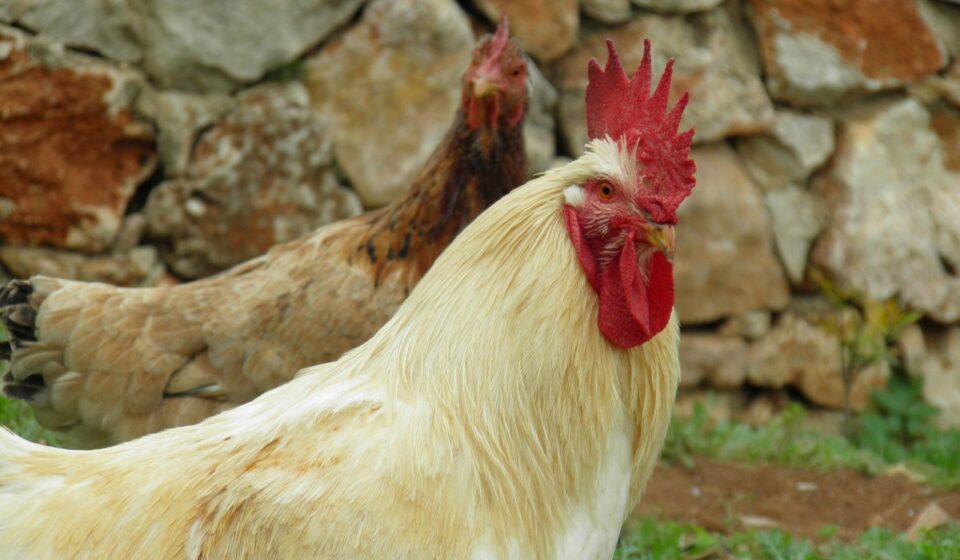
The distinction between a cockerel, and a rooster is fundamental to understanding male chicken development. A cockerel is, in essence, a young male chicken that has reached sexual maturity but hasn’t yet fully developed into an adult rooster. This transitional phase typically begins around 4–6 months of age and continues until the bird is about one-year-old, though this can vary by breed and individual growth rates. The key difference lies in maturity and physical development; a cockerel is still growing into his adult plumage, comb, and wattles, and his behaviours are often less assertive than those of a fully mature rooster. As of July 2026, backyard chicken keeping remains a popular hobby, and distinguishing between these stages is crucial for responsible husbandry. Understanding this distinction helps anticipate behavioural changes and manage flocks effectively. A cockerel might start to show some assertive traits, but he generally lacks the full territoriality and dominance displays of an adult rooster.
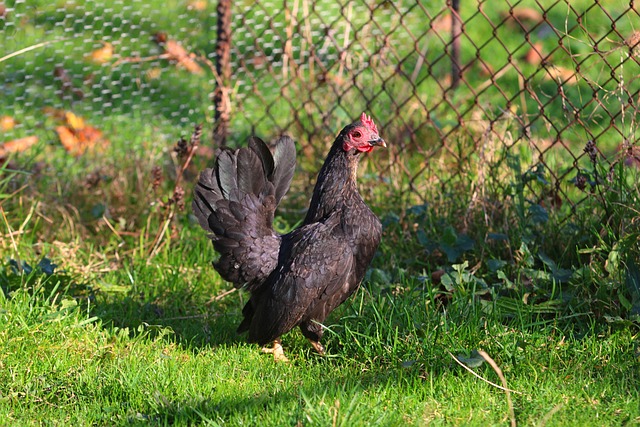
Key Differences: Beyond the Age Gap While age is the primary differentiator, several observable traits set a cockerel apart from a rooster. Physically, a cockerel’s comb and wattles are usually smaller and less vibrant in colour than those of a mature rooster. His plumage may still be developing; he might not yet have the full, iridescent saddle and hackle feathers that roosters are known for. A cockerel’s spurs, if present, are typically smaller and less sharp. Vet Verified notes that by the time a male chicken is considered a rooster, these features are fully developed and prominent.
Behaviorally, the differences are also notable. A cockerel might exhibit early signs of crowing, but it’s often less consistent and less powerful than a rooster’s full-throated call. Cockerels tend to be less aggressive and territorial than adult roosters, who actively defend their flock and territory. While a cockerel can show protective instincts, a rooster’s defense mechanisms are far more developed and assertive. This means that while a cockerel might be more approachable, a rooster’s presence can sometimes be challenging in mixed-flock environments or where proximity to humans is high.
Crowing and Vocalizations: Early Signs of Maturity Crowing is perhaps the most recognised behaviour associated with male chickens. For a cockerel, this sound often begins as a hesitant, reedy, or broken sound, sometimes described as a “trying to crow.” It’s a sign that his vocal apparatus is developing and he’s beginning to assert his presence. This early crowing usually occurs around 6–10 weeks of age, long before he’s considered a rooster.
According to Cluckin.net, this initial crowing is often more sporadic and less territorial than the established, daily crowing of an adult rooster. As the cockerel matures into a rooster, his crow becomes deeper, more resonant, and more consistent. Roosters typically crow at dawn, but they may also crow throughout the day in response to stimuli, territorial challenges, or simply to assert dominance. The intensity and frequency of crowing can vary significantly by breed and individual personality. For those considering keeping male chickens, understanding that even a young cockerel will eventually crow is a vital part of flock management, especially in residential areas where noise can be a concern.

Behavioural Shifts: From Cockerel to Rooster Dominance
The transition from cockerel to rooster involves significant behavioural shifts. While a cockerel may display nascent protective instincts, a rooster actively patrols, defends, and leads his flock. This includes warning hens of danger, ushering them to food sources, and confronting perceived threats, which can include other roosters, predators, or even humans. This dominance is often expressed through puffed-up chests, strutting, and aggressive postures.
The assertiveness of a rooster can be a double-edged sword. While beneficial for flock protection, it can lead to aggression towards humans, especially if the rooster feels threatened or is defending his territory or hens. Feathered Farm Life highlights that while cockerels are generally more docile, a rooster’s protective instincts can escalate into challenges or even attacks, particularly during breeding season. As of July 2026, many urban and suburban areas have ordinances against roosters due to noise and potential aggression, making the cockerel stage a critical period for assessment.
Dietary and Health Considerations for Male Chickens Both cockerels and roosters require a balanced diet to support their growth and health. Young cockerels, especially those intended for meat production, need a starter feed with a higher protein content (around 20-24%) to fuel rapid growth. As they mature into roosters, their protein needs may slightly decrease, and they can transition to a grower or layer feed (if mixed with hens), though a dedicated rooster feed can offer a balanced nutritional profile.
Providing access to grit is essential for digestion, and clean, fresh water must always be available. Health-wise, male chickens are susceptible to common poultry ailments. Issues like internal parasites, respiratory infections, and bumblefoot can affect them. A cockerel’s developing immune system might be more vulnerable, making proper coop hygiene and stress management paramount. According to the Merck Veterinary Manual, regular observation for signs of illness, such as lethargy, changes in appetite, or unusual droppings, is vital. Roosters, in particular, can sometimes suffer from injuries related to dominance disputes or over-exertion during mating, so monitoring their physical condition is important.
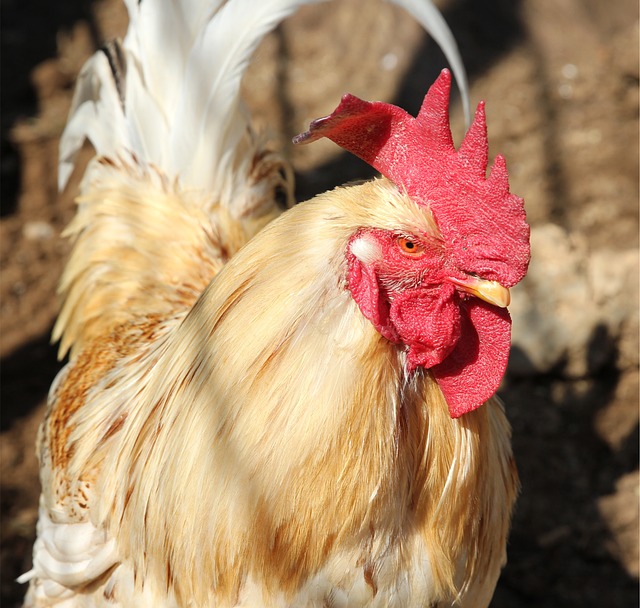
Managing a Flock: Cockerels, Roosters, and Hens Deciding whether to keep a cockerel or a rooster involves assessing flock dynamics and living situation. A cockerel’s presence is generally less disruptive than a rooster’s. He may still develop some dominant behaviours, but he’s less likely to cause significant issues with hens or humans. This makes him a potentially viable option for those new to keeping male chickens or living in closer proximity to neighbours.
The key is to manage his social environment carefully. As a cockerel matures, it’s essential to monitor his behaviour. If he becomes overly aggressive or causes distress to hens, intervention may be necessary. This could involve separating him, providing more space, or, in some cases, rehoming him before he fully transitions into a potentially problematic rooster. Vet Verified suggests that understanding breed tendencies is also key; some breeds are naturally more docile than others.
For instance, a Cochin cockerel might be far less assertive than a game breed cockerel. Is a Cockerel or Rooster Right for You? The decision to introduce a male chicken to your flock, whether as a cockerel or a fully-fledged rooster, requires careful consideration. Cockerels can offer benefits such as fertilizing eggs (if that’s your goal), and providing a natural deterrent to predators. They can also contribute to flock leadership and add a dynamic element to the flock’s social structure.
However, they will eventually grow into roosters, bringing with them the potential for crowing and aggression. If your primary concern is noise or potential aggression, it might be wiser to consider keeping only hens. If you have ample space, understanding neighbours, and are prepared for the eventual crowing and potential dominance challenges, a cockerel can be a rewarding addition. As of July 2026, many poultry keepers are opting to raise cockerels with the intention of rehoming them before they become adult roosters, particularly if they are not breeding or seeking specific traits only a mature rooster can offer. Frequently Asked Questions About Cockerels
What is the main difference between a cockerel and a rooster?
The primary difference is age and maturity. A cockerel is a young male chicken, typically under one-year-old, who is sexually developing but not fully mature. A rooster is a mature adult male chicken, usually over one year old, with fully developed physical traits and behaviours.
When does a cockerel start to crow?
Cockerels typically begin to crow sporadically between 6 to 10 weeks of age. This early crowing is often reedy or broken, developing into the stronger, more consistent crow of an adult rooster over several months.
Are cockerels aggressive?
Cockerels are generally less aggressive than adult roosters. While they may show early signs of dominance or territoriality, they typically lack the full assertiveness and defensive instincts of a mature rooster.
Can a cockerel fertilize eggs?
Yes, a cockerel can fertilize eggs once he reaches sexual maturity, which usually occurs around 4–6 months of age. This is a key function of male chickens in a breeding flock.
How much space does a cockerel need?
A young cockerel needs adequate space to grow and develop. Ensuring he has room to move, forage, and roost comfortably is important, with at least 4 square feet of coop space per bird recommended, though more is always better as they grow.
What sound does a cockerel make?
A cockerel’s crow is often described as being higher-pitched, reedy, or broken compared to the deep, resonant, and powerful crow of an adult rooster. It’s a sound of developing maturity.


