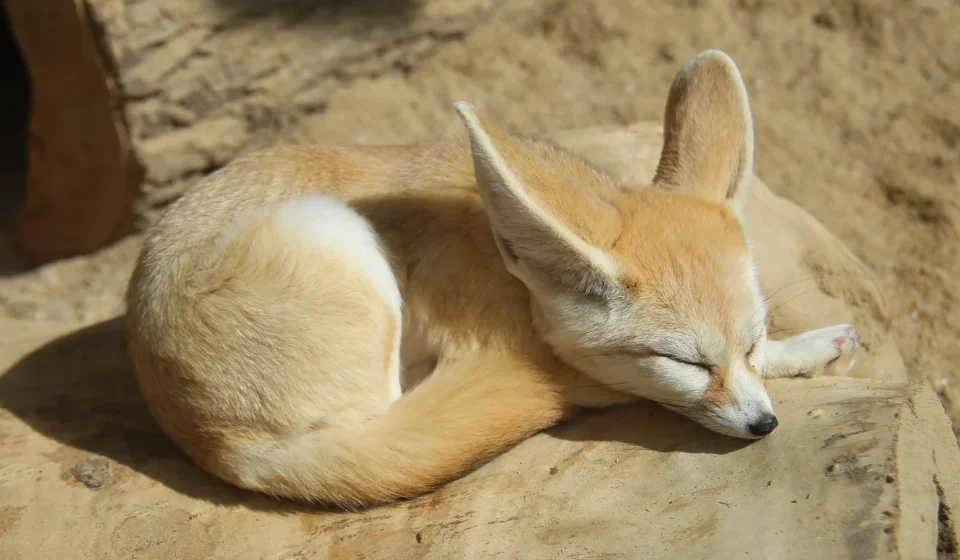
While some captive-bred fennec foxes can exhibit calm behaviour and be litter-trained or leash-trained with patience, they remain high-energy, nocturnal animals with distinct needs that differ greatly from traditional pets. It is important for anyone considering a fennec fox to understand these realities fully before making a decision.
Having a desert fox as a pet
Yes, you can keep a fennec fox as a pet. But you must understand they are wild animals, not domesticated. This means they retain strong natural instincts. They require a specialised environment to thrive. Unlike dogs or cats, fennec foxes are not naturally inclined towards close human interaction or cuddling. However, some individuals may form bonds with their owners over time.
Their independent and often shy nature means they may not be the ‘cuddly mini-dogs’ that some people mistakenly imagine. While some fennec foxes may enjoy being petted, this is not a universal trait, and owners should be prepared for a desert fox as a pet that values its space. They are incredibly active, especially at night, and need ample room to run and explore to prevent boredom and destructive behaviours.

Is It Legal to Own a Fennec Fox?
The legality of owning a fennec fox as a pet varies significantly depending on your location. This includes specific state, county, and city regulations. There is no universal federal ban on private ownership of a desert fox as a pet in the U.S., but federal agencies do regulate interstate transport. For example, 24 U.S. jurisdictions currently ban fennec fox ownership outright. 9 require a permit, and 11 have no state restriction, though local laws can still apply.

In the UK, you can generally own fennec foxes without a licence under the Dangerous Wild Animals Act 1976. [legislation.gov.uk] The Act excepts foxes, so no council licence is needed under it for a fennec fox. [legislation.gov.uk] This licence ensures that the owner can provide appropriate accommodation, care, and public safety measures. You must research and confirm the specific laws in your precise area before acquiring a fennec fox, as ignorance of the law is not a defense.
How Much Does a Fennec Fox Cost?
The cost of acquiring a fennec fox kit can range significantly. Current prices for Spring 2026 show males around $3500 and females around $4000 from some breeders. Other listings indicate prices from $2000 to $2500. Breeders typically require a non-refundable deposit, often about $1000, to reserve a kit.
Beyond the initial purchase price, the ongoing costs of owning a desert fox as a pet are substantial. These include expenses for a large, secure enclosure, specialised diet, veterinary care from an exotic vet, and enrichment items. We advise budgeting for several hundreds of pounds annually for food, bedding, and vet check-ups, not to mention potential emergency care.
What Kind of Habitat Does a Fennec Fox Need?
Fennec foxes require a spacious and secure habitat. It must accommodate their high energy levels and natural behaviours. They are expert diggers. Therefore, any outdoor enclosure must have a secure bottom or walls buried deep into the ground to prevent escapes. We often recommend a minimum of a 10×10 foot outdoor enclosure. It needs a secure top to prevent climbing out. Indoors, they need a dedicated, fox-proofed room or a very large multi-level cage, similar to those used for ferrets, but much larger.
You must keep the environment warm, ideally above 20°C (68 degrees Fahrenheit), and with low humidity. This mimics their desert origins. They are susceptible to cold and damp conditions, which can lead to health issues. Their habitat should include opportunities for digging, climbing, and hiding, such as sand boxes, branches, tunnels, and secure dens. Providing a stimulating environment is key to preventing boredom and destructive behaviours.
What Do Fennec Foxes Eat?
You need to carefully balance a fennec fox’s diet to provide all necessary nutrients. This particularly includes an adequate amount of the amino acid taurine for a desert fox as a pet. Their natural diet in the wild is omnivorous, consisting of insects, small rodents, birds, eggs, and fruits and vegetables.
In captivity, a suitable diet typically combines commercial cat or specialised fox food with a variety of whole prey items like chicks and insects (crickets, mealworms). It also includes fresh fruits and vegetables. Examples of suitable fruits and vegetables include apples, berries, carrots, and sweet potatoes. We recommend consulting with an exotic animal veterinarian or experienced fennec fox breeder. They can help you establish a precise feeding plan tailored to your fox’s age and activity level.
Are Fennec Foxes Friendly?
Fennec foxes are not inherently ‘friendly’ in the way a domesticated dog or cat might be. They are wild animals with distinct social structures and communication methods. Some captive-bred fennec foxes can become quite tolerant of human interaction. They may even enjoy being petted. However, they generally do not seek constant physical affection or cuddling, even for a desert fox as a pet. Their friendliness is often on their own terms.
They are very vocal animals, using a wide range of sounds including whimpers, barks, shrieks, squeaks, growls, howls, and chatters, even when content. This vocalization can be surprising for a desert fox as a pet to new owners. Their nocturnal nature means they are most active and potentially vocal during the night. This can be disruptive for owners who prefer quiet evenings.
What Are the Challenges of Owning a Fennec Fox?
Owning a fennec fox comes with several significant challenges that prospective owners must be prepared for:
-
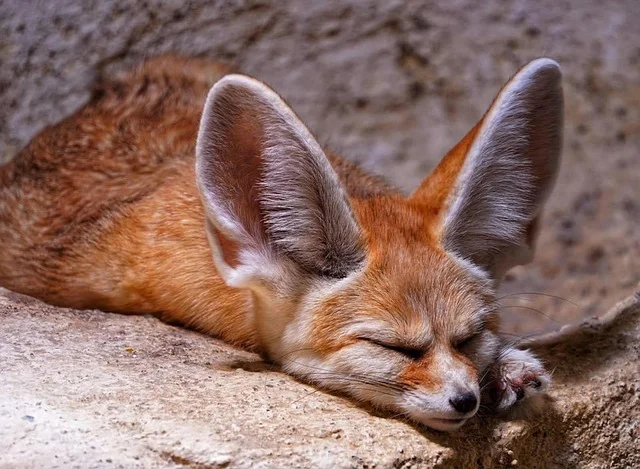
- Nocturnal Activity: Fennec foxes are naturally nocturnal, meaning they are most active during the night. This can lead to noise and activity when you are trying to sleep, and they may not align with a typical human schedule.
- Destructive Tendencies: Their high energy and need for mental stimulation mean that if bored, fennec foxes can be very destructive. They will dig, chew, and explore, potentially damaging furniture or home structures.
- Scent Marking: Unneutered male fennec foxes will spray urine to mark their territory indoors, which can create a strong, unpleasant odor. Even neutered foxes may have a distinctive scent.
- Specialized Veterinary Care: Finding a veterinarian experienced with exotic animals, specifically fennec foxes, can be difficult and expensive. Routine care, vaccinations, and emergency treatments all require a specialist.
- Vaccination Issues: There is no parenteral rabies vaccine licensed for use in wild animals like fennec foxes. [cdc.gov] This can create legal complications and health risks, as standard domestic pet vaccines may not be effective or safe.
- Socialization: While you can train some fennec foxes, it requires immense patience and consistency. They do not easily socialize with other domestic pets and may view them as prey or threats. Is Pets at Home Legit? What It Is and How to Use It for more on introducing new pets to your home.
- Escape Artists: Their small size, agility, and digging abilities make them excellent escape artists. Secure enclosures are paramount, and even then, they can find ways out if given the opportunity.
These challenges mean fennec foxes are absolutely not suitable for first-time pet owners or those seeking a low-maintenance companion. They require an owner who understands and respects their wild nature, and who can dedicate significant time and resources to their care.
Is a Fennec Fox the Right Pet for You?
Deciding if a fennec fox is the right pet for you involves a thorough assessment of your lifestyle, resources, and expectations. If you are looking for a cuddly, easily manageable pet that will fit smoothly into a typical household, a desert fox as a pet is almost certainly not the right choice. They are not mini-dogs. They are wild animals with specific needs that you cannot overlook.
You should consider a fennec fox only if you:
-
-
- Have ample space for a large, secure indoor and/or outdoor enclosure.
- You must prepare for significant financial investment in purchase, habitat, food, and specialised veterinary care.
- Are comfortable with nocturnal activity and potential noise.
- Understand and accept their natural instincts, including digging, chewing, and independent behaviour.
- You must commit to their long-term care, potentially for their lifespan of around 10–14 years in captivity.
- Have researched and confirmed the legality of ownership in your specific location.
-
For most people, the commitment and challenges associated with fennec fox ownership far outweigh the perceived benefits. We would always advocate for choosing a pet that genuinely suits your lifestyle and can thrive in the environment you can realistically provide.
Sources: Fox, Dangerous Wild Animals Act 1976 (Schedules, Information for Veterinarians | Rabies
Frequently asked questions
What is the friendliest fox?
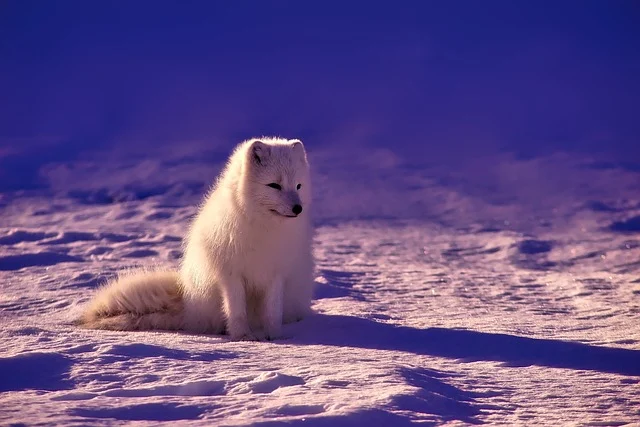
While no fox species is truly domesticated like a dog, people sometimes cite Arctic and Red foxes as more tolerant of human presence than other wild foxes, especially if you raise them from a young age. However, they still retain strong wild instincts, making a desert fox as a pet not recommended for the average person.
Can I buy a fennec fox?
Yes, you can buy a fennec fox from reputable breeders. But first, ensure that ownership is legal in your specific area. Also, make sure that you are prepared for their specialised care requirements. Prices for kits typically range from $2000 to $4000. Breeders often require a non-refundable deposit.
Are fennec foxes dangerous?
Fennec foxes are not typically considered dangerous to humans in an aggressive sense. However, they are wild animals and can bite if they feel threatened or cornered. Their small size means a bite is unlikely to be life-threatening, but it can still be painful and potentially transmit disease. They are more likely to be destructive to property if you do not properly stimulate them.
What is a fennec fox lifespan?
In captivity, fennec foxes typically live for 10 to 14 years, provided they receive appropriate nutrition, veterinary care, and a stimulating, safe environment. Their lifespan in the wild is generally shorter due to environmental challenges and predators.