Your dog sighs deeply. This long, audible exhalation is common. It is a form of canine communication. Why does my dog sigh deeply? It often signals contentment or relaxation. Sometimes it shows mild disappointment. The specific meaning depends on circumstances. Your dog’s body language also matters.
As a devoted pet owner, it is understood that you want to understand every nuance of your dog’s behaviour. A deep sigh is more than just a breath; it is a subtle but significant signal that can tell a lot about a furry friend’s emotional state and needs. Learning to interpret these sighs can strengthen the bond and help respond appropriately.
What Does a Dog’s Sigh Actually Mean?
A dog’s sigh is essentially a deep breath. It often starts with a long inhale followed by a noticeable exhalation. It is a natural part of their respiratory and communication repertoire, much like a human sigh. However, unlike a human sigh which often implies sadness or resignation, the meaning for dogs is far more varied. It is usually less dramatic. When considering why does my dog sigh deeply, veterinarians and animal behaviorists often explain that context is paramount.
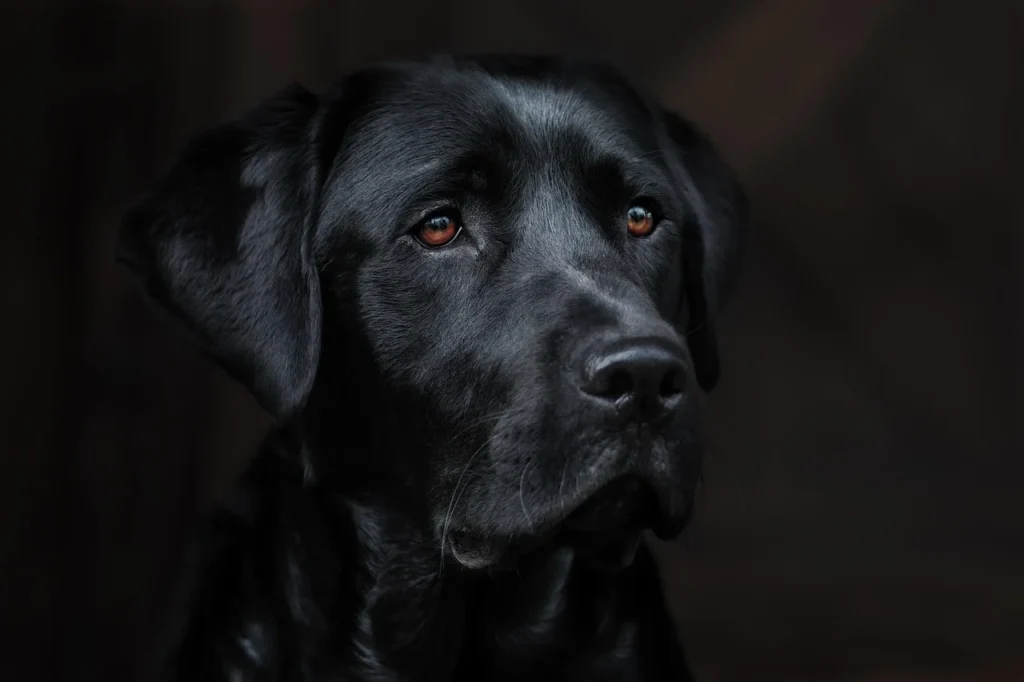
When a dog sighs, first consider what they were doing just before. Also, think about what their body language is telling you. Is their body relaxed? Are their eyes soft or closed? Or are they looking at you with a slight pout? These details are crucial for decoding the message of why does my dog sigh deeply.
The Sigh of Contentment and Relaxation
Perhaps the most common and reassuring reason for a deep dog sigh is pure contentment or relaxation. This often happens when your dog is settling down for a nap, lying comfortably beside you, or has just finished a pleasant activity like a walk or a meal. Their body will typically be loose, muscles relaxed, and their eyes might be half-closed or fully shut. Their breathing will be slow and even. This sigh is similar to a human ‘ahhh’ of satisfaction.
For example, if a dog curls up on their favorite bed after a long play session, then lets out a long, slow sigh before drifting off to sleep, this is almost certainly a sign that they are feeling completely at ease and happy. It is a clear indication that they feel safe, comfortable, and content in their environment. This is the sigh every pet owner loves to hear, as it confirms their dog is thriving.
Why Does My Dog Sigh Deeply When I Pet Him?
When your dog sighs deeply while you pet them, this behavior often answers “why does my dog sigh deeply?” and is a sign of profound satisfaction and comfort. This particular sigh is a strong indicator they enjoy the interaction immensely. Their body will likely lean into your touch, perhaps with a soft gaze or even closed eyes, signaling they are completely relaxed and absorbed in the moment.
This sigh often accompanies a softening of their facial features and a general loosening of their posture. It tells you that your touch is pleasurable and that they feel secure and loved. This would be interpreted as a wonderful affirmation of your bond, a canine ‘thank you’ for the affection you are sharing, which addresses why does my dog sigh deeply.
The Sigh of Mild Disappointment or Resignation
On the flip side, a sigh can also communicate a sense of mild disappointment or resignation. This might occur if your dog was hoping for something specific – like a walk, a treat, or extended playtime – and realizes it is not going to happen. The key difference here lies in the body language, which explains why does my dog sigh deeply in some situations. Instead of a relaxed posture, you might notice a slightly more rigid body. You might also see a head resting heavily, or eyes following you with a hopeful yet ultimately defeated expression.
For instance, if you pick up their lead, your dog gets excited. Then you put it back down without going out. They might let out a deep sigh as they flop back onto their bed. This is not typically a sign of distress or sadness. Rather, it is a mild expression of ‘oh well, maybe next time.’ It is their way of acknowledging why does my dog sigh deeply in this scenario. This type of sigh is usually not something to worry about. However, it is a good indicator of their desires.
Why Do Dogs Sigh Deeply While Sleeping?
Observing your dog sigh deeply while sleeping is a common phenomenon and usually a sign of very deep relaxation. When dogs are in a deep sleep, particularly during the REM (Rapid Eye Movement) stage, their bodies are completely at rest, and their breathing patterns can become more varied. Just like humans, dogs can sigh, twitch, or even ‘run’ in their sleep.
A sigh during sleep is a strong indicator that a dog is comfortable and feels secure enough to enter a profound state of rest. It is a healthy and normal part of their sleep cycle. It is not generally associated with dreams, although dreaming can certainly happen at the same time. The sigh itself is more about the physical state of relaxation rather than a narrative dream event. It is incredibly reassuring to see a dog sigh in their sleep; it means they are getting quality rest.
Understanding the ‘Heavy’ Sigh: When Is It More Than Just a Sigh?
The terms ‘heavy sigh’ or ‘sighs so deeply’ are often used interchangeably with a regular deep sigh. In most cases, they refer to the same phenomenon of contentment or mild disappointment. However, if other unusual symptoms accompany your dog’s ‘heavy’ sigh, it might warrant closer attention. The distinction in why does my dog sigh deeply is not in the sound itself. Instead, it is in the context.
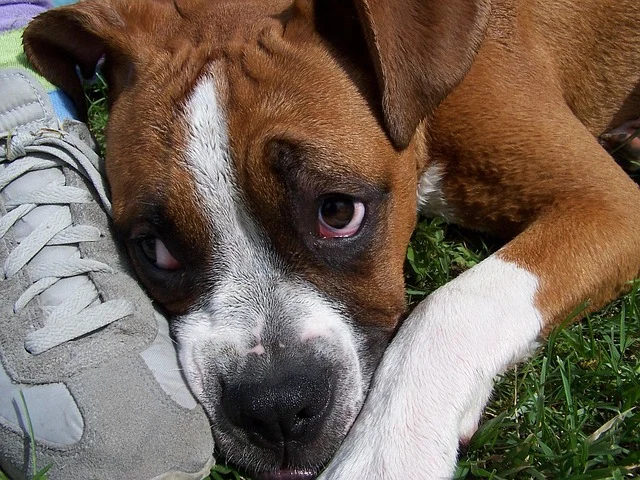
If the sigh is genuinely labored, sounds like a struggle, or is accompanied by other signs of discomfort such as restlessness, panting when not hot or exercising, coughing, wheezing, lethargy, loss of appetite, or any other changes in behaviour, then it would be considered potentially more than just a typical sigh. In such cases, a heavy sigh could be a symptom of an underlying health issue affecting their respiratory or cardiovascular system, or even pain, prompting the question of why does my dog sigh deeply.
When to Be Concerned About Your Dog’s Sighs
While most dog sighs are benign, there are specific situations where a deep or heavy sigh might be a cause for concern. We advise you to pay attention to the frequency, context, and accompanying symptoms. If your dog starts sighing much more frequently than usual, or if the sighs seem forced and difficult, investigating why does my dog sigh deeply is worth it.
- Changes in Breathing Patterns: If the sighing is combined with rapid breathing, shallow breaths, panting without exertion, or gasping, it could indicate respiratory distress.
- Lethargy or Weakness: If your dog seems unusually tired, reluctant to move, or generally unwell alongside frequent sighing, it is a red flag.
- Loss of Appetite or Vomiting: These are general signs of illness that, when paired with unusual sighing, suggest a visit to the vet is in order.
- Pain Indicators: If your dog is sighing and also showing signs of pain, such as limping, yelping when touched, reluctance to jump, or guarding a particular body part, a vet check-up is crucial.
- Restlessness or Anxiety: Sometimes, excessive sighing could be a sign of anxiety or stress if your dog is also pacing, trembling, or exhibiting destructive behaviors.
If you notice any of these accompanying symptoms, we strongly recommend consulting your veterinarian. It is always better to be safe and rule out any potential health issues, especially since dogs are very good at hiding discomfort until it becomes severe.
How to Interpret Your Dog’s Body Language with Sighs
Understanding a dog’s sigh is not a standalone task; it requires reading their entire body language. Dogs communicate through a complex interplay of posture, tail wags, ear position, facial expressions, and vocalizations. A sigh is just one piece of this puzzle.
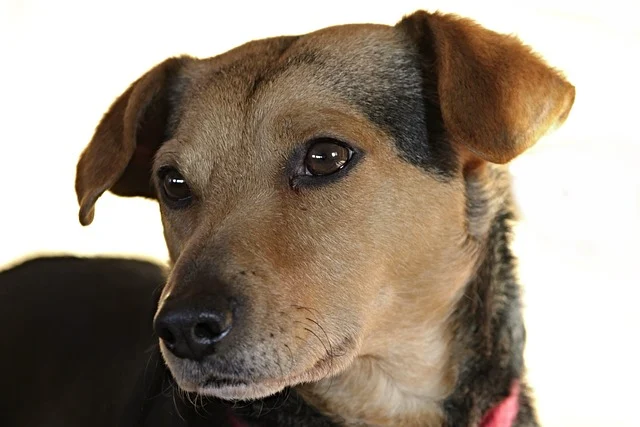
When you hear a sigh, consciously observe the following:
- Eyes: Are they soft, half-closed, or squinting (contentment)? Or are they wide, darting, or showing the whites (anxiety/disappointment)?
- Ears: Are they relaxed and in a natural position (contentment)? Or are they pinned back, stiff, or constantly moving (anxiety/alertness)?
- Mouth: Is it soft, slightly open with a relaxed tongue (contentment)? Or is it tightly closed, panting, or showing teeth (stress/discomfort)?
- Tail: Is it wagging loosely, tucked between the legs, or held stiffly? A relaxed wag often accompanies a happy sigh.
- Posture: Is their body loose and relaxed, perhaps stretched out? Or is it tense, hunched, or low to the ground?
- Overall Energy: Are they calm and still, or restless and agitated?
You can get a much clearer picture of what your dog is trying to tell you with their deep sigh. You do this by taking all these cues together. For instance, a sigh with a relaxed body, soft eyes, and a slowly wagging tail almost certainly means happiness. However, a sigh with a tense body, wide eyes, and a tucked tail might indicate unease.
Responding to Your Dog’s Sighs
Once you have a better understanding of why your dog might be sighing, you can respond in a way that strengthens your bond and addresses their needs. The key is to be observant and empathetic.
If It’s a Sigh of Contentment:
Reinforce the positive! If your dog sighs contentedly while you are petting them, continue the affection. If they sigh while relaxing, simply enjoy the moment and let them rest. You are doing a great job providing a safe and happy environment for them. There is no need to actively ‘do’ anything other than appreciate their comfort.
If It’s a Sigh of Disappointment:
Acknowledge it. You do not need to give in to every whim. However, a gentle pat or a comforting word can go a long way. For example, if they sigh because the walk is over, and you’re wondering why does my dog sigh deeply, you might say, ‘Good walk, buddy,’ and offer a final ear scratch. This shows you understand their feelings without necessarily changing the situation. Sometimes, a brief cuddle can help them transition from disappointment to acceptance.
If It’s a Sigh of Boredom or Attention-Seeking:
If you suspect your dog is sighing out of boredom or to get your attention, and their body language is not relaxed, it might be a good time to engage them. This could mean a short play session, a puzzle toy, or a brief training exercise. Dogs thrive on mental and physical stimulation, and a sigh could be their subtle way of asking for more engagement. However, be careful not to reward the sigh itself if it is clearly an attention-seeking behaviour; instead, initiate an activity a few moments after the sigh, or when they are calm, to teach them that calm behaviour earns rewards.
If You Have Concerns About Health:
As mentioned, if the sighing is accompanied by any worrying symptoms, you should contact your veterinarian promptly. Describe all the symptoms you have observed. Include the nature and frequency of the sighs. Early intervention can make a significant difference in treating any underlying conditions.
Ultimately, a dog’s deep sigh is a fascinating window into their inner world. By paying close attention to the context and their full range of body language, you can become a more attuned and responsive owner, deepening the unique bond you share.
Frequently asked questions
Is a deep sigh always a sign of sadness in dogs?
No, a deep sigh in dogs is rarely a sign of sadness. It most commonly indicates contentment, relaxation, or mild disappointment, depending on the surrounding circumstances and the dog’s body language.
Can dogs sigh to get attention?
Yes, dogs can learn to use a sigh as a subtle way to get your attention. This is especially true if you have previously rewarded them with interaction or play after sighing. Pay attention to their body language to differentiate between attention-seeking and other reasons.
How can I tell if my dog’s sigh is due to pain?
A sigh due to pain would likely be accompanied by other indicators. These include restlessness, limping, yelping when touched, reluctance to move, guarding a body part, or changes in appetite and energy. If you suspect pain, consult a veterinarian immediately.
Do all dogs sigh?
Most dogs will sigh at some point, as it is a natural respiratory and communicative behaviour. However, the frequency and audibility of sighs can vary greatly among individual dogs and breeds.