
Dogs can eat watermelon, but only in moderation and with careful preparation, ensuring you remove the rind and seeds first. This popular summer fruit offers a refreshing and hydrating treat for your canine companion. The red, fleshy part is packed with beneficial vitamins A, B6, C, potassium, magnesium, lycopene, and a small amount of dietary fiber, contributing positively to their overall well-being.
However, the rind and seeds are not safe and must be removed to prevent digestive issues or blockages. This guide details how to safely feed watermelon, its full nutritional benefits, why the rind and seeds are problematic, when puppies can eat it, and what other fruits dogs can safely enjoy or should avoid. It also outlines situations where watermelon may not be suitable for dogs.
Can Dogs Eat Watermelon? A Complete Guide to Safe Snacking
Yes, dogs can eat watermelon, but only in moderation and with careful preparation. This popular summer fruit can be a refreshing and hydrating treat for your canine companion, provided you remove the rind and seeds first.

You want to ensure your dog’s diet is safe and beneficial. While watermelon offers some great nutrients, it’s crucial to know how to serve it correctly to avoid potential health issues. Always prioritize safety when introducing new foods.
How to Safely Feed Your Dog Watermelon: Step-by-Step
Feeding watermelon to your dog requires a few simple but important steps to ensure it remains a safe and healthy treat.
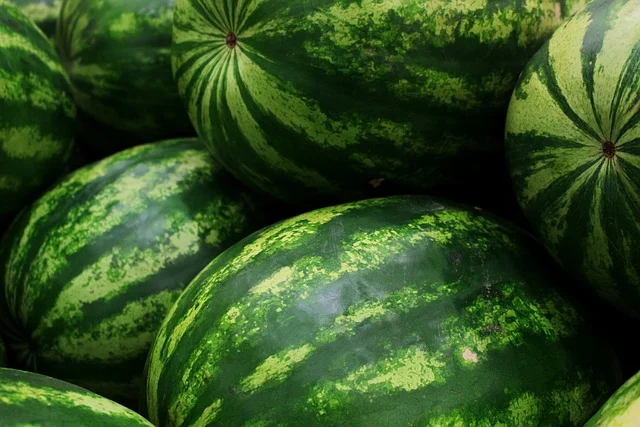
- Choose the Right Watermelon: Select a fresh, ripe watermelon. Avoid any fruit that appears bruised or overripe, as this can affect its quality and taste.
- Wash Thoroughly: Before cutting, wash the outside of the watermelon under cool running water. This removes any surface dirt or contaminants.
- Slice and Prepare: Cut the watermelon into manageable slices or wedges. This makes it easier to work with.
- Remove All Seeds: Carefully scoop out and discard all dark, mature seeds. Even the small, pale white seeds are best removed to eliminate any risk of digestive upset or blockage, especially for smaller dogs.
- Trim Away the Rind: Cut off all the green outer rind and the pale white-green part just inside the rind. These parts are difficult to digest and can cause problems. Only the red, fleshy part is safe.
- Cut into Small Pieces: Once deseeded and rind-free, cut the red flesh into small, bite-sized cubes or chunks appropriate for your dog’s size. Smaller pieces reduce choking hazards and aid digestion.
- Serve Plain and Fresh: Offer the watermelon plain. Never add sugar, artificial sweeteners (especially xylitol, which is highly toxic), or other flavorings.
- Consider Freezing: For a cooling treat, especially on warm days, you can freeze small pieces of deseeded, rind-free watermelon. This adds a fun texture and helps keep your dog hydrated.
Introduce watermelon gradually, starting with a very small amount, to see how your dog reacts. Not all dogs enjoy new foods, and some may have sensitivities.
What Are the Nutritional Benefits of Watermelon for Dogs?
Dogs can eat watermelon because it is primarily composed of water, making it a fantastic source of hydration, especially during warmer months. Beyond hydration, the red flesh of watermelon is packed with beneficial vitamins and antioxidants.
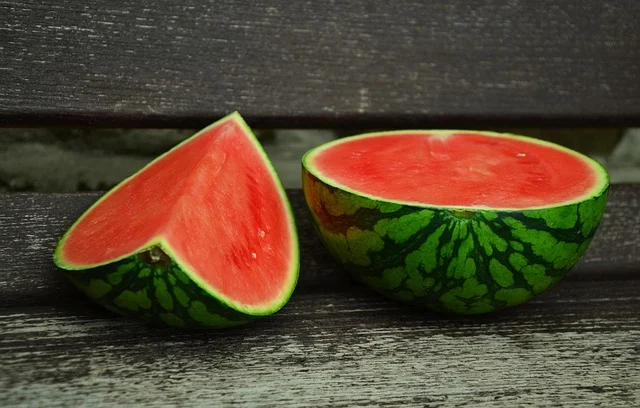
Specifically, watermelon contains:
- Vitamins A, B6, and C: These are important for immune function, nerve health, and skin vitality. Vitamin A supports vision and skin, B6 aids metabolism, and C is a powerful antioxidant.
- Potassium: An essential electrolyte that helps maintain proper nerve and muscle function and fluid balance.
- Magnesium: Important for muscle and nerve function, blood glucose control, and blood pressure regulation.
- Lycopene: The fruit’s vibrant red color comes from lycopene, a powerful antioxidant that helps support cellular health and may reduce the risk of certain diseases.
- Dietary Fiber: Watermelon provides a small amount of fiber, which can aid in healthy digestion when consumed in moderation.
These nutrients can contribute positively to your dog’s overall well-being when consumed as a small, occasional treat. Its high water content also makes it a low-calorie option compared to many processed dog treats.
Is Watermelon Rind Safe for Dogs to Eat?
No, watermelon rind is not safe for dogs to eat. While the red flesh is generally safe, the rind, which is the tough green outer layer, poses significant health risks. It is very difficult for dogs to digest and can lead to gastrointestinal upset, including vomiting, diarrhoea, and abdominal pain. Its fibrous texture can also cause intestinal blockages, particularly in smaller dogs or if consumed in large quantities. This is a serious condition that often requires veterinary intervention.
What About Watermelon Seeds?
Watermelon seeds, especially the dark, mature ones, are also problematic. If ingested in large quantities, they can accumulate in the intestines and cause an obstruction, which is a serious condition requiring veterinary attention. Even the small, white, immature seeds, while less risky, are best removed to be completely safe. Always take the time to prepare the fruit thoroughly, ensuring every piece offered is seed-free.
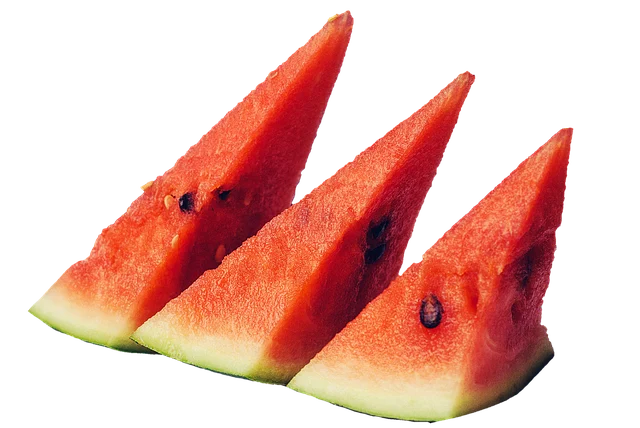
Dogs can only eat the sweet, red, fleshy part of the watermelon. This is the portion that contains all the beneficial nutrients and hydration without the risks associated with the rind or seeds. Always ensure that any piece you offer is entirely free of both the green skin and any black seeds.
When Can Puppies Eat Watermelon?
Generally, dogs can eat watermelon once they are past the early puppy stage and have developed a more solid digestive system, typically around 12 weeks of age or older. For puppies, their digestive systems are still developing and can be quite sensitive.

If you’re considering giving watermelon to a puppy, wait until they are at least six months old and introduce it in very small quantities. Always consult your vet first, especially if your puppy has any known digestive sensitivities. When introducing any new food, including watermelon, always start with a tiny piece to observe how your puppy reacts before offering more. Monitor for any signs of upset stomach, such as diarrhoea or vomiting.
Can Dogs Eat Watermelon Every Day?
No, dogs should not eat watermelon every day. While it’s a healthy treat, it should only be given in moderation and as an occasional addition to their regular, balanced diet. The primary reason for this is watermelon’s natural sugar content.

Despite being low in calories, consuming too much sugar, even natural fruit sugar, can lead to weight gain, dental problems, and potentially upset your dog’s digestive system, causing diarrhoea or stomach upset. Treat it as a special snack, not a daily staple. A good guideline is that treats, including fruit, should make up no more than 10% of your dog’s daily caloric intake.
Can Dogs Eat Watermelon Juice?
However, it’s generally better to offer the solid fruit. Juicing removes much of the beneficial fiber, concentrating the natural sugars. If you do offer juice, ensure it is a very small quantity and diluted with water to reduce the sugar concentration.
What Other Fruits Can Dogs Eat? (And Which to Avoid)
Many fruits are safe and healthy for dogs in moderation, prepared correctly. Always remove seeds, pits, and tough skins.
Safe Fruits for Dogs:
- Cantaloupe: Like watermelon, it’s hydrating and full of vitamins. Remove rind and seeds.
- Strawberries: Rich in antioxidants and Vitamin C. Wash and cut into small pieces, remove leafy tops.
- Blueberries: A superfood packed with antioxidants. Small and easy to serve.
- Bananas: High in potassium and vitamins. Offer in small, peeled slices due to high sugar content.
- Honeydew: Similar to watermelon and cantaloupe, offer deseeded and rind-free.
- Apples: Good source of fiber and vitamins. Always remove the core and seeds (apple seeds contain cyanide).
- Pineapple: Contains vitamins, minerals, and enzymes. Peel and core it, offering only the fleshy part in small pieces.

Fruits to Avoid or Be Cautious With:
- Grapes and Raisins: Highly toxic to dogs and can cause kidney failure. Never give these to your dog.
- Cherries: The pits contain cyanide and can be a choking hazard. The flesh is generally safe but difficult to prepare properly.
- Avocado: Contains persin, which can be toxic to dogs in large amounts. The pit is also a choking hazard.
- Citrus Fruits (Lemons, Limes, Grapefruits): While not strictly toxic, the acidity can upset a dog’s stomach. The peels and seeds contain essential oils that are harmful.
When offering a mix of safe fruits, remember that the total quantity should still be small to avoid overfeeding sugar. Always introduce new fruits one at a time to monitor for any adverse reactions. If your dog enjoys these fruits, they can be a lovely variety in their occasional treat repertoire.
When Watermelon May Not Be the Best Choice: Who Should Avoid It?
While watermelon is safe for most healthy dogs, certain conditions or situations make it unsuitable:
- Diabetic Dogs: Watermelon has natural sugars. Dogs with diabetes or those prone to blood sugar issues should avoid watermelon or consume it only under strict veterinary guidance.
- Dogs with Sensitive Stomachs: If your dog frequently experiences digestive upset, even a small amount of watermelon might trigger diarrhoea or vomiting. Introduce it very slowly or avoid it entirely.
- Dogs on Restricted Diets: If your vet has prescribed a specific diet for your dog due to allergies, kidney disease, or other health issues, always consult them before introducing new foods, including watermelon.
- Dogs Prone to Obesity: While low in calories, excessive treats, even healthy ones, can contribute to weight gain. Monitor portion sizes carefully.
Always observe your dog for any adverse reactions after introducing a new food. If you notice any concerning symptoms, contact your vet.
What to Do If Your Dog Eats Watermelon Rind or Seeds
If your dog accidentally eats a small amount of watermelon rind or a few seeds, it’s generally not an immediate cause for panic, but you should monitor them closely. Look for signs of digestive upset such as vomiting, diarrhoea, lethargy, or a lack of appetite. A small amount might pass without issue.
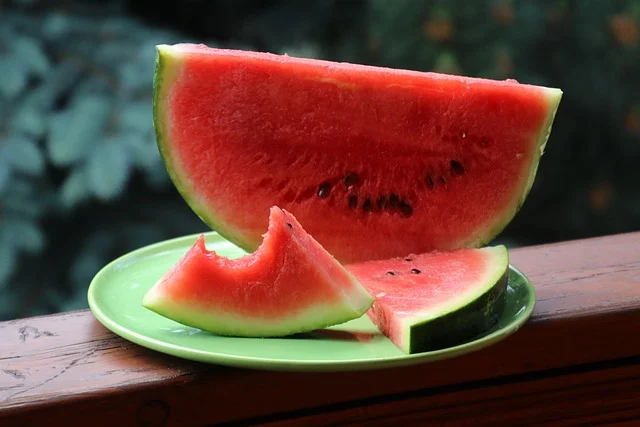
However, if your dog consumes a large quantity of rind or many seeds, or if they are a small breed, the risk of intestinal blockage is higher. In such cases, or if you notice any concerning symptoms like repeated vomiting, straining to defecate, severe abdominal pain, or extreme lethargy, contact your veterinary surgeon immediately. They can provide guidance and determine if an examination or emergency treatment is necessary.
Sources: Common raccoon dog, Can Dogs Eat Watermelon?
Frequently asked questions
Can all dogs eat watermelon?
Most healthy dogs can eat watermelon in moderation, but dogs with diabetes or specific dietary restrictions should avoid it due to its natural sugar content. Always consult your vet if your dog has underlying health conditions or if you are unsure.
How much watermelon can I give my dog?
The amount depends on your dog’s size and overall diet. For small dogs (under 20 lbs), a few small cubes (1-2 tablespoons total) are enough. Medium dogs (20-50 lbs) can have a small handful (1/4 cup). Larger dogs (over 50 lbs) can have a larger handful (1/2 cup). Remember, treats should never exceed 10% of their daily caloric intake.
Can dogs have frozen watermelon?
Yes, dogs can have frozen watermelon. It can be a refreshing and cooling treat, especially on hot days. Just ensure it’s deseeded, rind-free, and cut into small pieces to prevent choking. Avoid large frozen chunks that could be a dental hazard.
Is seedless watermelon safer for dogs?
Seedless watermelon is generally safer because it significantly reduces the risk of seed-related intestinal blockages. However, we still recommend checking for any stray, underdeveloped white seeds, and always remove the rind completely before serving.
Are any fruits toxic to dogs?
Yes, several fruits are toxic or harmful to dogs. Grapes and raisins are highly toxic and can cause kidney failure. Cherry pits and apple seeds contain cyanide. Avocado contains persin, which can be harmful in large amounts. Always research a fruit before offering it to your dog, and remove all seeds, pits, and tough rinds.