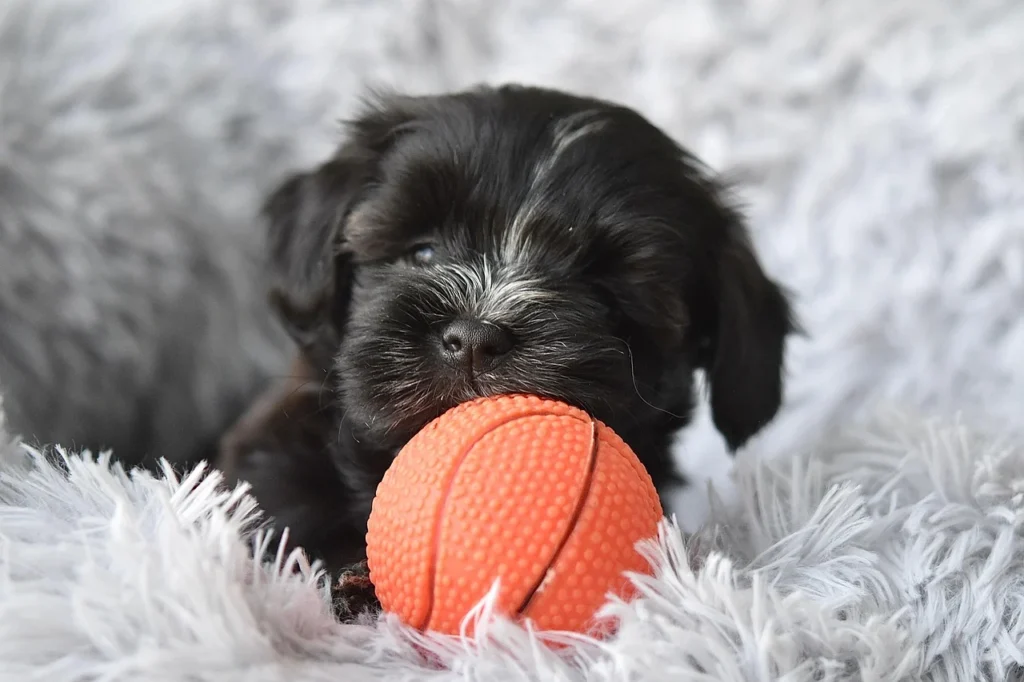
The Cavapoo is a charming and increasingly popular crossbreed. It combines the gentle, affectionate nature of the Cavalier King Charles Spaniel with the intelligence and often low-shedding coat of the Poodle. This delightful mix results in a friendly, adaptable companion. People know it for its endearing personality and suitability for a wide range of families.
If you’re considering a Cavapoo, understand their unique blend of traits, care requirements, and what to expect throughout their life. This is crucial. This guide will cover everything from their size and temperament to their dietary needs and what to consider when looking for a puppy.
What Exactly is a Cavapoo?
A Cavapoo is a hybrid dog. Specifically, it is a cross between a Cavalier King Charles Spaniel and a Poodle. While often referred to as a ‘designer dog’, this simply means the breeding is intentional. Breeders aim to combine desirable traits from both parent breeds. The Poodle parent is typically a Miniature or Toy Poodle. This influences the Cavapoo’s eventual size.
Breeders often aim to produce a dog with the Cavalier’s sweet disposition and the Poodle’s intelligence and hypoallergenic qualities. Remember that as a crossbreed, more variation in appearance and temperament can occur compared to a purebred dog. Traits inherited from either parent can differ.
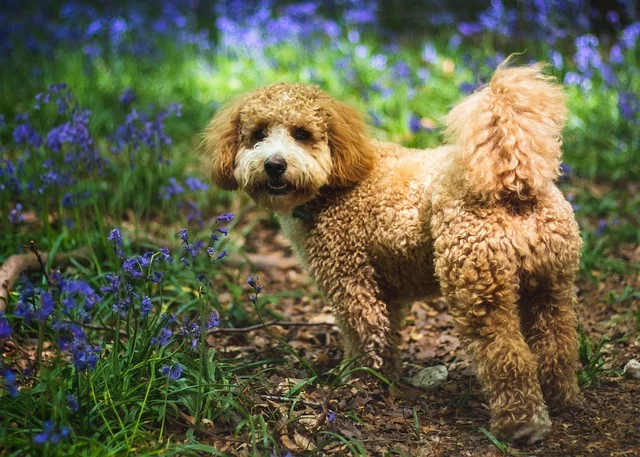
When you look at Cavapoos, you might hear terms like F1 or F1b. An F1 Cavapoo is a first-generation cross. This means one parent is a purebred Cavalier and the other is a purebred Poodle. An F1b Cavapoo is a backcross. Here, an F1 Cavapoo is bred back to a purebred Poodle (or sometimes a Cavalier). Breeders often do this to enhance certain traits. For example, they increase the likelihood of a low-shedding coat by breeding back to a Poodle.
How Big Do Cavapoos Get? Understanding Their Size and Growth
The size of a Cavapoo largely depends on the size of the Poodle parent involved in the cross, as Cavalier King Charles Spaniels have a fairly consistent size. Most Cavapoos are bred using Miniature or Toy Poodles, resulting in a small to medium-sized dog.
Typically, a fully grown Cavapoo stands between 25 to 35 cm (10 to 14 inches) tall at the shoulder. It weighs between 4.5 to 11 kg (10 to 25 pounds). If breeders used a Toy Poodle, the Cavapoo will generally be at the smaller end of this range. A Miniature Poodle parent will usually result in a larger Cavapoo.
When Do Cavapoos Stop Growing?
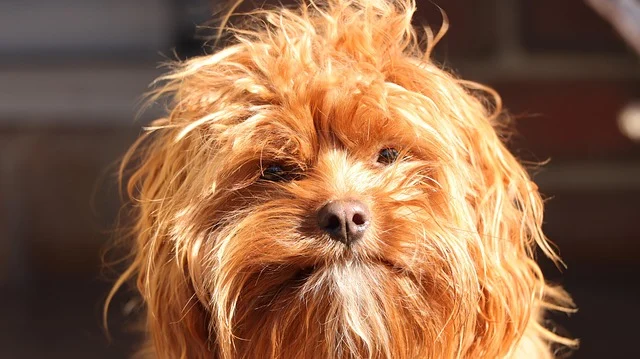
Most Cavapoos will reach their full adult height and weight between 10 to 12 months of age. Smaller Cavapoos, particularly those from Toy Poodle lines, might finish growing a little earlier, around 8 to 10 months. Larger Cavapoos may continue to fill out slightly and gain muscle mass until they are about 18 months old, but their skeletal growth is generally complete by their first birthday.
You can usually get a good estimate of their adult size by looking at the parents, if possible. Responsible breeders should be able to provide information on the size of both the Cavalier and Poodle parents, which gives you the best indication of what to expect.
The Cavapoo Temperament: Why They Are So Loved (and Some Challenges)
Cavapoos are renowned for their wonderful temperament. They inherit many of the best qualities from their parent breeds. This is a significant reason why people consider them such excellent family pets. However, like any dog, they also come with potential challenges that prospective owners should be aware of.
Why Cavapoos Are Often Considered the Best
- Affectionate and Loving: Cavapoos thrive on human companionship and are incredibly devoted to their families. They love to cuddle and be involved in family activities, often forming strong bonds with all household members.
- Good with Children and Other Pets: Their gentle and patient nature makes them generally excellent companions for children. You must teach children how to interact respectfully with a dog. They also tend to get along well with other pets.
- Intelligent and Trainable: Inheriting intelligence from the Poodle, Cavapoos are typically quick learners and eager to please. This makes them relatively easy to train, responding well to positive reinforcement methods.
- Adaptable: They can adapt to various living situations, including apartments, as long as their exercise and socialisation needs are met.
- Relatively Low Shedding:
Potential Challenges to Consider
- Separation Anxiety: Due to their strong desire for companionship, Cavapoos can be prone to separation anxiety if left alone for extended periods. This can manifest as barking, destructive chewing, or house-soiling. We advise ensuring someone is usually home or planning for dog walkers/day care if you work long hours.
- Grooming Demands: While low-shedding, their curly or wavy coats require regular grooming to prevent matting. This isn’t a ‘wash and go’ dog.
- Energy Levels: They are not couch potatoes. Cavapoos need daily exercise and mental stimulation to prevent boredom and destructive behaviours.
- Socialisation is Key: Like all breeds, early and consistent socialisation is vital to ensure they grow into well-adjusted, confident adults. Without it, they can become shy or fearful.
Caring for Your Cavapoo: Grooming, Exercise, and Training
To ensure your Cavapoo lives a happy and healthy life, a consistent routine of grooming, exercise, and training is essential. Their specific needs are a blend of their parent breeds, so understanding these aspects will help you prepare.
Grooming Your Cavapoo
The Cavapoo’s coat can vary from wavy to curly, and it’s prone to matting if not maintained properly. We recommend daily brushing to prevent tangles and remove loose hair, especially around the ears, legs, and tail. Professional grooming every 6–8 weeks is usually necessary for a trim, bath, and ear cleaning. This regular care is crucial to prevent skin issues and keep their coat healthy.
Beyond coat care, you’ll need to trim their nails every 3–4 weeks. This prevents them from becoming too long and causing discomfort. Dental hygiene is also important. Daily tooth brushing or dental chews can help prevent plaque and tartar build-up. Additionally, check their ears weekly for redness or odor and clean them gently if needed. Their floppy ears can be prone to infections.
Exercise Needs
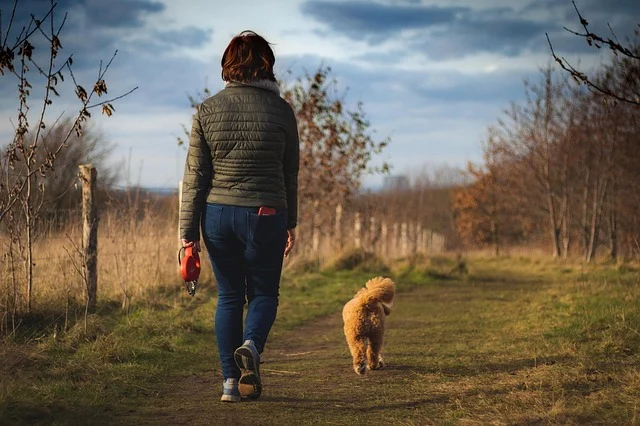
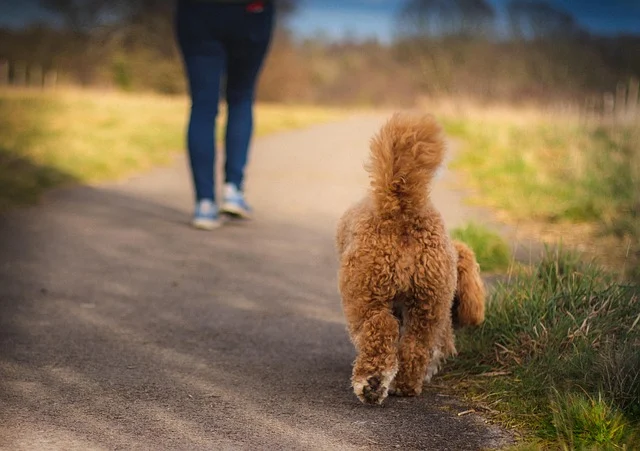
Cavapoos are active little dogs that need moderate daily exercise to stay healthy and happy. A good routine includes two walks a day. Each walk lasts around 20–30 minutes. You should also include some playtime in a secure garden or indoors. They enjoy activities like fetch, puzzle toys, and short runs. While they love outdoor adventures, they are not built for extreme endurance activities.
Mental stimulation is just as important as physical exercise. Engage their intelligent minds with training sessions, interactive toys, or even dog sports like agility or obedience if you’re feeling ambitious. Boredom can lead to unwanted behaviours, so keeping them engaged is key.
Training and Socialisation
Thanks to their Poodle lineage, Cavapoos are generally intelligent and eager to please, making them highly trainable. Positive reinforcement methods, using treats and praise, work best. Early puppy classes are an excellent way to socialise your Cavapoo with other dogs and people, and they provide a foundation for basic obedience commands.
Early socialisation, starting as soon as your puppy has had their vaccinations, is critical. Expose them to a variety of sights, sounds, people, and other friendly dogs in a positive way. This helps them grow into well-adjusted, confident adults and reduces the likelihood of fear-based behaviours later on.
What Can Cavapoos Eat? Dietary Considerations
Feeding your Cavapoo a balanced and appropriate diet is fundamental for their health and longevity. High-quality commercial dog food, appropriate for their age, size, and activity level, is usually the best choice.
Look for dog foods that list a named meat source (like chicken, lamb, or beef) as the first ingredient. Avoid foods with excessive fillers, artificial colours, or preservatives. Puppy Cavapoos require specific puppy formulations, which are higher in calories and nutrients to support their rapid growth.
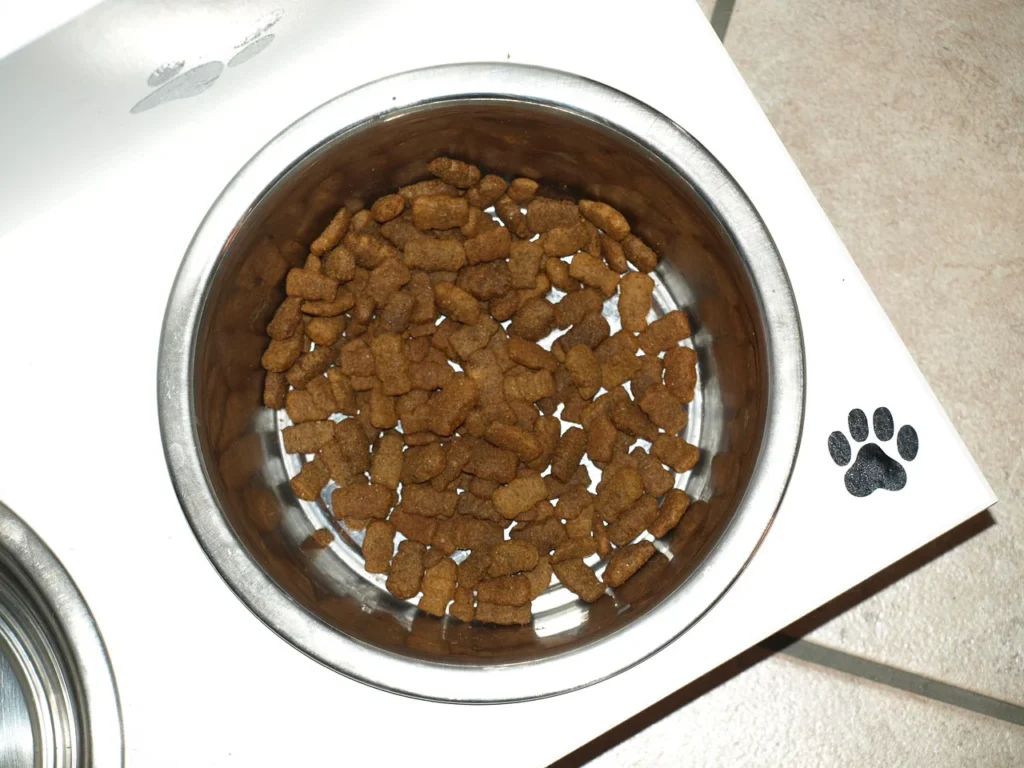
Portion control is important to prevent obesity, which can lead to various health problems. Follow the feeding guidelines on the dog food packaging, but adjust as needed based on your dog’s individual metabolism and activity level. We always recommend consulting your vet for specific dietary advice, especially if your Cavapoo has any allergies or sensitivities.
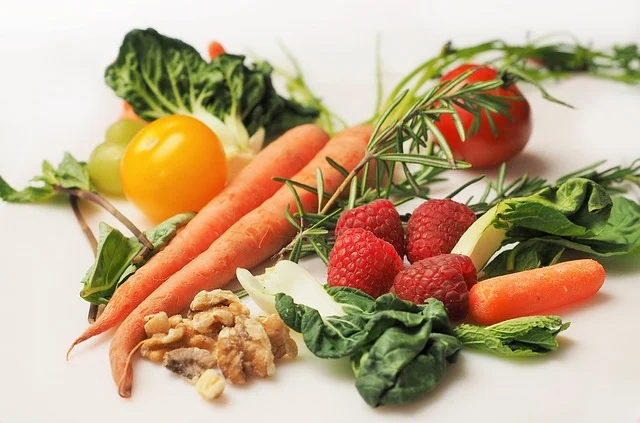
As for human foods, many are safe in moderation, but some are toxic. Safe options include cooked lean meats, certain fruits (like apples without seeds, blueberries), and vegetables (like carrots, green beans). Never feed your Cavapoo chocolate, grapes, raisins, onions, garlic, or avocado, as these are highly toxic.
Understanding Cavapoo Health and Lifespan
Cavapoos generally have a good lifespan, typically ranging from 10 to 15 years. As a crossbreed, they can sometimes benefit from ‘hybrid vigor’, meaning they might be less prone to certain genetic conditions than their purebred parents. However, they can still inherit health issues common to both Cavalier King Charles Spaniels and Poodles.
Common health concerns to be aware of include:
- Mitral Valve Disease (MVD): A heart condition prevalent in Cavaliers.
- Syringomyelic (SM): Another condition common in Cavaliers, affecting the brain and spinal cord.
- Patellar Luxation: A condition where the kneecap slips out of place, seen in both parent breeds.
- Progressive Retinal Atrophy (PRA): An eye disease that can lead to blindness, more common in Poodles.
- Hip Dysplasia: A malformation of the hip joint.
- Ear Infections: Their floppy ears can trap moisture and debris, making them susceptible.
Responsible breeders will screen their parent dogs for these genetic conditions to minimize the risk of passing them on to puppies. We strongly advise asking to see health clearances for both parents before committing to a puppy. Regular veterinary check-ups are also crucial for early detection and management of any health issues.
What to Expect When Your Cavapoo Gets Older
As your Cavapoo ages, their needs will gradually change, much like humans. You might notice them slowing down, becoming less energetic, and sleeping more. Their senses, such as sight and hearing, may also decline.
Adjustments to their routine can help them stay comfortable. Consider shorter, more frequent walks, and ensure they have a comfortable, easily accessible sleeping area. Senior dog food formulations can provide the right balance of nutrients for their changing metabolism. Regular vet check-ups become even more important to monitor for age-related conditions like arthritis, dental disease, or organ function issues. Early intervention can significantly improve their quality of life in their golden years.
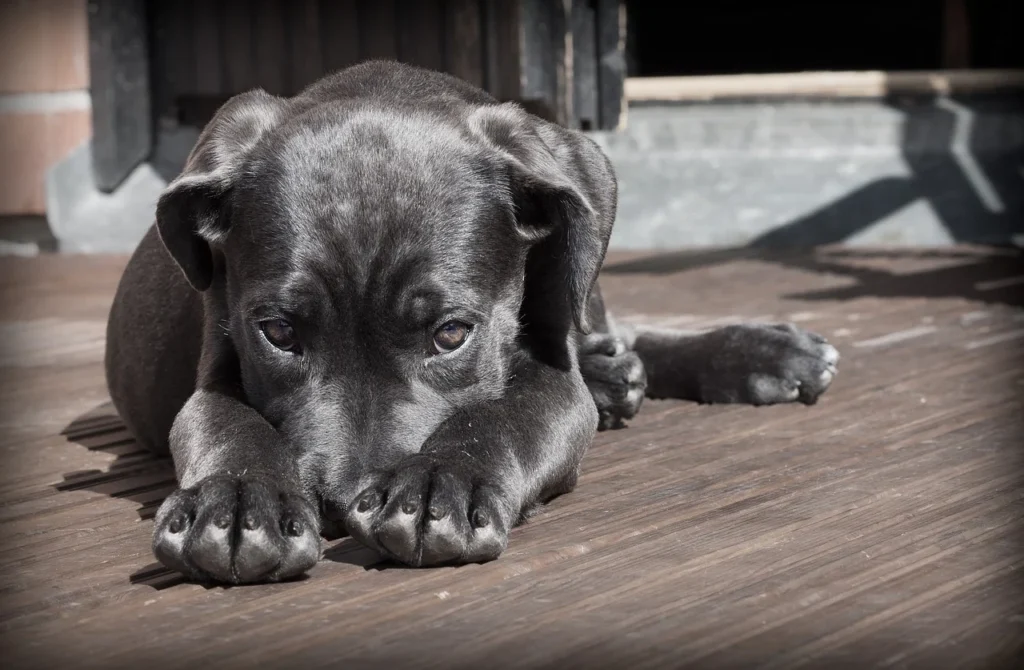
Finding a Cavapoo Puppy: What You Need to Know
If you’ve decided a Cavapoo is the right dog for you, find a healthy, well-socialized puppy from a responsible breeder. This is paramount. The search for ‘Cavapoo puppies near me’ or ‘Cavapoos for sale’ can be overwhelming, so you must know what to look for.
Responsible Breeders vs. Puppy Mills
A responsible breeder will:
- Allow you to visit their premises to see the puppies with their mother in a clean, stimulating environment.
- Be open about the health history of both parent dogs and provide health clearances for genetic conditions common to Cavaliers and Poodles.
- Be knowledgeable about the breed and ask you questions to ensure you can provide a good home.
- Provide a contract and health guarantee.
- Not allow puppies to leave their mother before 8 weeks of age.
- Only breed a limited number of litters and focus on the health and temperament of their dogs.
Avoid breeders who won’t let you see the mother, offer to meet you in a neutral location, or have multiple different breeds for sale. These are red flags that could indicate a puppy farm or irresponsible breeding practices.
How Much Do Cavapoos Cost?
The price of a Cavapoo puppy in the UK can vary significantly. It typically ranges from £1,500 to £3,000. Factors such as the breeder’s reputation, the puppy’s lineage, health testing of the parents, and geographical location influence this price. While it might seem like a high initial cost, this often reflects the responsible breeder’s investment in health testing, quality care, and early socialisation for the puppies.
Remember that the purchase price is just the beginning. You’ll also need to budget for food, grooming, veterinary care (vaccinations, worming, insurance), training, and supplies (bed, toys, lead, collar). Over a Cavapoo’s lifespan, the total cost of ownership can be substantial.
Cavapoochon: A Close Relative
You might also come across the term ‘Cavapoochon’. This is a triple crossbreed. It combines a Cavalier King Charles Spaniel, a Poodle, and a Bichon Frise. Breeders create them for similar reasons as the Cavapoo. The addition of the Bichon Frise often further enhances hypoallergenic qualities. It also contributes to a perpetually puppy-like appearance. Their care needs and temperament are very similar to Cavapoos. However, they may have a slightly different coat texture and potentially a smaller size due to the Bichon influence.
Sources: Cavapoo
Frequently asked questions
Are Cavapoos good for first-time dog owners?
Yes, Cavapoos are often considered excellent for first-time dog owners due to their intelligent, eager-to-please nature and their relatively easy trainability. Their affectionate disposition also makes them rewarding companions for those new to dog ownership.
Do Cavapoos bark a lot?
Cavapoos are not typically excessive barkers. However, like any dog, they can bark due to boredom, loneliness, or when alerting you to visitors. You can help manage barking with consistent training. Ensure their exercise and social needs are met.
How much exercise does a Cavapoo need daily?
A Cavapoo generally needs about 30–60 minutes of moderate exercise daily. You can split this into two walks, along with playtime and mental stimulation. This helps keep them physically fit and mentally engaged.