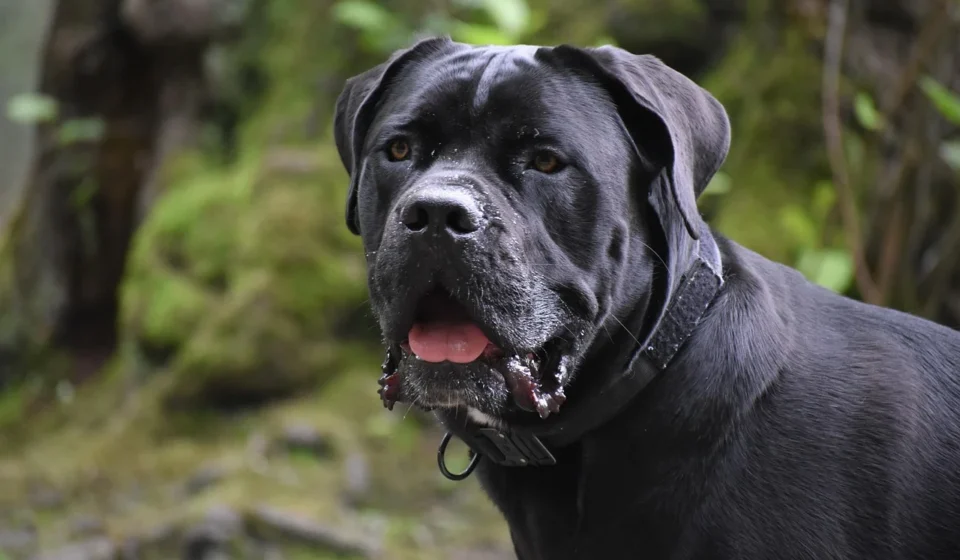
The Cane Corso is a formidable and intelligent Italian Mastiff known for its protective nature and unwavering loyalty to its family. Owning one is a significant commitment, requiring extensive training, early and consistent socialisation, and a deep understanding of their unique needs to ensure they grow into well-adjusted companions.
While their imposing presence might suggest they are difficult, a well-raised Cane Corso can be an affectionate and devoted member of the family. However, they are certainly not a breed for everyone. It is crucial to understand their background and requirements fully before considering one for a home.
What the Cane Corso Was Bred For
The Cane Corso’s history is deeply rooted in ancient Roman times, where their ancestors, known as ‘Canis Pugnax’ or Roman war dogs, were used in battle. Over centuries, they evolved into versatile farm dogs in rural Italy, specifically in Puglia. Their primary role was to guard property, livestock, and people, as well as to hunt large game such as wild boar. This heritage means they possess a strong protective instinct and a natural drive to work alongside humans.

They were bred for strength, agility, and intelligence. This made them capable of performing demanding tasks. This working background is key to understanding their temperament today; they are not content to be mere couch potatoes. They need a purpose. This could be advanced obedience training, dog sports, or simply being a vigilant guardian of their home. If their natural instincts are not channeled constructively, they can become bored, destructive, or even develop undesirable behaviours.
Cane Corso Temperament: Loyalty, Protection, and Intelligence
A well-bred and properly socialised Cane Corso has a stable temperament. It combines courage with a calm and confident demeanour. They are intensely loyal to their family. They often form strong bonds and seek to be close to their human companions. This loyalty extends to a natural protective instinct, making them excellent guard dogs.

They are typically reserved and watchful with strangers, not immediately friendly. They will assess a situation before reacting. This is a desirable trait in a guardian breed. However, without proper socialisation from a young age, their natural wariness can escalate into suspicion or fear, leading to aggression. Early and ongoing exposure to various people, places, sounds, and other animals is non-negotiable for this breed.
Cane Corsos are highly intelligent and eager to please their owners, which makes them trainable. However, they also possess a strong will and can be independent thinkers. They require a confident, consistent, and experienced owner who can establish clear boundaries and provide firm, fair leadership. If you are new to dog ownership or lack experience with powerful breeds, a Cane Corso might not be the best fit for your first dog.
Caring for Cane Corso Puppies
Bringing home a Cane Corso puppy is an exciting time. It also marks the beginning of a critical developmental period. These puppies grow rapidly. Their bone structure needs careful management. You should avoid over-exercising a young Cane Corso puppy. This can lead to joint problems later in life. Stick to short, controlled play sessions. Avoid strenuous activities like long runs or jumping until their growth plates have closed.

Socialisation should begin as soon as your puppy has received their initial vaccinations. Expose them gently to new sights, sounds, smells, people, and friendly, vaccinated dogs. Puppy classes are an excellent way to start this process in a controlled environment. Consistent positive reinforcement training is also essential from day one to build a strong foundation for obedience and good manners. This is when they learn bite inhibition and basic commands, which are vital for a large, powerful dog.
When Do Cane Corsos Stop Growing?
Cane Corsos are a large breed, and their growth period is extended compared to smaller dogs. Generally, they reach their full height and most of their weight by 18 to 24 months of age. However, while their skeletal growth largely finishes, they can continue to fill out and add muscle mass until they are about 3 years old. This means that a two-year-old Cane Corso might still look a bit lanky compared to a fully mature adult. Owners should continue to monitor their diet and exercise to support this ongoing development.

What Do Cane Corsos Eat?
Feeding a Cane Corso correctly is crucial for their health and development. This is especially true during their intense growth phase. They require a high-quality diet formulated for large breeds. This typically contains a balanced ratio of protein, fats, and carbohydrates, along with essential vitamins and minerals. Look for dog food that lists a high-quality animal protein as the primary ingredient.
Portion control is vital. It prevents obesity, which can put undue stress on their joints. Follow the feeding guidelines provided by the dog food manufacturer. Adjust as necessary based on your dog’s activity level, age, and metabolism. Dividing their daily food into two or three meals can help prevent bloat. Bloat is a serious and life-threatening condition common in deep-chested breeds. Always ensure fresh water is available.
Cane Corso Health and Lifespan
The average lifespan of a Cane Corso is typically between 9 and 12 years. Like all breeds, they are prone to certain health conditions. Some of the most common concerns include:

- Hip and Elbow Dysplasia: These are genetic conditions affecting the joints. Reputable breeders will screen their breeding stock for these issues.
- Bloat (Gastric Dilatation-Volvulus or GDV): As mentioned, this is a life-threatening condition where the stomach twists. Eating too quickly, eating one large meal, or exercising too soon after eating can increase the risk.
- Eyelid Abnormalities: Conditions like ectropion (eyelid rolling inward) and ectropion (eyelid rolling outward) can occur.
- Demodectic Mange: A skin condition caused by mites, often linked to a compromised immune system in puppies.
- Heart Conditions: Dilated cardiomyopathy (DCM) can occur in the breed.
Regular veterinary check-ups, a balanced diet, and appropriate exercise are key to maintaining their health throughout their lives. Being aware of these potential issues allows you to be proactive in their care.
Understanding Cane Corso Colours and Appearance
The Cane Corso is a powerfully built dog with a muscular and athletic frame. They have a short, dense coat that comes in several recognised colours:
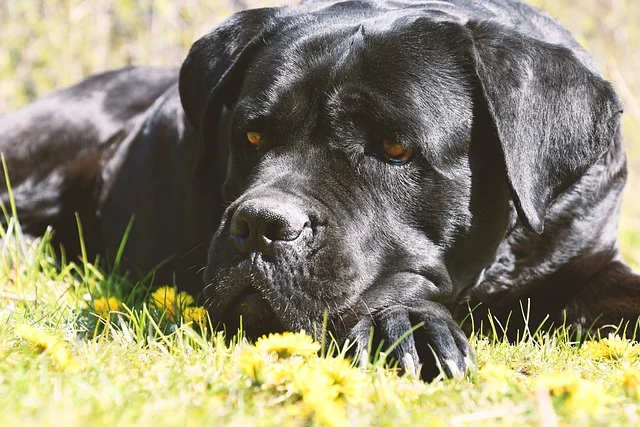
- Black: A solid, deep black.
- Grey: Ranging from light grey (grigio Chiara) to dark grey (grigio piombo).
- Fawn (Fulvo): A light tan to reddish-brown.
- Red: A richer, darker shade of fawn.
- Brindle: Stripes of black or grey over a fawn or red base coat.
They can also have small white markings on the chest, throat, chin, and toes. The mask on their face can be black or grey, and should not extend beyond the eye line. Their expressive eyes are usually dark, though lighter eyes can occur with grey or fawn coats.
Why Cane Corso Ear Cropping is a Concern in the UK
Historically, Cane Corsos often had their ears cropped, like many working breeds. People believed this practice reduced the risk of injury during work or fights. It also enhanced their intimidating appearance. However, ear cropping is a surgical procedure that involves removing part of the dog’s external ear flap. Today, people largely consider it a cosmetic procedure.
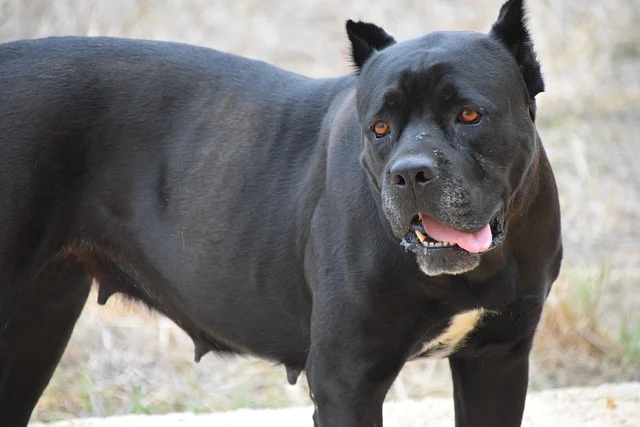
In the UK, the Animal Welfare Act 2006 makes ear cropping illegal. This is true except in very specific circumstances where a veterinary surgeon deems it medically necessary. This means a vet cannot perform the procedure. Owners also cannot import dogs with cropped ears unless their country of origin cropped them legally before importation. We strongly advocate against this practice. It causes unnecessary pain and discomfort to the dog for purely aesthetic reasons. Prospective owners must be aware of the legal and ethical implications.
Why the Cane Corso is Not for Everyone
While the Cane Corso’s loyalty and protective nature are admirable, they are not a suitable breed for every household. Here’s why:

- Experience Required: As mentioned, their intelligence and strong will demand an experienced owner. This owner understands dog behaviour and can provide consistent, firm leadership. First-time dog owners or those not prepared for extensive training may struggle.
- Socialisation is Critical: Without thorough and ongoing socialisation, their natural protective instincts can become problematic. They need to learn how to distinguish between a genuine threat and an everyday occurrence.
- Exercise Needs: Despite their size, they are athletic and require regular physical and mental exercise to stay healthy and happy. A simple walk around the block is often not enough.
- Space Requirements: While they can adapt to living indoors, a Cane Corso thrives with access to a securely fenced garden where they can expend energy.
- Potential for Strength: They are powerful dogs. An untrained Cane Corso can easily pull an unprepared adult off their feet, making early lead training essential.
- Time Commitment: They are people-oriented dogs who thrive on companionship. Leaving them alone for long periods can lead to anxiety and destructive behaviours.
We advise anyone considering a Cane Corso to honestly assess their lifestyle, experience, and commitment levels. It’s a significant investment of time, effort, and resources, but for the right owner, they can be an incredibly rewarding companion.
Sources: Cane Corso
Frequently asked questions
How much does a Cane Corso cost?
The cost of a Cane Corso puppy in the UK can vary significantly. This depends on the breeder’s reputation, the puppy’s lineage, and location. We cannot provide exact figures. Prices are not stable. Generally, expect a substantial investment for a well-bred puppy from a health-tested litter.
Are Cane Corsos banned in the UK?
No, the Cane Corso is not currently a banned breed in the UK under the Dangerous Dogs Act 1991. However, responsible ownership and adherence to all dog control laws are essential for all breeds, especially powerful ones.
What is the Cane Corso bite force?
The Cane Corso possesses an exceptionally strong bite force. We attribute this to their powerful jaws and musculature. While specific scientific measurements vary and are difficult to compare across studies, people widely recognise it as one of the strongest among dog breeds. This highlights the importance of proper training and socialisation to ensure you control them well.
Are Cane Corsos good with children and other pets?
When you properly socialise Cane Corsos from a young age and raise them with respect, they can be very good with children in their own family. They often act protectively. However, due to their size and strength, you should always supervise interactions. Introducing them to other pets, especially cats or smaller dogs, requires careful and gradual management. This is ideal from puppyhood, as their prey drive can be strong.