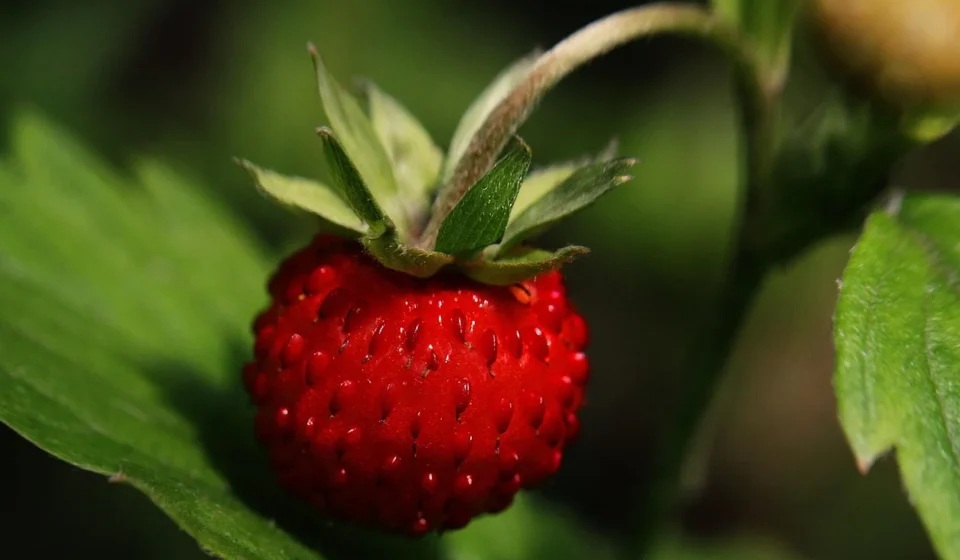
Dogs can safely eat strawberries in moderation. These vibrant red berries offer beneficial nutrients, including antioxidants, vitamin C, and fibre, which support overall well-being and digestion. Their high water content also makes them a hydrating, low-calorie treat. However, strawberries contain natural sugars, so moderation is crucial to prevent digestive upset or other health concerns.
To ensure safe consumption, always wash strawberries thoroughly, remove stems and leaves, and cut them into small, bite-sized pieces. Introduce them gradually and serve them plain, without added sugars or toppings. This guide details how to prepare strawberries, their nutritional benefits, potential risks, and safe feeding practices for puppies.
Can Dogs Eat Strawberries Safely?
Yes, dogs can eat strawberries safely. In moderation, these vibrant red berries can be a healthy and enjoyable treat for your canine companion. Strawberries are packed with beneficial nutrients that can contribute to your dog’s overall well-being. It is important to understand how to prepare and offer them correctly to avoid any potential issues.
As with any human food, moderation is key. While strawberries offer advantages, they also contain natural sugars. Excessive consumption can lead to digestive upset or contribute to other health concerns over time. Always introduce new foods slowly and observe your dog for any adverse reactions.

Why Strawberries Are Generally Safe for Dogs
Strawberries are not only delicious but also contain several compounds that can be good for your dog’s health when consumed in appropriate amounts. They are rich in antioxidants, which help combat oxidative stress and support cellular health. These berries also provide a good source of vitamin C, an important antioxidant that supports the immune system. They also provide fibre, which aids in healthy digestion.
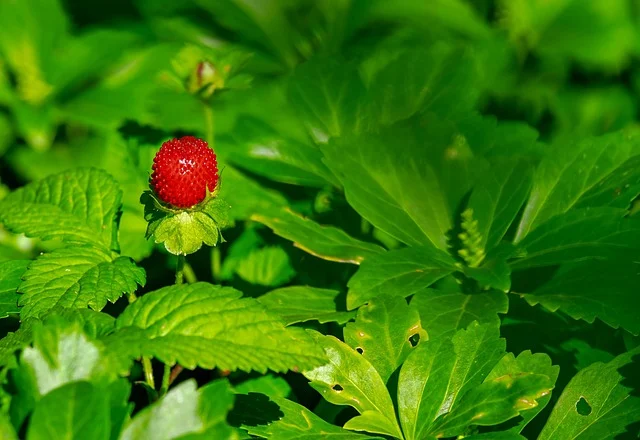
Additionally, strawberries contain an enzyme that can help whiten teeth, though this benefit is minor and should not replace regular dental care. Their high water content also makes them a hydrating snack, particularly appealing on a warm day. For dogs that need to manage their weight, strawberries can be a low-calorie alternative to many commercial treats, provided they are given sparingly.
How to Safely Feed Strawberries to Your Dog
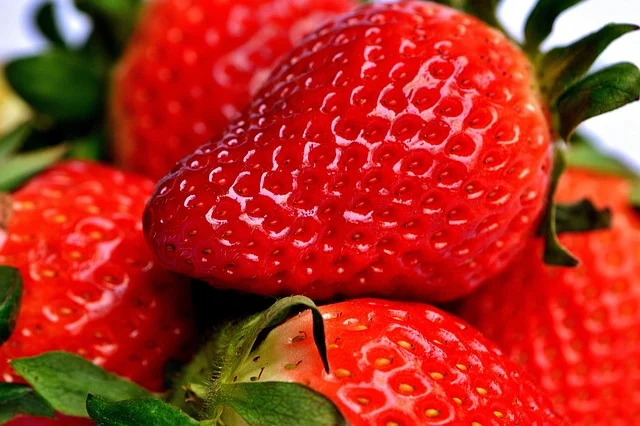
To ensure your dog enjoys strawberries safely, proper preparation is essential. Follow these steps to offer this treat responsibly:
-
- Wash Thoroughly: Always wash strawberries under cool, running water to remove any dirt, pesticides, or other residues from the surface. Even organic strawberries should be washed.
- Remove Stems and Leaves: The green leafy tops and stems of strawberries are not toxic, but they can be difficult for dogs to digest and may pose a choking hazard, especially for smaller breeds. Always remove them before serving.
- Cut into Small Pieces: Whole strawberries, particularly larger ones, can be a choking hazard for dogs of all sizes. Cut the berries into small, bite-sized pieces appropriate for your dog’s size. For very small dogs or puppies, mash the strawberries into a purée.
- Serve Plain: Offer strawberries plain, without any added sugar, cream, chocolate, or other toppings. Many human additions can be harmful or unhealthy for dogs.
- Introduce Gradually: If your dog has never had strawberries before, start with a very small piece to see how they react. Monitor for any signs of digestive upset, such as diarrhoea or vomiting.
- Portion Control: Treat strawberries as an occasional snack, not a meal replacement. For most medium-sized dogs, a few small strawberry pieces a day are ample.
When Can Puppies Eat Strawberries?
Puppies can generally eat strawberries, but it is important to introduce them with extra caution due to their developing digestive systems. We advise waiting until your puppy is at least 8–12 weeks old before offering any new human foods, including strawberries. Start with a tiny, mashed amount to ensure it doesn’t cause any digestive upset.
Because puppies are more prone to choking, mashing the strawberries or cutting them into extremely small pieces is crucial. Always supervise your puppy closely when they are trying a new food. If you have any concerns about introducing new foods to your puppy, consult your veterinarian for specific guidance tailored to your puppy’s breed and health status.

Are There Any Risks or Reasons Why Dogs Can’t Eat Strawberries?
While generally safe, there are a few considerations and potential risks when feeding strawberries to dogs:
-
-
- Sugar Content: Strawberries contain natural sugars. While beneficial in moderation, too much sugar can lead to weight gain, dental problems, and can be particularly problematic for dogs with diabetes or those predisposed to it. Always factor this into your dog’s overall diet.
- Choking Hazard: As mentioned, whole strawberries, especially large ones, can be a choking risk for dogs. Always cut them into appropriate, small pieces.
- Pesticides: Strawberries are often on lists of fruits with higher pesticide residues. Washing them thoroughly is crucial. If possible, choosing organic strawberries can further minimize exposure, but proper washing remains the most important step.
- Allergies: Though rare, some dogs may have an allergic reaction to strawberries, just like any other food. Symptoms can include itching, swelling, hives, digestive upset, or difficulty breathing. If you notice any of these signs, stop feeding strawberries immediately and contact your vet.
- Digestive Upset: Introducing too many strawberries too quickly, or giving a dog sensitive to new foods a large amount, can lead to diarrhoea, vomiting, or stomach upset due to the fibre content.
-
What About Strawberry Stems and Leaves?
The green stems and leaves of strawberries are not considered toxic to dogs, but they are generally not recommended. They can be tough and fibrous, making them difficult for your dog to digest. This can potentially lead to digestive upset, such as stomach pain or loose stools. More importantly, the fibrous nature of the stems can pose a choking hazard, particularly for smaller dogs or those who tend to gulp their food.
For these reasons, it is always best practice removing the green tops and stems before offering strawberries to your dog. Stick to the fleshy red part of the fruit to ensure the safest and most enjoyable experience for your pet.
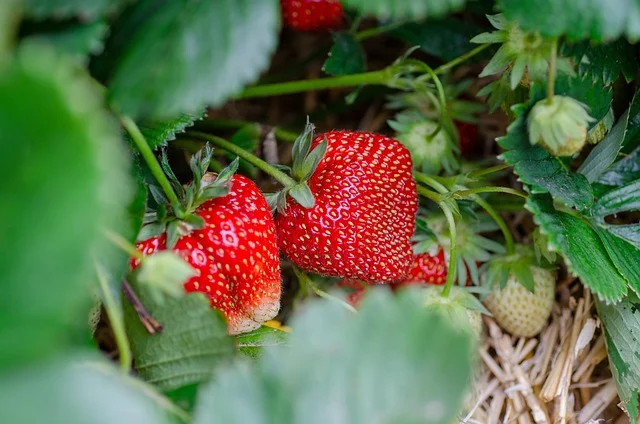
Can Dogs Eat Strawberries with Other Fruits?
Many fruits that are safe for dogs can be combined with strawberries, offering a varied and nutritious treat. Here’s a look at some popular combinations:
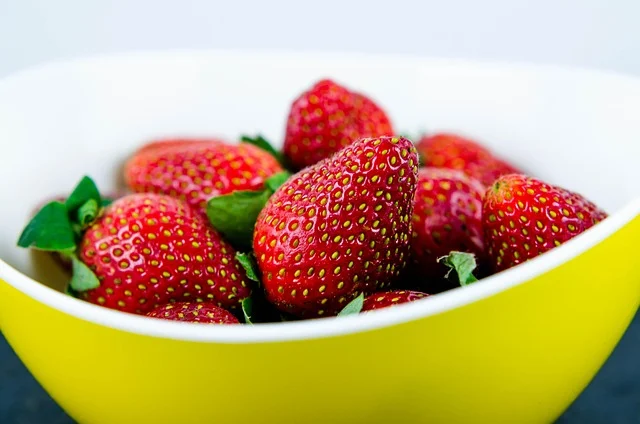
-
-
- Strawberries and Blueberries: Yes, both are excellent choices. Blueberries are another superfood for dogs, rich in antioxidants. Together, they make a powerful, healthy snack.
- Strawberries and Bananas: Yes, bananas are safe and provide potassium and vitamins, but they are also higher in sugar. Offer this combination in small amounts.
- Strawberries and Raspberries: Yes, raspberries are safe for dogs and share many nutritional benefits with strawberries, including antioxidants and fibre. They do contain a small amount of naturally occurring xylitol, but the amount is usually negligible in moderation.
- Strawberries and Pineapple: Yes, pineapple is safe for dogs, offering vitamins and enzymes. However, it is also quite fibrous and acidic, so give it in small, peeled, cored pieces alongside strawberries.
-
When combining fruits, remember to prepare each fruit appropriately (e.g., remove seeds from apples, peel bananas) and always ensure the total quantity remains a small treat, not a large portion that could upset your dog’s stomach due to excessive sugar or fibre.
Can Dogs Eat Strawberries with Sugar or in Ice Cream?
No, dogs should not eat strawberries with added sugar or in ice cream. While plain strawberries are a healthy treat, adding sugar negates many of the health benefits. It can contribute to weight gain and other health issues for your dog. A dog’s diet should be low in added sugars.
Similarly, most human ice creams are not suitable for dogs. They are typically high in sugar and fat, and many dogs are lactose intolerant. This means dairy products can cause significant digestive upset, including diarrhoea and vomiting. Some ice creams may also contain artificial sweeteners like xylitol, which is highly toxic to dogs. Xylitol can be life-threatening even in small amounts.
If you want to offer your dog a frozen strawberry treat, we recommend blending plain, fresh strawberries with a little water or plain, unsweetened yogurt (if your dog tolerates dairy) and freezing the mixture in an ice cube tray. This provides a refreshing and safe alternative.

Signs Your Dog Has Eaten Too Many Strawberries or Reacted Badly
Even though strawberries are generally safe, it is important to know the signs of overconsumption or an adverse reaction. If your dog eats too many strawberries, especially if they are not accustomed to them, you might observe:

-
-
- Gastrointestinal Upset: This is the most common sign and can include vomiting, diarrhoea, or a general upset stomach. The high fibre content, if consumed in large quantities, can act as a laxative.
- Abdominal Pain: Your dog might show signs of discomfort, such as restlessness, whining, or reluctance to be touched on the belly.
- Changes in Appetite: A dog feeling unwell may lose interest in their regular food.
- Allergic Reaction: Though rare, an allergic reaction can manifest as hives, swelling (especially around the face or paws), itching, excessive licking, or difficulty breathing. If you suspect an allergic reaction, seek veterinary attention immediately.
-
If you notice any of these symptoms, especially if they are severe or persist, contact your veterinarian for advice. For mild digestive upset, withholding food for a few hours and then offering a bland diet (like plain boiled chicken and rice) can often help. Always ensure your dog has access to fresh water.
Sources: Corn dog, Toxic and Non-toxic Plants: Strawberry
Frequently asked questions
How often can dogs eat strawberries?
Dogs can eat strawberries as an occasional treat, typically a few times a week. It is important to keep the quantity small. This ensures they remain a supplement to their balanced diet, not a significant portion of it.
What can dogs eat instead of strawberries?
If your dog doesn’t like strawberries or you’re looking for variety, many other fruits are safe for dogs, such as blueberries, apples (without seeds), bananas, watermelon (without rind or seeds), and cantaloupe.
Are organic strawberries better for dogs?
While organic strawberries may have fewer pesticide residues, thorough washing of any strawberry, organic or not, is crucial before feeding them to your dog. The primary benefit is reducing potential chemical exposure.